October Recap
In case you missed it you can find last month's newsletter here: october newsletter
september bird walk
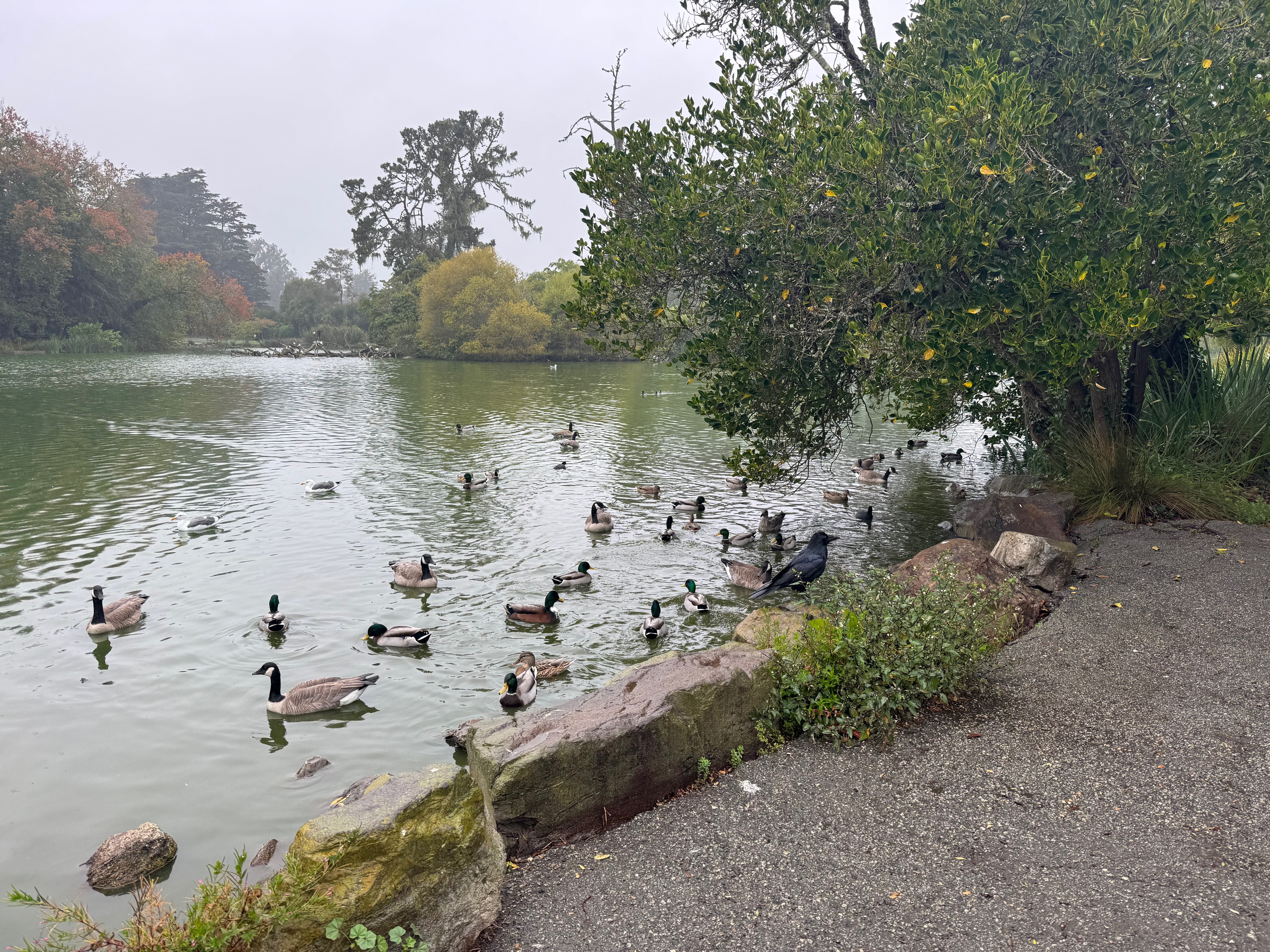
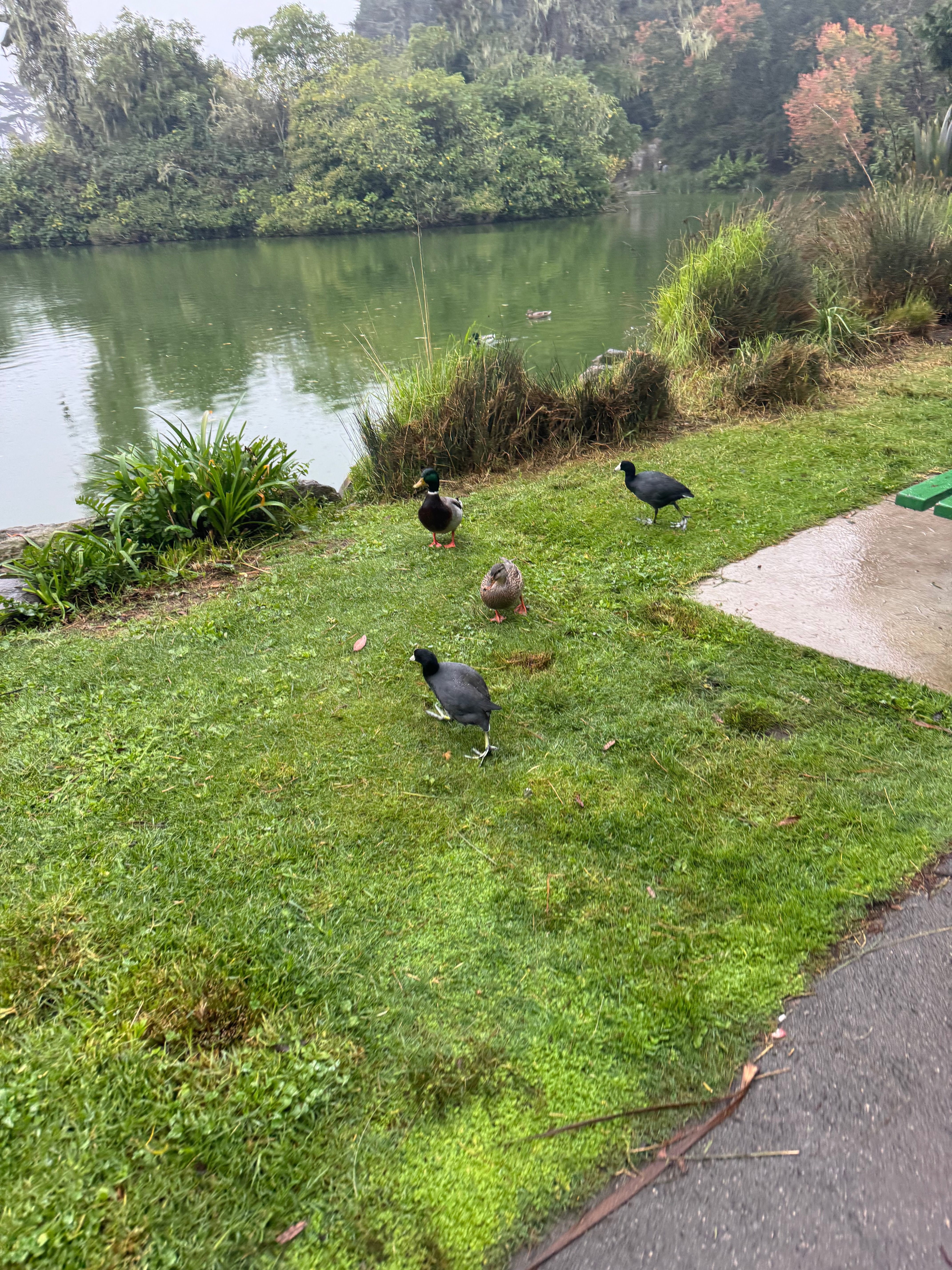
In October we walked around Blue Heron Lake in Golden Gate Park.
It was raining pretty hard so I didn't bust out the camera and I also didn't get a good ebird checkist in there..
but to recap we saw a lot of our waterproof friends including mallards and canada geese,
and plenty of american coots, gulls, ravens, ring-necked ducks, chestnut-backed chickadees, and townsend's warblers.
Thank you to everyone who braved the rain and came out:)
Member Submissions
Thank you to everyone who sent me photos of the birds they saw!
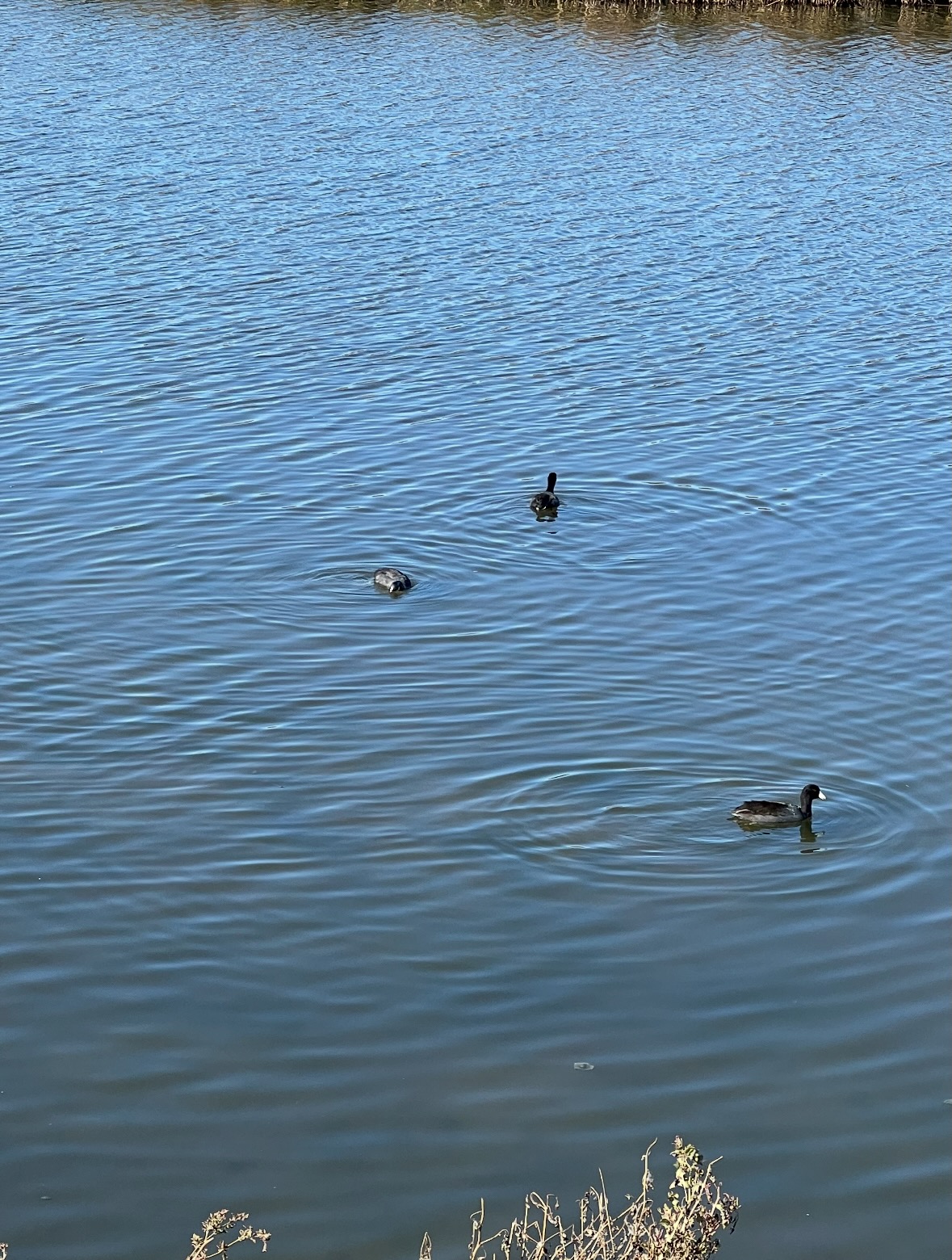
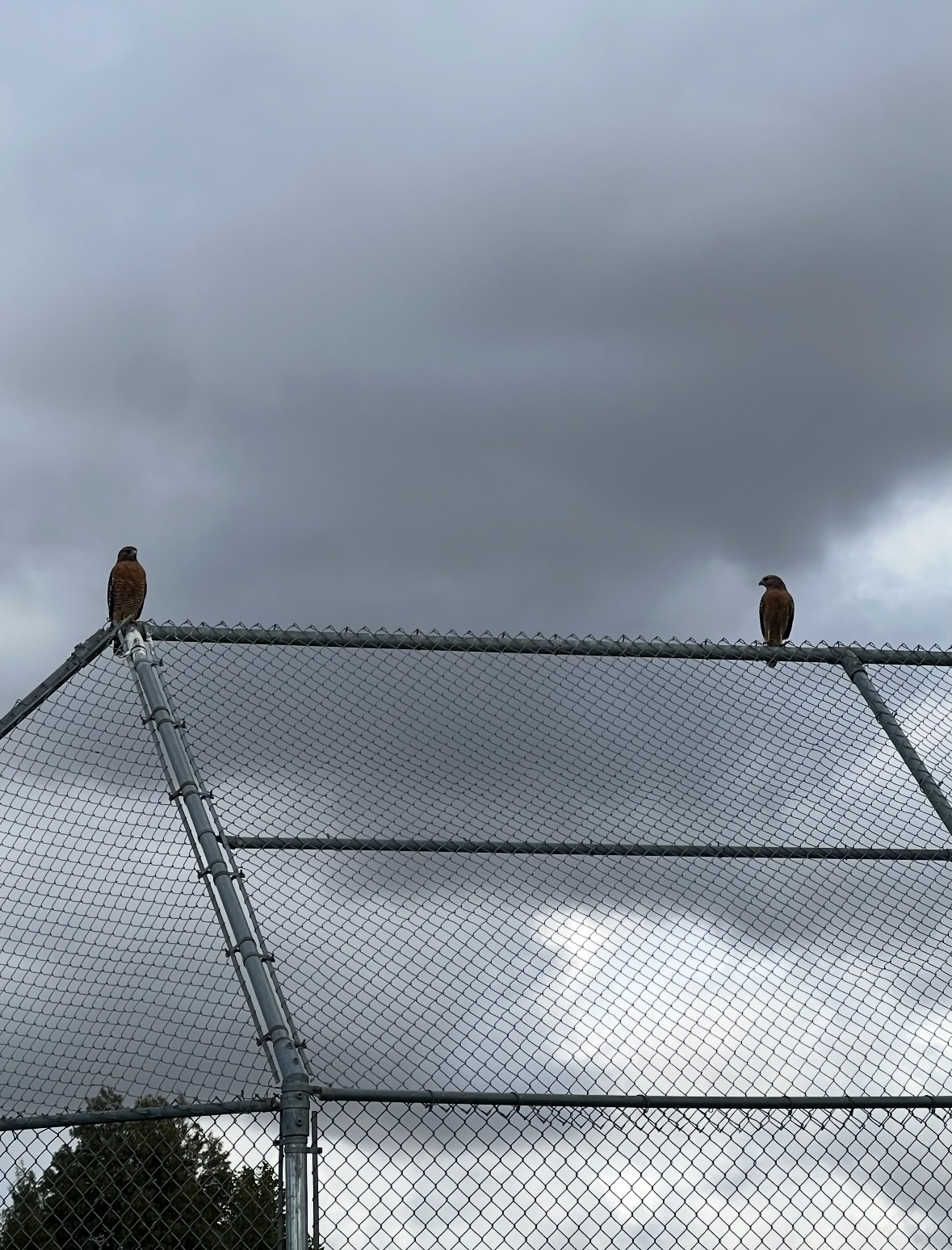
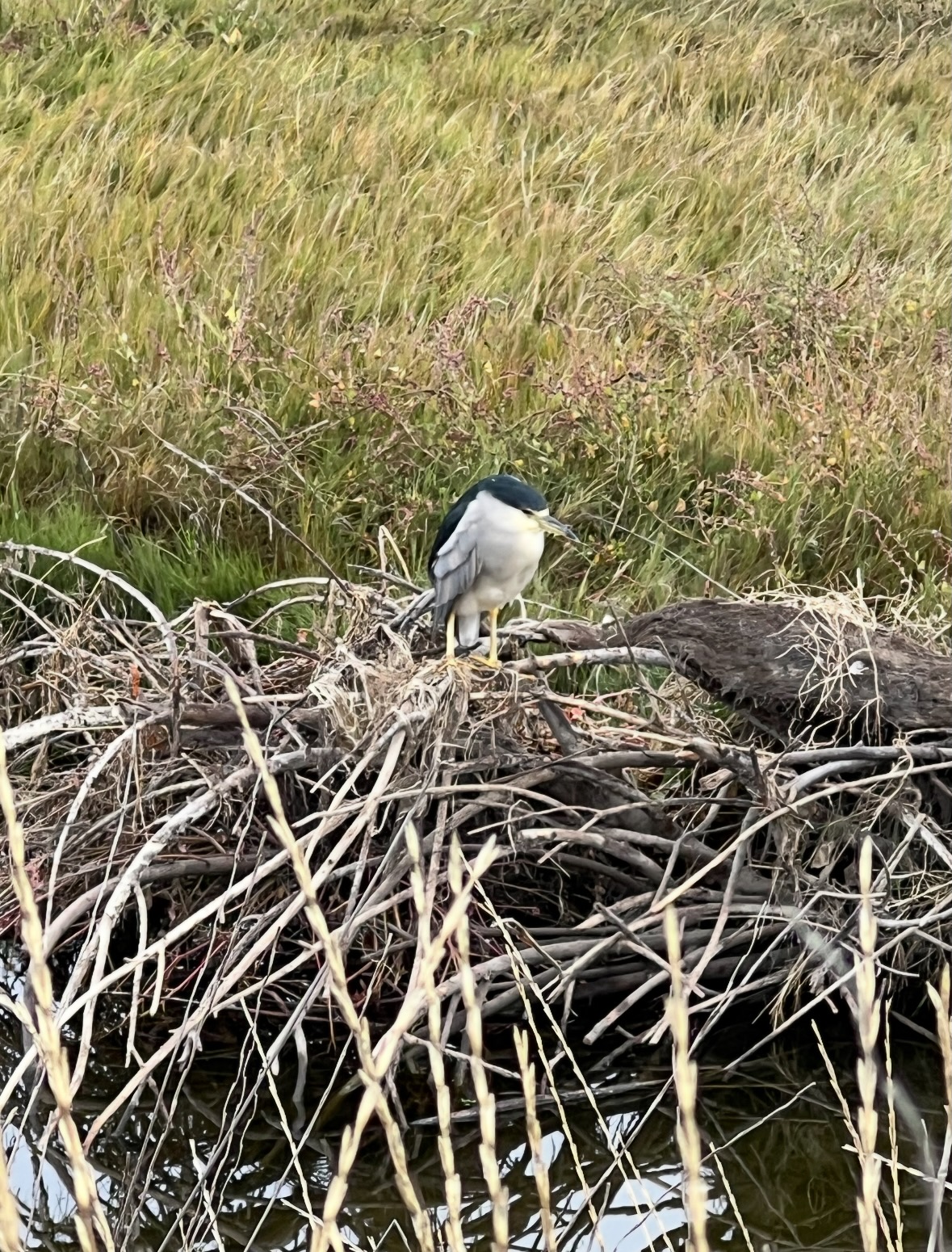
First up Kelly birded in the east bay and also saw some american coots as well as our last bird of the month the black-crowned night heron and some hawks
Gus and Anjali spotted a black-capped chickadee up in seattle.

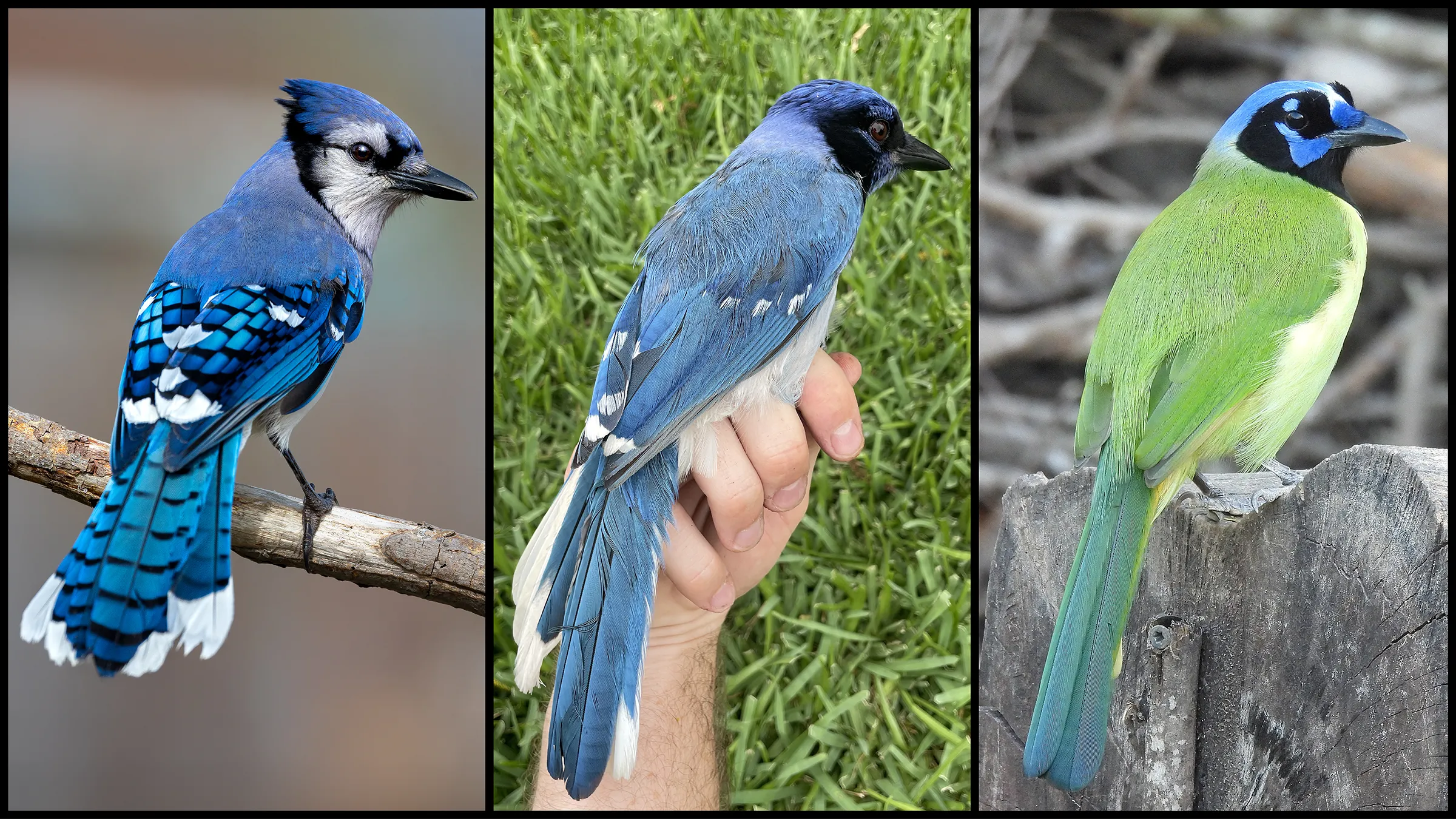
left panel credit: Travis Maher/Cornell Lab of Ornithology/Macaulay Library | center panel credit: Brian Stokes | right panel credit: Dan O’Brien/Cornell Lab of Ornithology/Macaulay Library
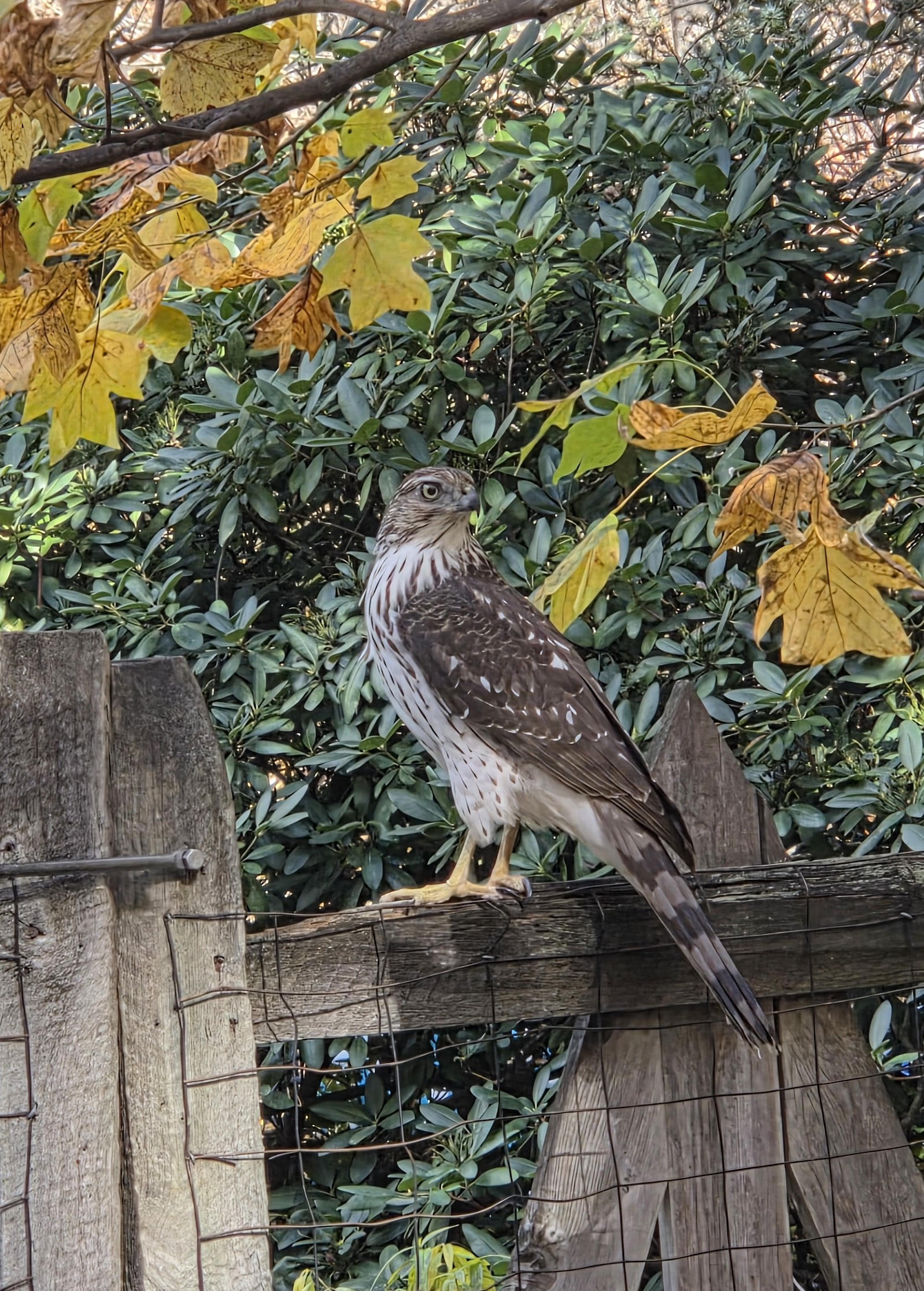
Heidi shared this picture of a hawk from New York
The twin hurricanes in the Atlantic are moving away from the US, but the migrating birds are using the power of that wind to their advantage. The NEXRAD radar network (Doppler Radars In The US operated by the National Weather Service) showed about 492 million birds were in flight overnight and they were moving toward the southwest at about 30 mph just 1,200 feet above the ground. The low level winds are moving from the northeast to the southwest for most of the eastern part of the country. That is mostly due to the twin hurricanes in the Atlantic. Winds move counterclockwise around areas of low pressure. Since Hurricane Humberto is located northeast of Hurricane Imelda, those winds are out of the northeast and moving to the southwest in the migration zones. So once the birds take flight, they can glide in the right direction with lower effort than normal.
James and Emily were back on hawk watch in the city.
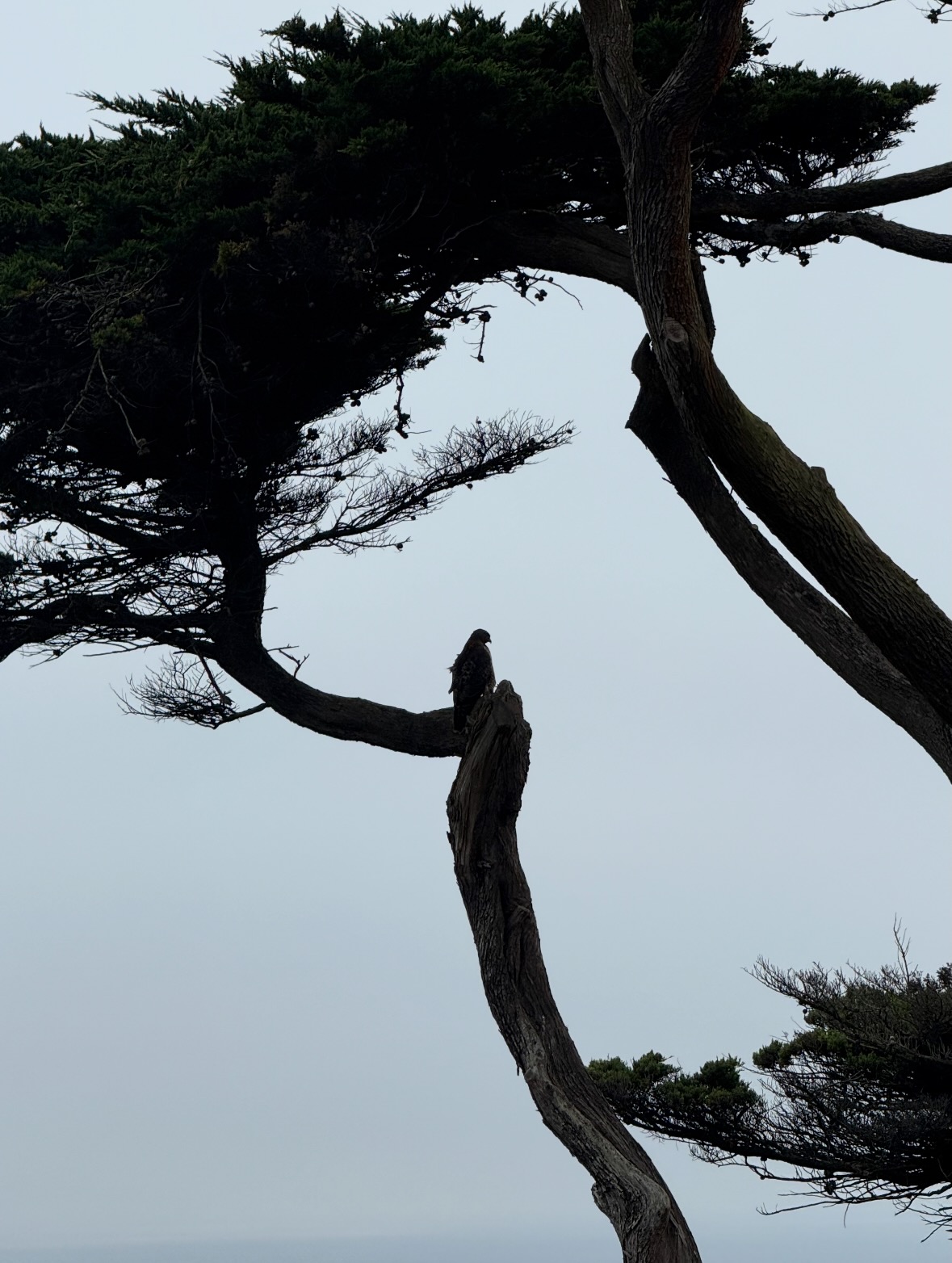
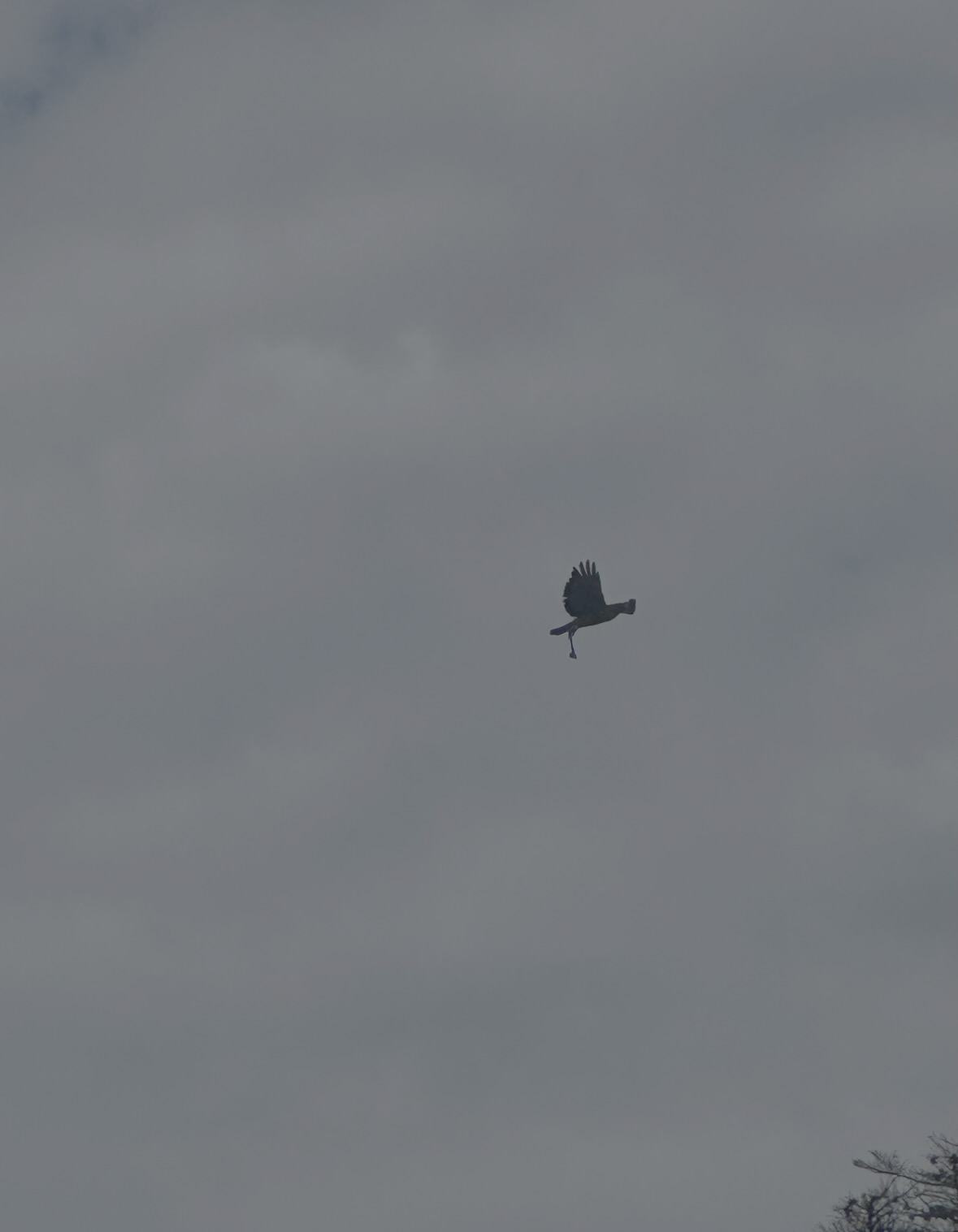
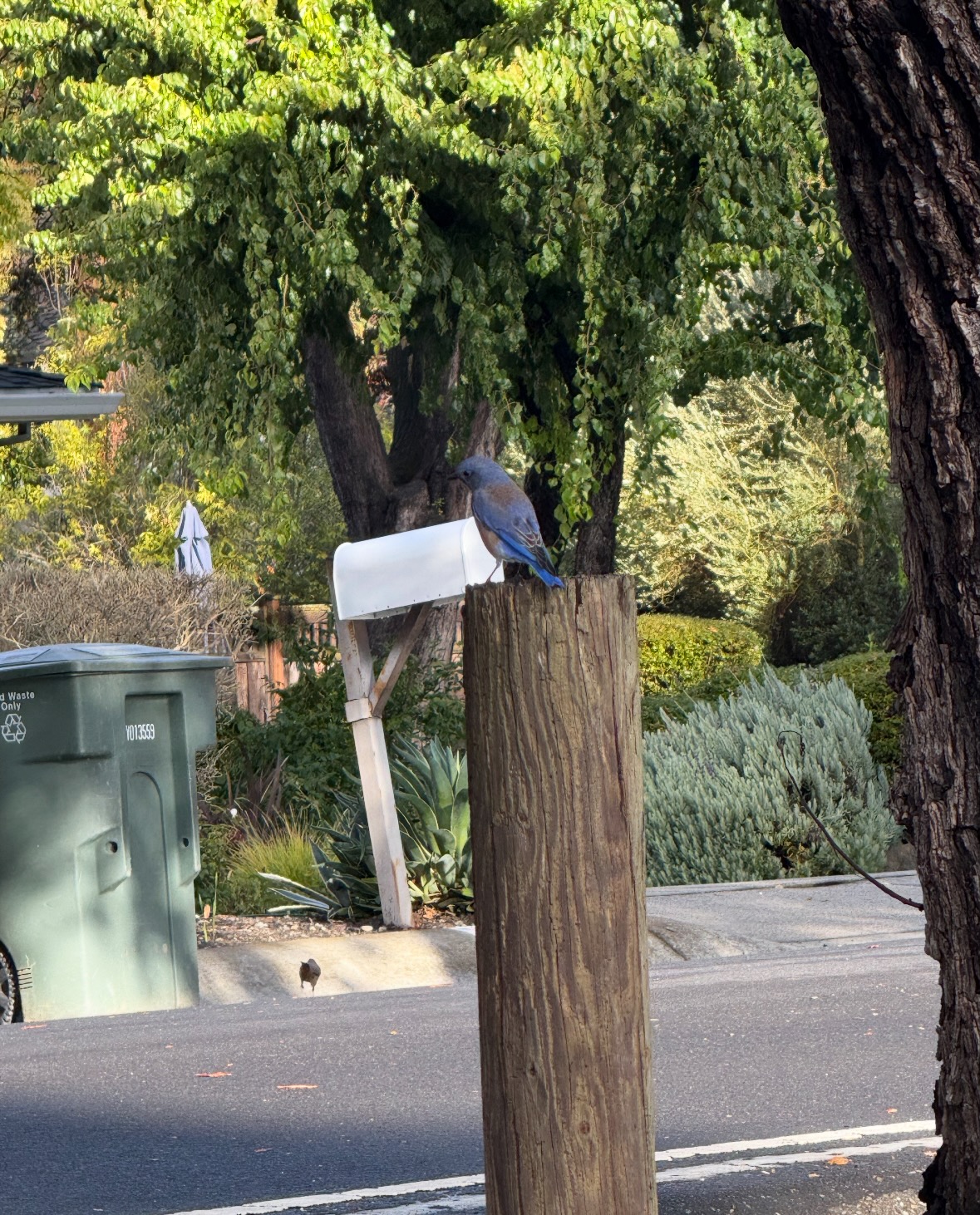
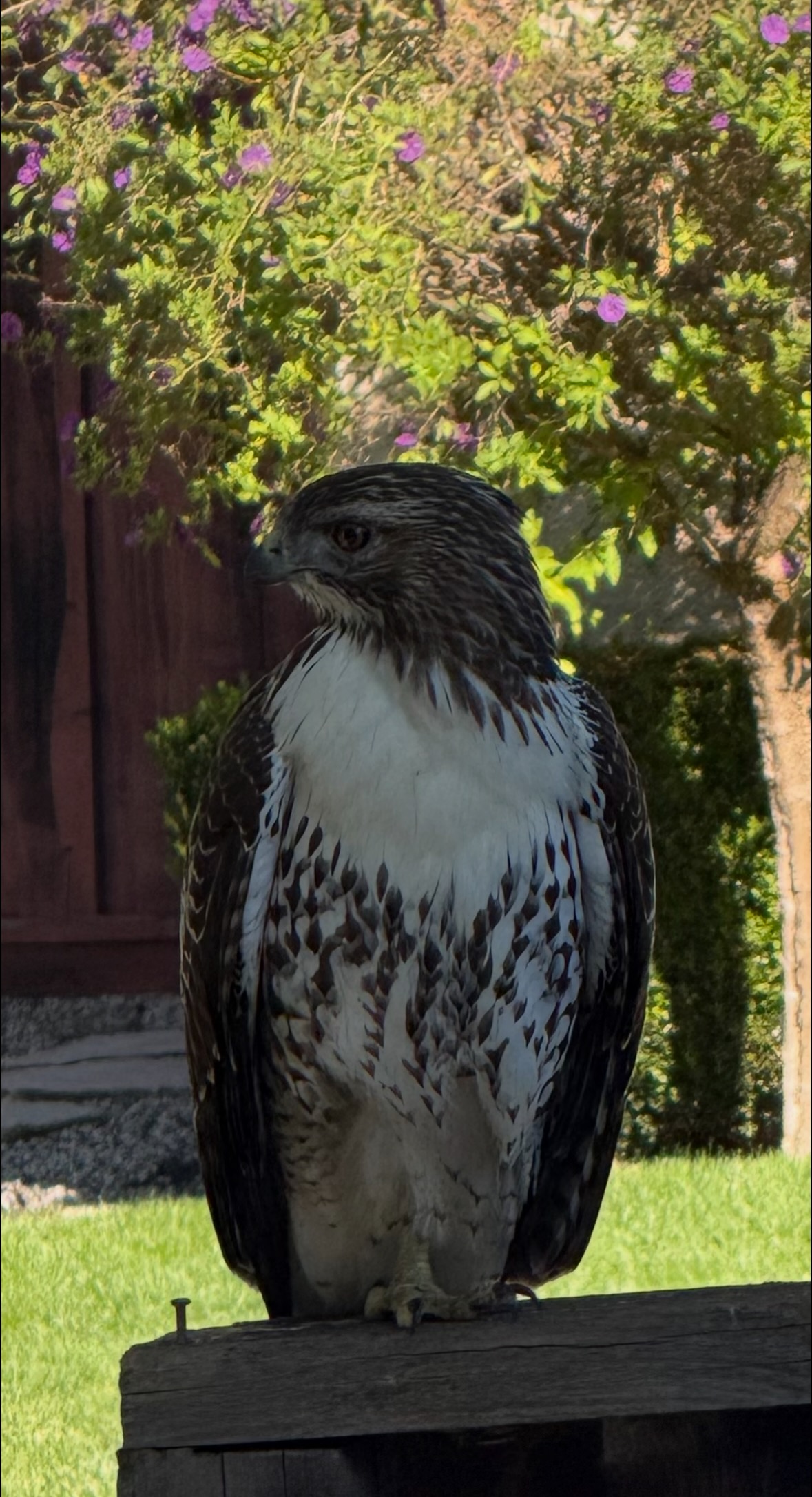
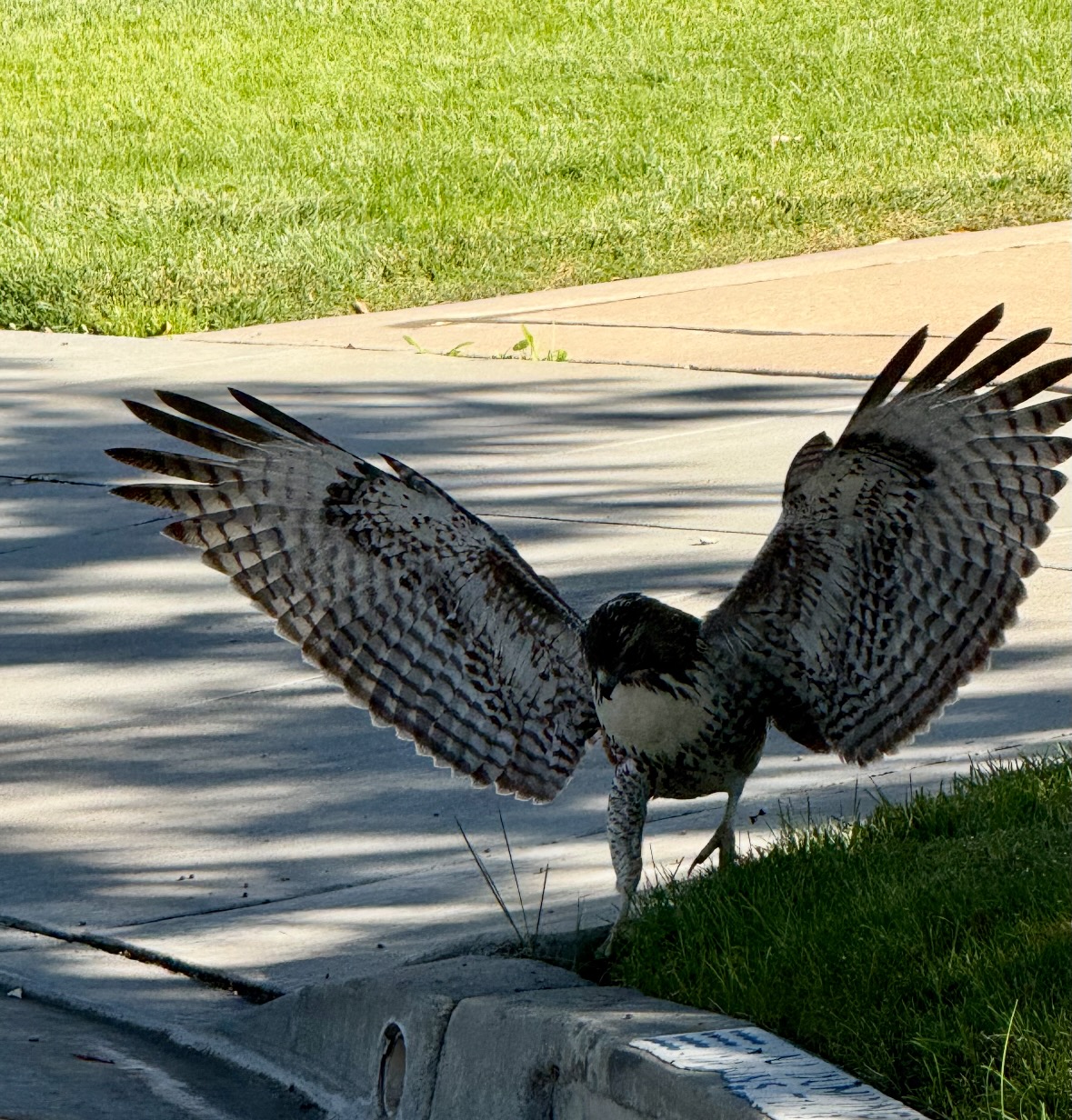
Sandy in the east bay saw a western blue bird and then got some nice closeups of a red-tailed hawk
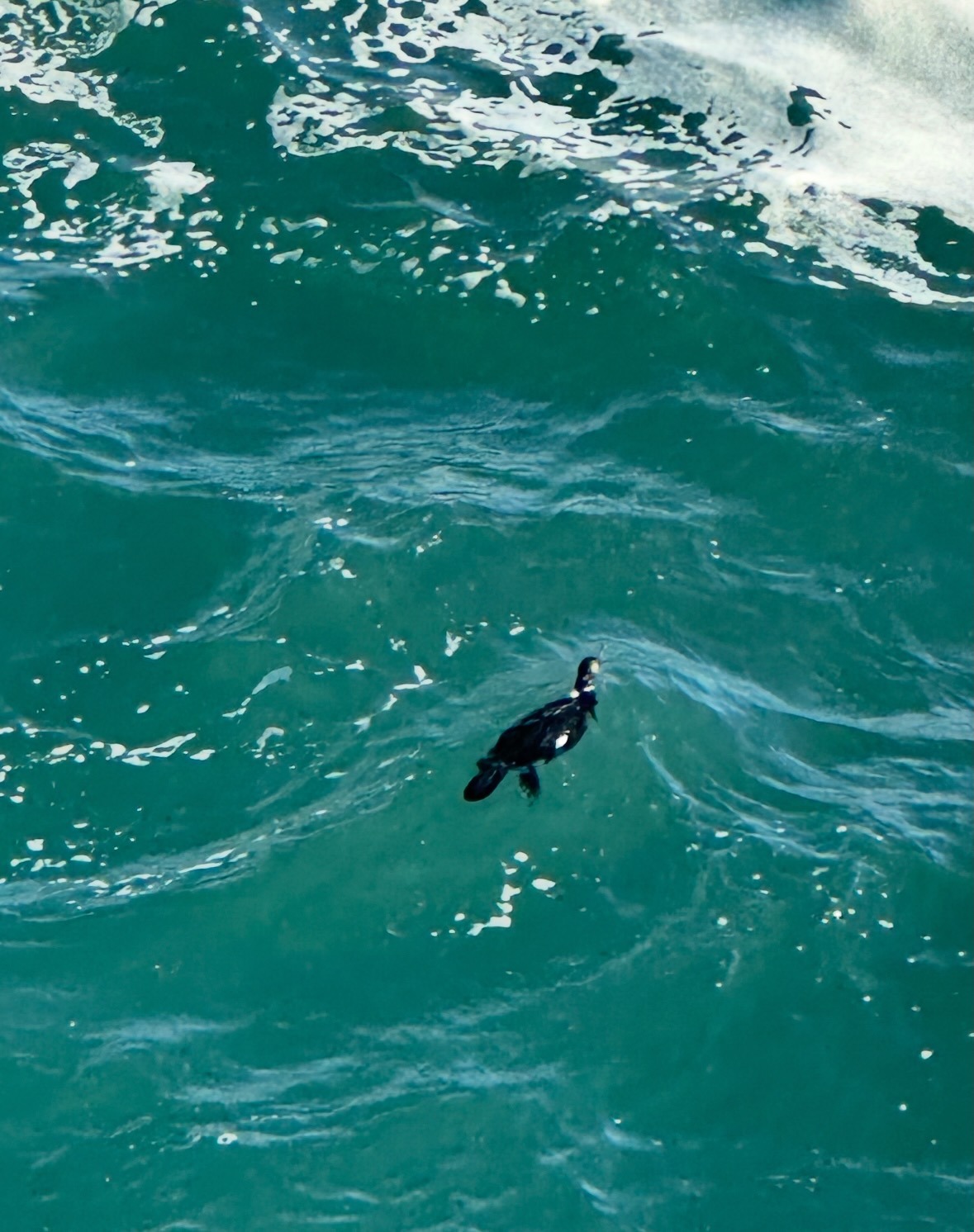
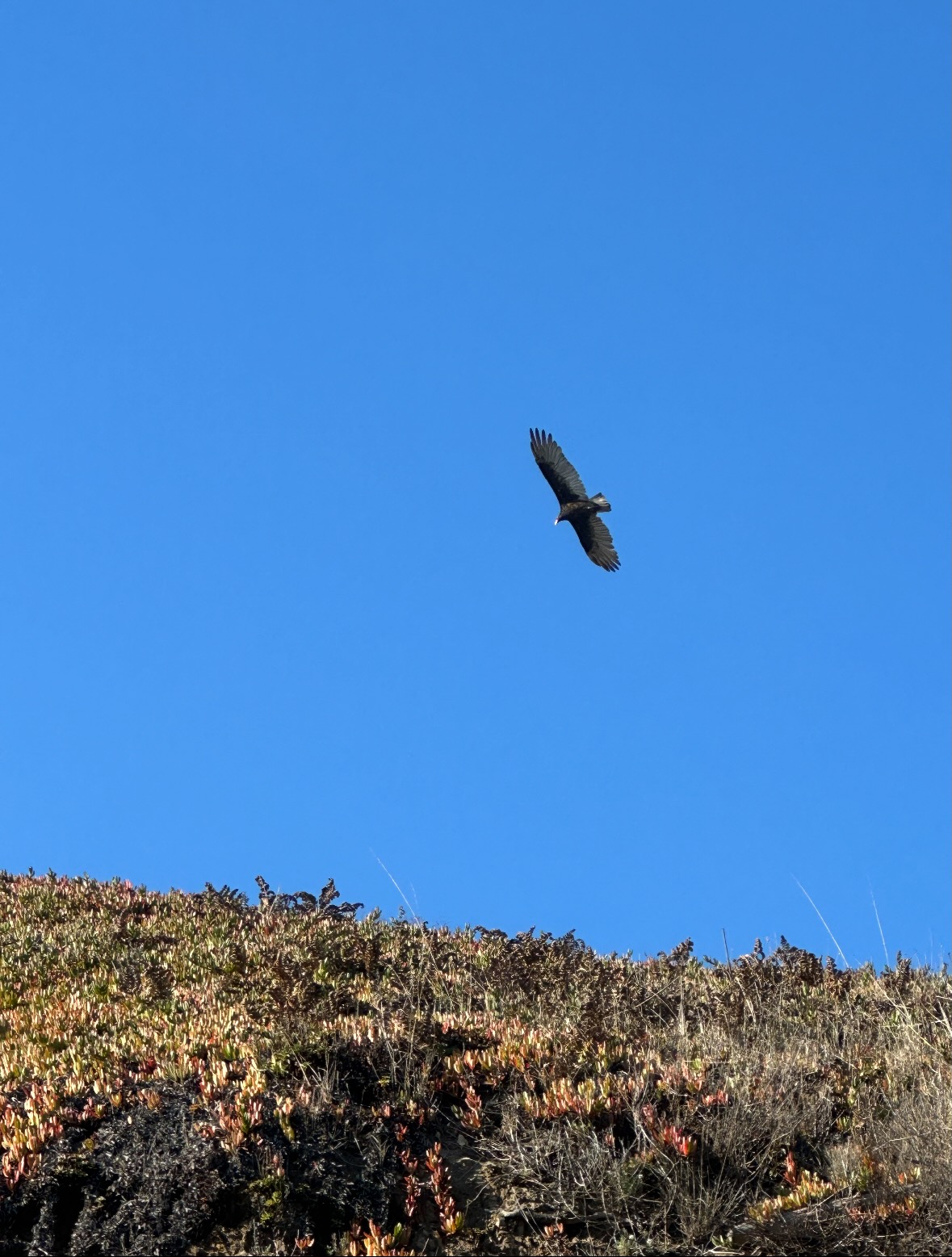
George did some birding in the city and up the coast in mendocino

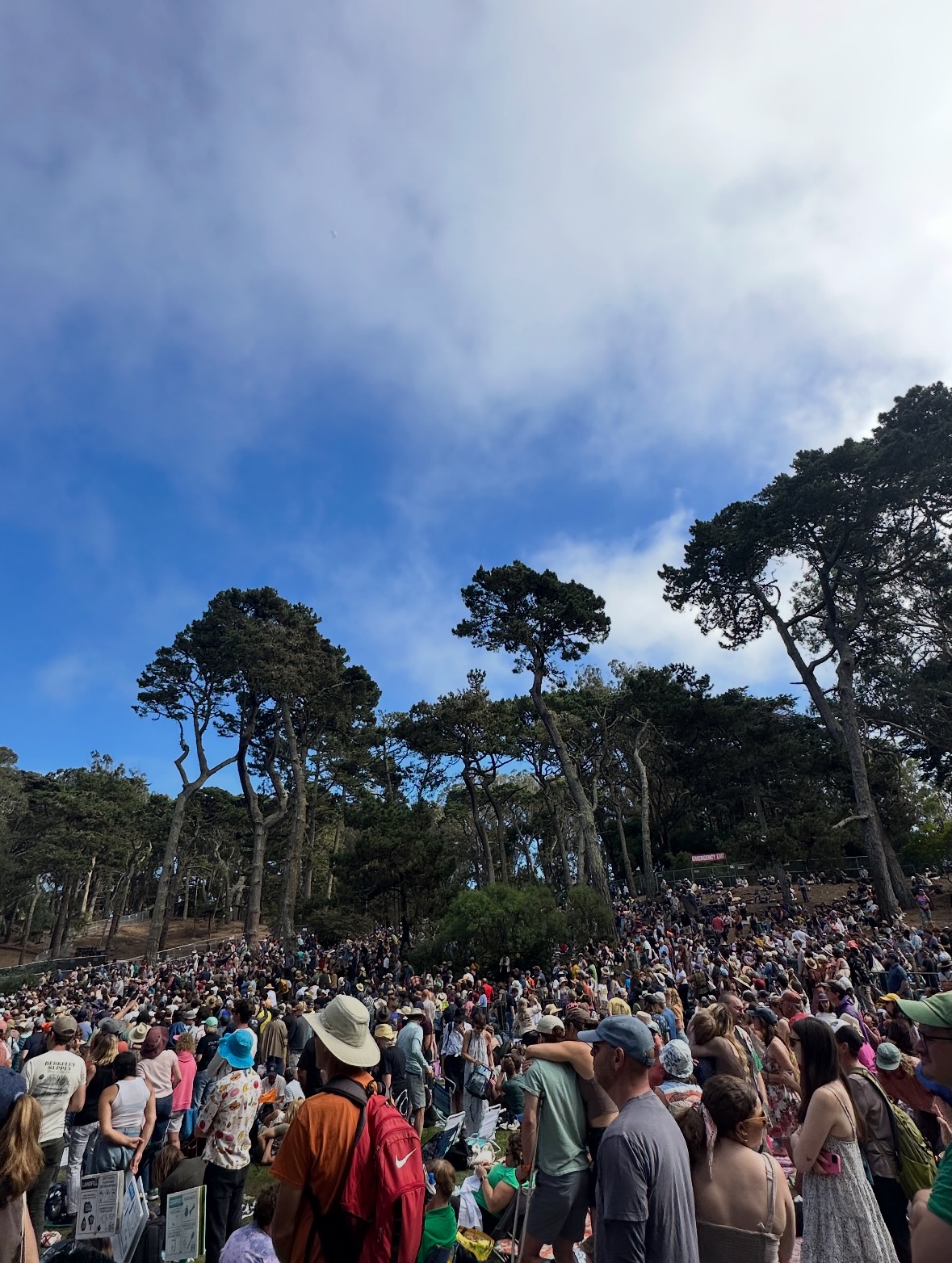
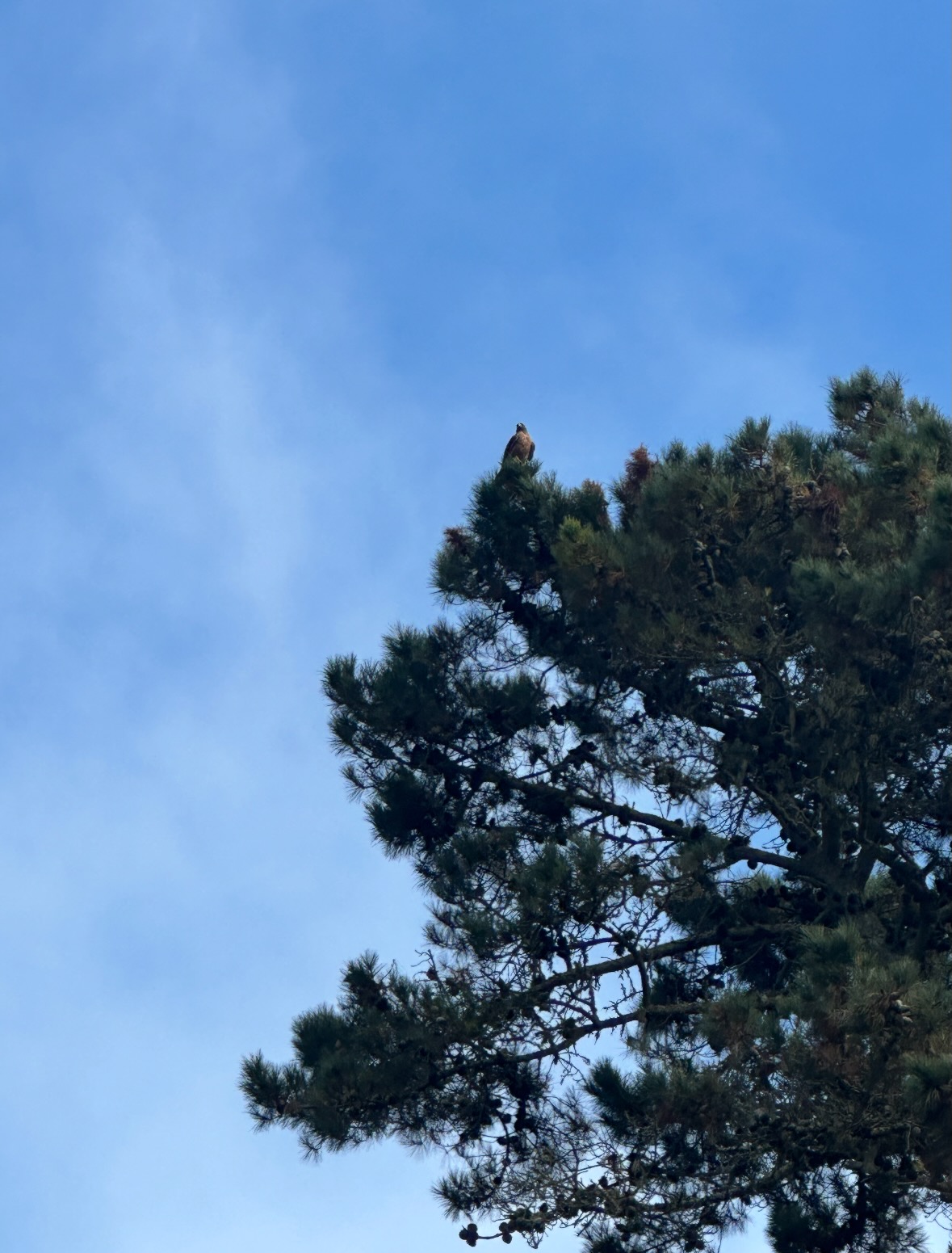
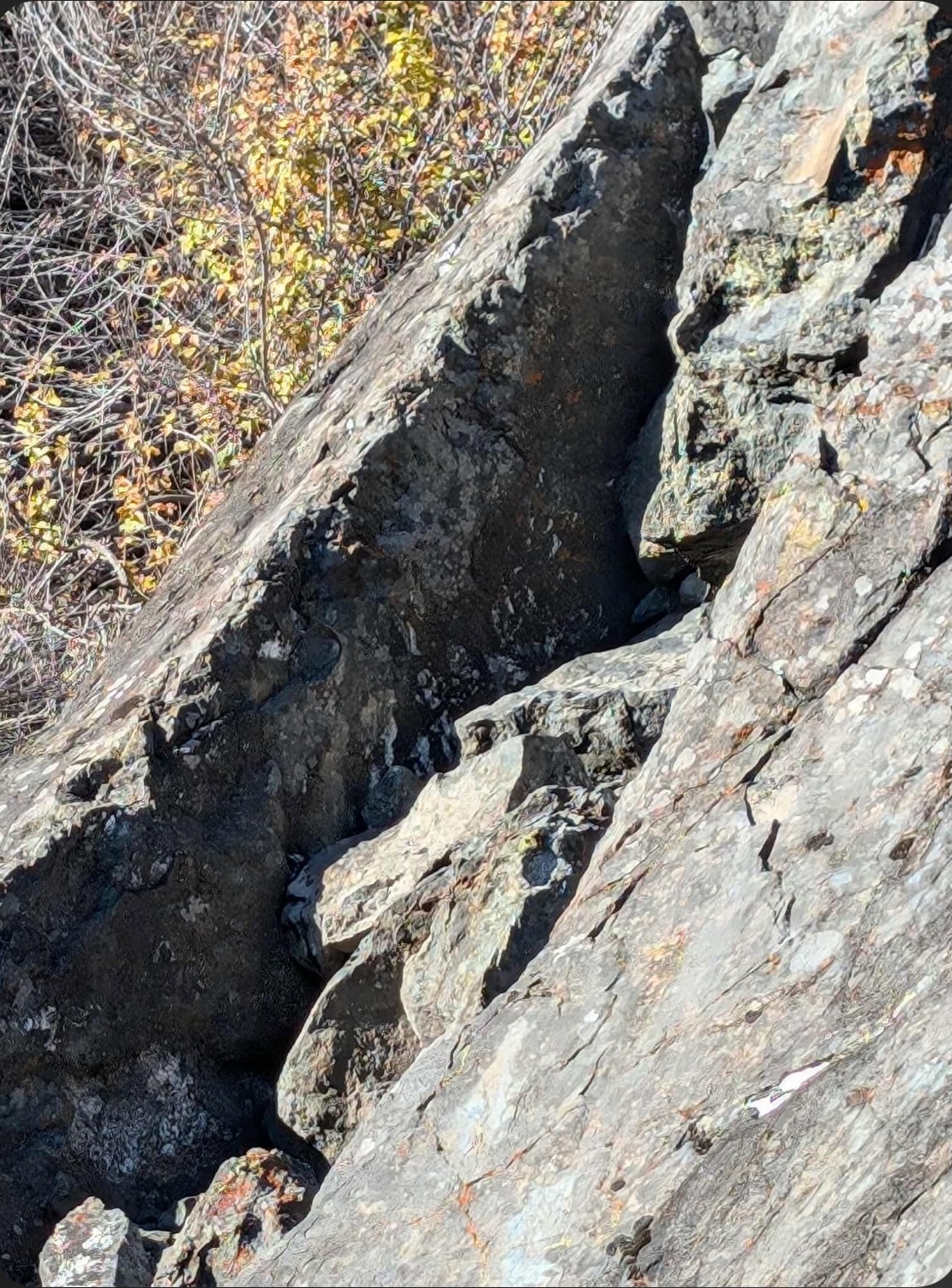
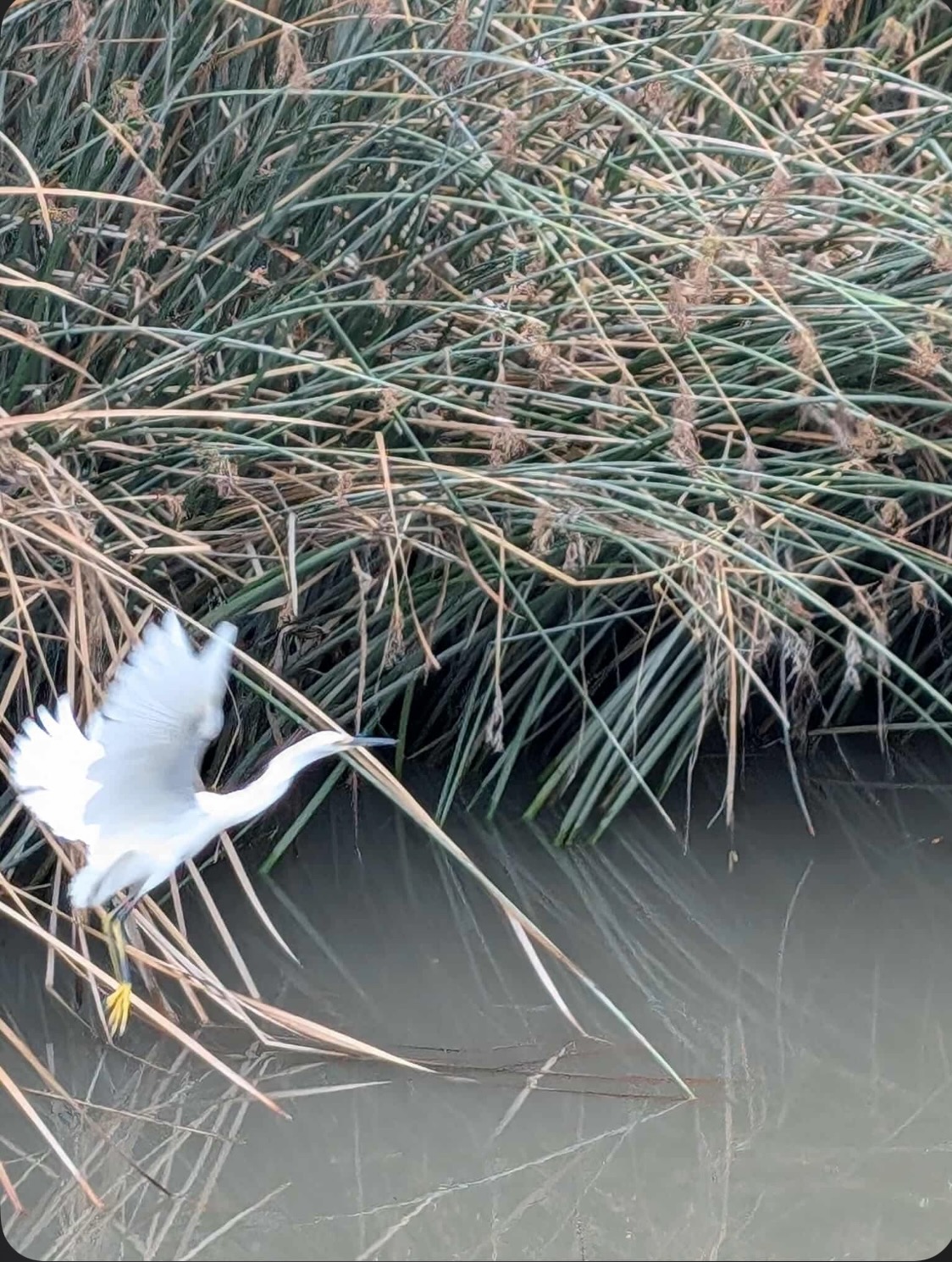
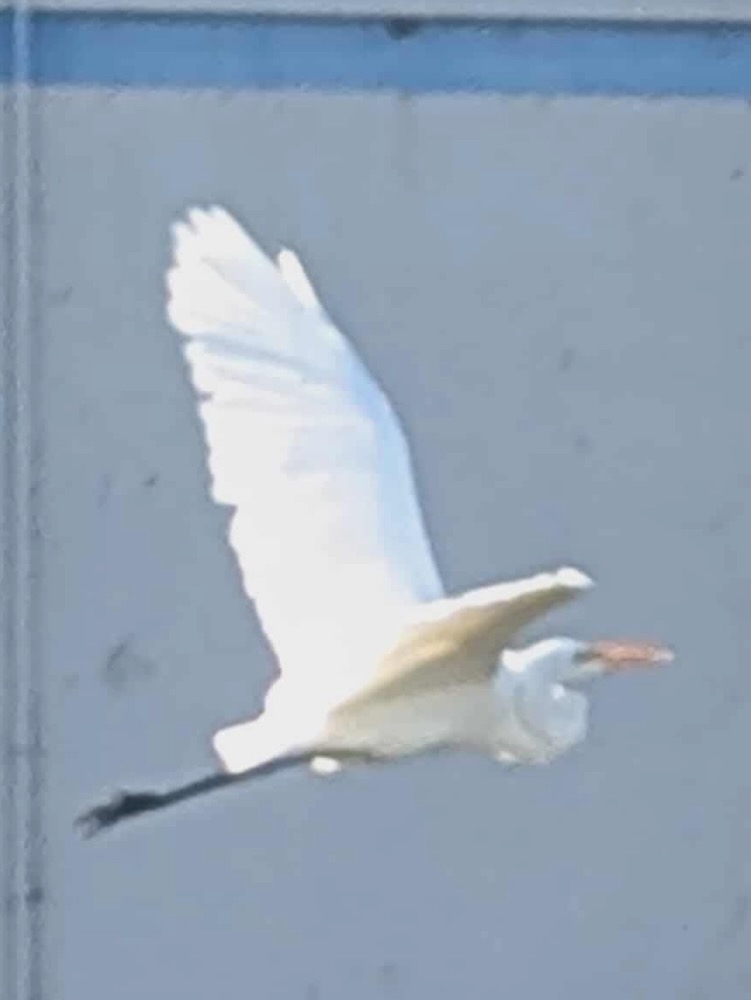
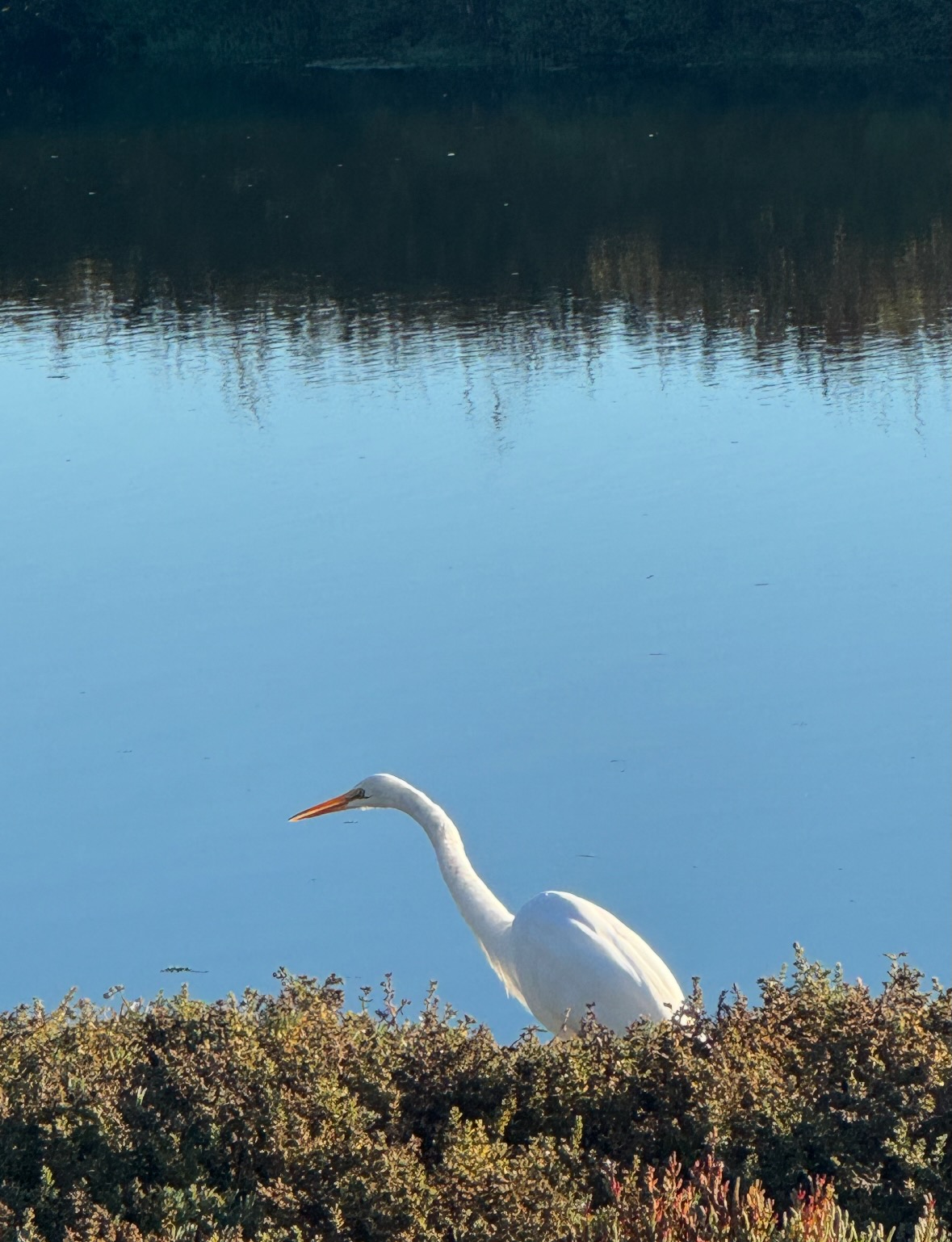
Adam took a very adam photo of a rock wren and a couple egrets
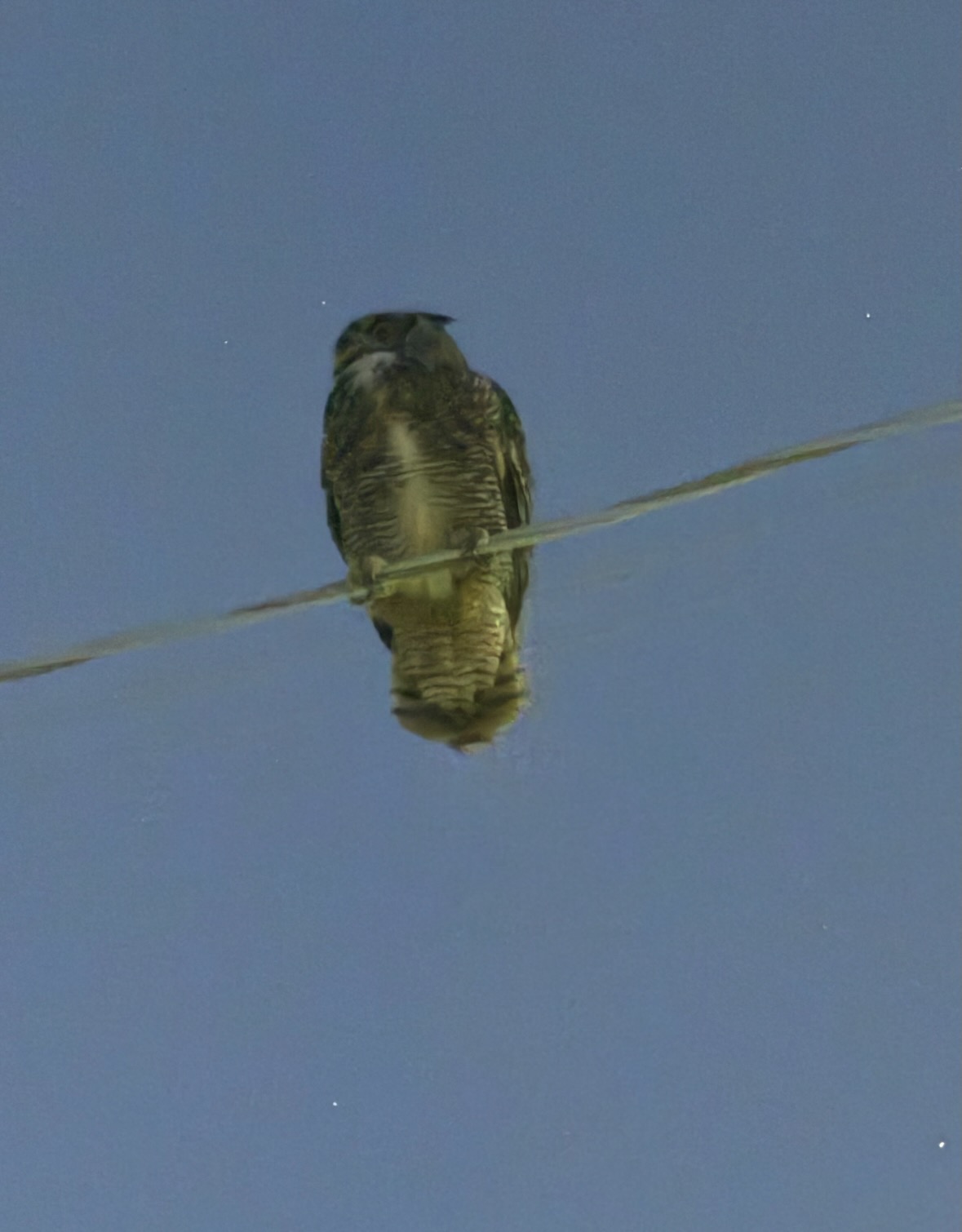
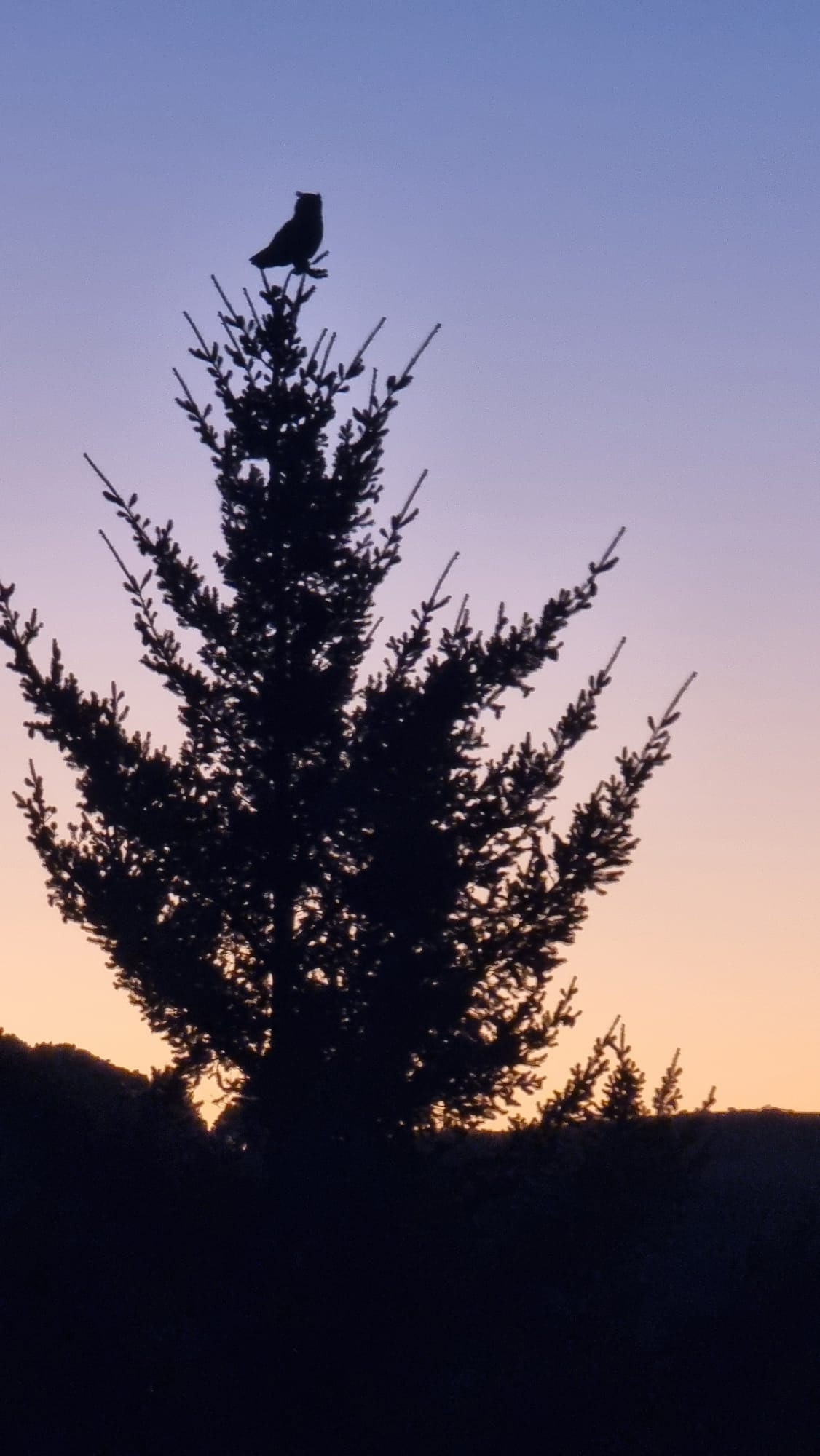
Sára saw this cool great horned owl down in palo alto
Shah shared a cool news story about some sandhill cranes that adopted a canada gosling in wisonsin. Speaking of sandhill cranes I think I'll try and go see some in the next month or two I think they should have arrived by now!
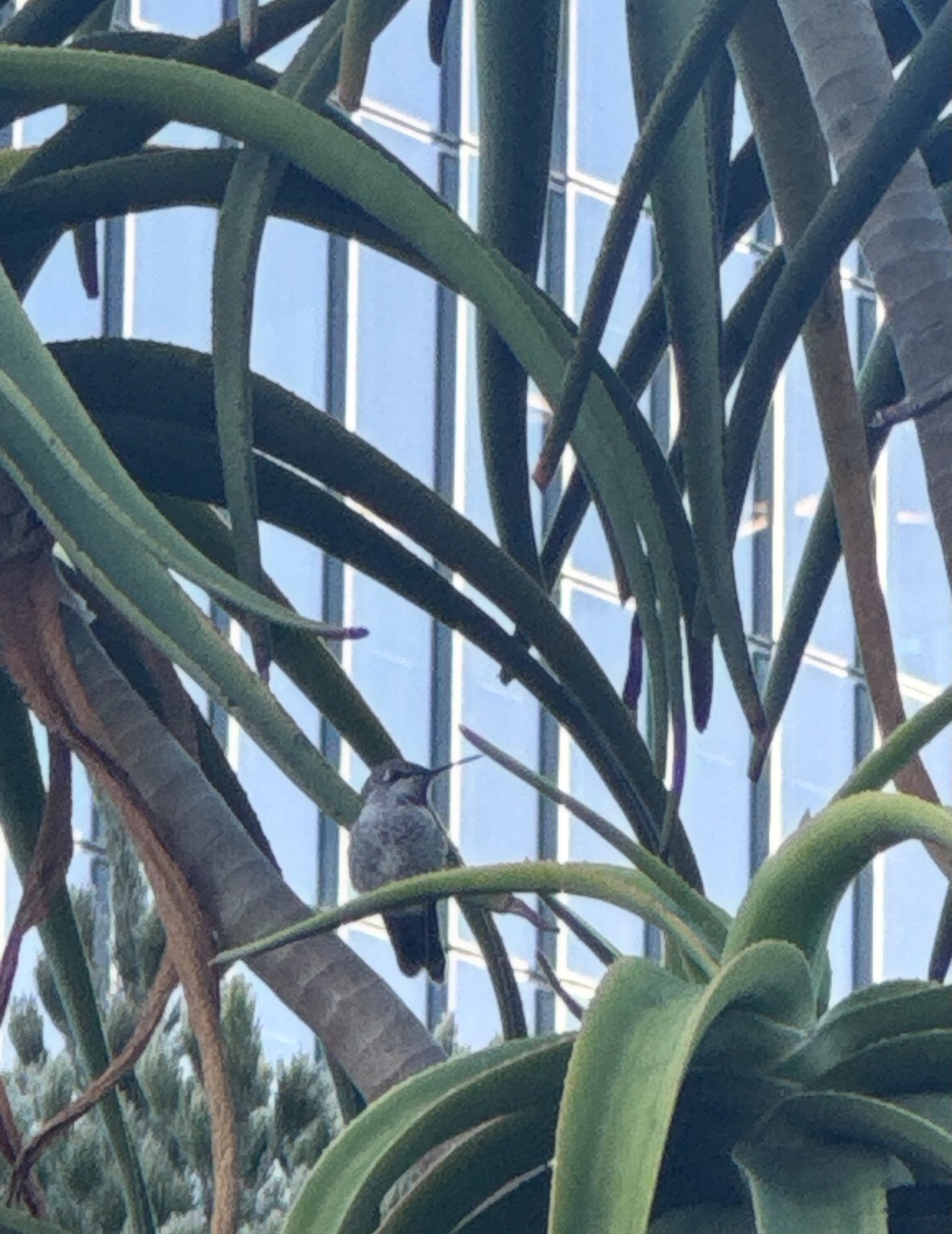
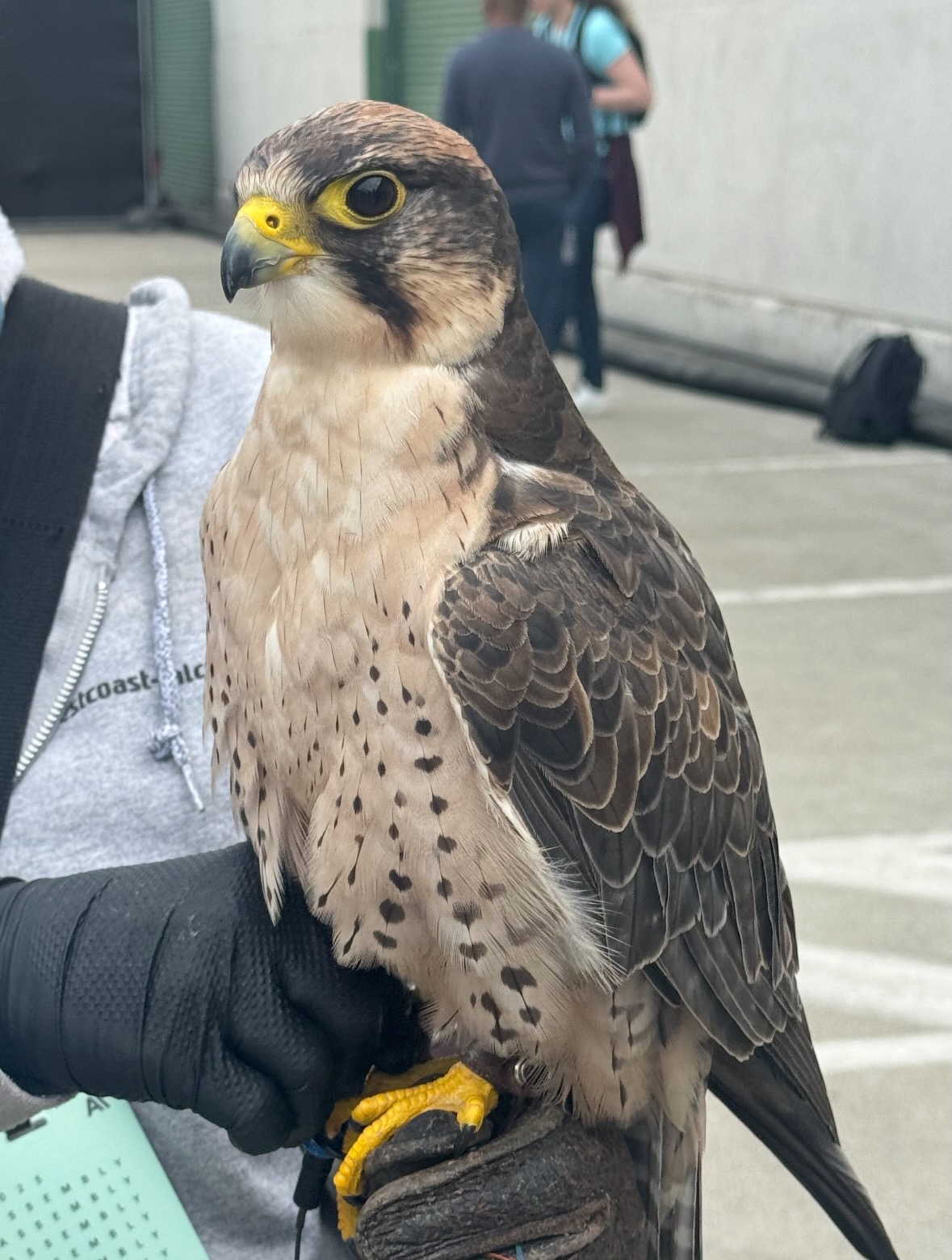
Janet spotted an egret near monterey, a hummingbird in salesforce park, and a falcon being used for falconry or something idk
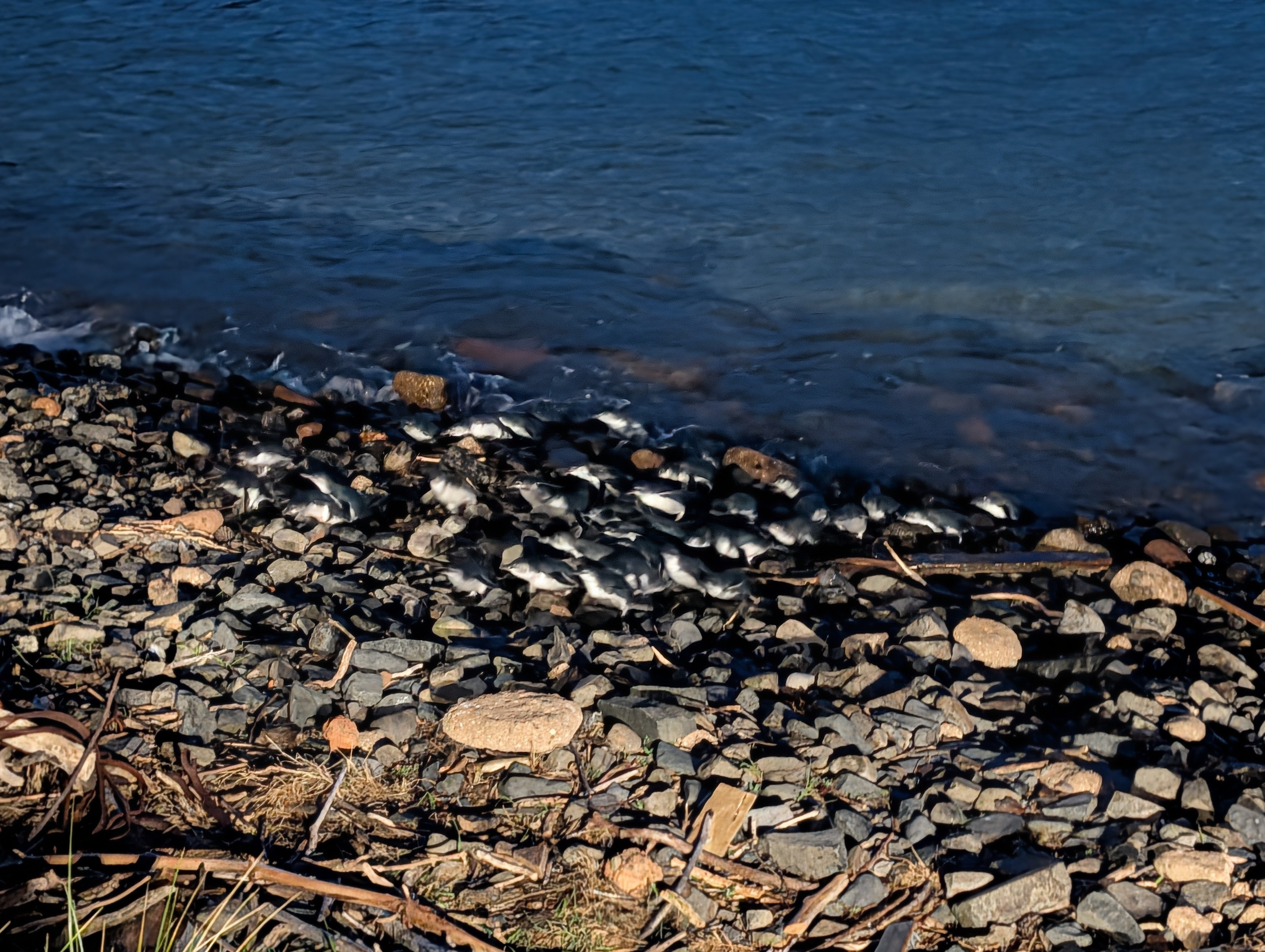
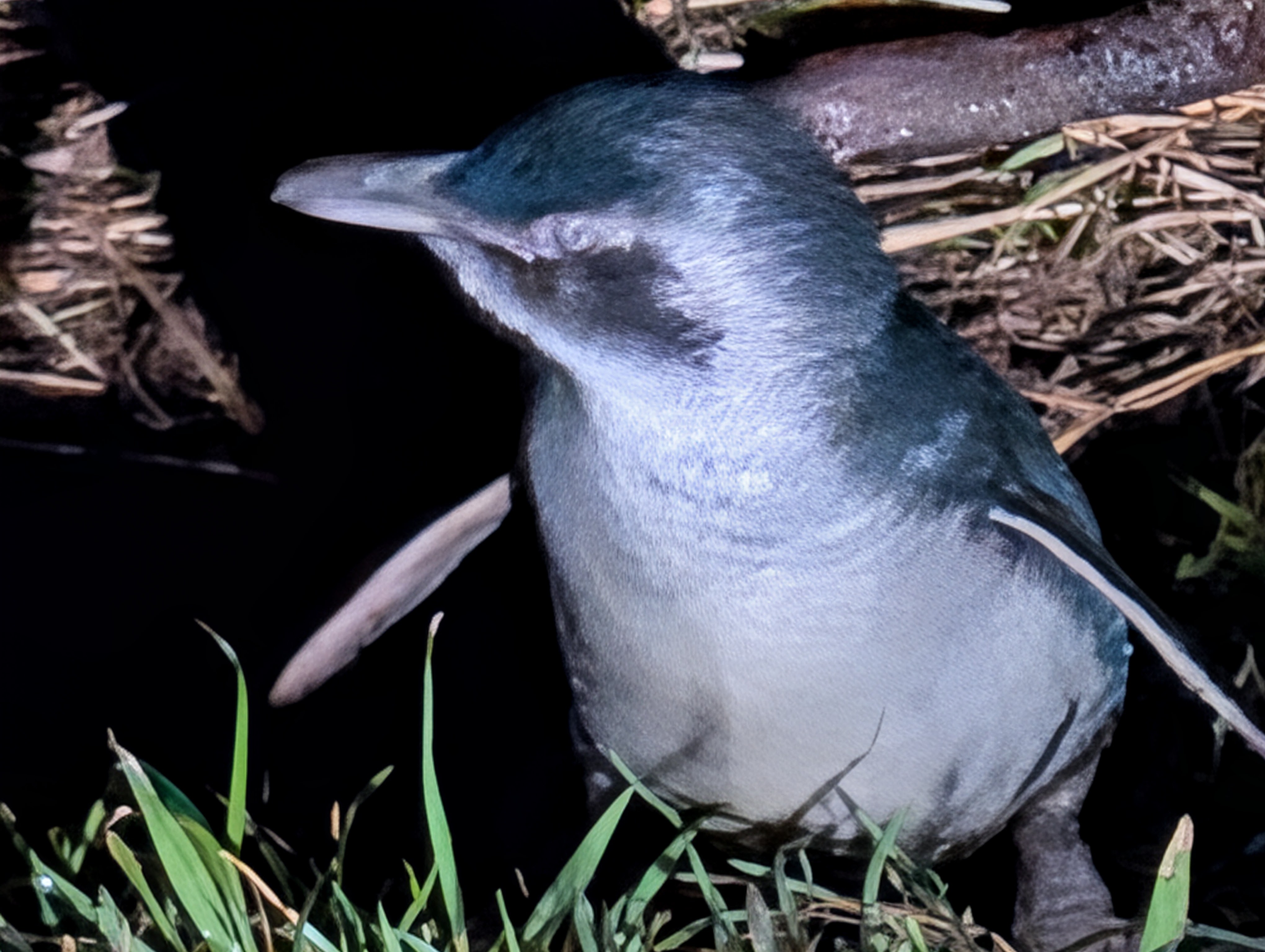
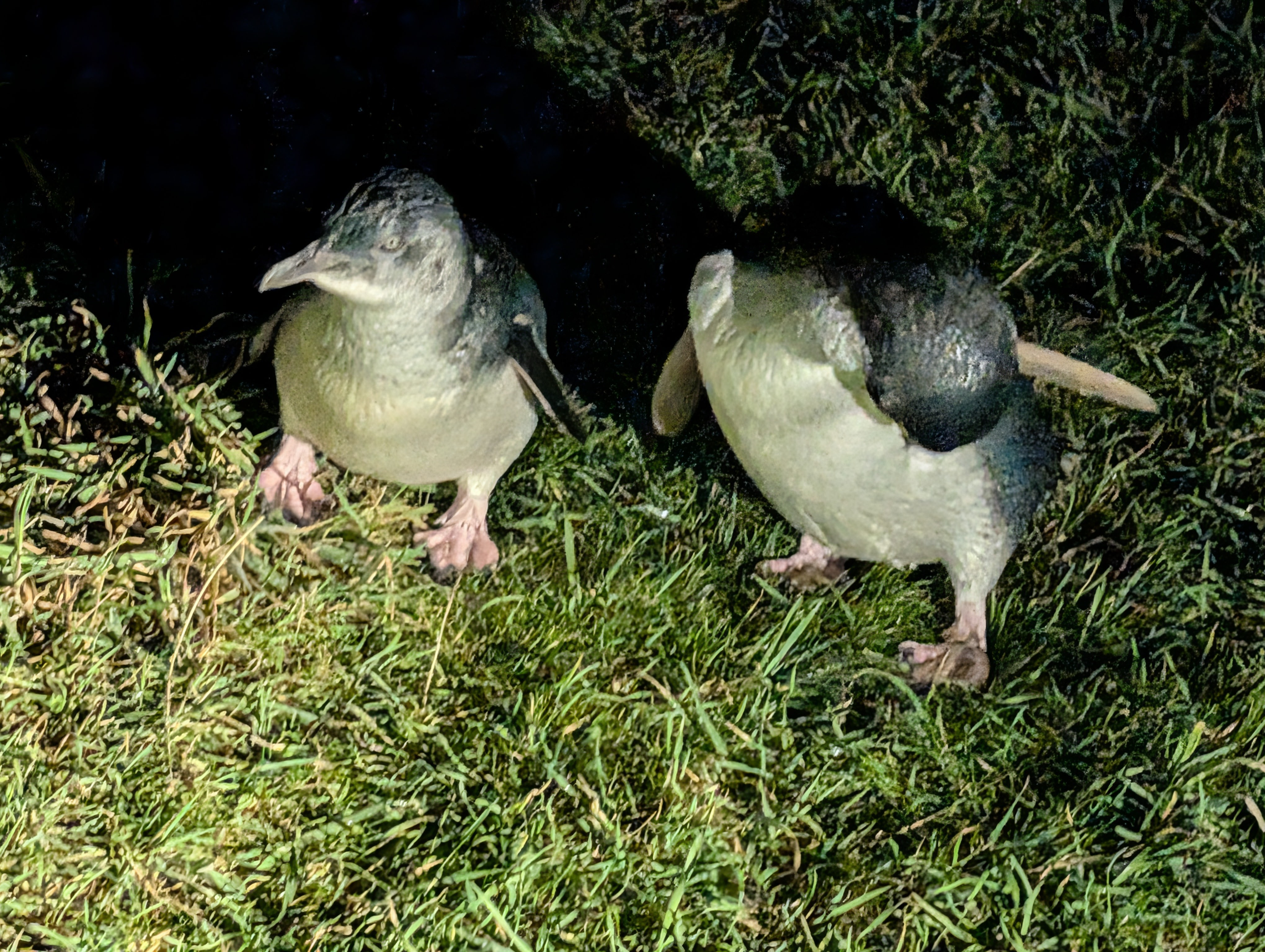
Lokesh and I were in New Zealand for a couple weeks. He snapped these photos of the little blue penguins (Eudyptula minor) we saw during a night tour at the royal albatross center in dunedin. Fun fact these are the smallest and the only blue penguins out there. They come in to shore once the sun goes down and the pictures don't do them justice but they are so, so small. They also make super weird noises.
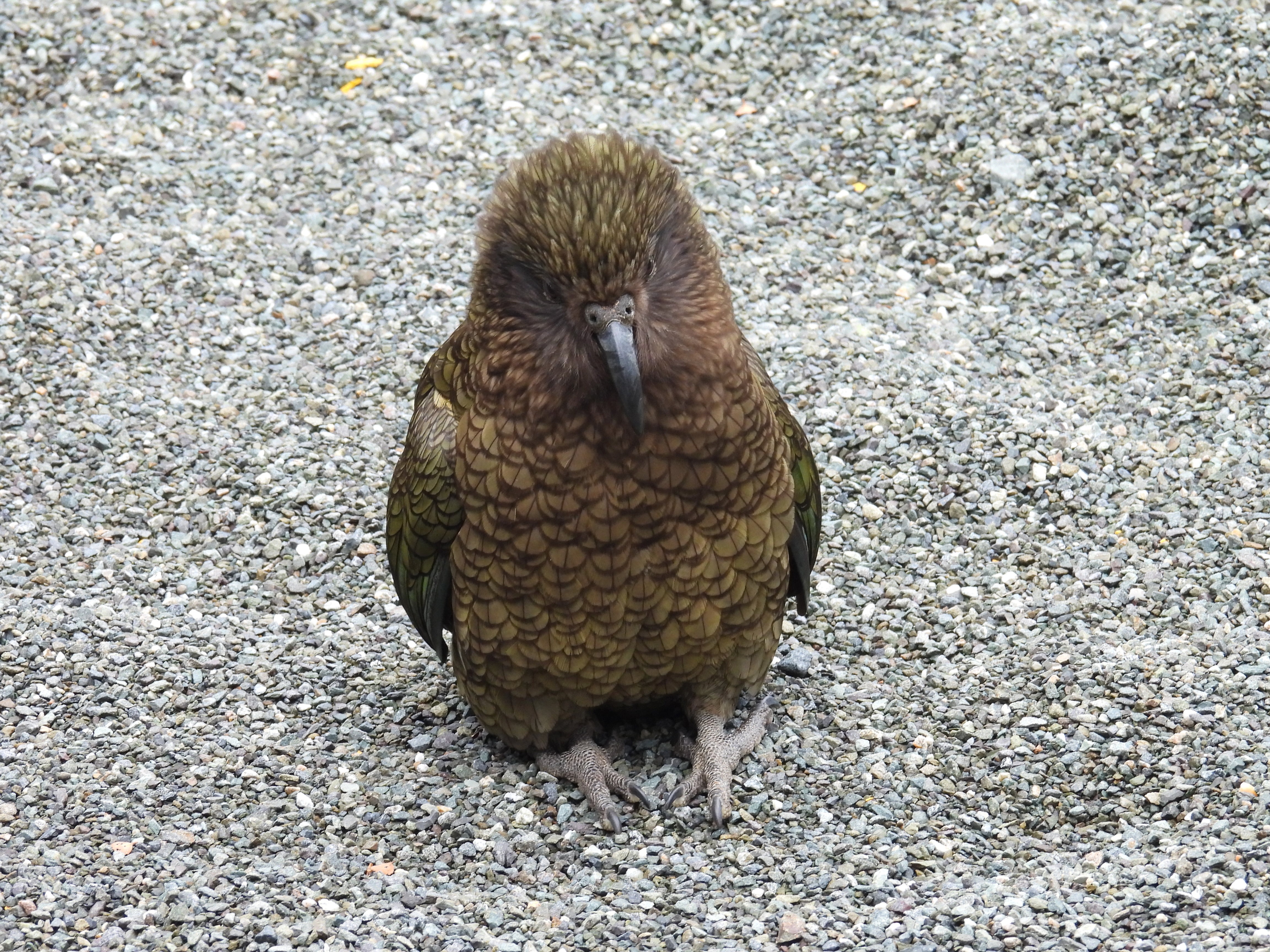
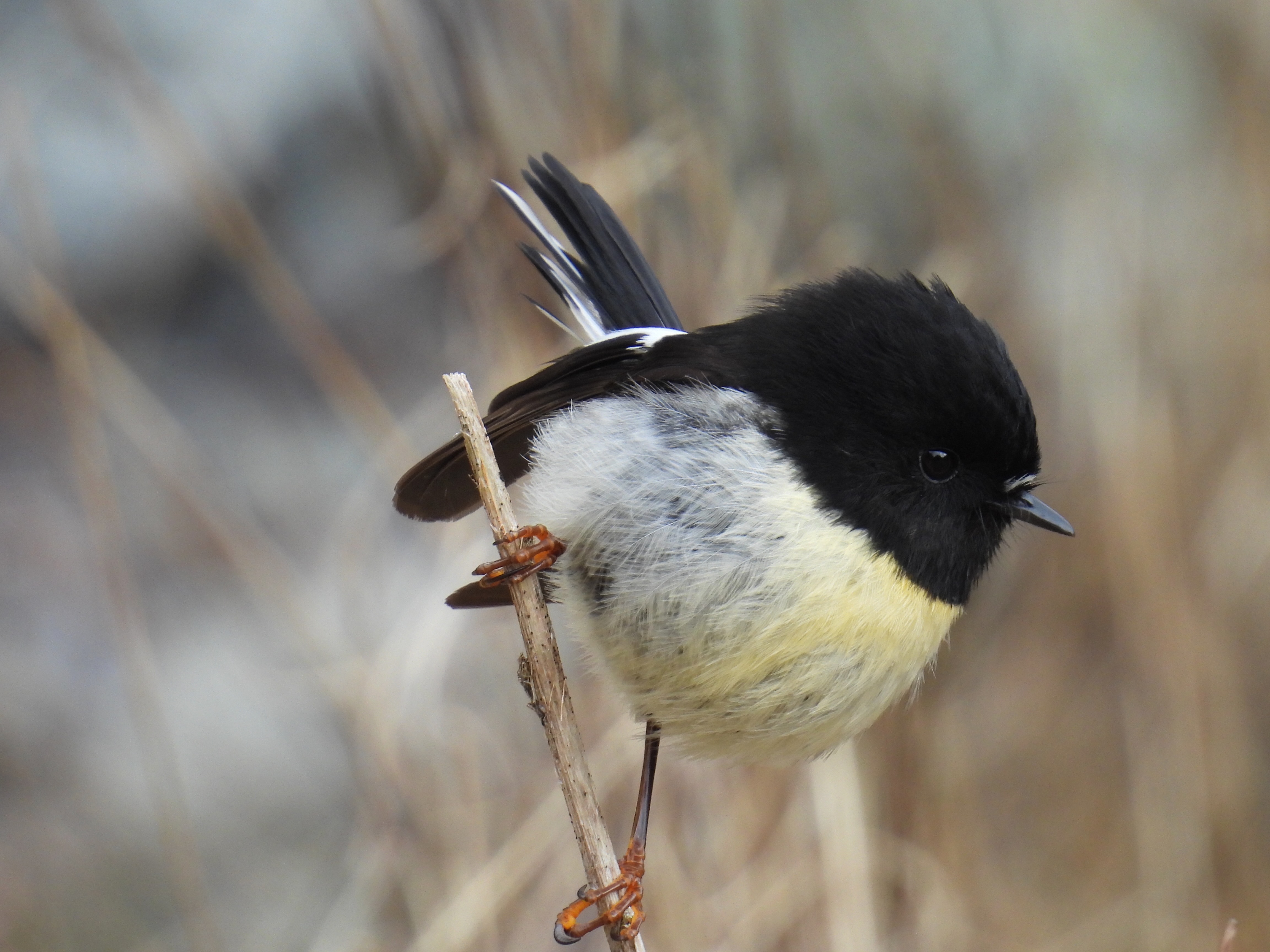
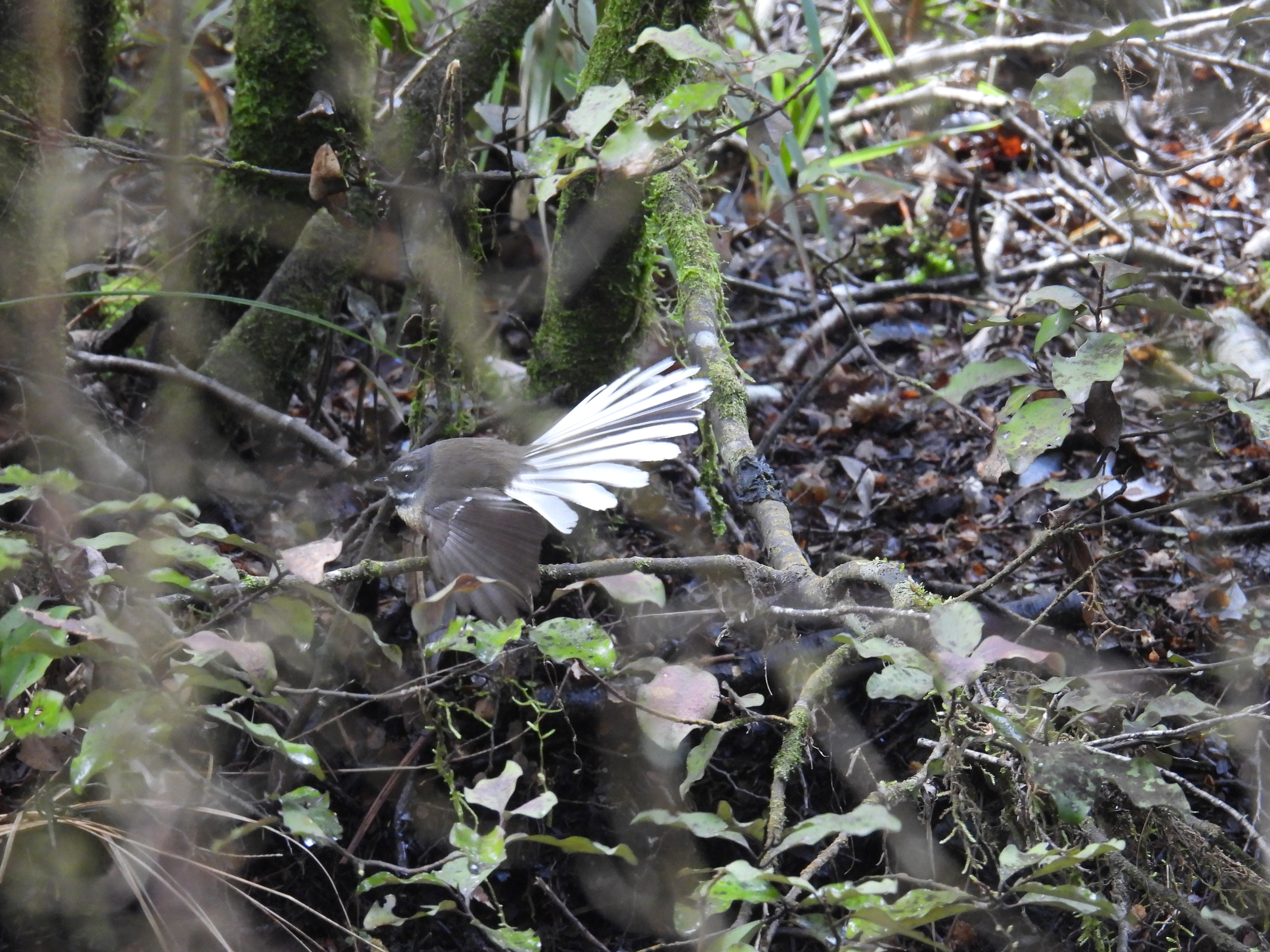
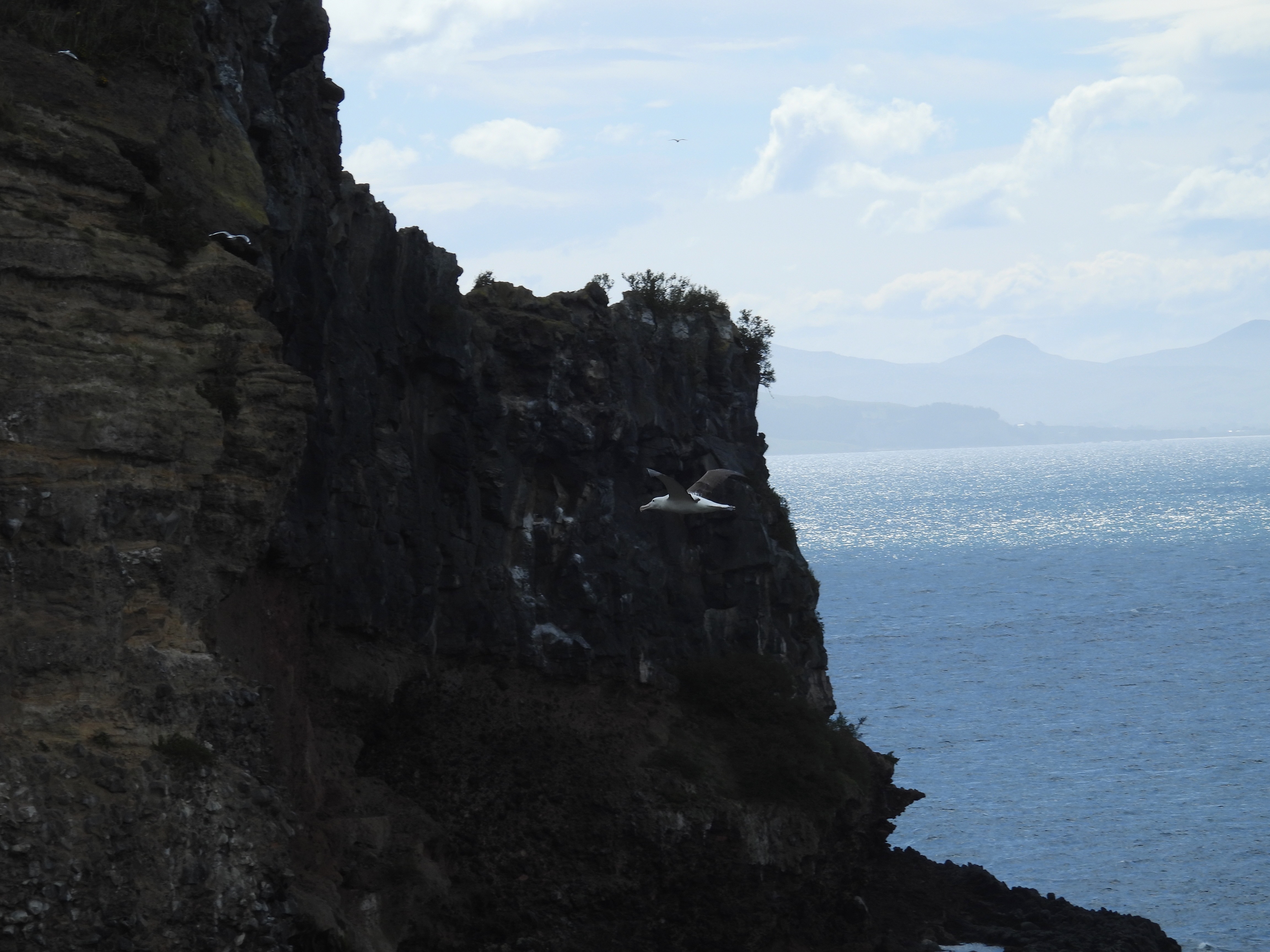
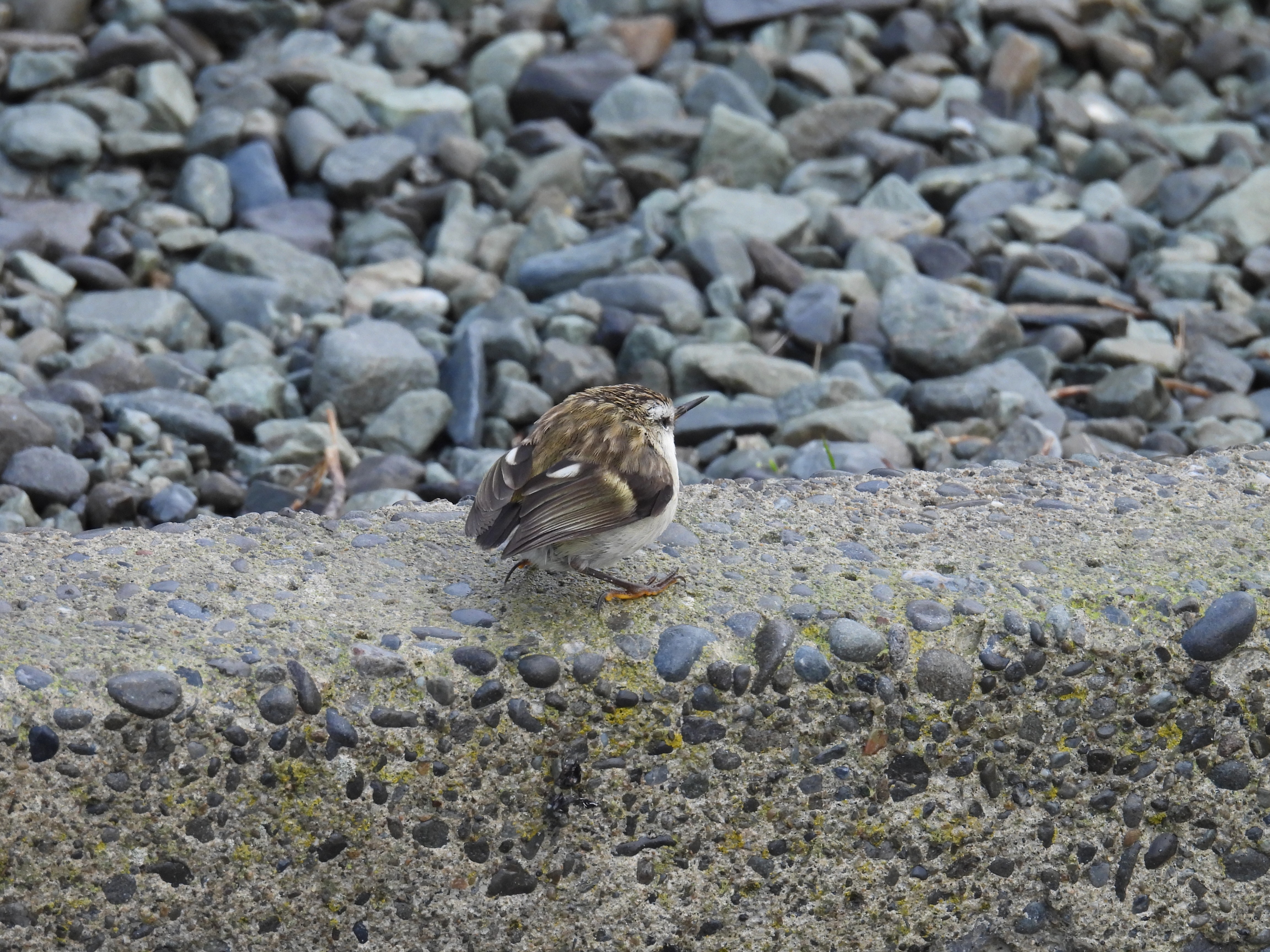
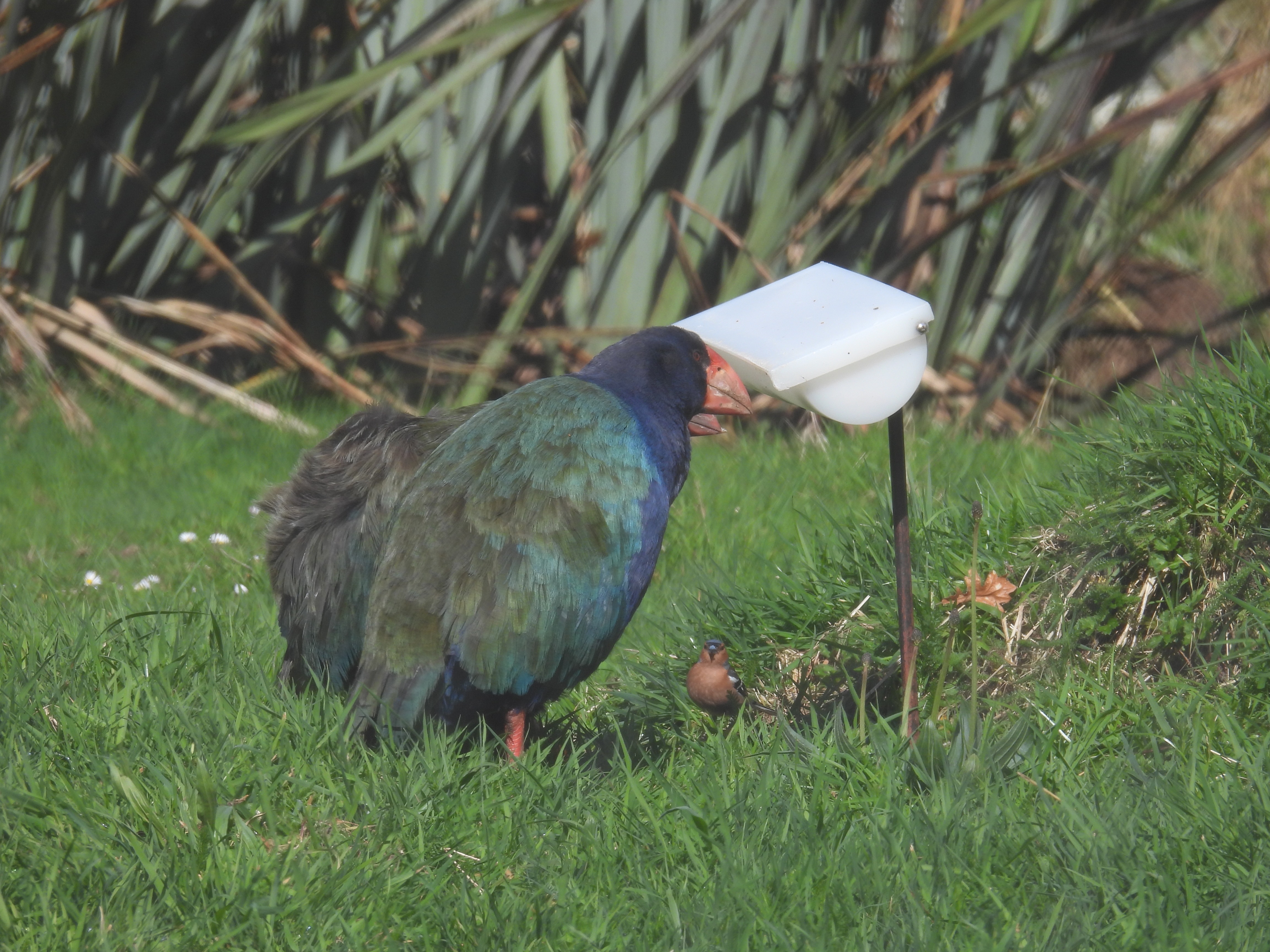
I did most of my birding on that new zealand trip. Unfortunately the little blue penguins were the only penguins we saw - no crested aka Fiordland penguins or yellow-eyed penguins, but still saw a lot of other cool birds.
Spotlight Bird: American Coot (Fulica americana)
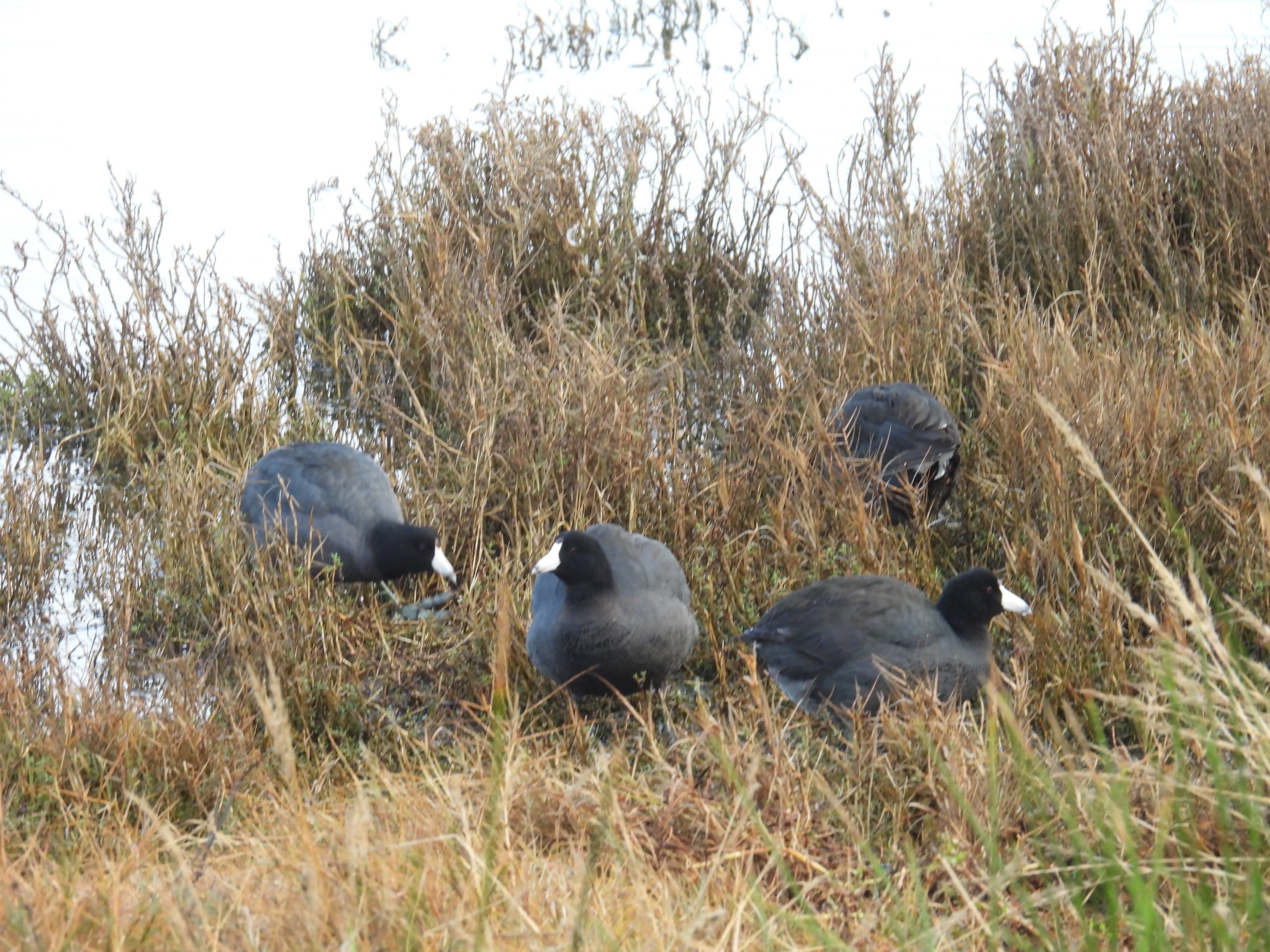
This month's bird of the month is the american coot. We saw plenty on this month's walk. They're overshadowed this time of year by the cool migratory water birds we get but they're still cool and we shouldn't take them for granted too much.

Fun American Coot Facts:
- you can find them at most of the lakes and ponds in the city
- i've never seen a coot chick but they can actually be pretty colorful unlike the adults. The parents show preferential feeding to the most colorful chick and the reason is actually kind of interesting - apparently the later a chick is hatched the more colorful it is and also the more likely it needs this preferential treatment. So this preferential feeding is not pretty privilege it's actually an example of giving to those who need it most:) Check out the study here or you can read this article that summarizes the finding.
-
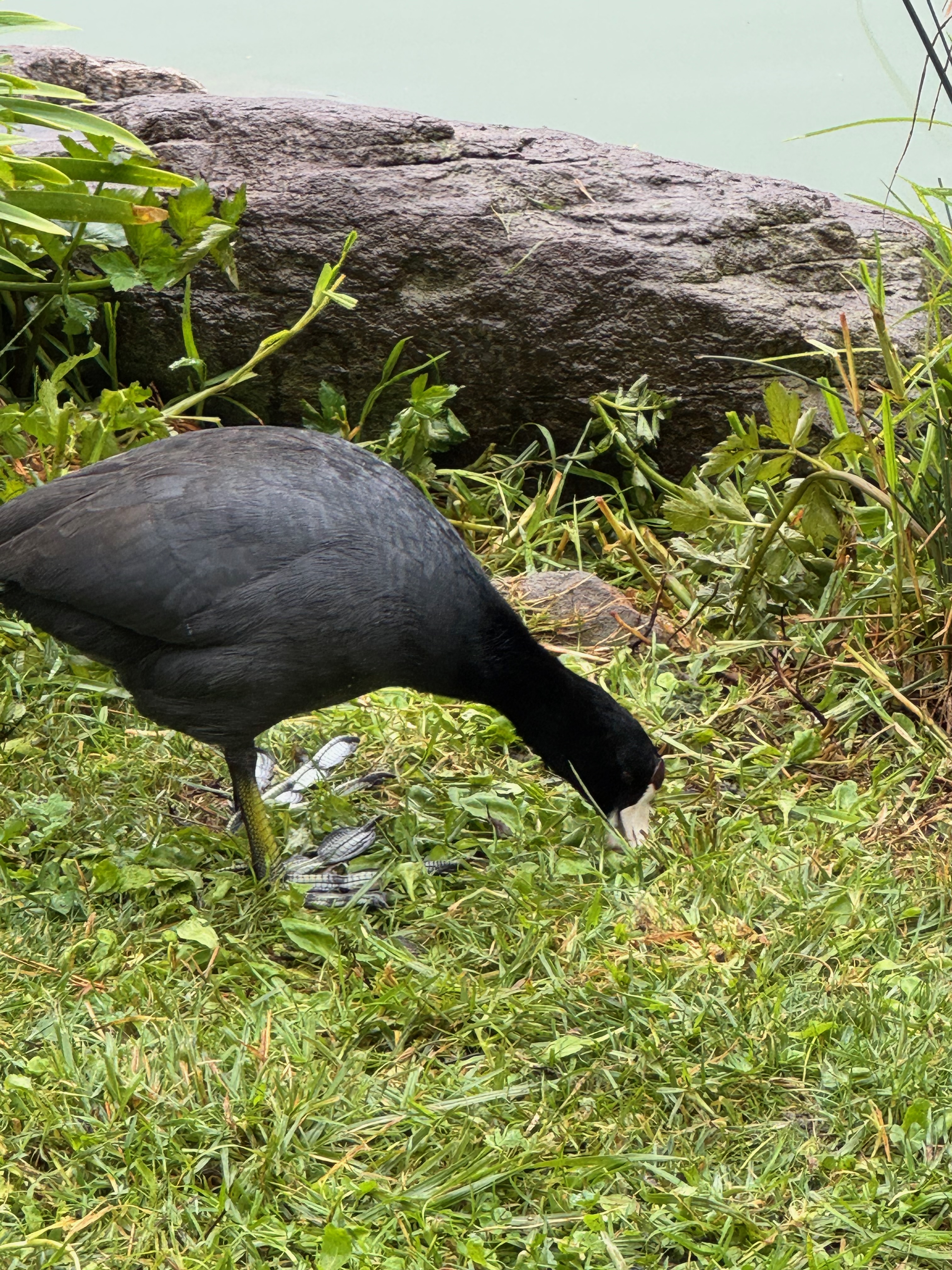
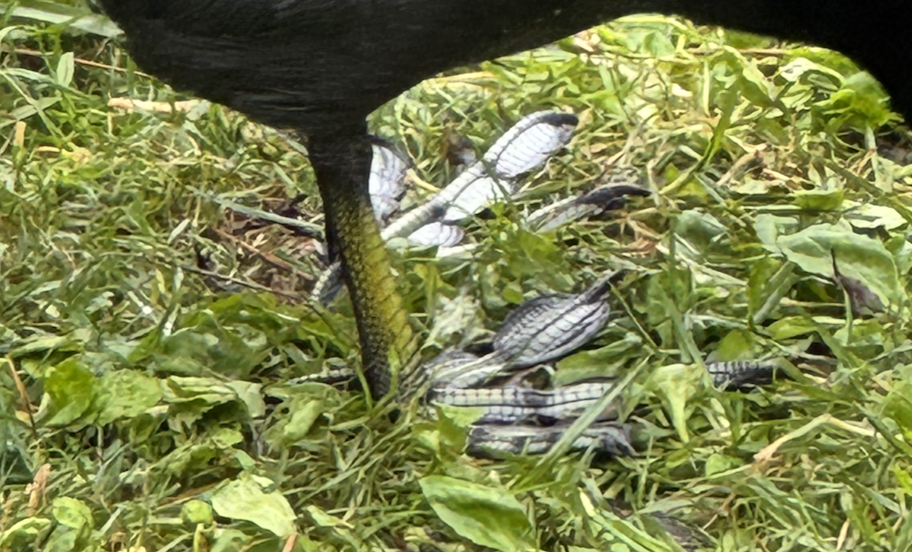
their feet are gangly and weird looking check out this zoomed in pic of the photo from our bird walk
- coots can be subject to "conspecific brood parasitism" which means a female coot will lay an egg in another female coot's nest. This is unlike interspecific brood parisitism like the classic cuckoo example. Anyways coot moms have developed methods for finding the imposters such as using hatch order. Check out this study to read more
- they sometimes make a weird grunt sound
- they mostly eat plants
November Bird Walk
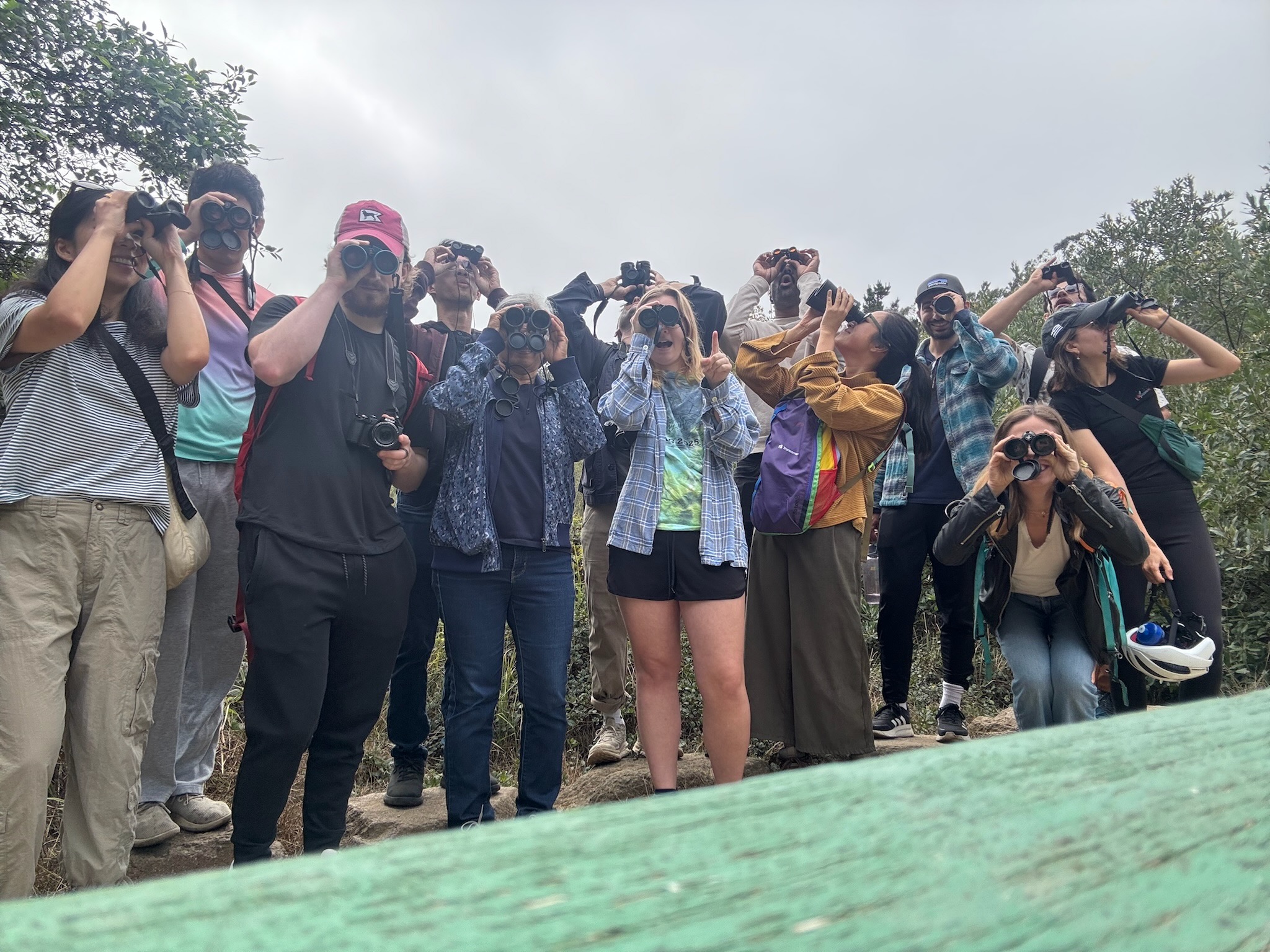
Time to look for some more cool migrants and winter residents.
The birding walk will be on the saturday morning of november 15th.
We'll switch it up a bit and head to the marina this time and walk around crissy field marsh.
Head to the partiful link
to rsvp. Hopefully the only rain of the month isn'd during our bird walk like last time :0
Closeout
That's all; happy birding