September Recap
In case you missed it you can find last month's newsletter here: september newsletter
September bird walk
In September we birded the chain of lakes in GGP starting with middle lake and finishing up at north lake.
There were many highlights including the common yellowthroat, the downy vs nuttals action, the warbler activity, and the green-winged teal towards the very end.
I made a checklist.
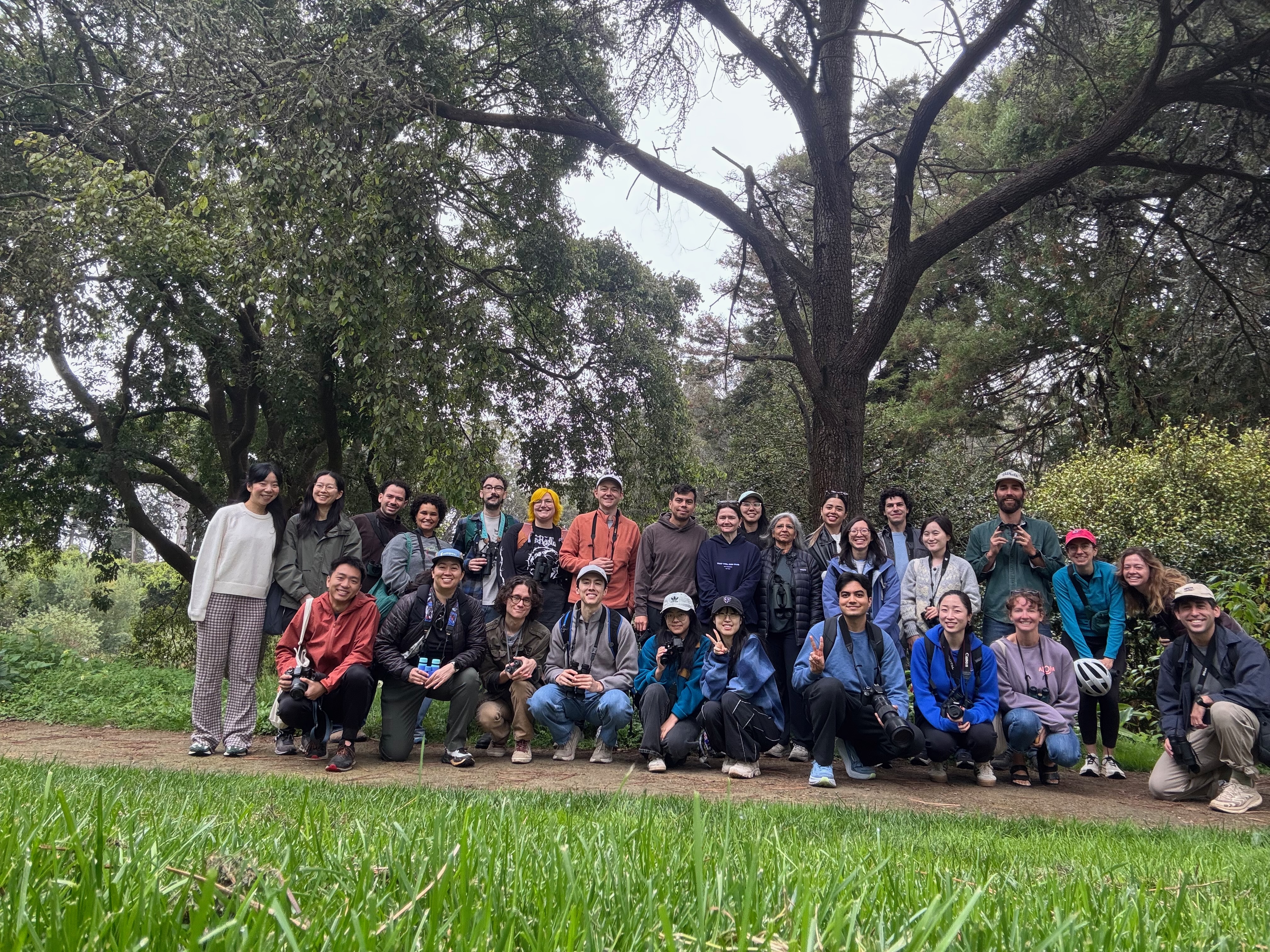
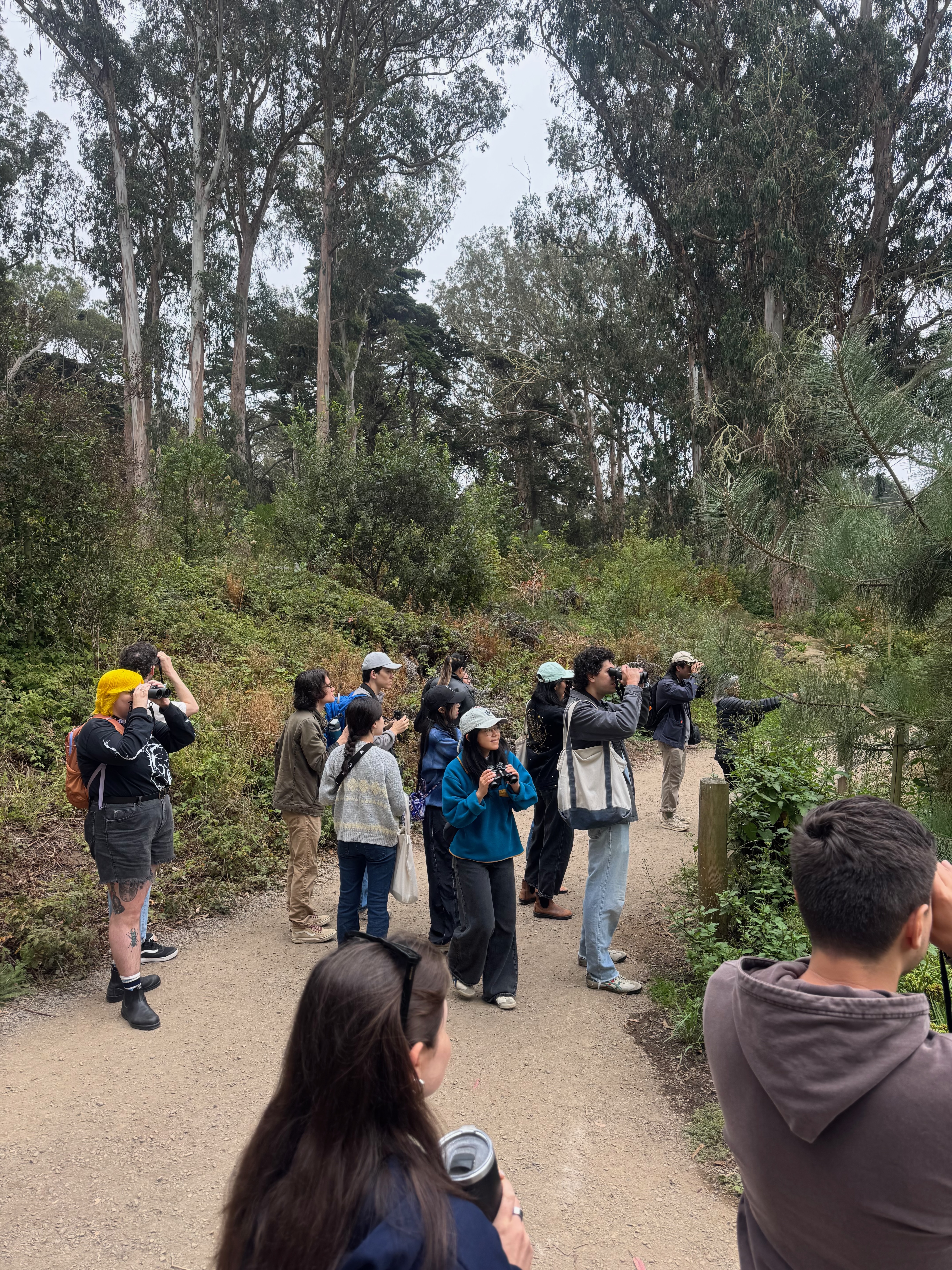
I took a handful of photos:
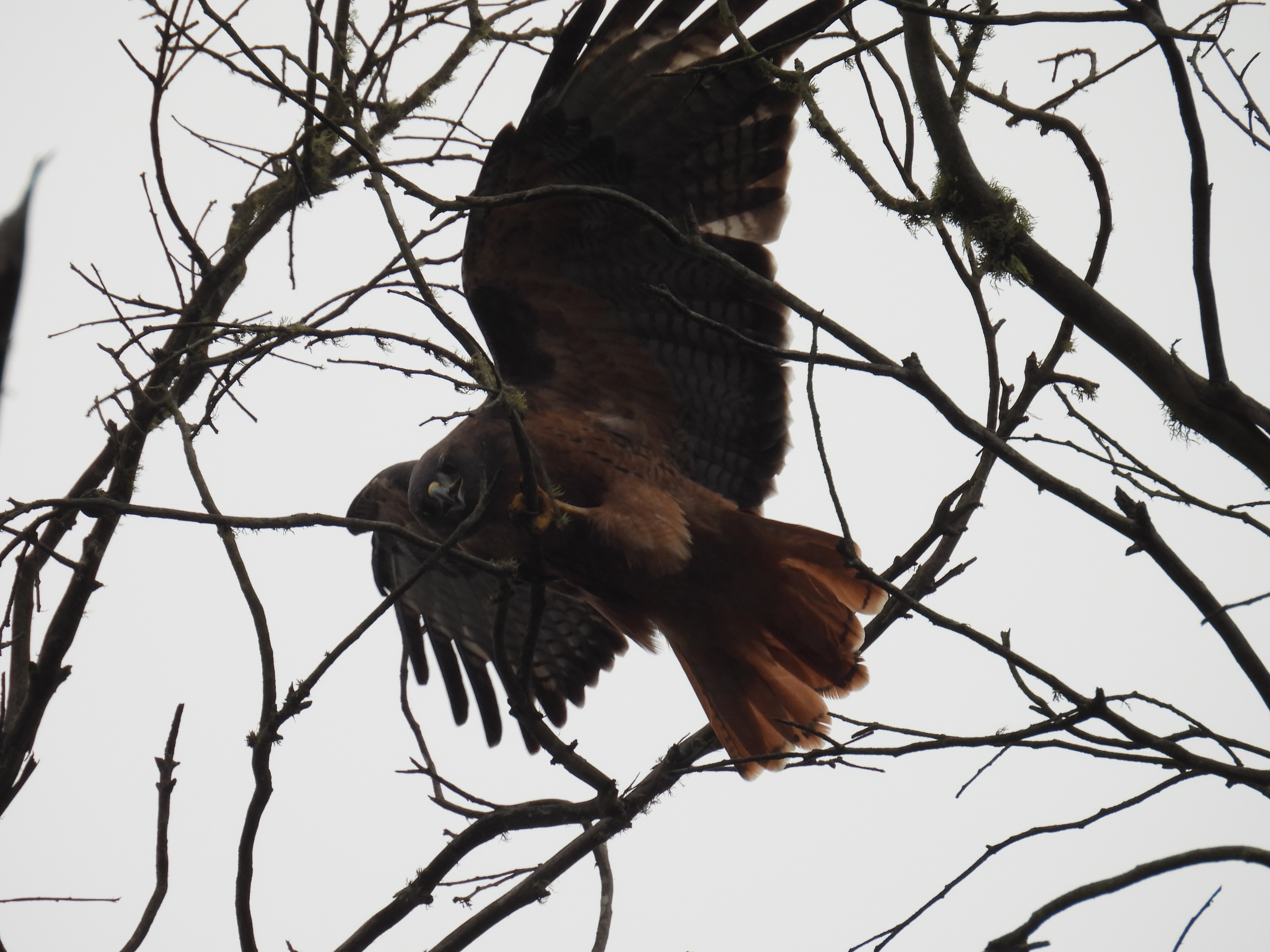
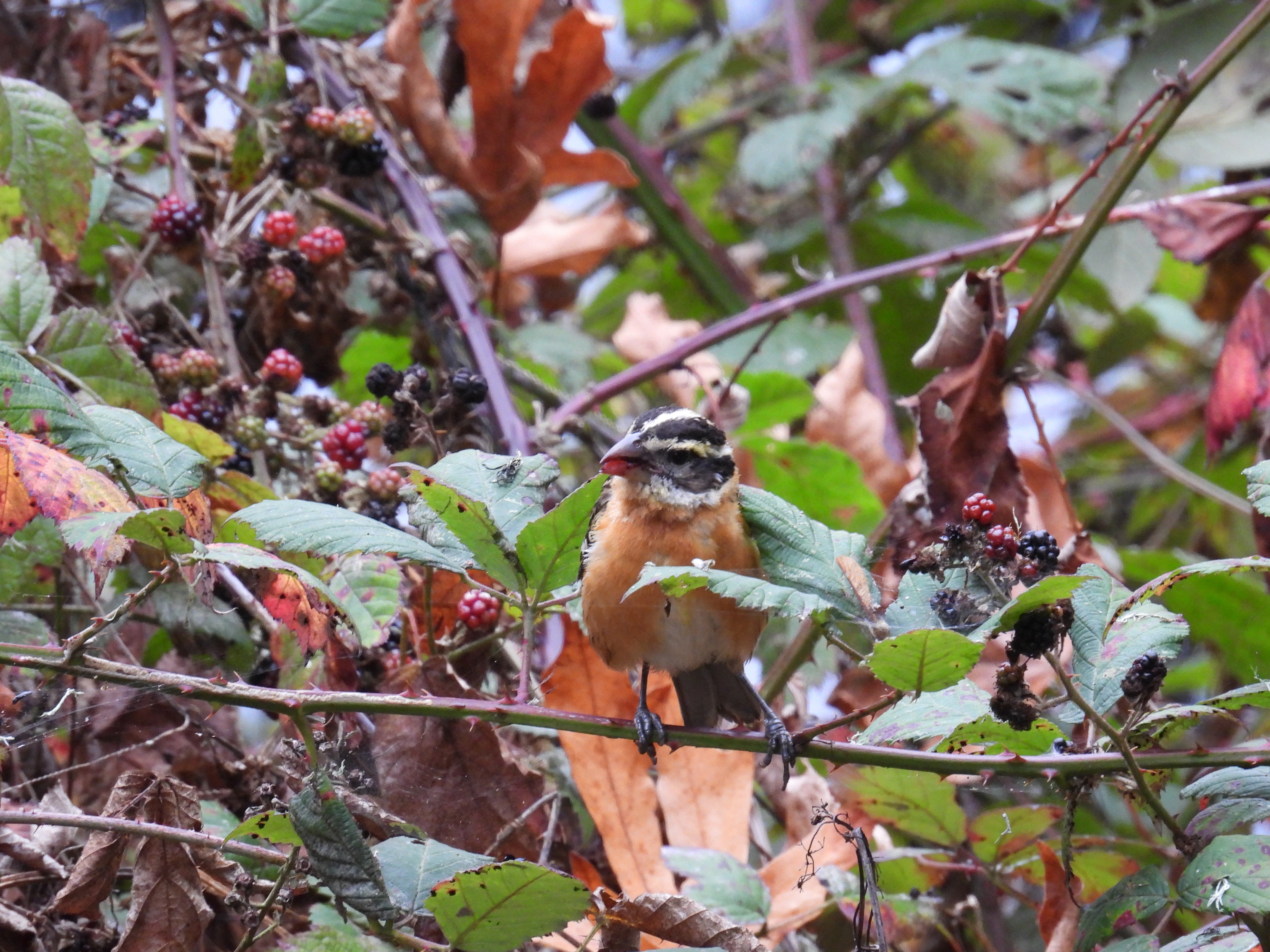
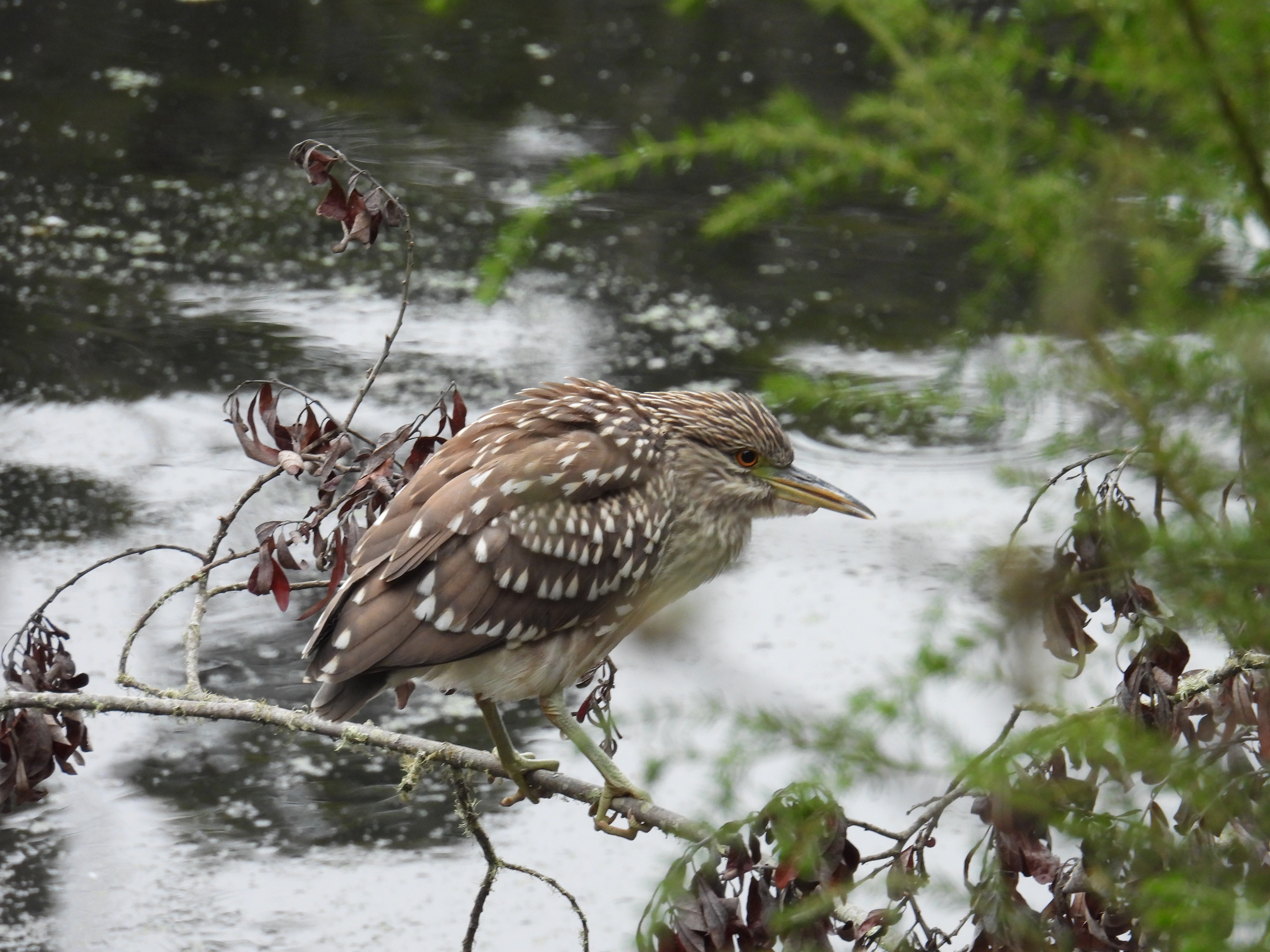
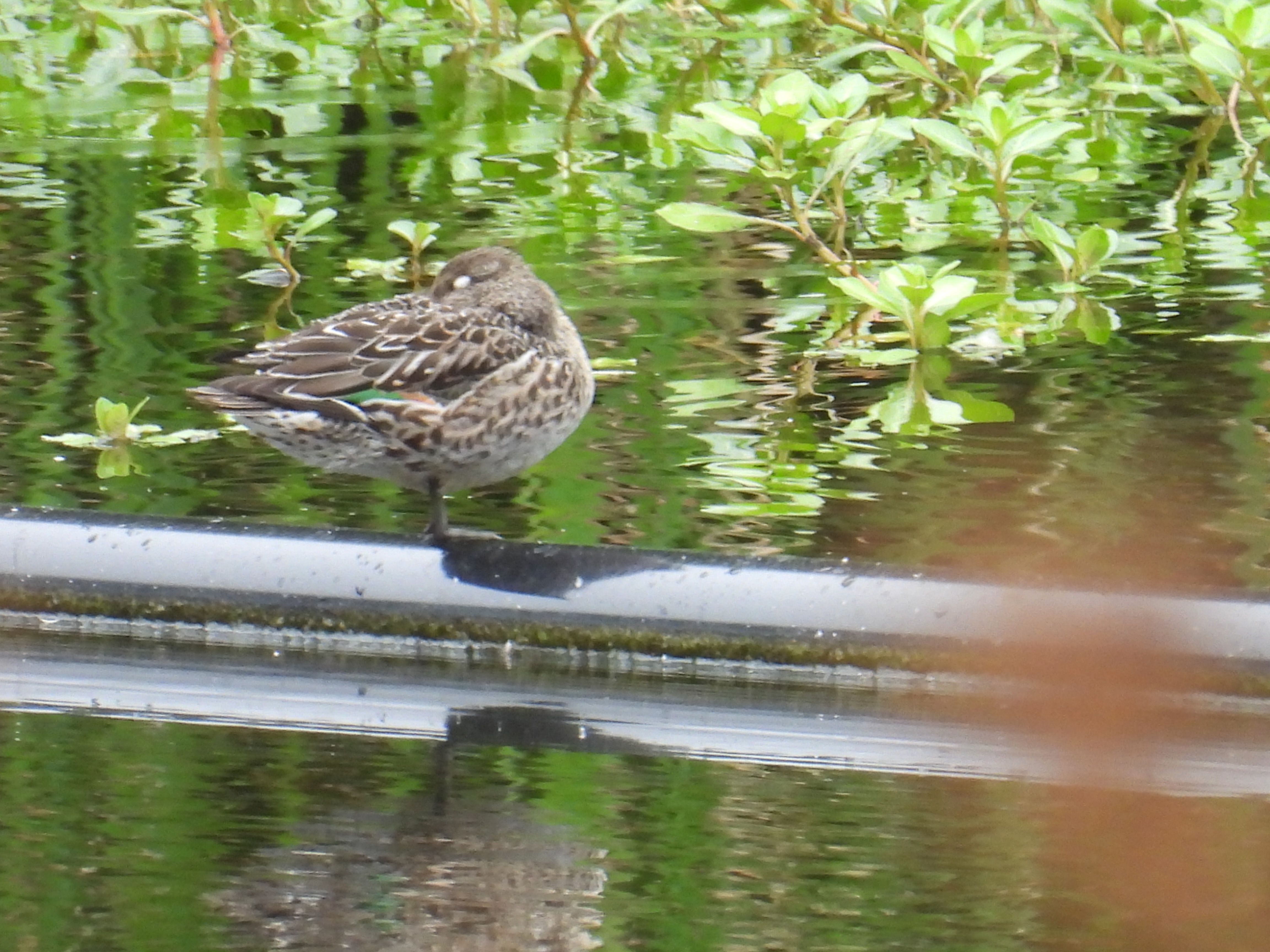
Thank you to everyone who came out!
October Bird Walk
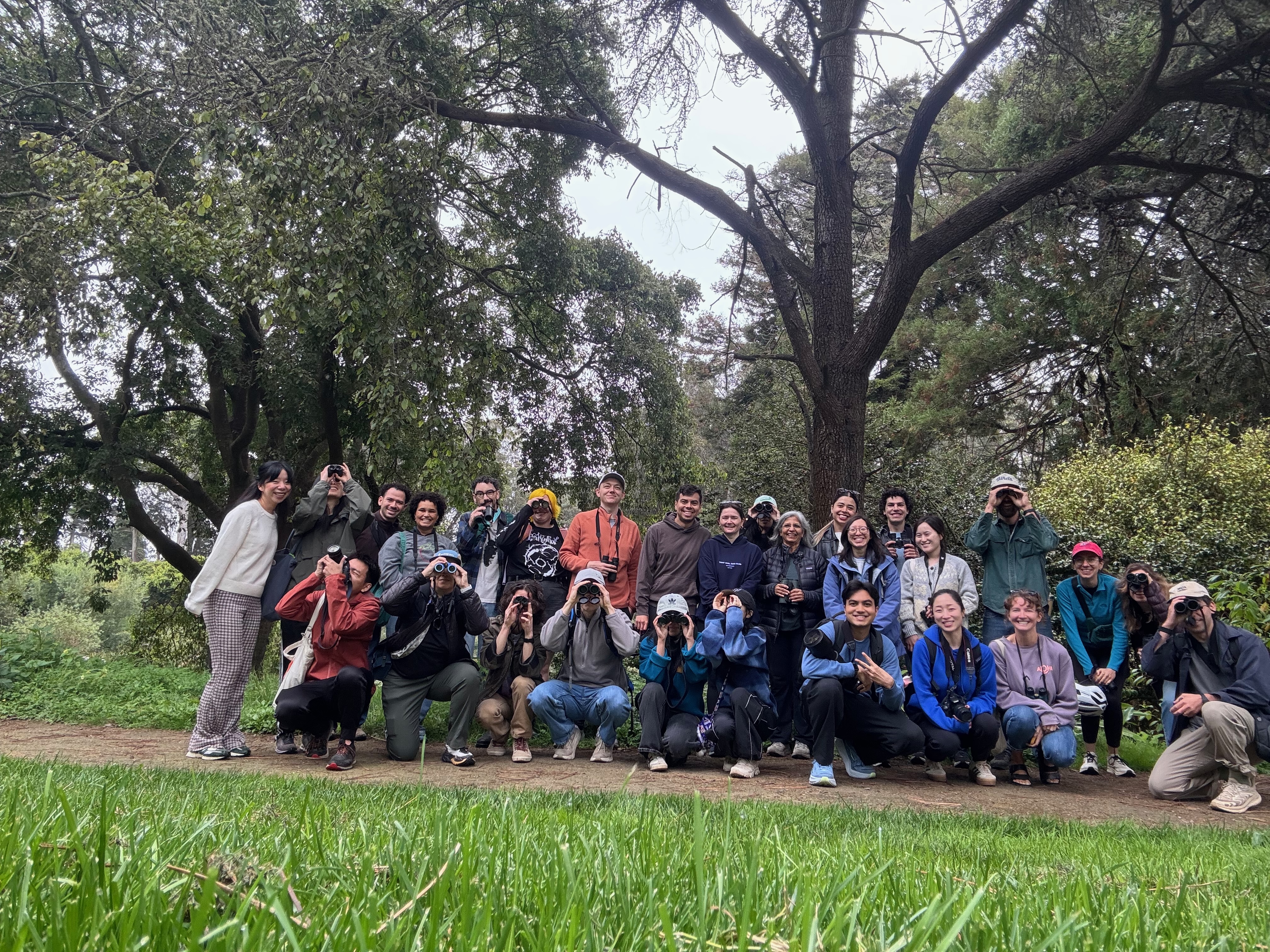
This month we're going to the Crissy Field Marsh.
Should be some cool birds!
We're going to get spooky and do the bird walk on the saturday morning of october 31st.
Head to the partiful link
to rsvp.
Spotlight Bird: Green-winged Teal (Anas crecca)
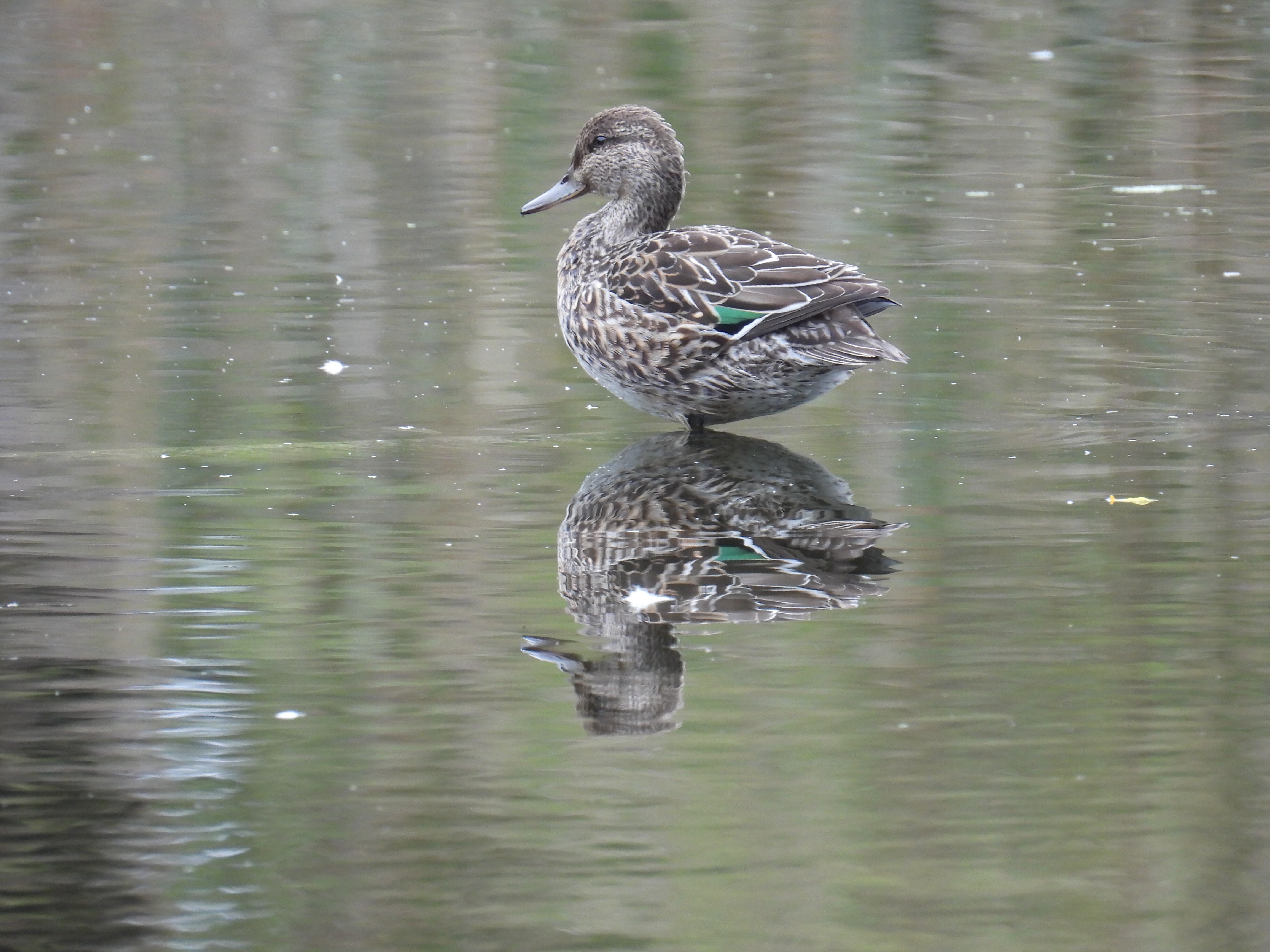
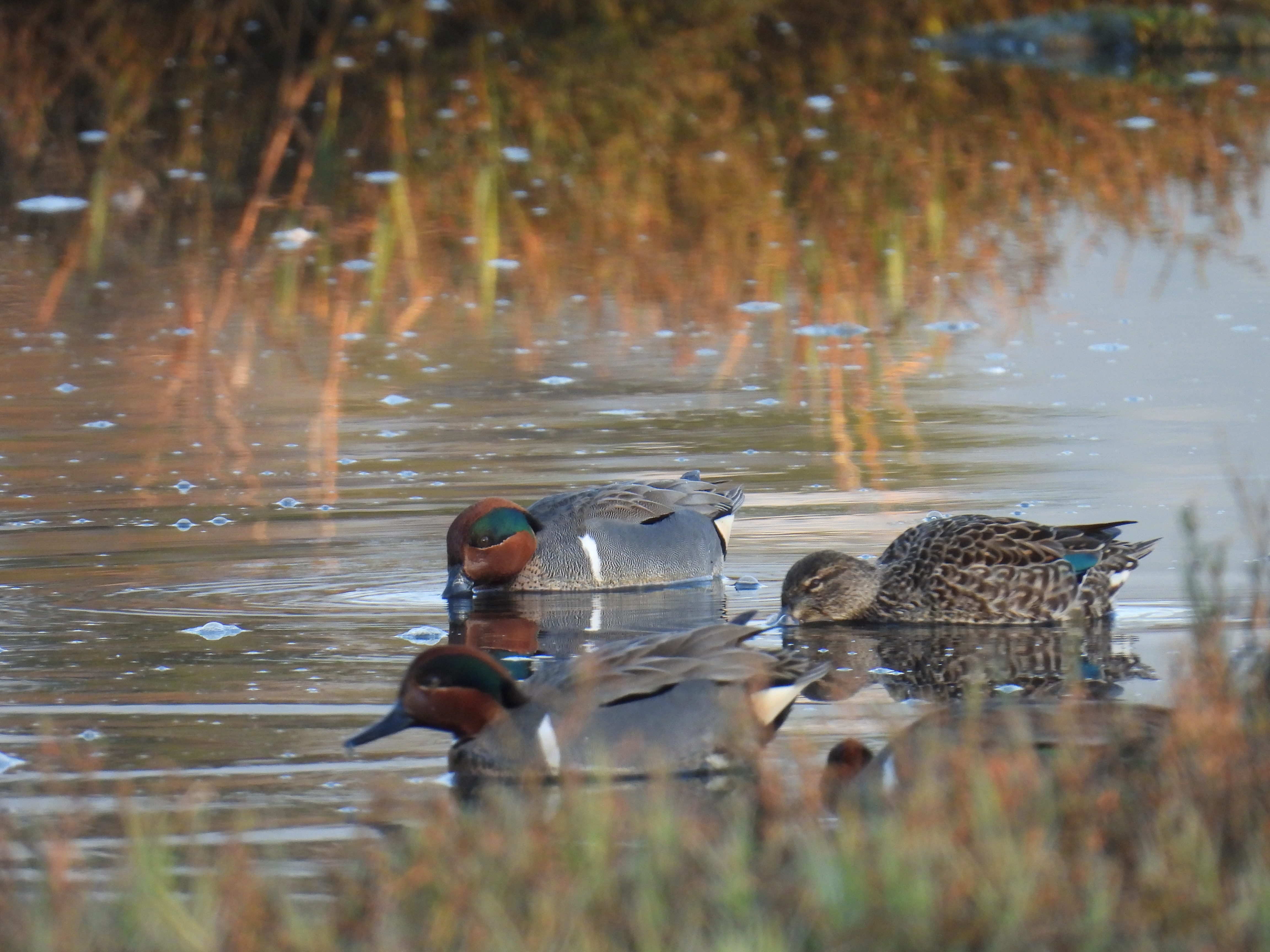
Though we didn't get the best look at the green-winged teal during our walk I still think it was a cool sighting, and duck season is approaching, so they make a pretty good bird of the month.

Fun Green-winged Teal Facts:
-
As you can see in the range map and in the bar chart for sf shown below,
the green-winged teal is one of the many cool ducks that show up for winter.

ebird weekly bar chart for sf - Anas is a pretty interesting genus. It includes mallards, which if you remember when we saw the teal it was on that pipe with other mallards and the female teal's plumage blended in pretty well with the female mallards albeit it was a good deal smaller in size. But the Anas genus does not include some of the other teals you may be familiar with, like the cinnamon teal. That's actually a fairly recent change. Anas was more formally split into 4 separate genus about 10 years ago depending on which body or list you look at. The proposals for these things are pretty interesting and this one stemmed from a couple phylogenetic studies. Here is the proposal to the American Ornithological Socitey (AOS) - jump to the section "Revise the generic classification and linear sequence of Anas" because this doc is long and has other proposals too. Here is a more condensed way to look at the proposal in this one for the South American Classification Committee
- Depending on who you ask they are either conspecific (the same species) as the eurasian teal, or they are heterospecific (different species). Europe split them about 20 years ago but the Americas have kept them lumped and it seems like the current consensus is that they really are conspecific
-
Here is a cool fact from cornell's all about birds overview page:
Green-winged Teal sometimes switch wintering sites from year to year. One banding study found that individuals wintering in Texas one year went as far away as California in subsequent years. This lack of philopatry, or “faithfulness” to a particular site, may reflect the tendency of males that did not breed the year before to try to find mates among a different set of wintering females.
Sometimes you read about bird behaviors and it is difficult not to anthropomorphize them :0 - They are the smallest dabbling ducks in north america:)
Last Month in Birding
Thought I'd start including some short blurbs and commentary on bird stuff.
Duck Stamp Art Competition
If you were there at the end of the walk we discussed the federal duck stamp competition. It is tied to hunting which may seem controversial in a birding newsletter, but it is also very effective at conservation. I suggest going down the rabbit hole and learning more about the competition and the Hautman brothers; it's pretty interesting. This year one Hautman got 1st and another got 3rd, though it was refereshing to see the young Madison Grimm take 2nd.

If you want to see all the entries check out the full album on flickr. They also livestream the voting and results, here is the 2nd and final day of it. Maybe next year we sponsor some sfbirding.org entries. I've seen what we can do (exhibit A, exhibit B).
Rare Bird Alerts
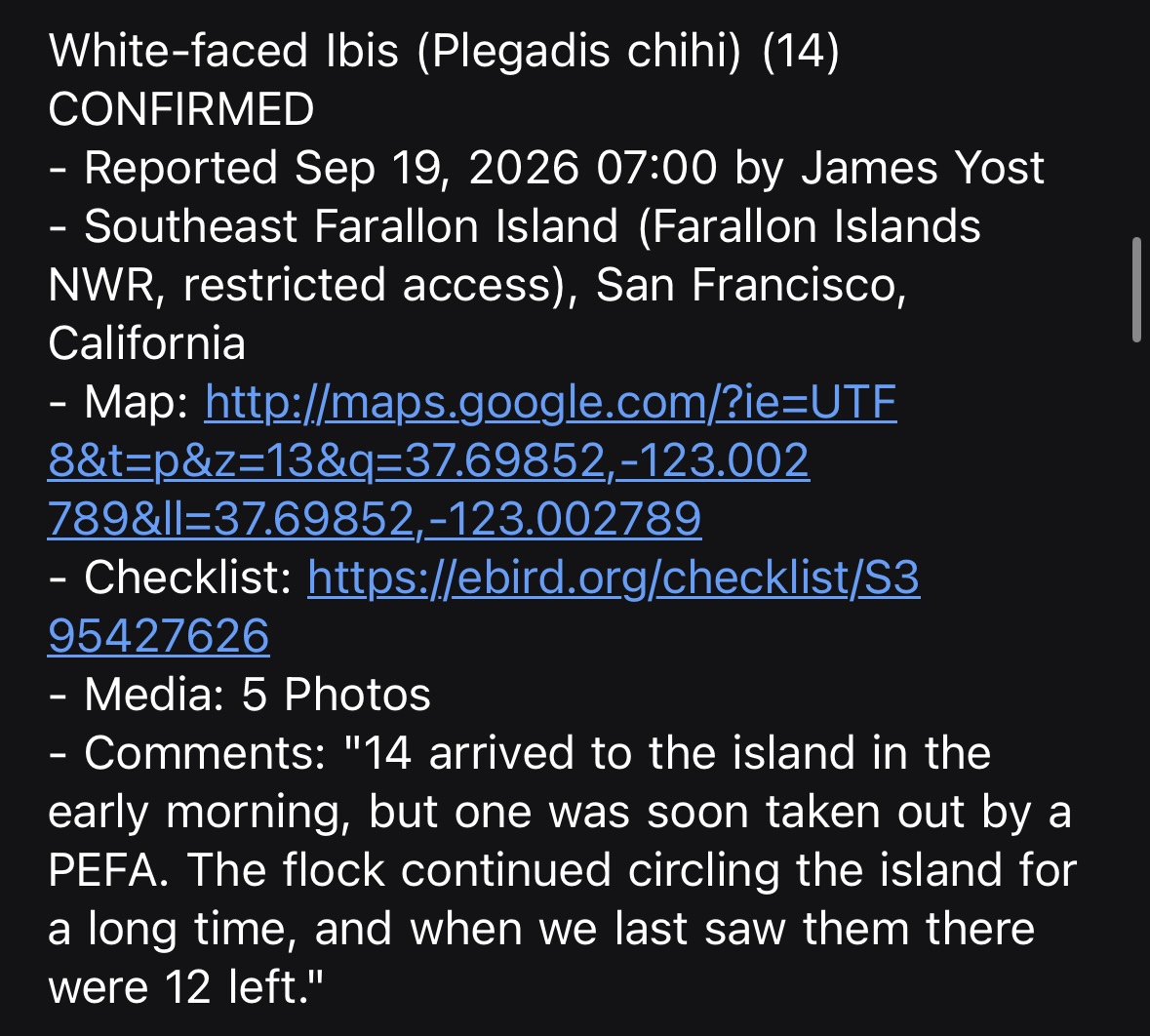
Even if you don't spend time chasing rarities, I myself have not caught the bug too much, signing up for ebird alerts can help build an understanding of patterns and trends. For example there have been sightings of Clark's nutcrackers and other montane species venturing out from the mountains. I'm not sure if it is known why but it's probably not because of anything good:( The alerts also have interesting tidbits in the sighting notes. For example check out this one from James Yost on the Farallon Islands!
Member Submissions
Thank you to everyone who sent me photos of the birds they saw!
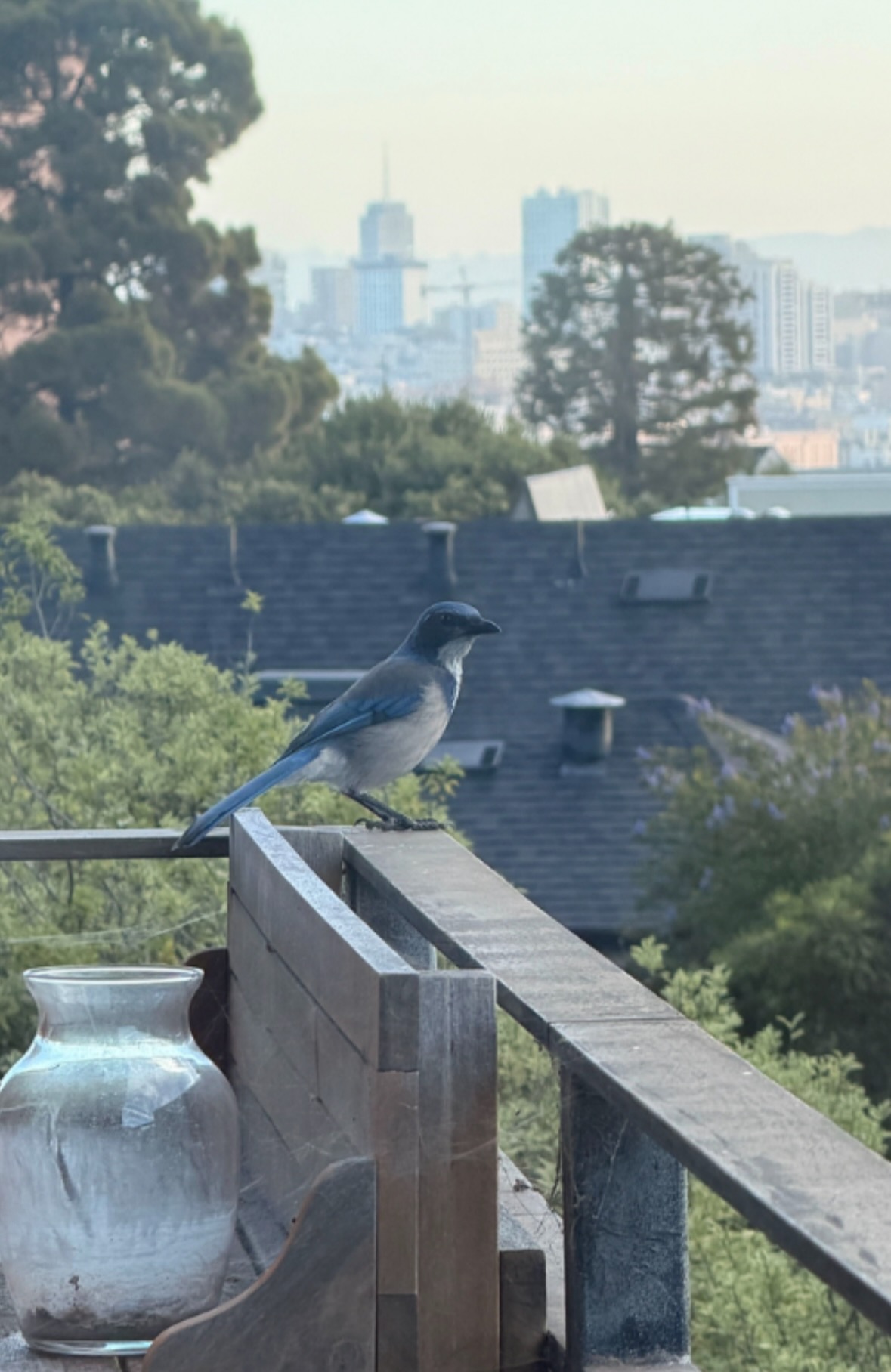
To lead us off Farhan saw a scrub jay.
Next up Janet and Carol had an eventful morning run in GGP
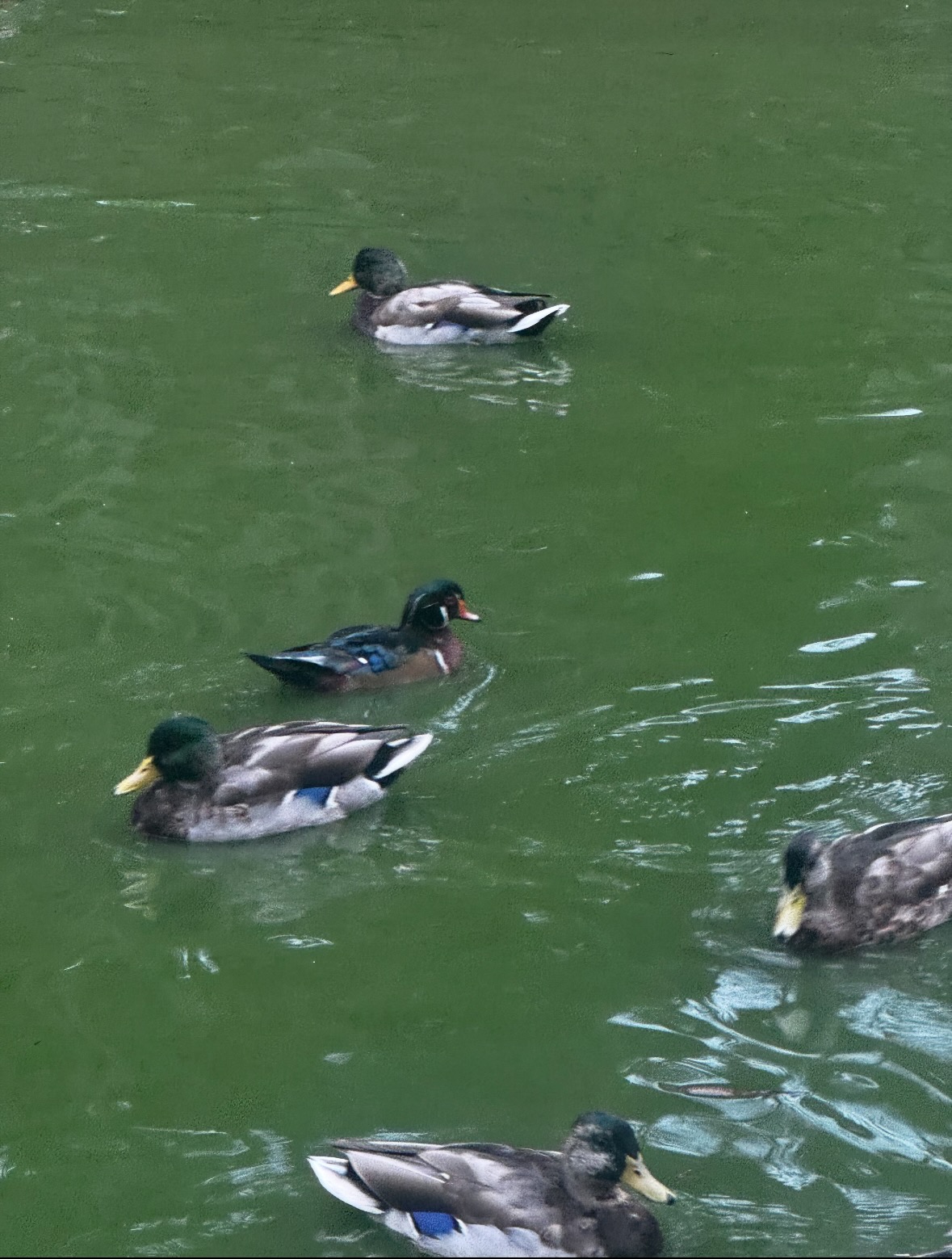
Adam found some cool ones
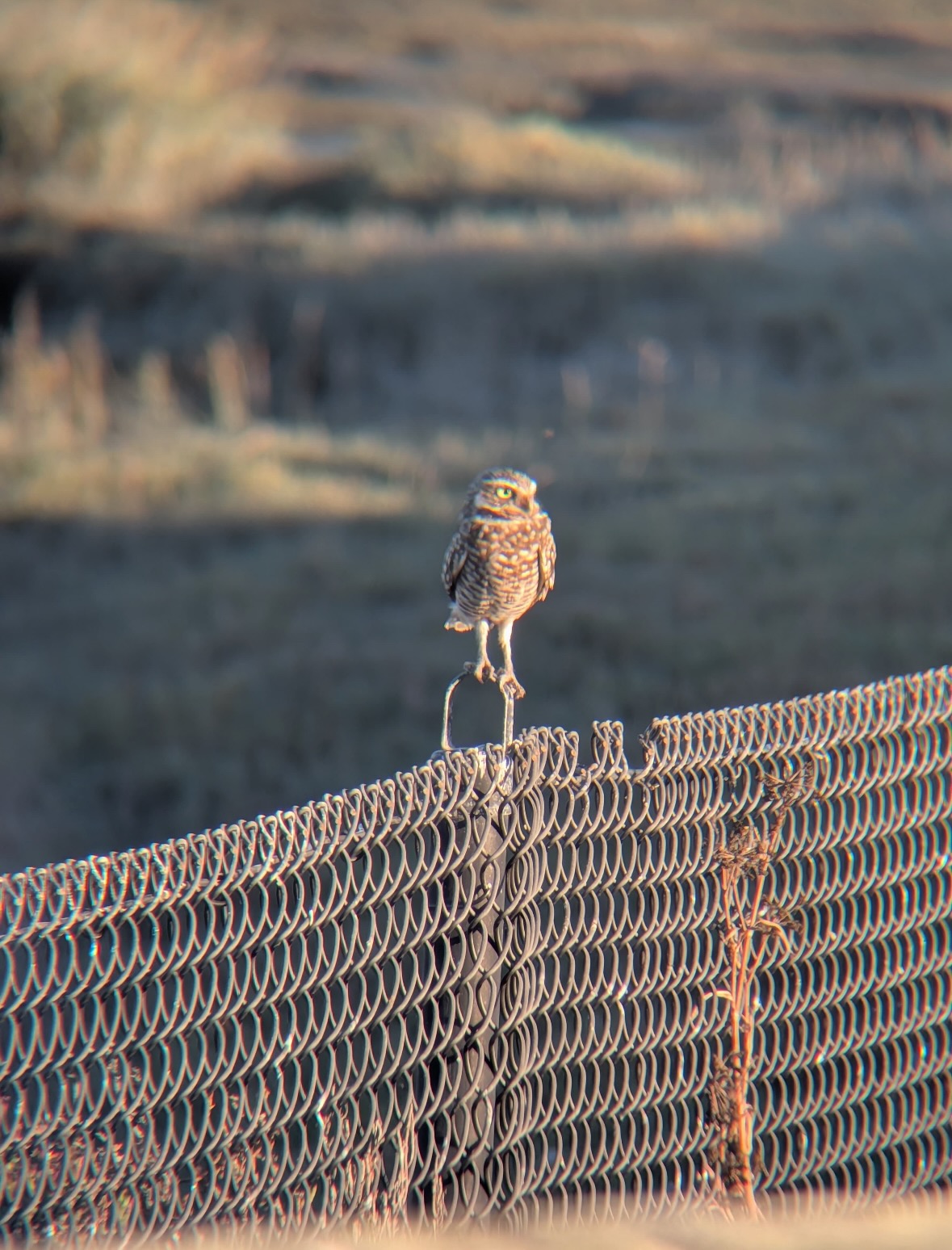
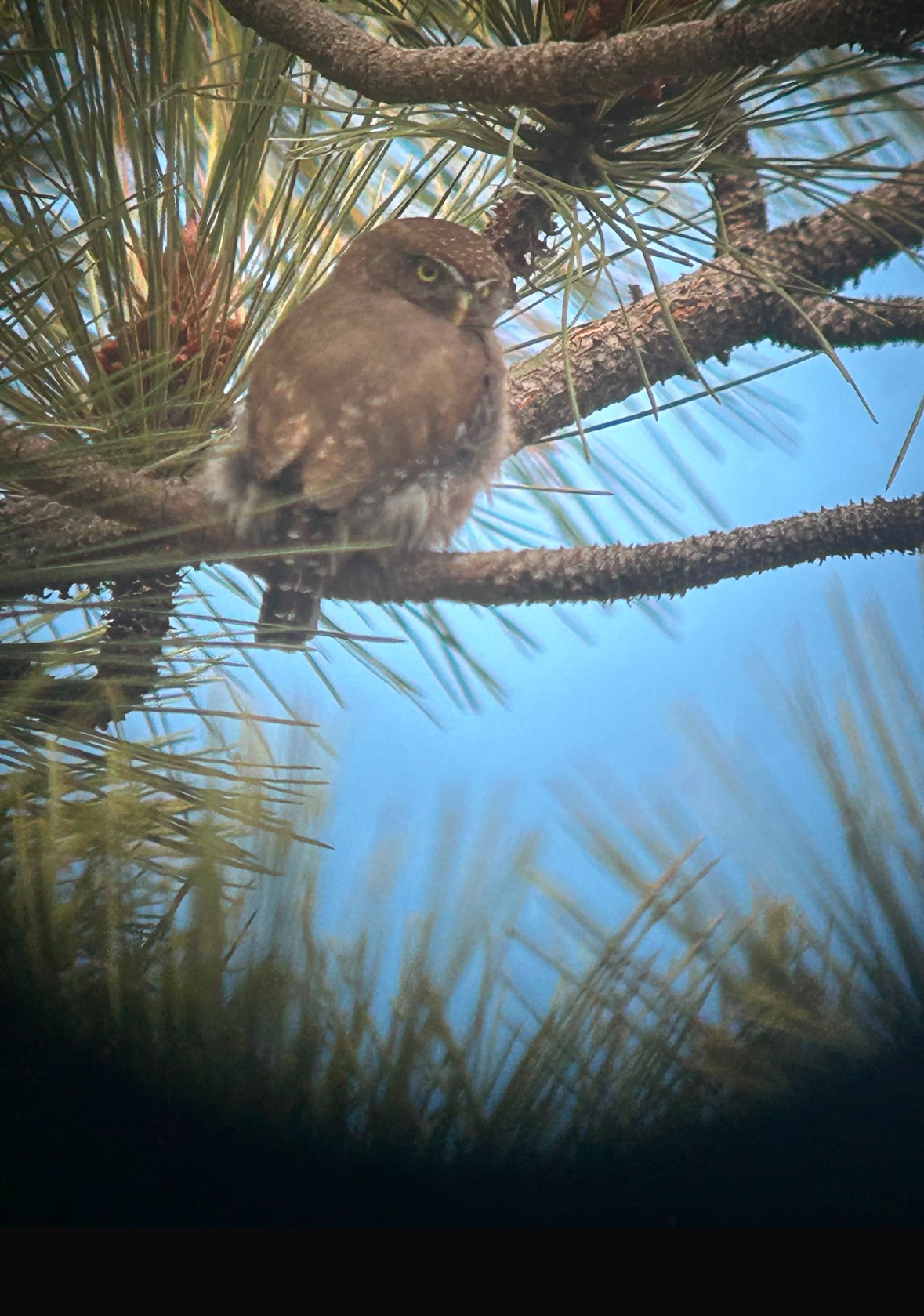
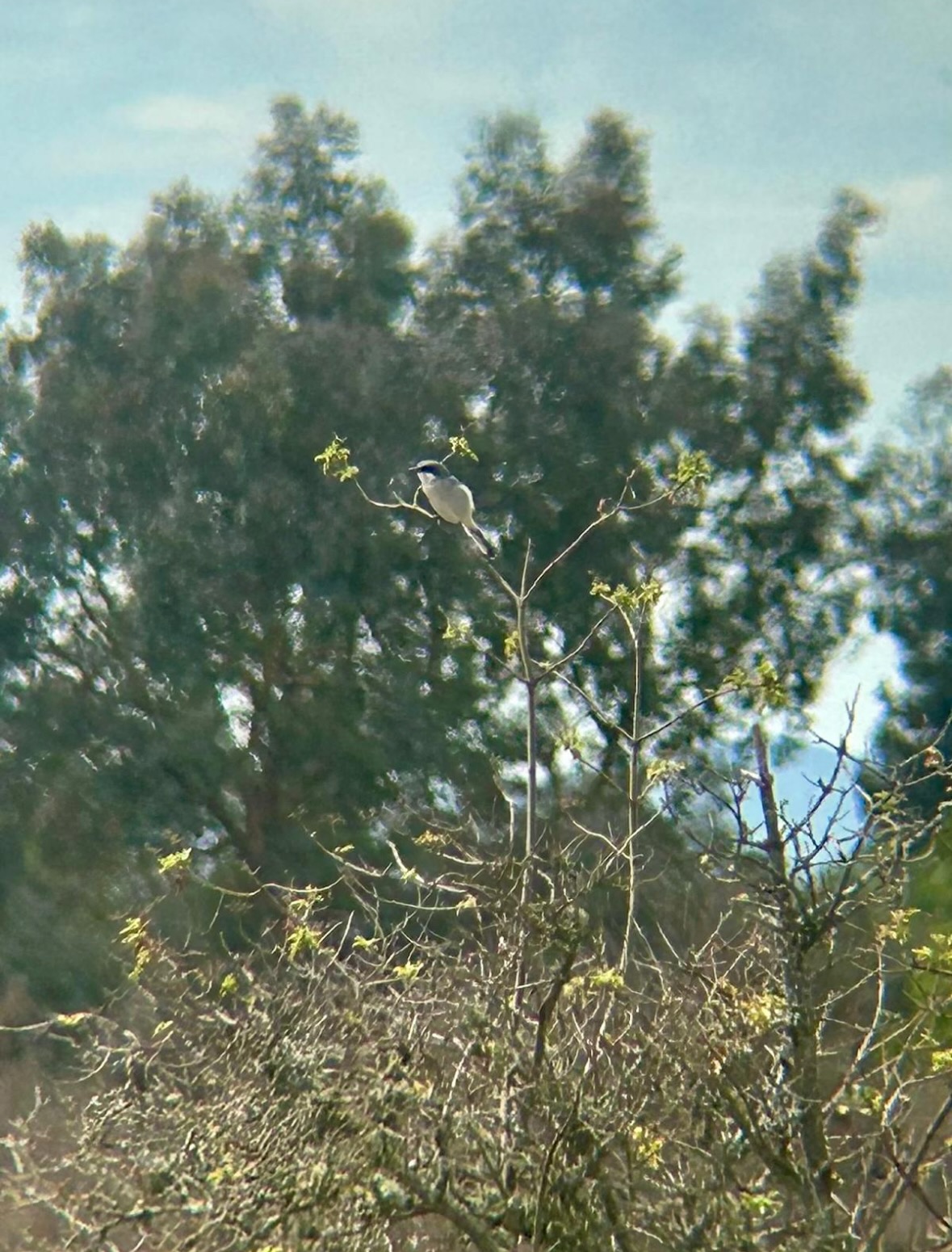
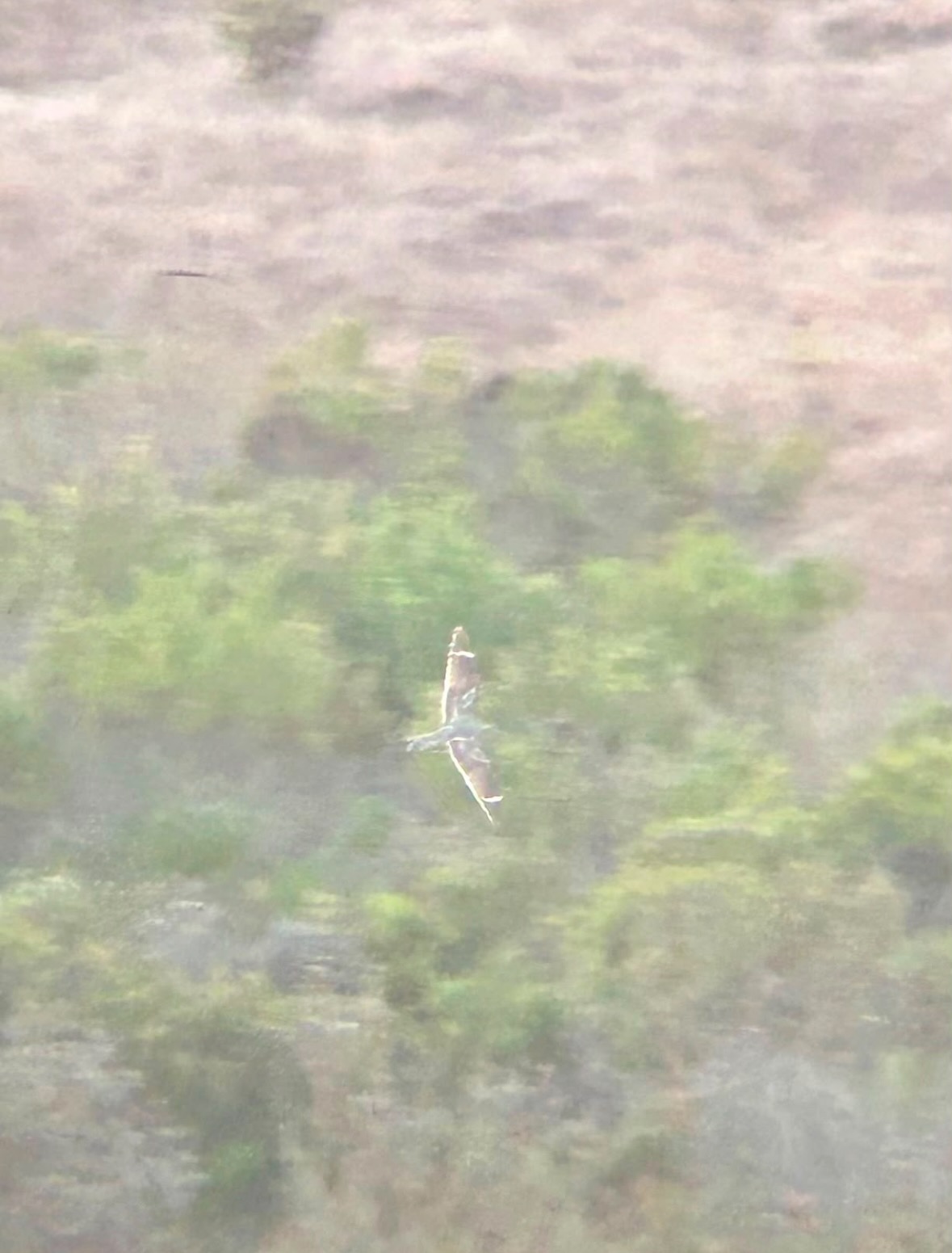
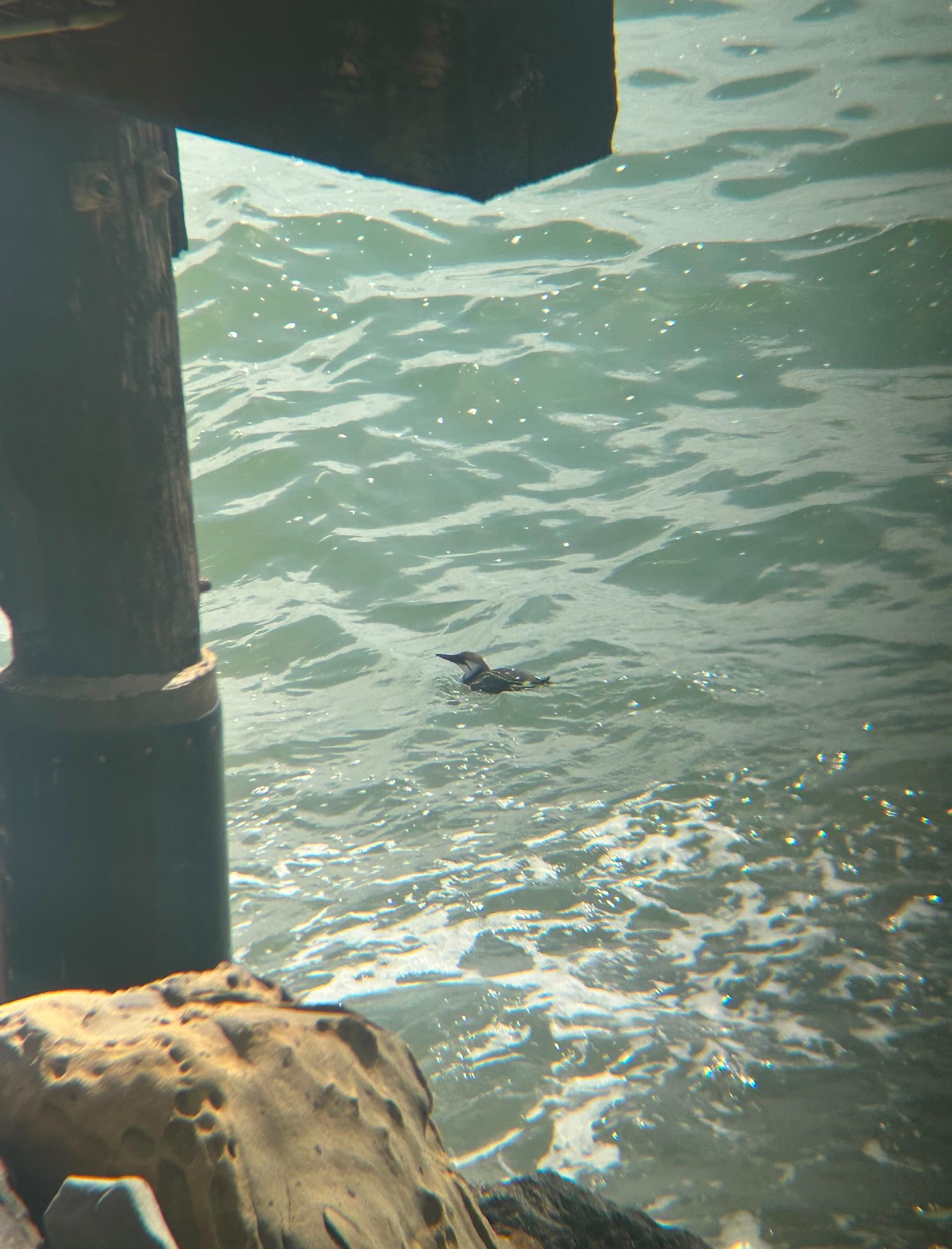
Dom had some very cool sightings down in Santa Barbara County
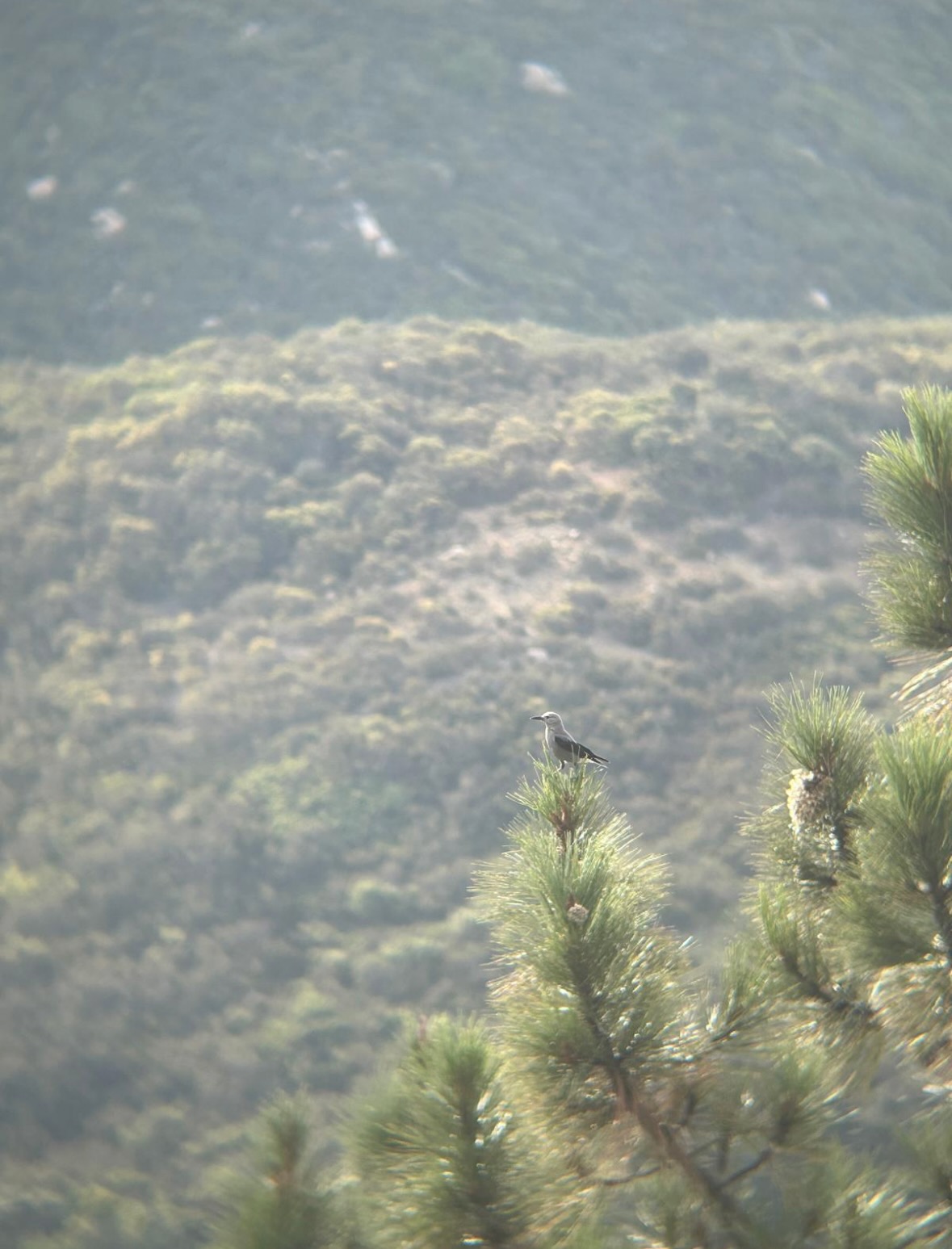
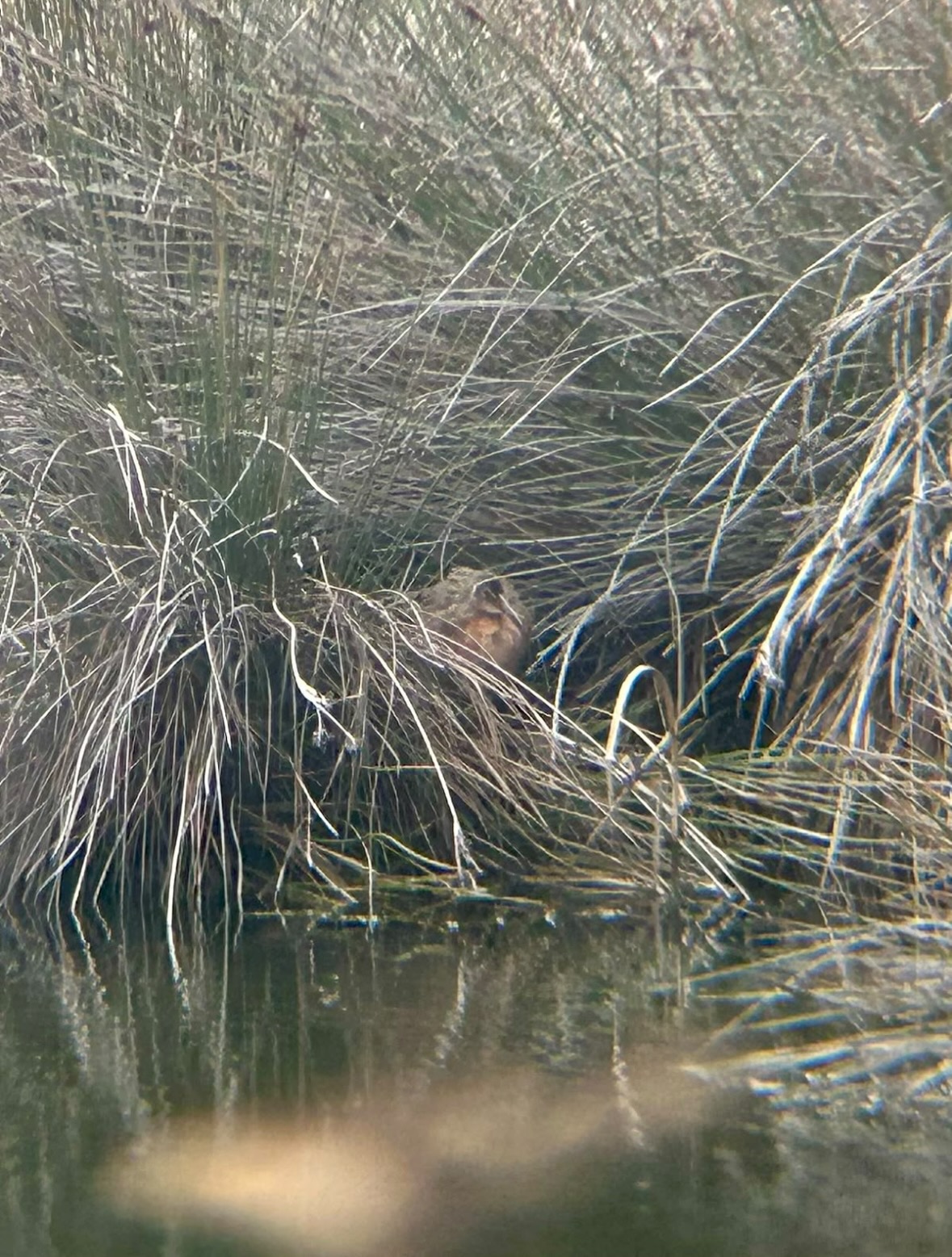
Ani joined the mcgorlick crew in brooklyn
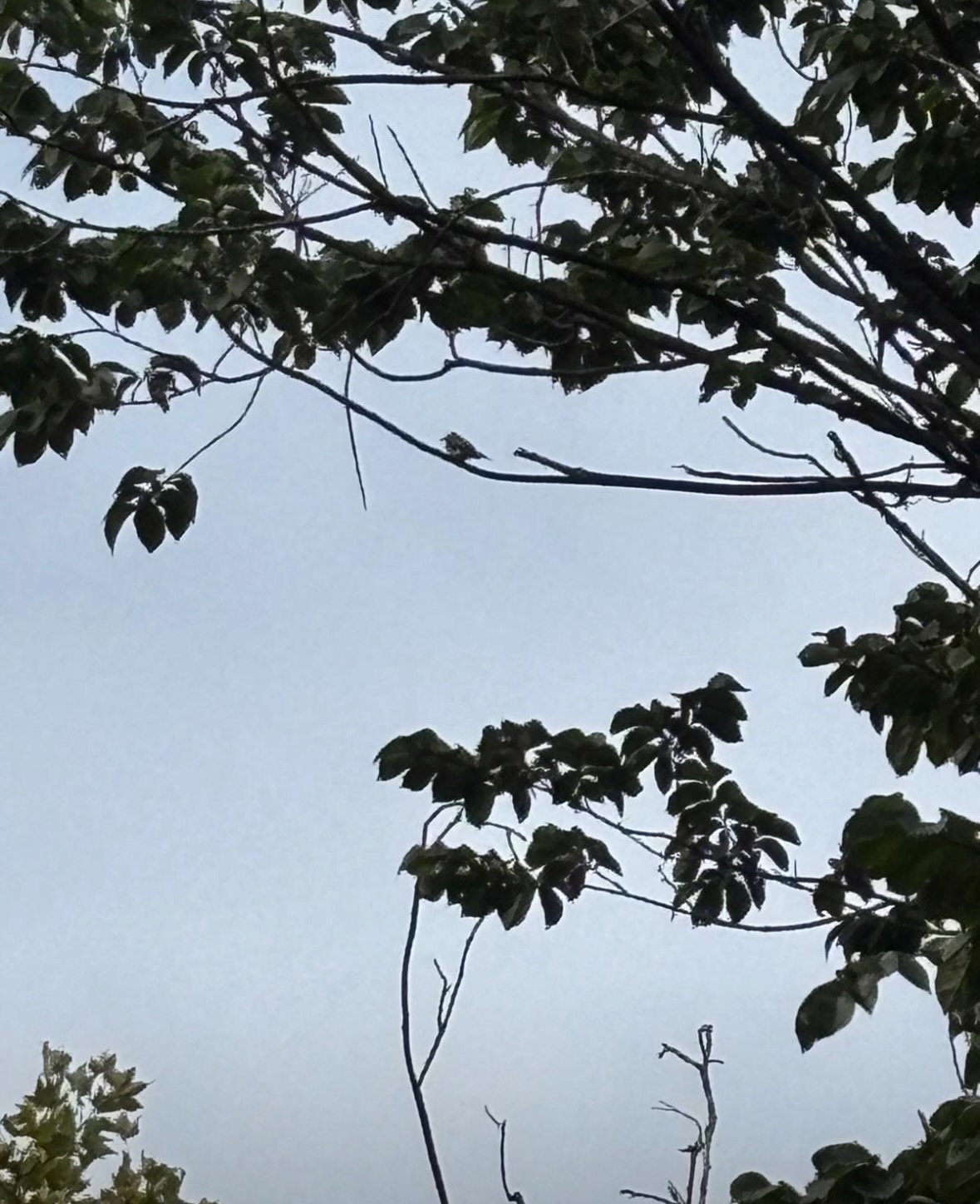
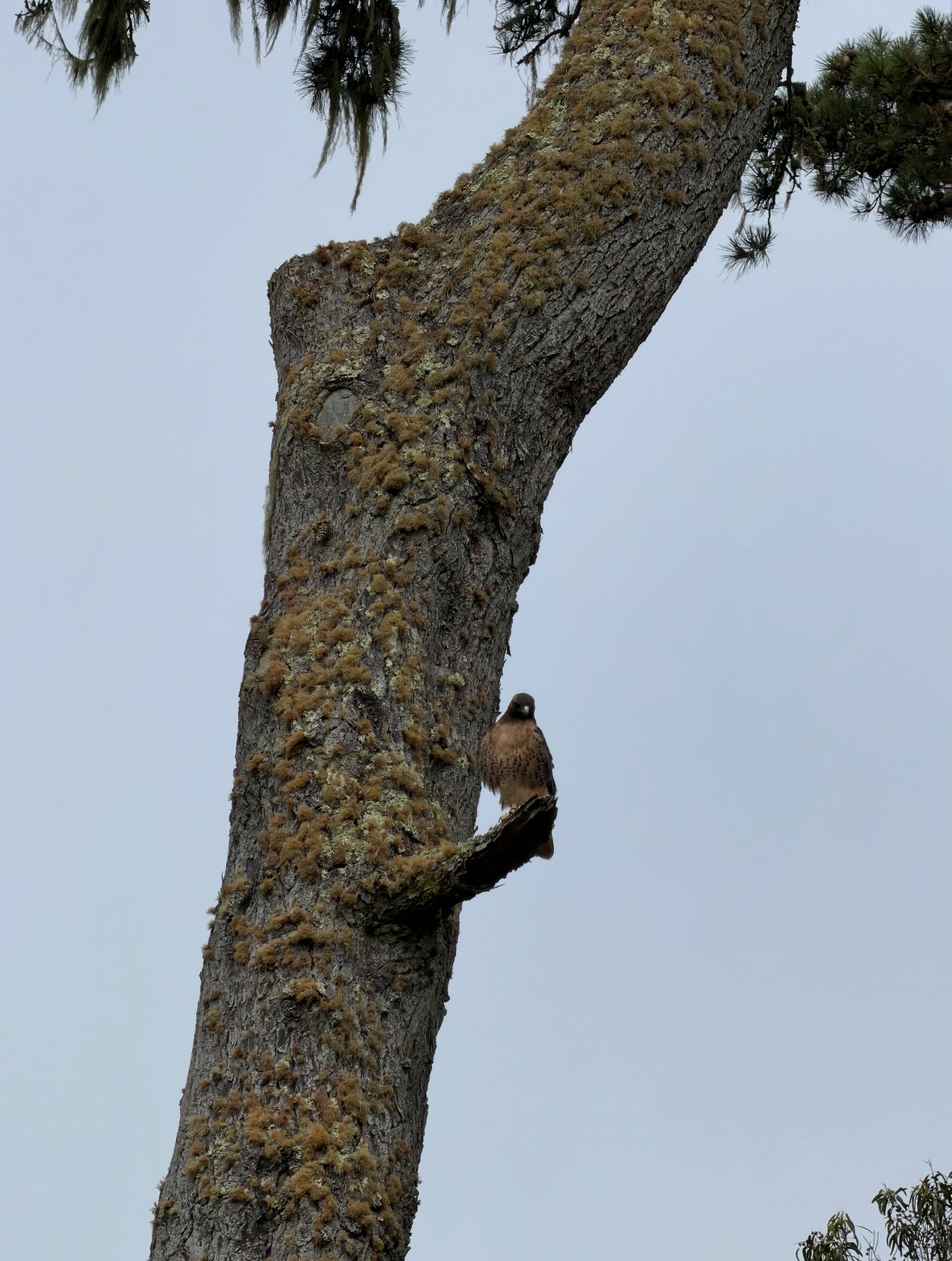
George was on hawk watch
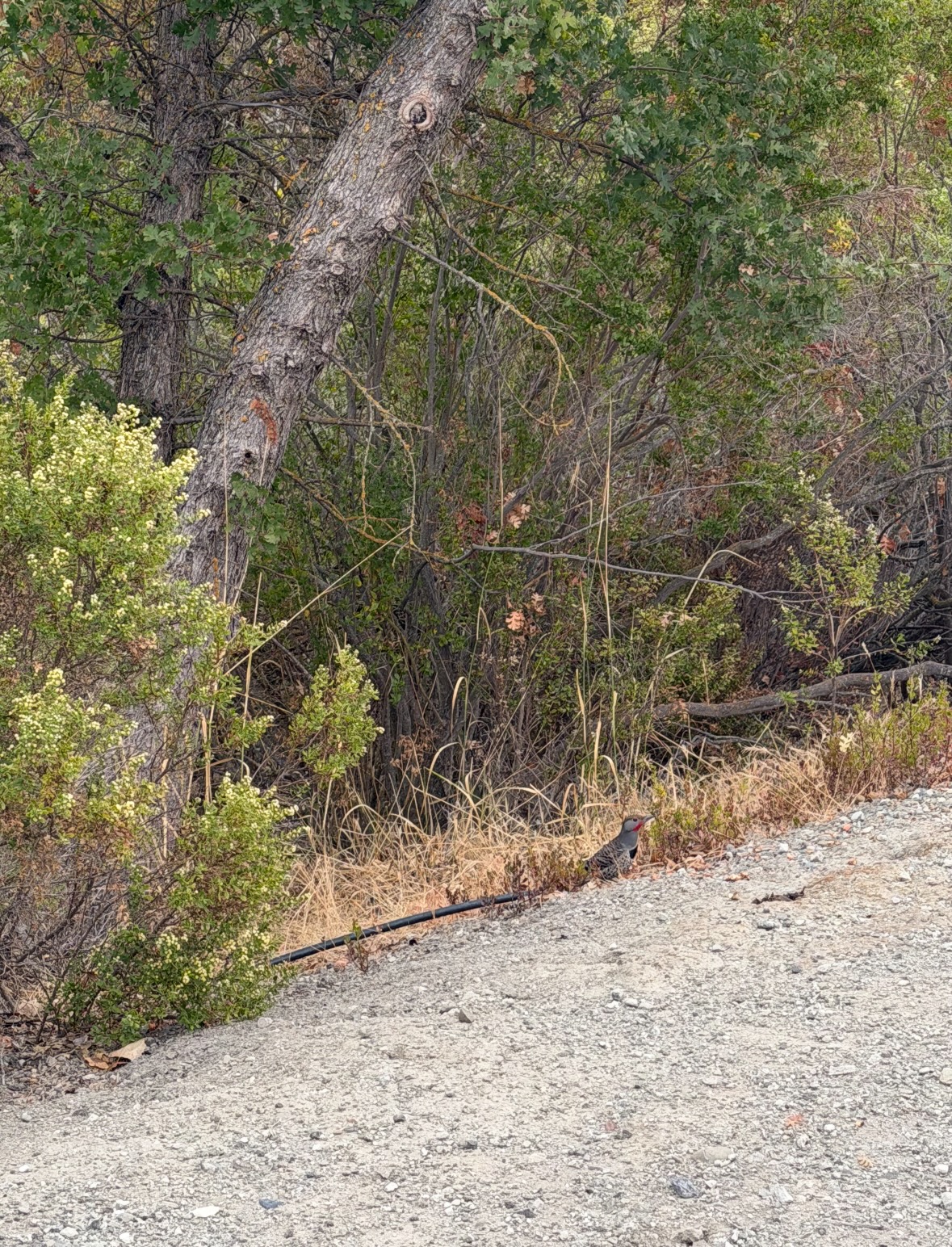
Kelly and baby John were on woodpecker watch
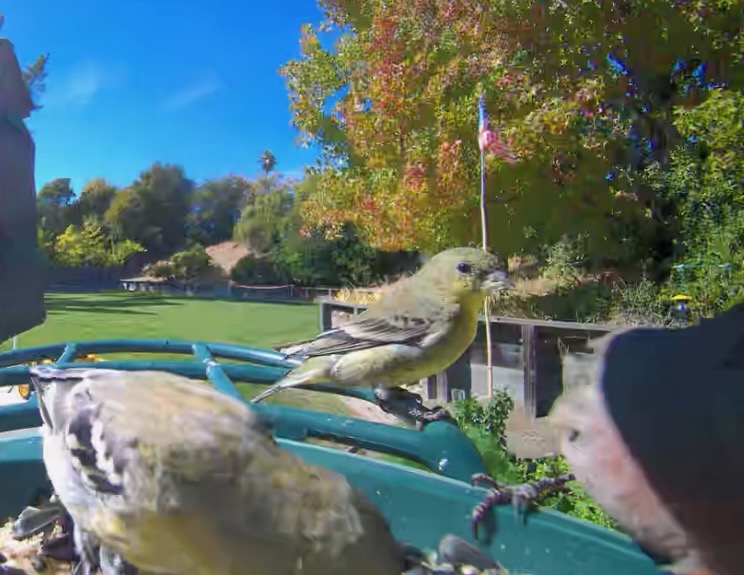
Jeff's feeder is going crazy. The smart feeder is counting up to 370 visits in one day!
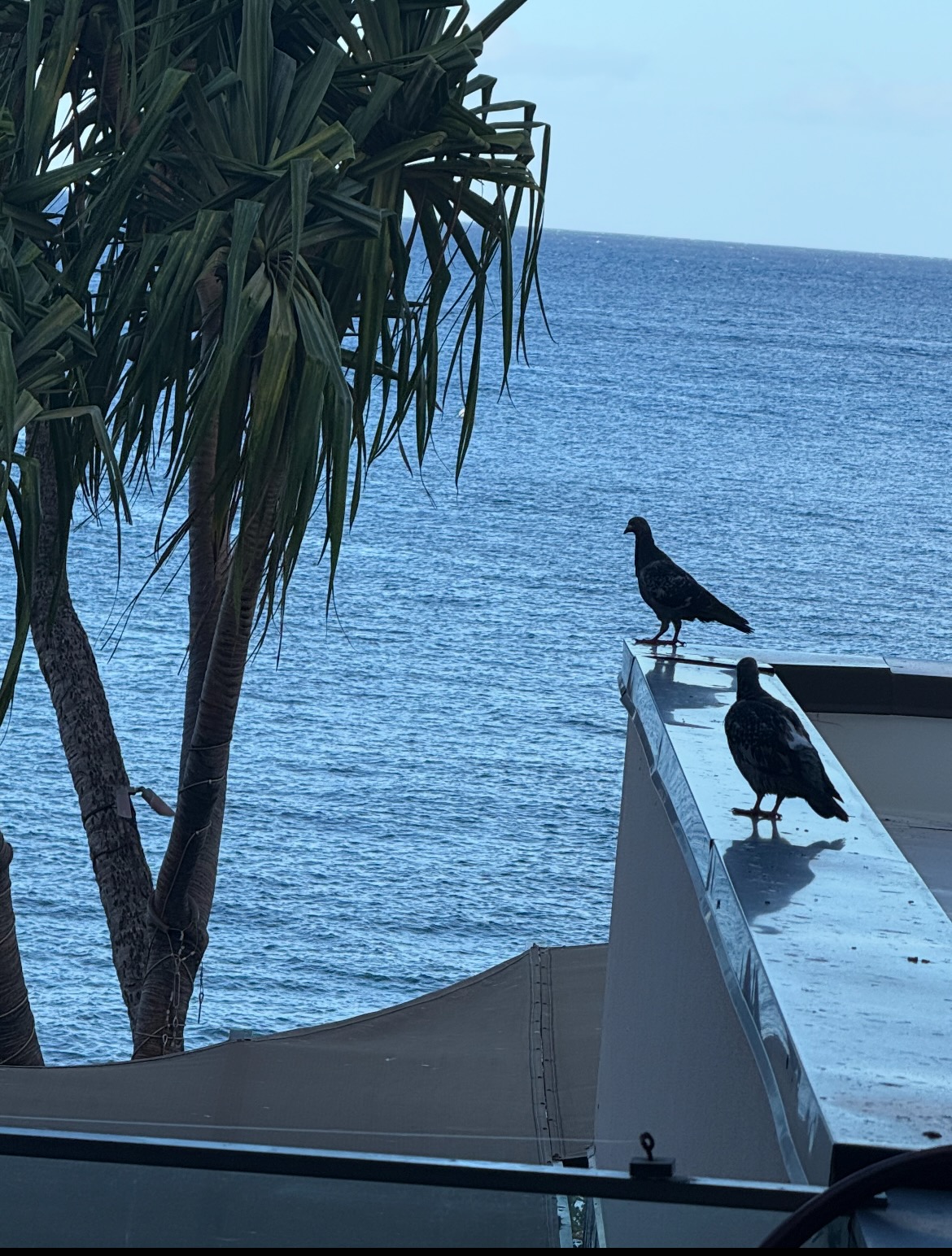
While in Hawaii Sandy got a shot of some pigeons. Not the most classic of hawaiian birds but that's okay:)
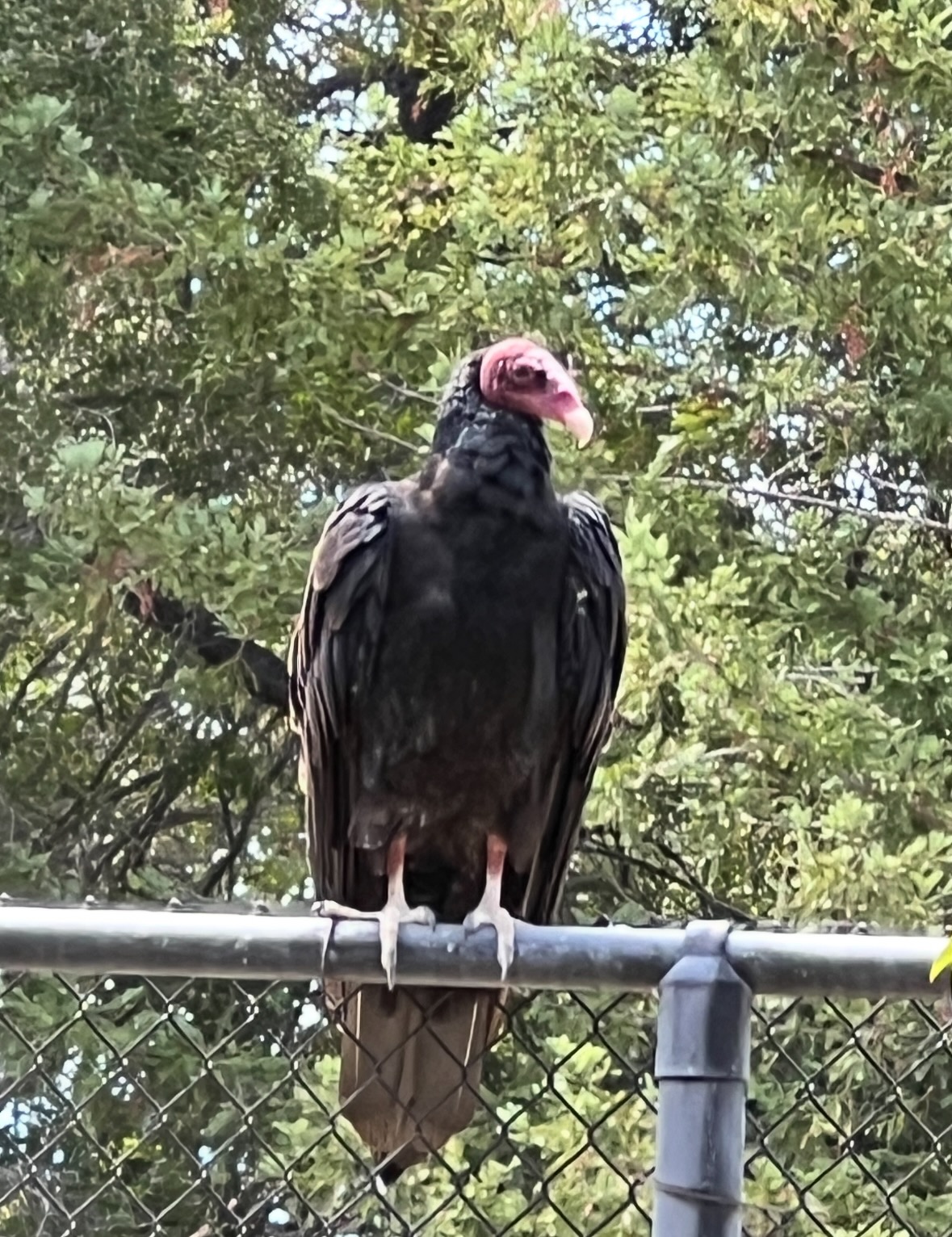
Rick had a run in with a vulture in the east bay
Gus and Anjali spotted a pretty sweet license plate

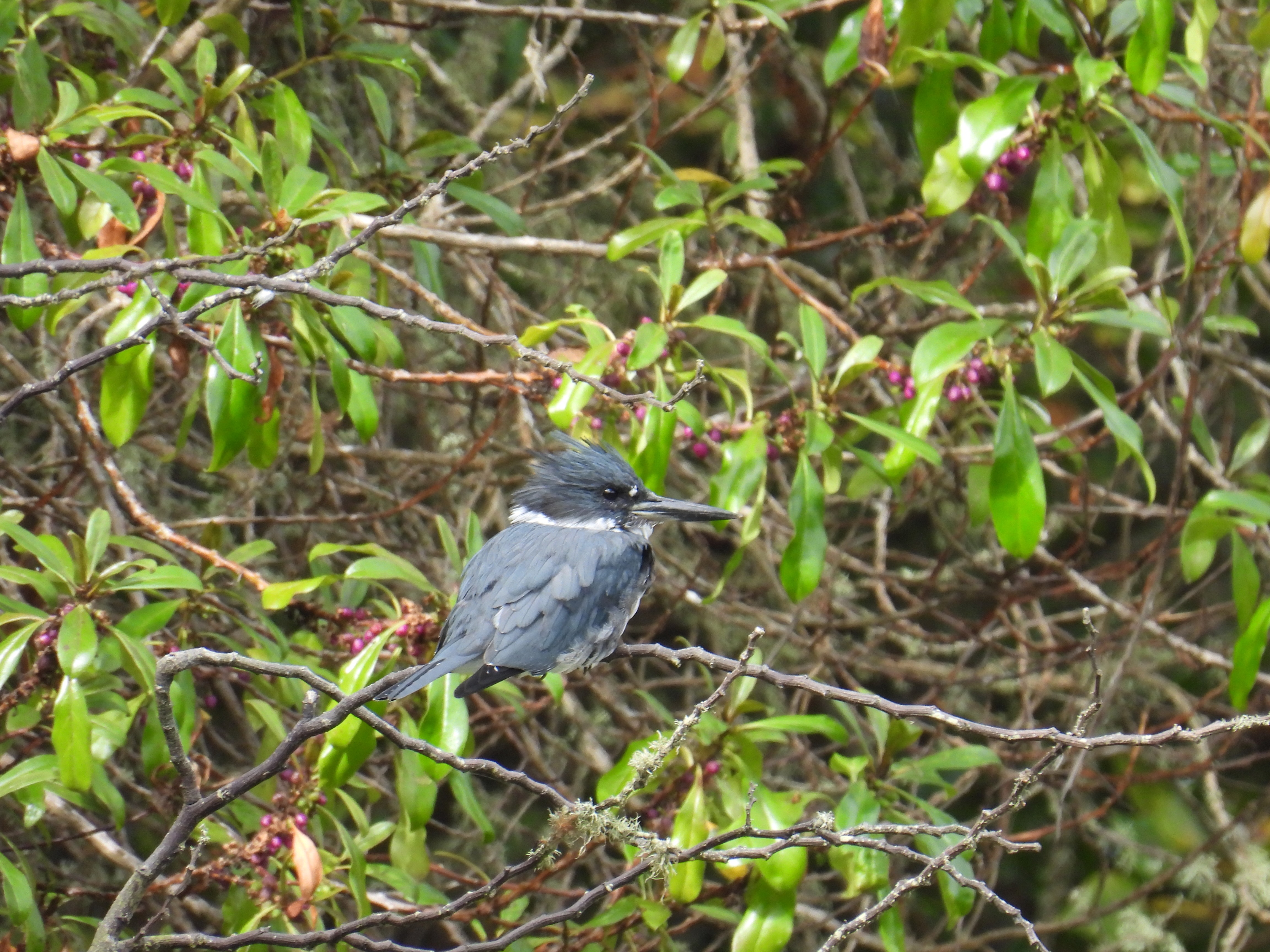
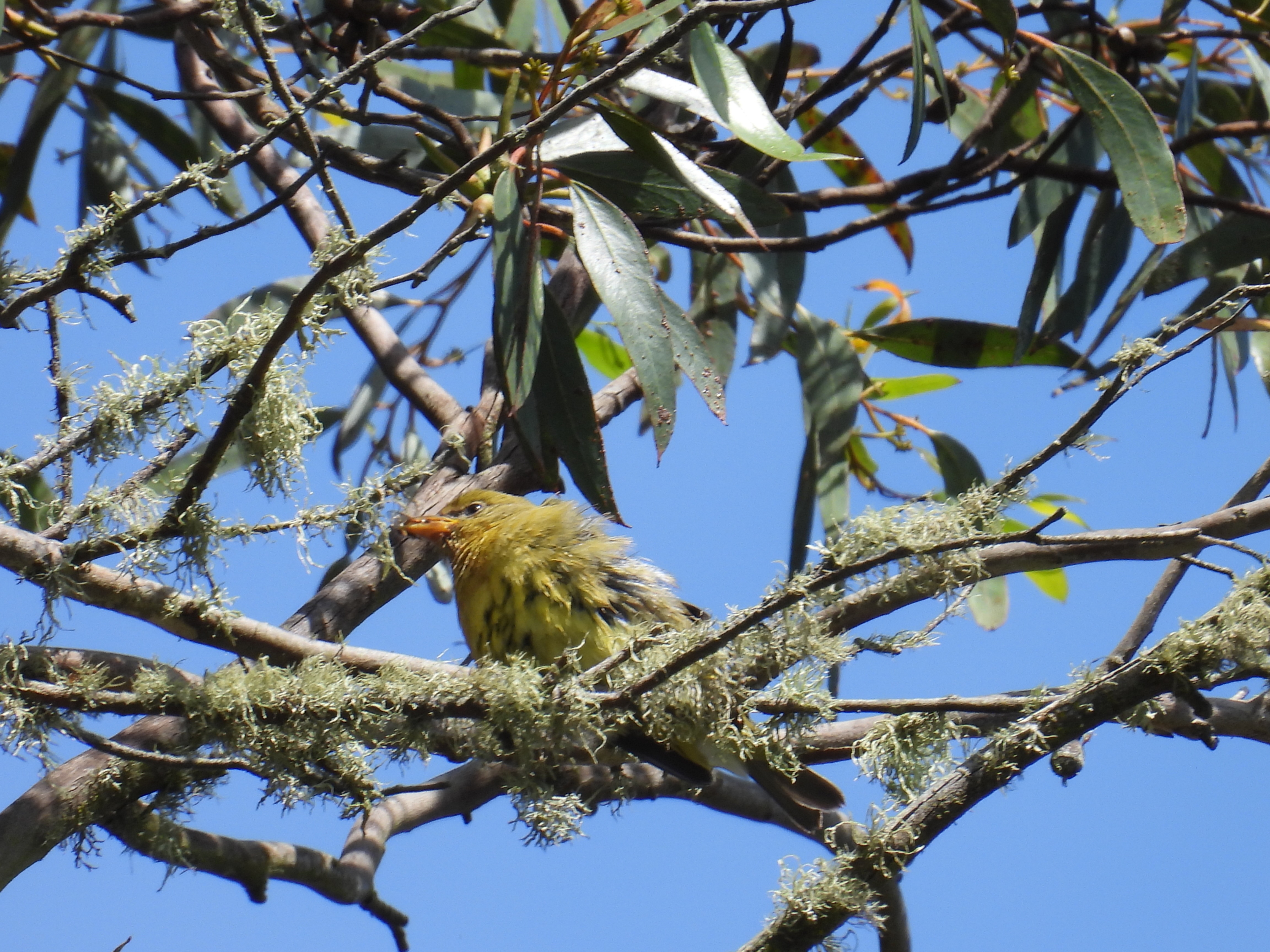
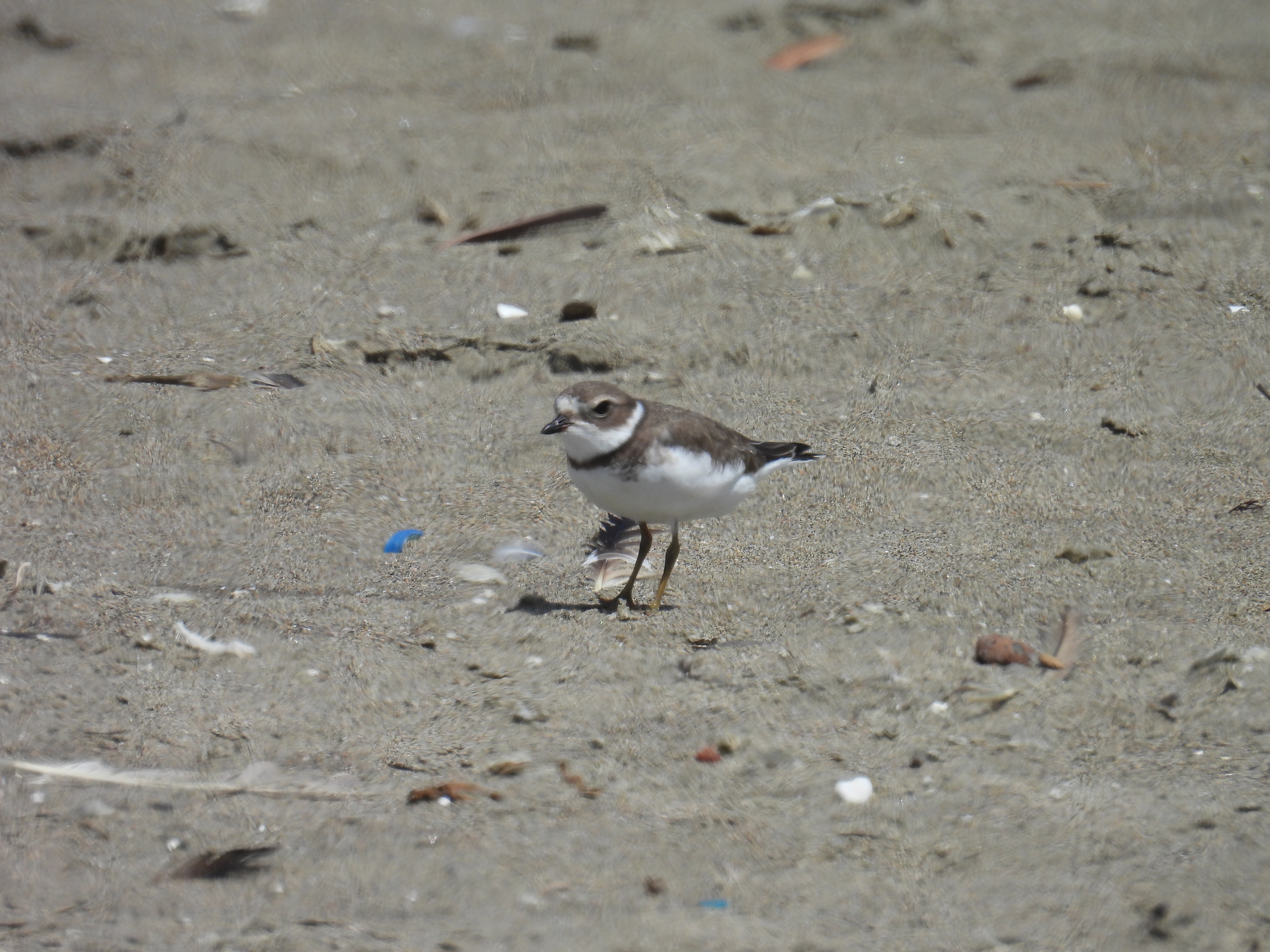
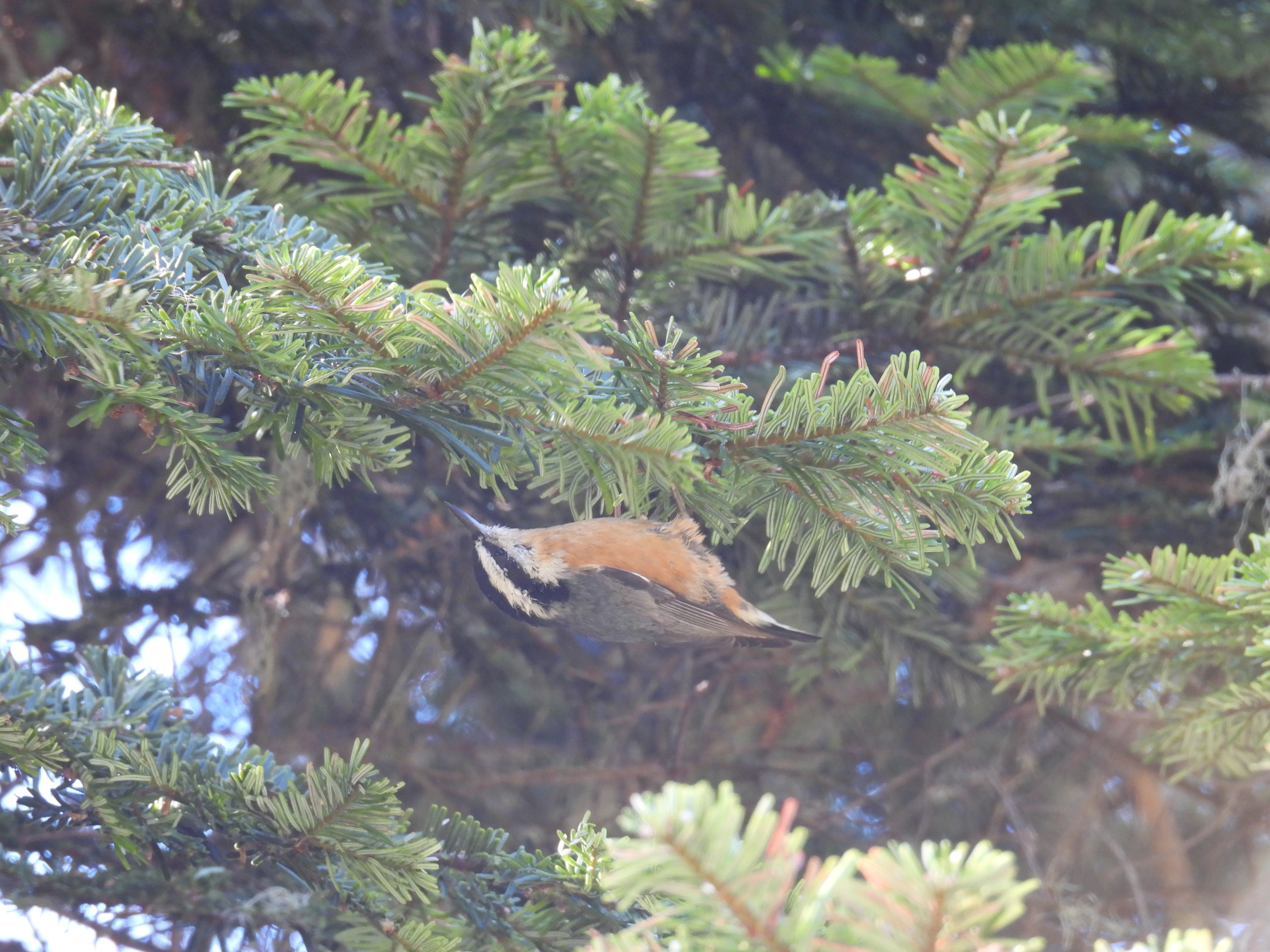
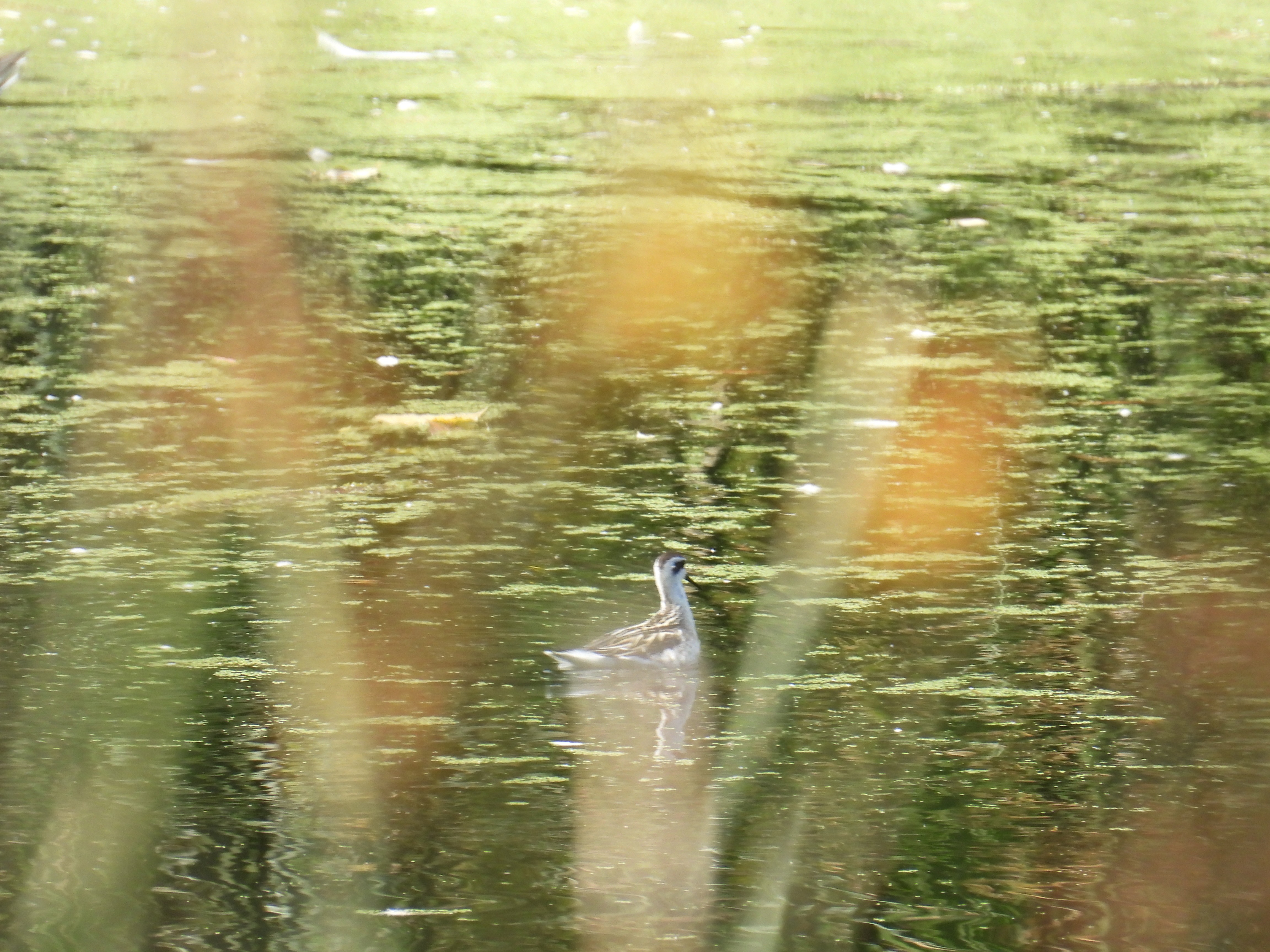
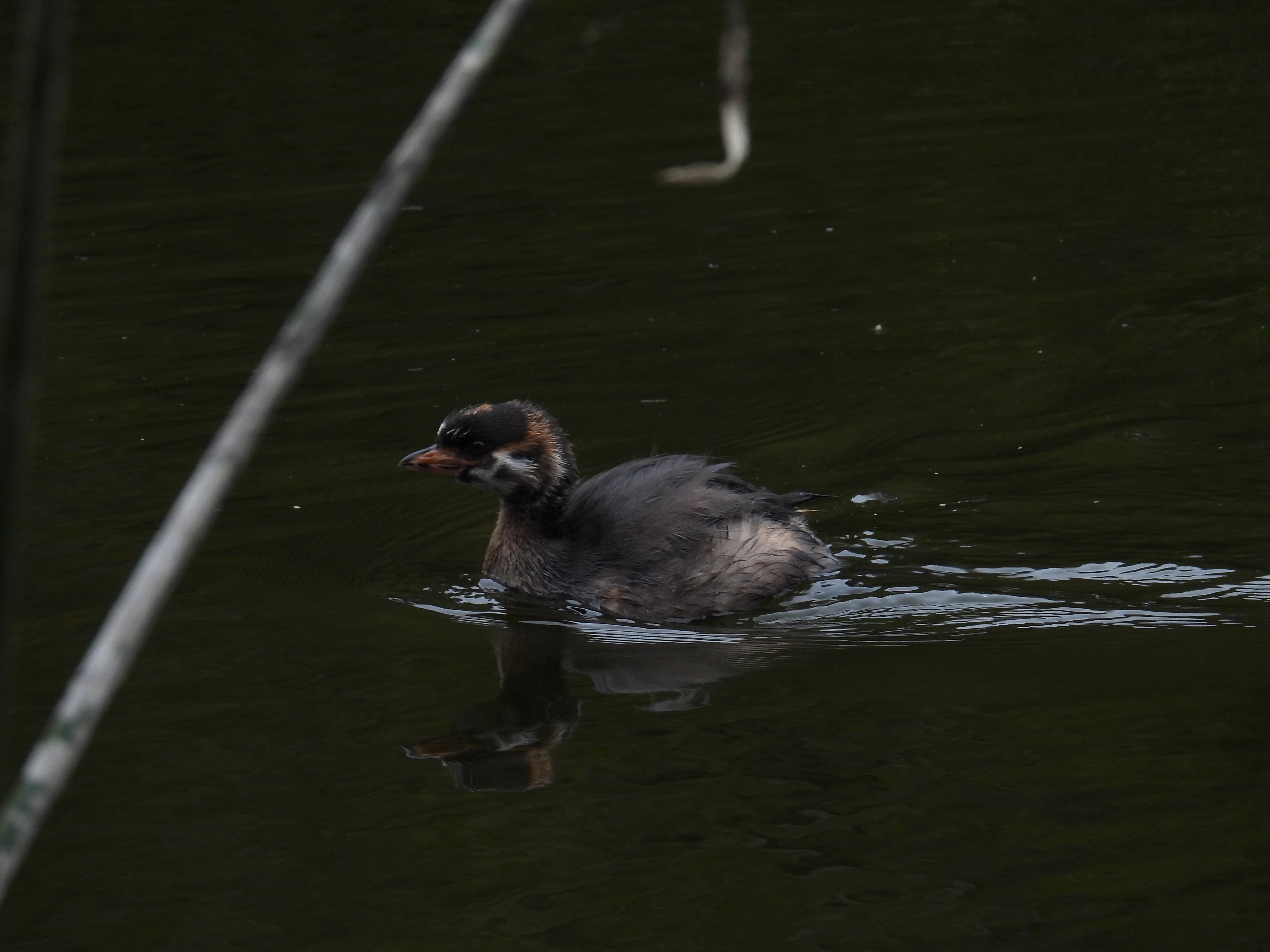
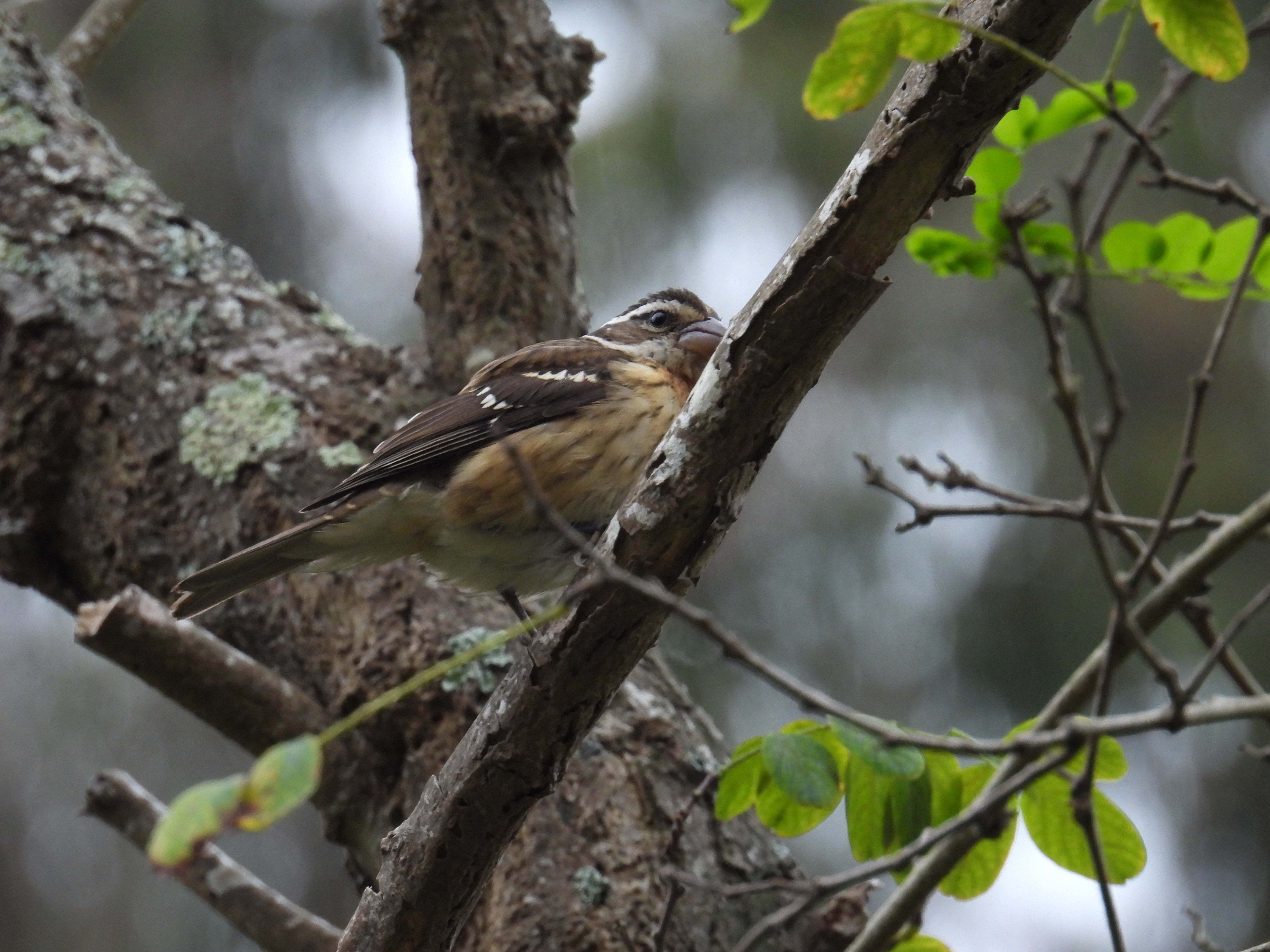
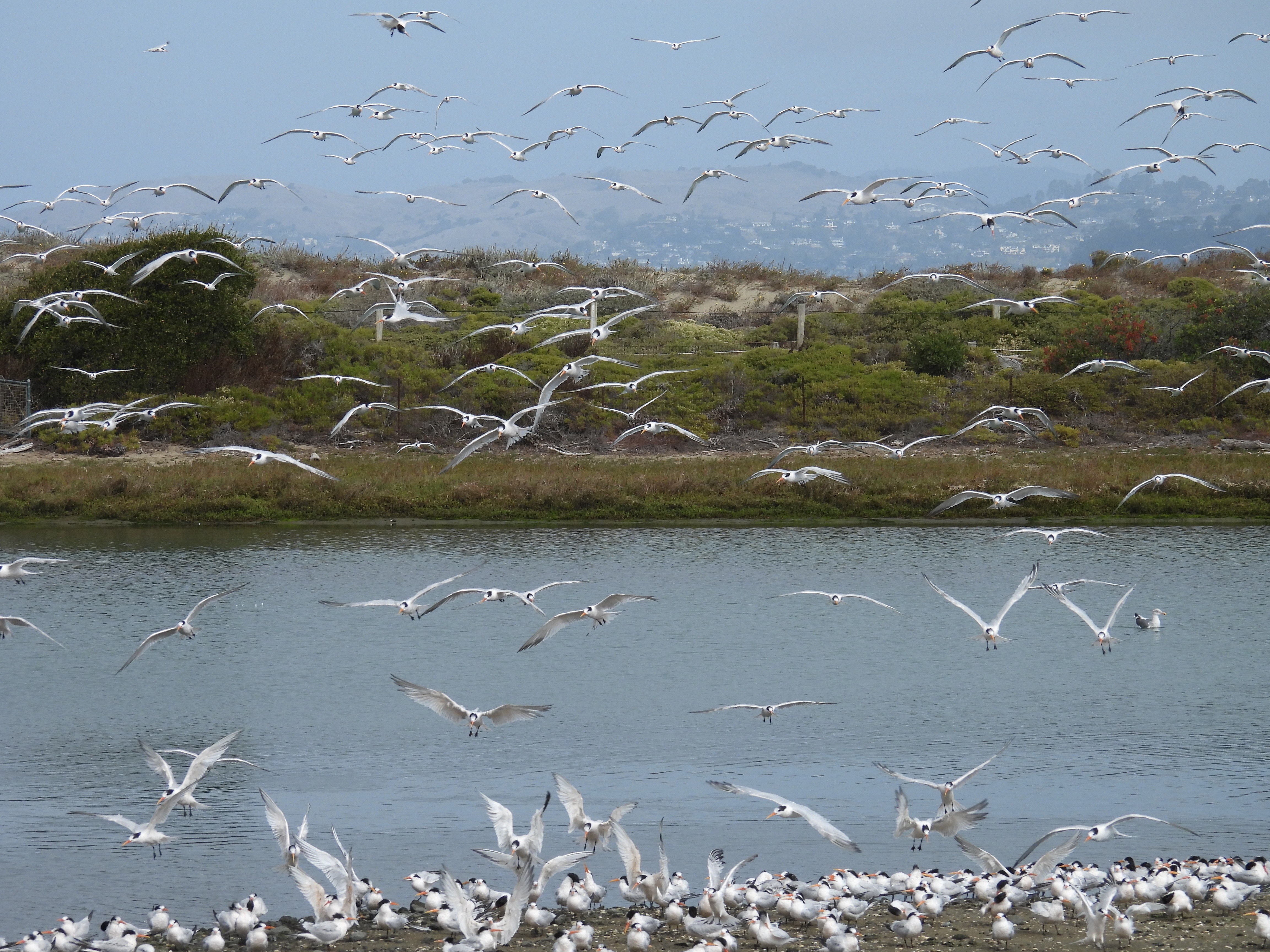
I got my fill of sf birding in september. I also attempted a "lazy big day" at the beginning of the month. I left my house in the morning and walked around the city for about 9 hours trying to see as many birds as possible. I did it in a very non-optimized way and got distracted a few times, but still saw around 50 or 60 species.

Closeout
That's all; happy birding