SF Bird Club June Newsletter

May Recap

In case you missed it you can find last month's newsletter here: may newsletter

May bird walk

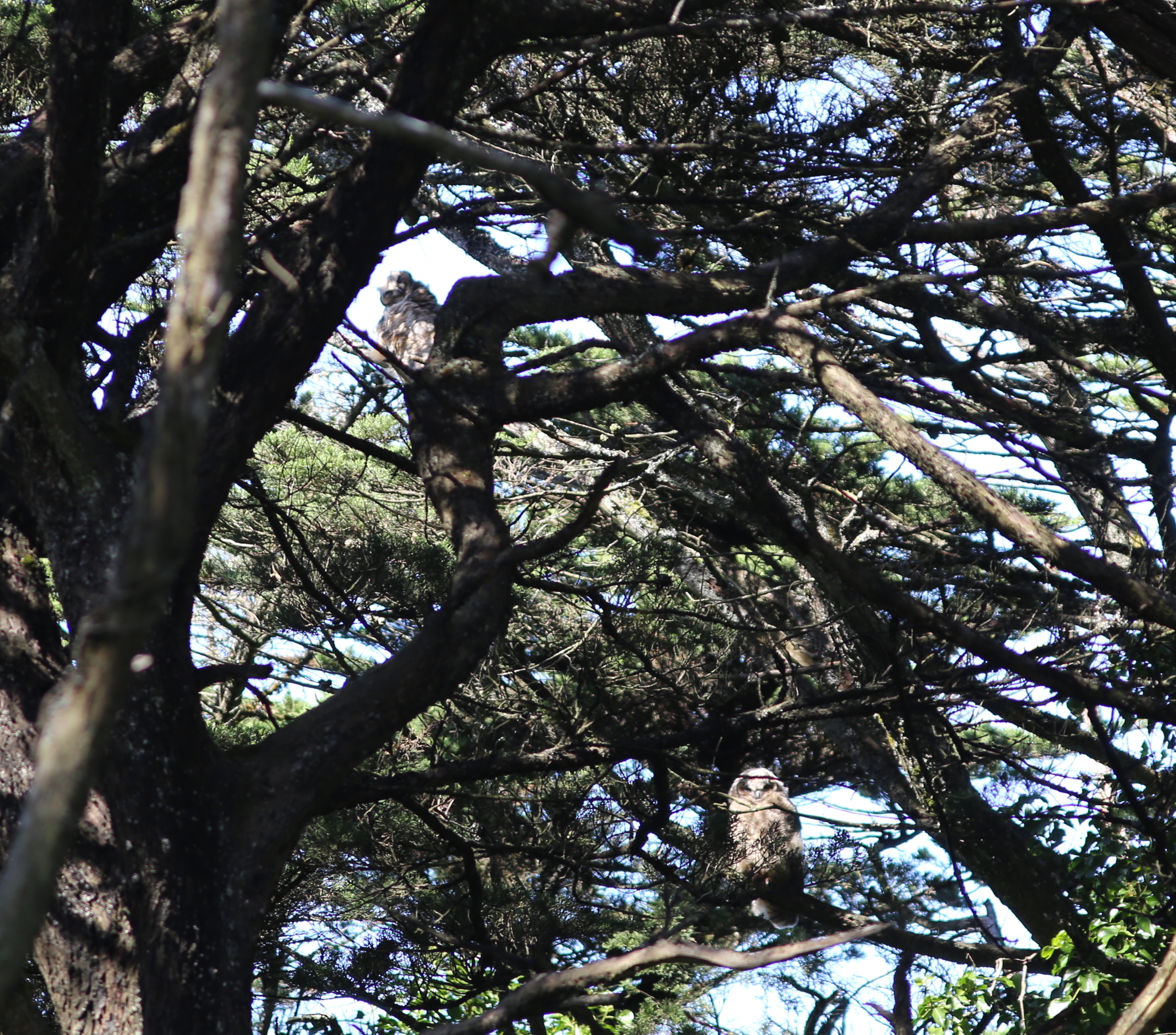
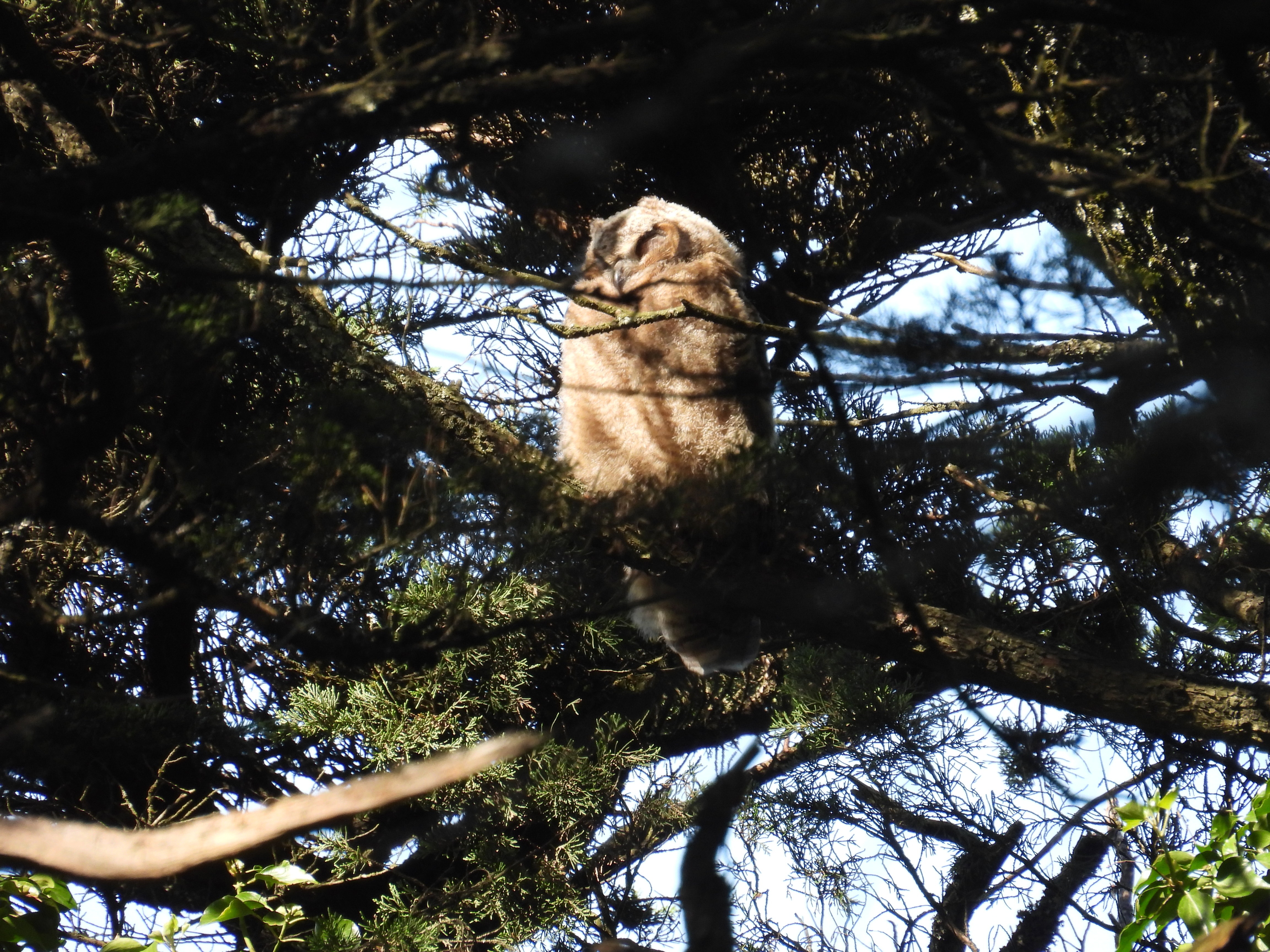
In May we birded at Mount Davidson for the first time. The highlight was a great horned owl and two owlets!
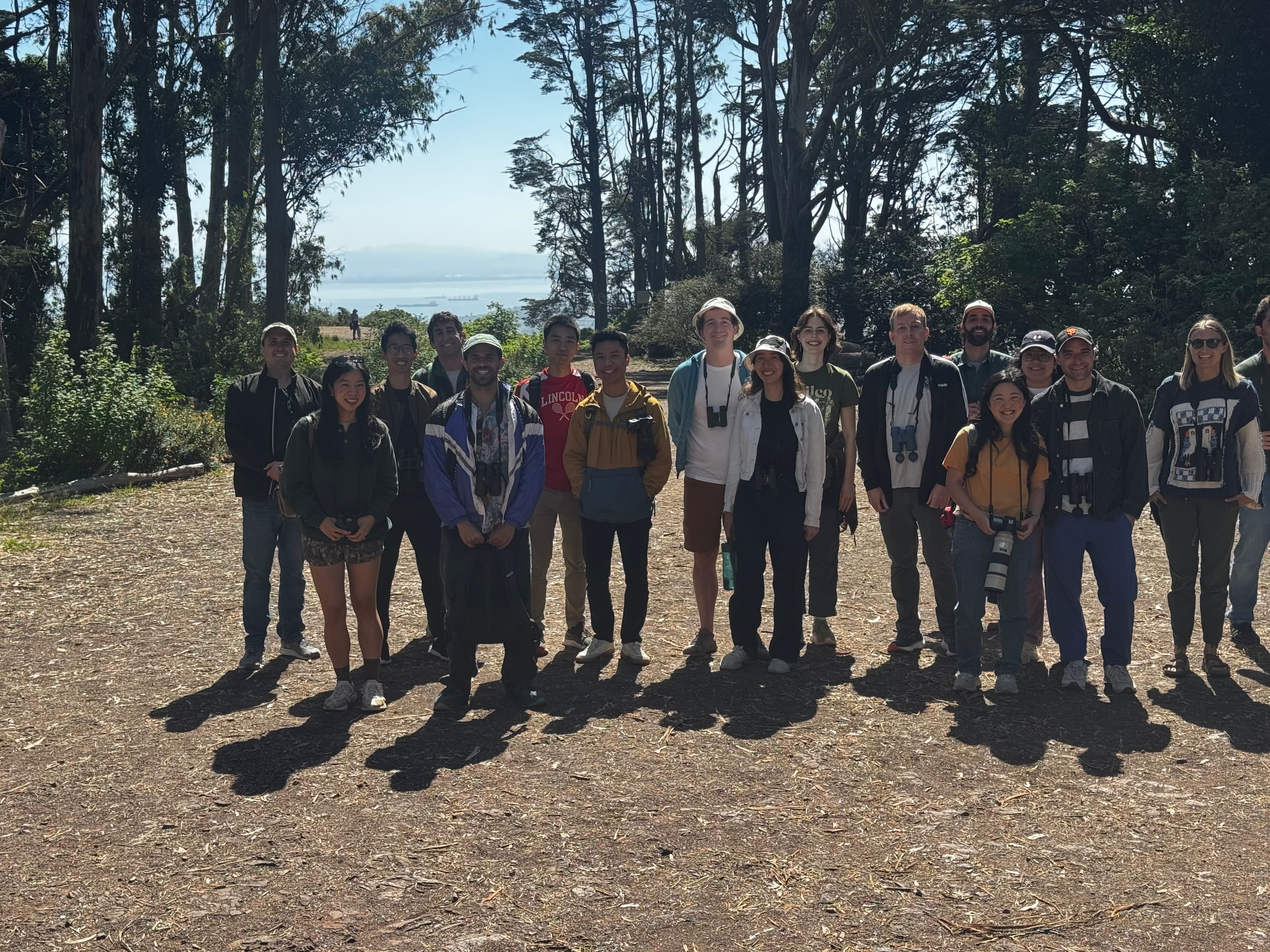
group shot
group shot. sorry for the cutoff ben..

May took the following photos:
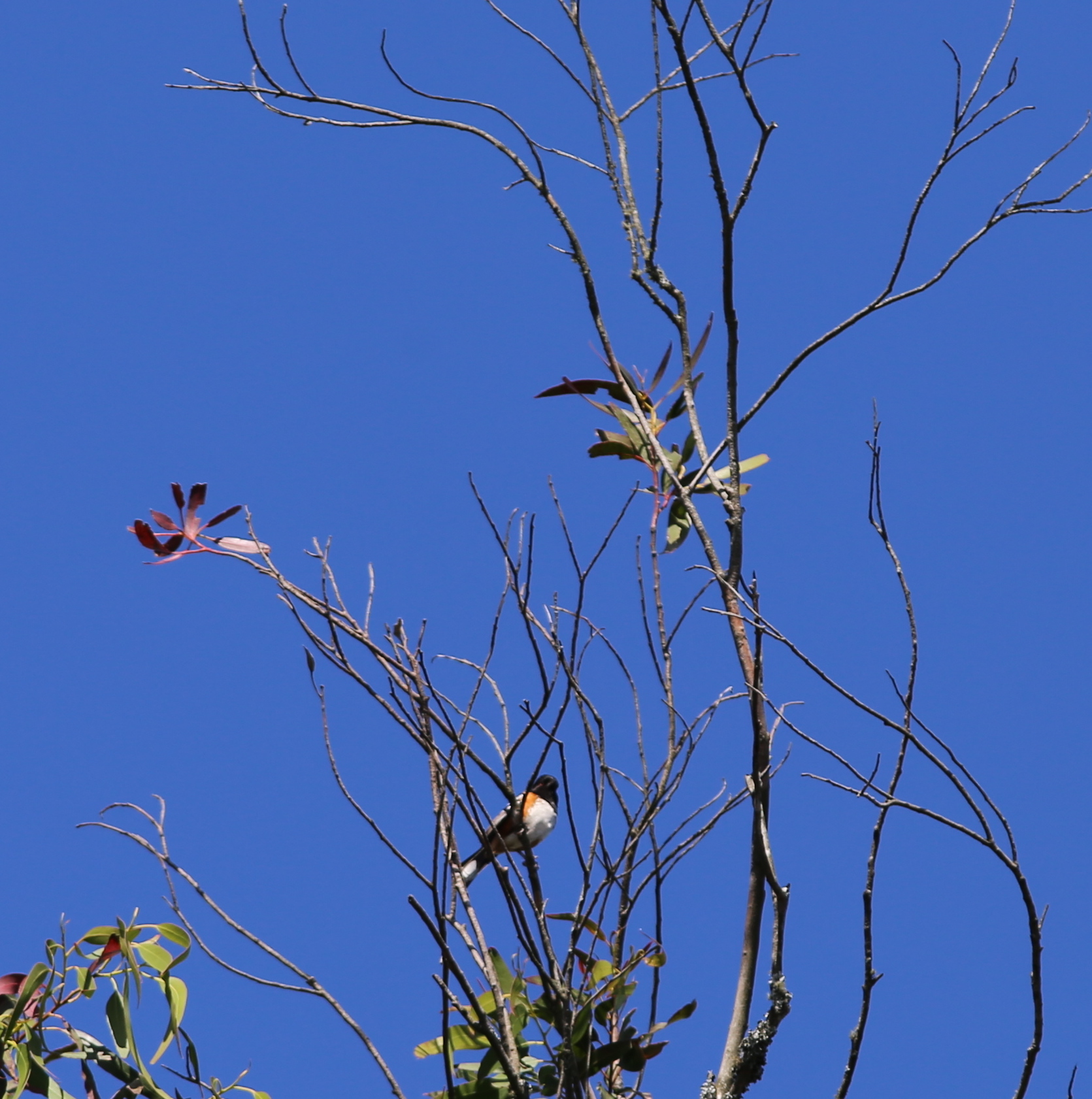
spotted towhee
spotted towhee (Pipilo maculatus)
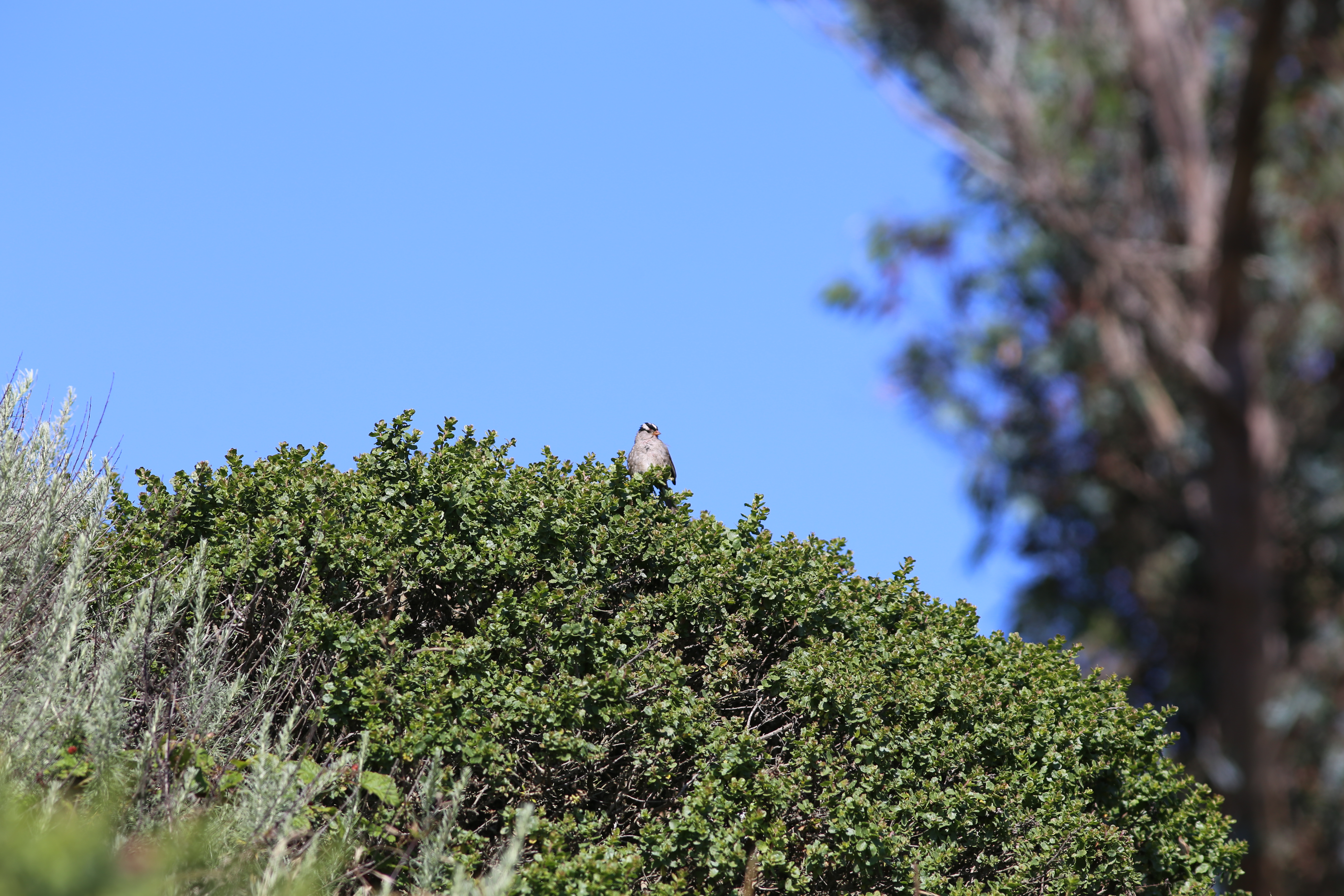
white-crowned sparrow
white-crowned sparrow (Zonotrichia leucophrys)
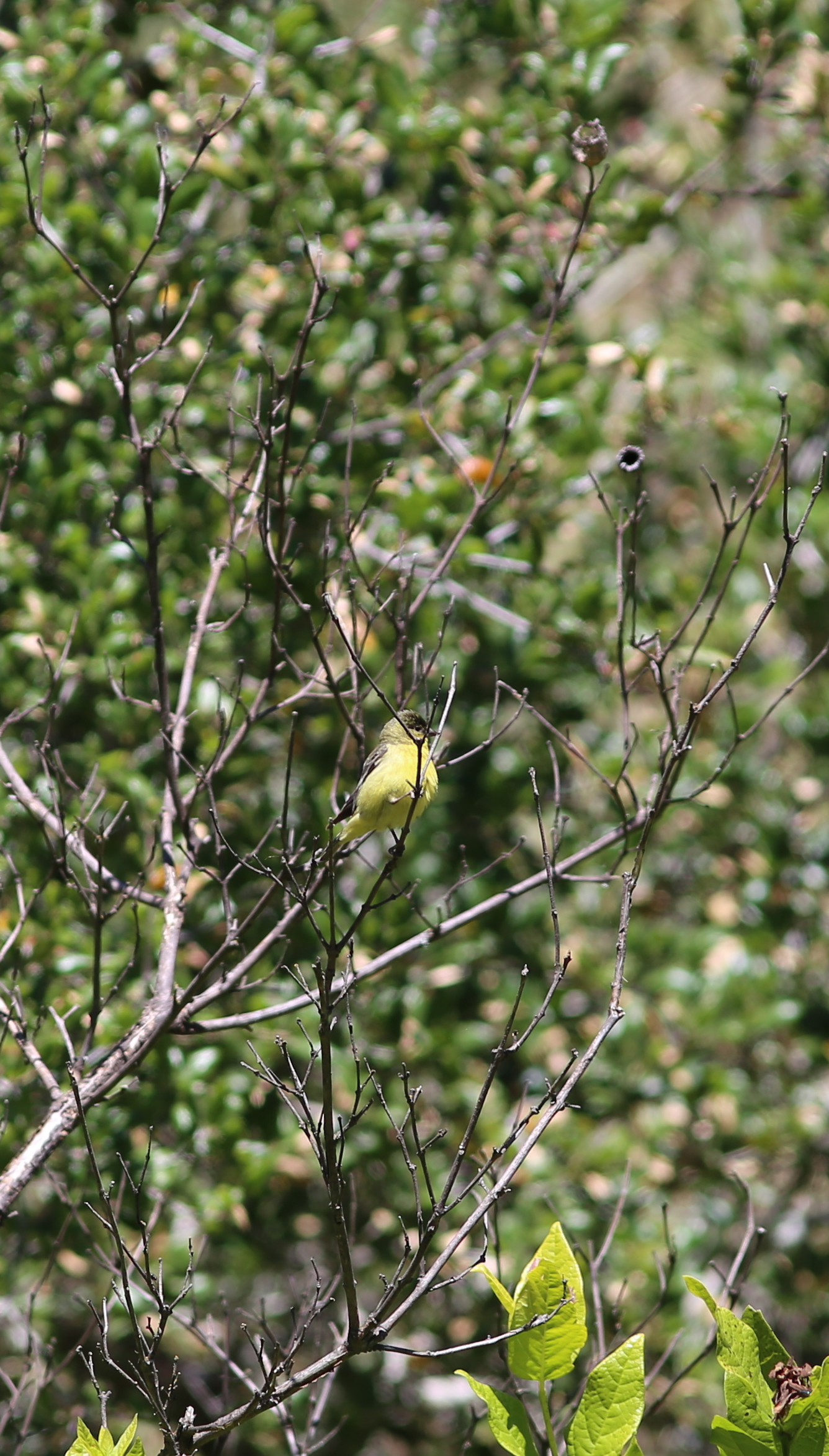
lesser goldfinch
lesser goldfinch (Spinus psaltria)
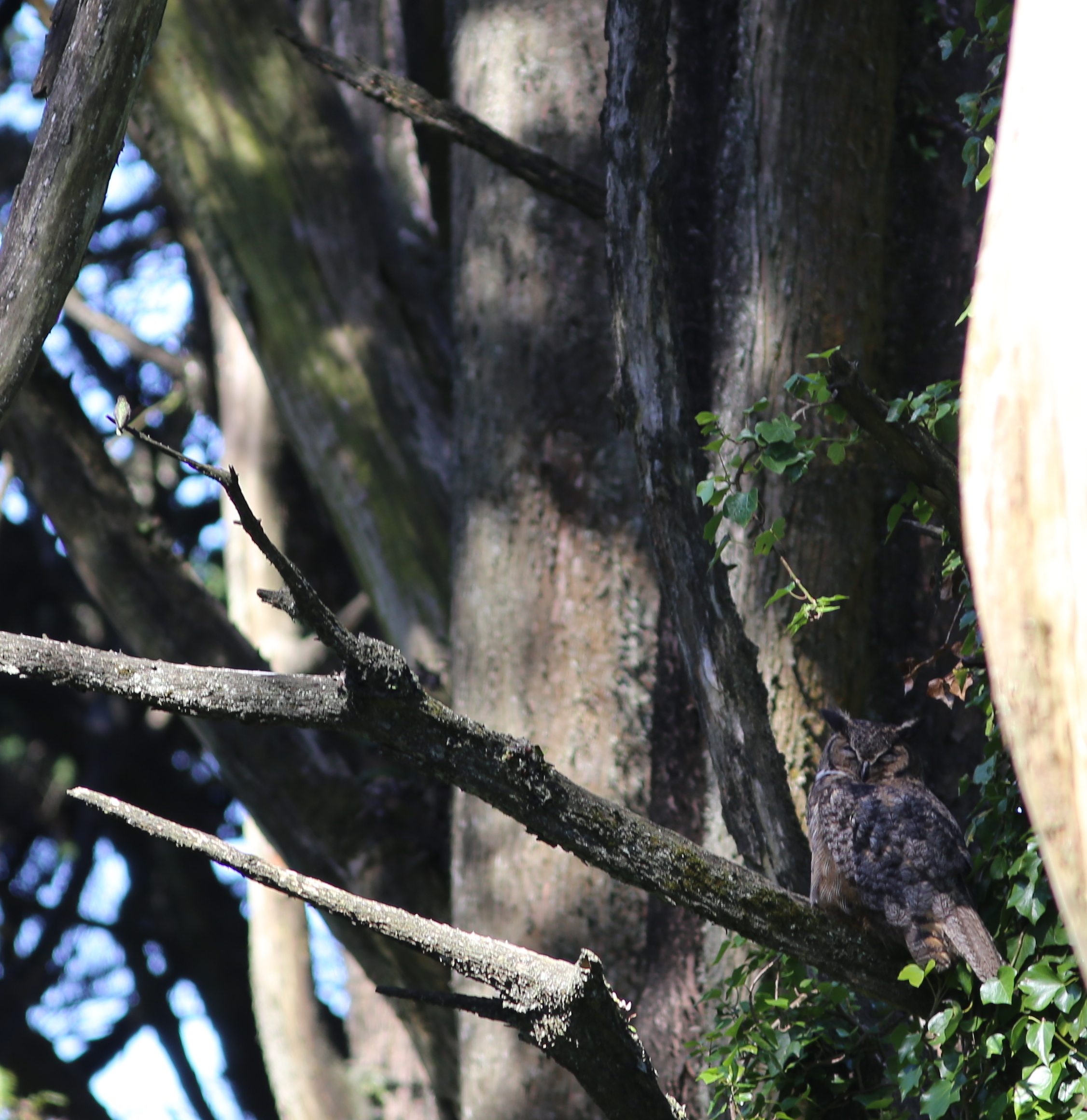
great horned owl
great horned owl (Bubo virginianus)
great horned owlets
both great horned owlets
I also took some photos:
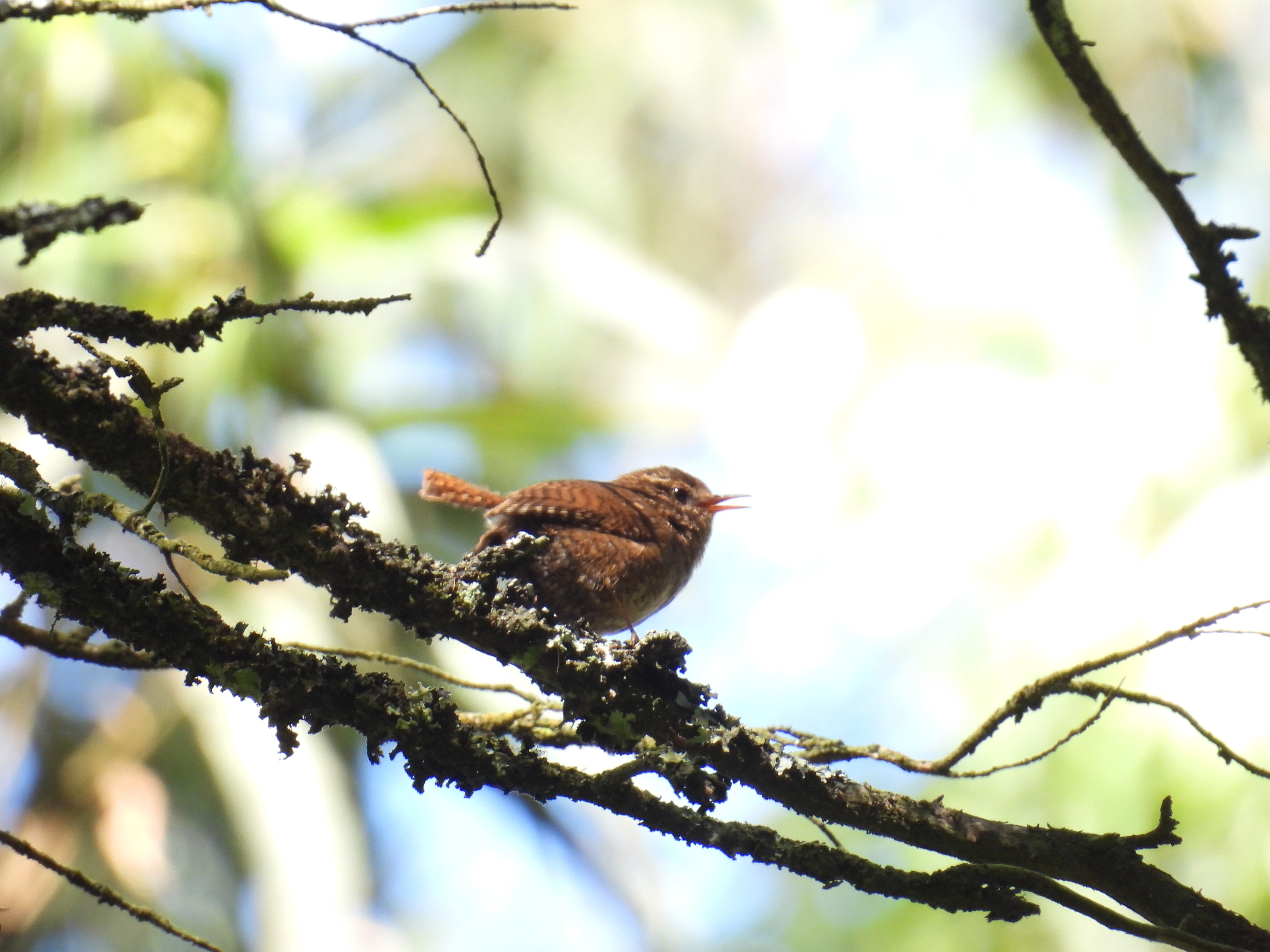
pacific wren
we heard the pacific wrens (Troglodytes pacificus) the whole walk, but only managed to spot one as we were finishing up
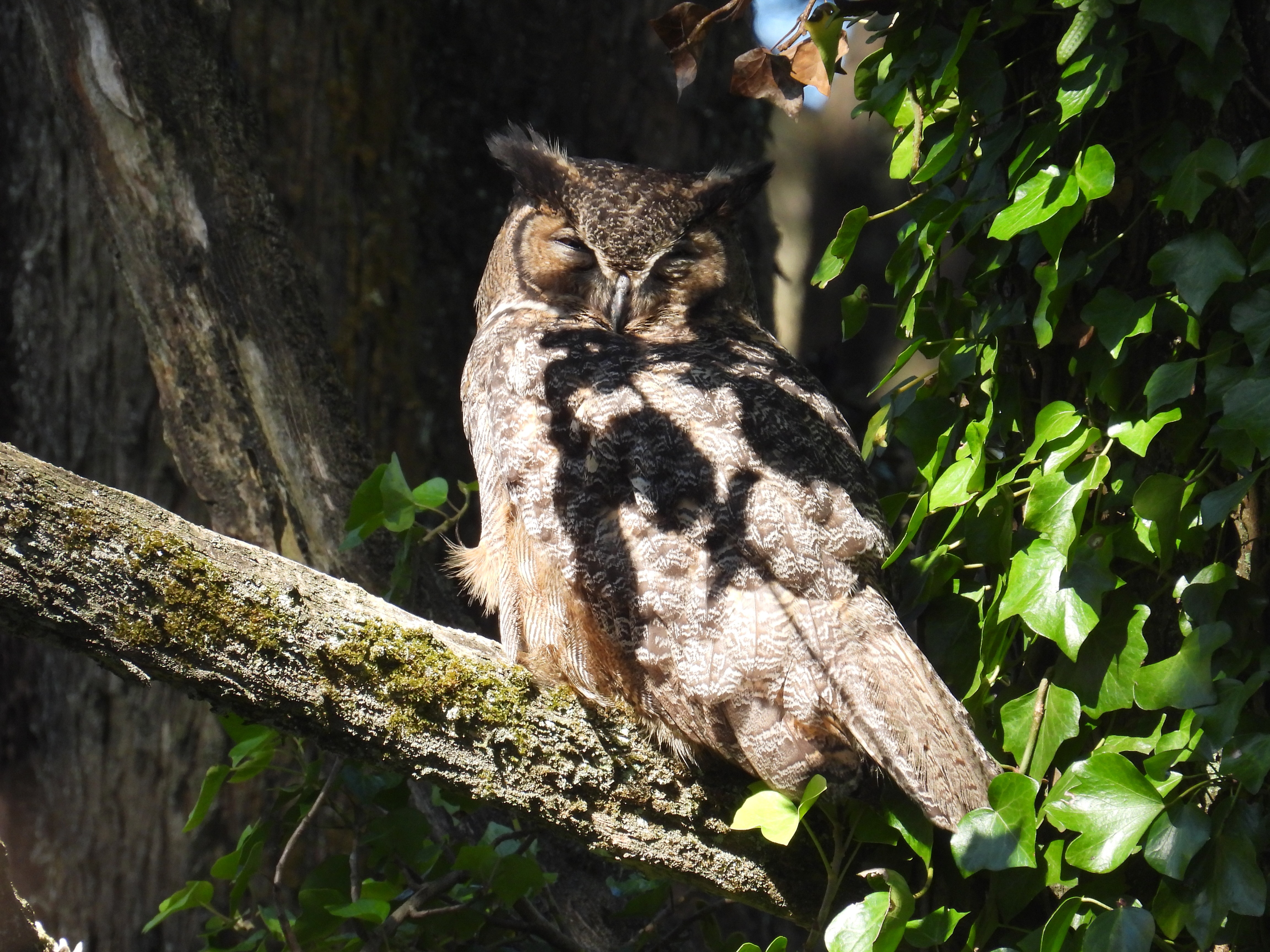
great horned owl
another shot of the great horned owl (Bubo virginianus)
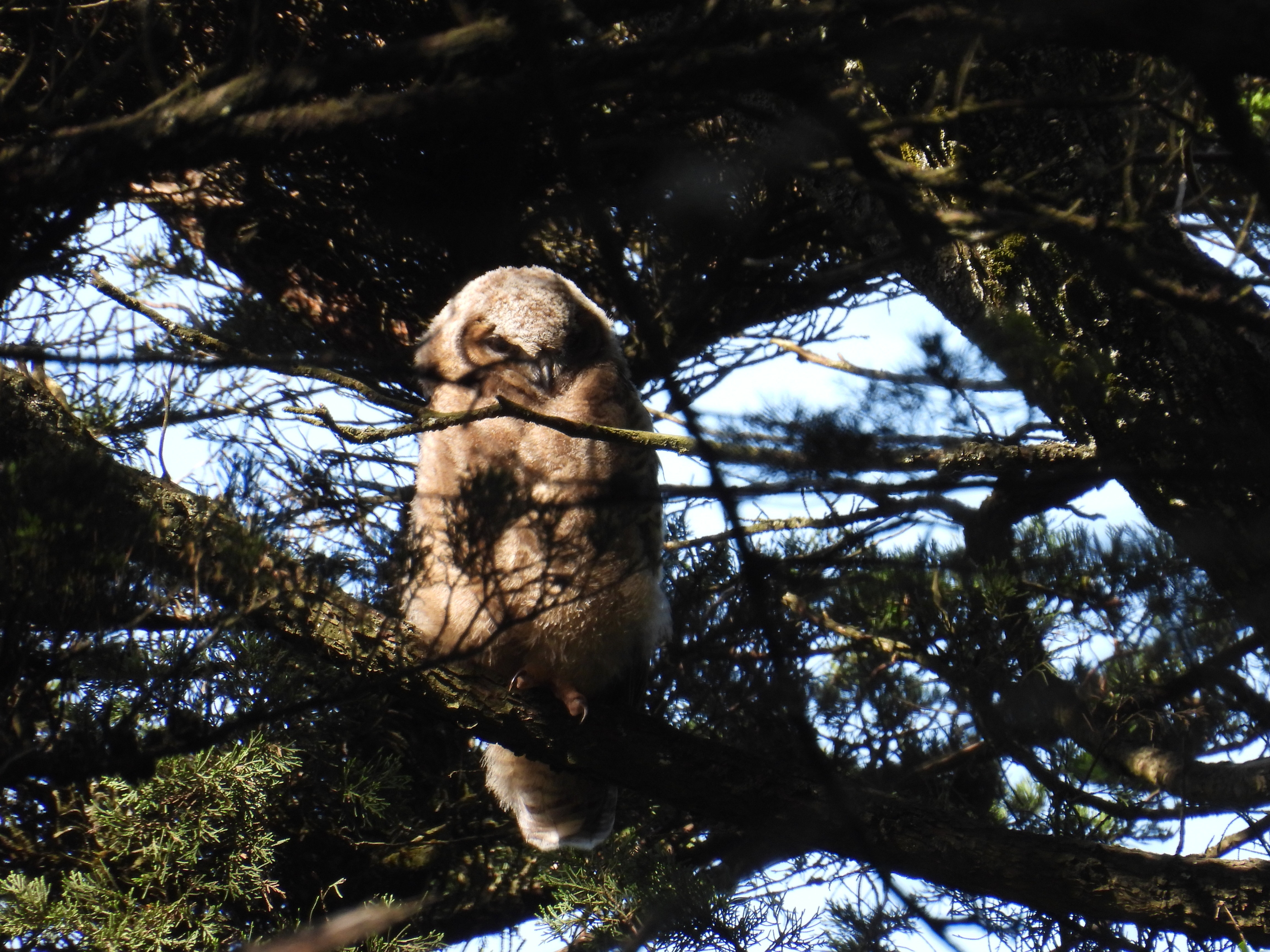
great horned owlet
owlet #1
great horned owlet
owlet #2

Thank you to everyone who came out and thank you to May for the photos :)


June Bird Walk
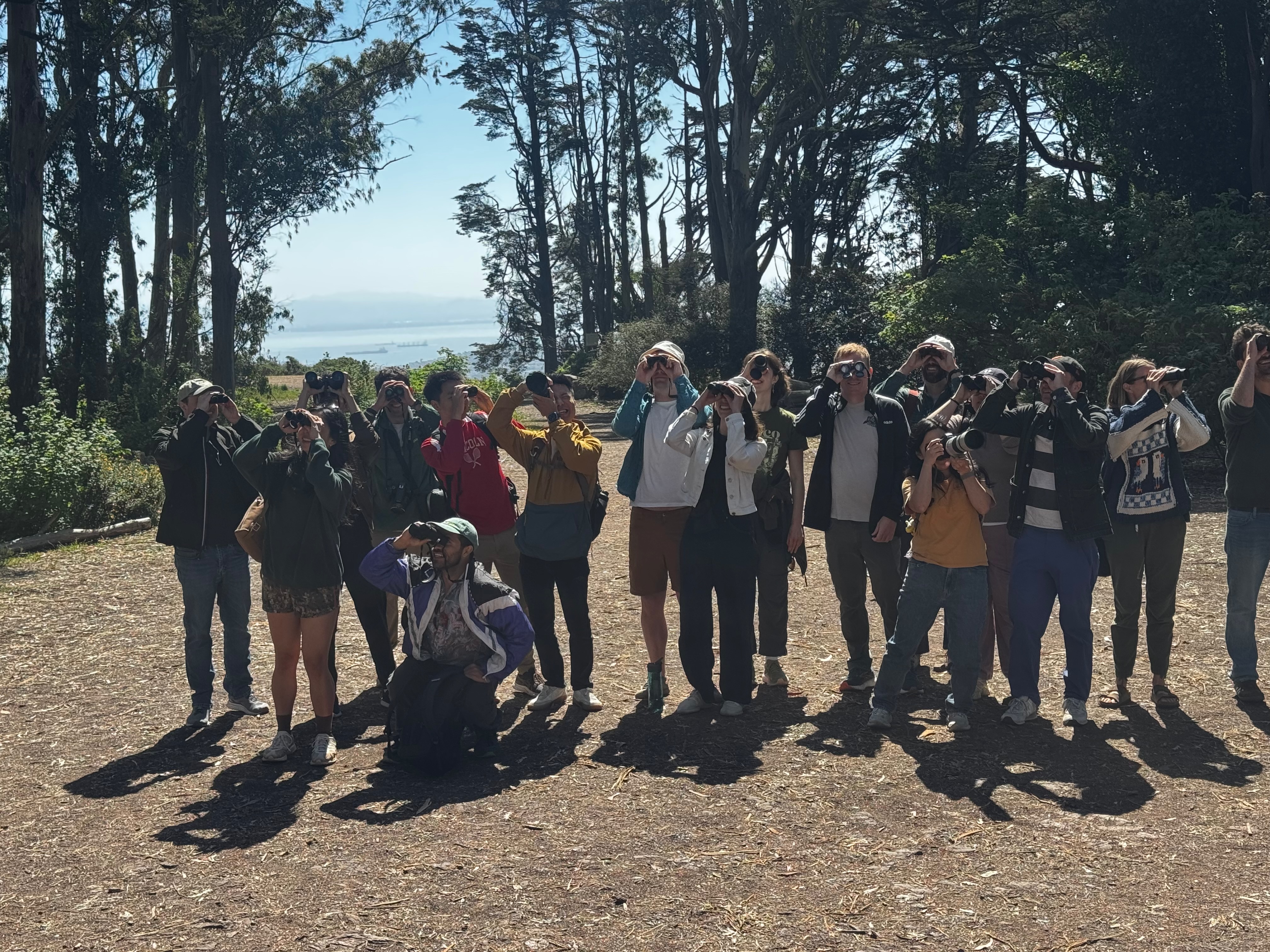
 bird walk
another picture from the May birding walk


This month we'll head back to Golden Gate Park, but this time we'll check out Blue Heron Lake. We're now in summer and it may not be as exciting as the migration seasons that precede and follow, but we will keep an eye out for some interesting breeding behaviors from the birds we see!

The birding walk will be on the saturday morning of june 20th. Head to the partiful link to rsvp.


Spotlight Bird: Great Horned Owl (Bubo virginianus)
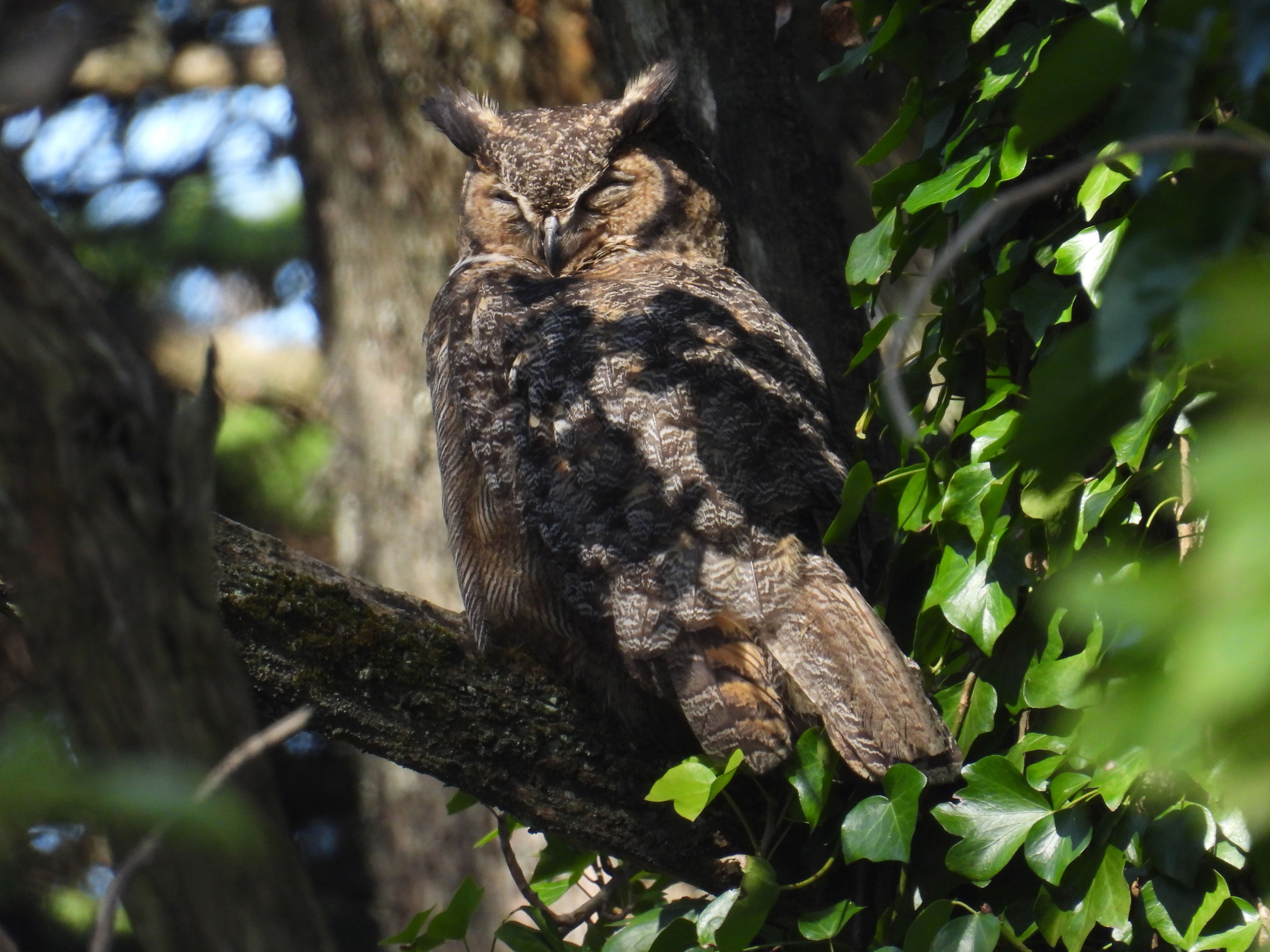
another shot of the owl from our Mt. Davidson bird walk

The owls are the talk o the town right now and with our Mt Davidson sighting they make an apt bird of the month.
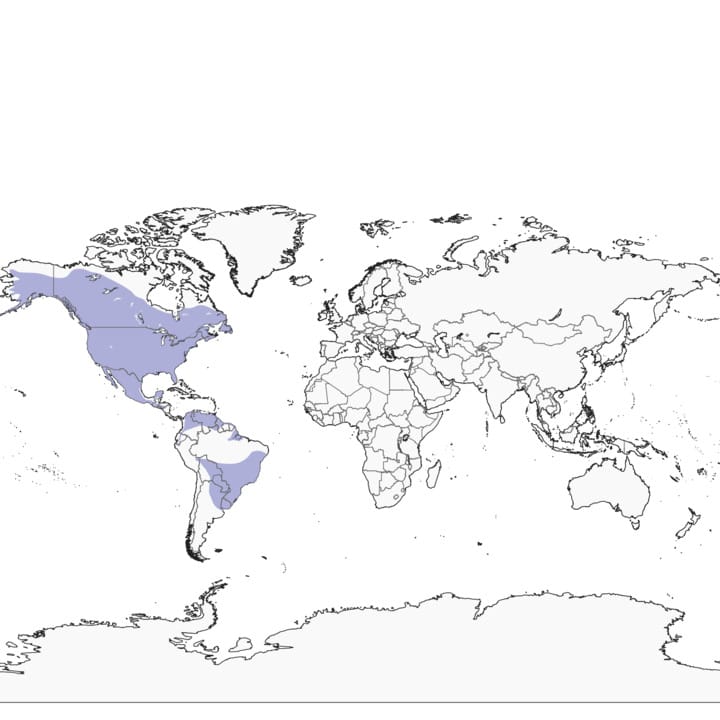
great horned owl range map
range map from cornell's all about birds site


Fun Great Horned Owl Facts:

  • Those "horns" or "ears" are called plumicorns. They have nothing to do with hearing they are just tufts of feathers. The etymology is Latin for pluma (“feather”) + cornu (“horn”).
    They 'why' is apparently a bit complex. A paper from 1981 examined some of the hypotheses and found the 'camoflauge' theory to be compelling as one of the primary reasons. Basically they are nocturnal and the plumicorns looks sort of like broken branches and help them blend in a bit more in the day during their periods of inactivity. A more recent study using evolutionary history seemed to come to similar conclusions. But there are other theories too covering reasons like intimidation, species recognition, and communication.
  • They are found in sf year round. In particular, they garner interest in the city around spring to summertime when the owlets pop up. They are particularly popular in Bernal Heights Park as well as in the Presidio, GGP, and as we saw, Mt. Davidson.

    weekly bar chart
    ebird weekly bar chart for sf
  • Like other owls they are incredible hunters. They hunt at night and are pretty much silent due to their fringed feathers, and with their size they can take down pretty large or formidable prey. I won't share anything here because it can get pretty brutal, but I've seen videos of them hunting a pretty wide variety of animals including skunks, ospreys, you name it.
  • Speaking of hunting and diet, if you're like me you dissected owl pellets in science class growing up and saw all the little bones that the owls ate. But according to one study of great horned owls I stumbled upon, they found feathers of birds in the pellets but only the bones from mammals indicating there may be some bias in certain owl studies if they only look at bones to identify owl diet.
  • Depending on who you ask there are something like 10-20 subspecies of Bubo virginianus. Subspecies science is a pretty inexact science so take it with a grain of salt. That being said, the ones we see here I believe are California great horned owl (Bubo virginianus pacificus). The California ones are among the smallest in size with the biggest being the ones up in Alaska and Canada.
    Looking at the different subspecies is another reminder of how truly varied the habitats are that these guys can surve in. For example, there is a Desert great horned owl (Bubo virginianus pallescens) which, among other places, can be found here in California in the Mojave Desert. Very adaptable!


Member Submissions

Thank you to everyone who sent me photos of the birds they saw!


To lead off Sangeeta shared a very cool experience from GGP. In Sangeeta's words:

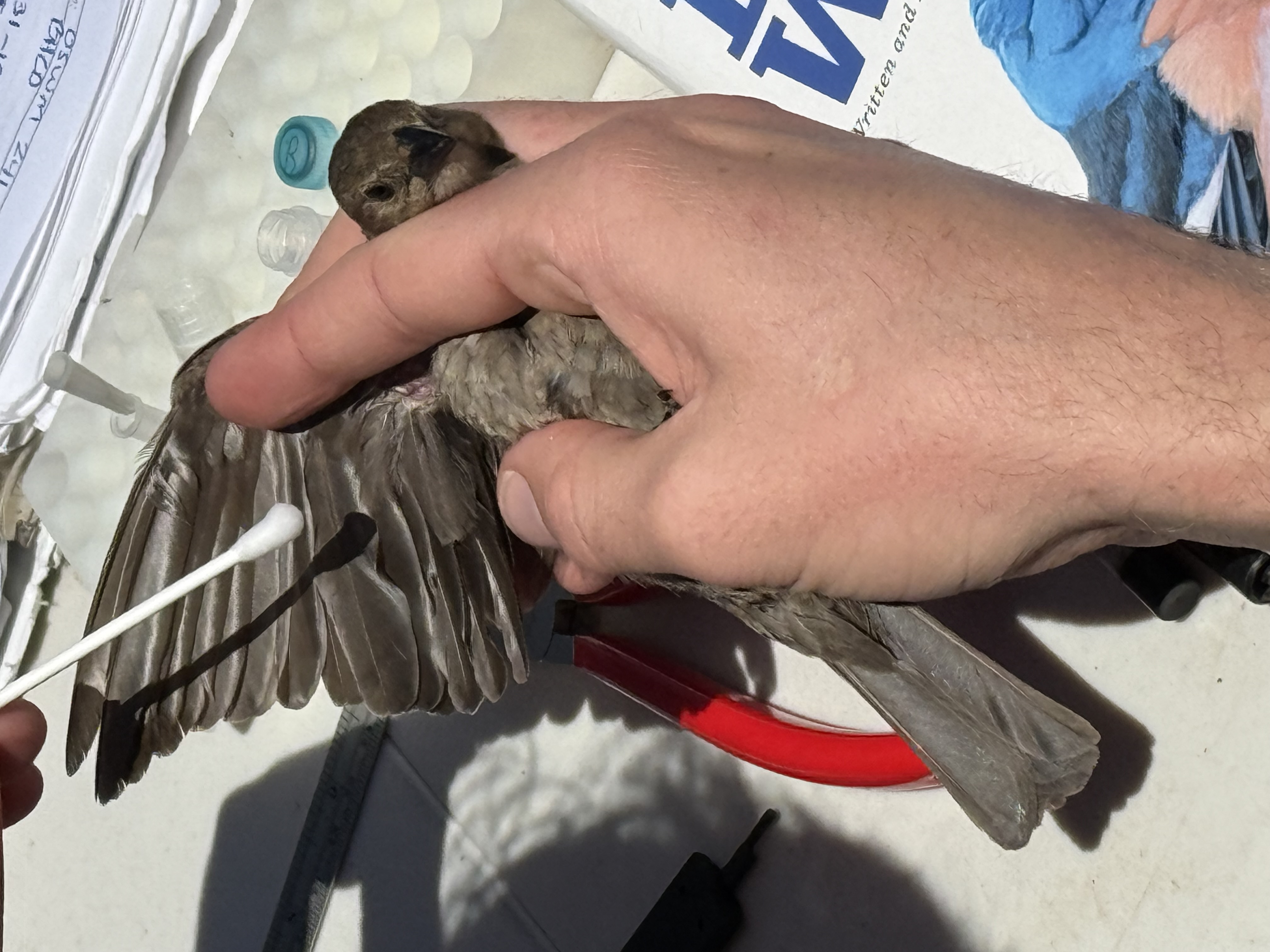
I am sharing pictures of a bird mist net experience at Middle lake. Students from SF State University had put up mist nets and I observed them weighing, banding, taking blood samples etc. They caught 3 song sparrows, 1 brown headed cowbird, 1 Wilson’s warbler, 1 American Robin and 1 Nutall’s woodpecker.
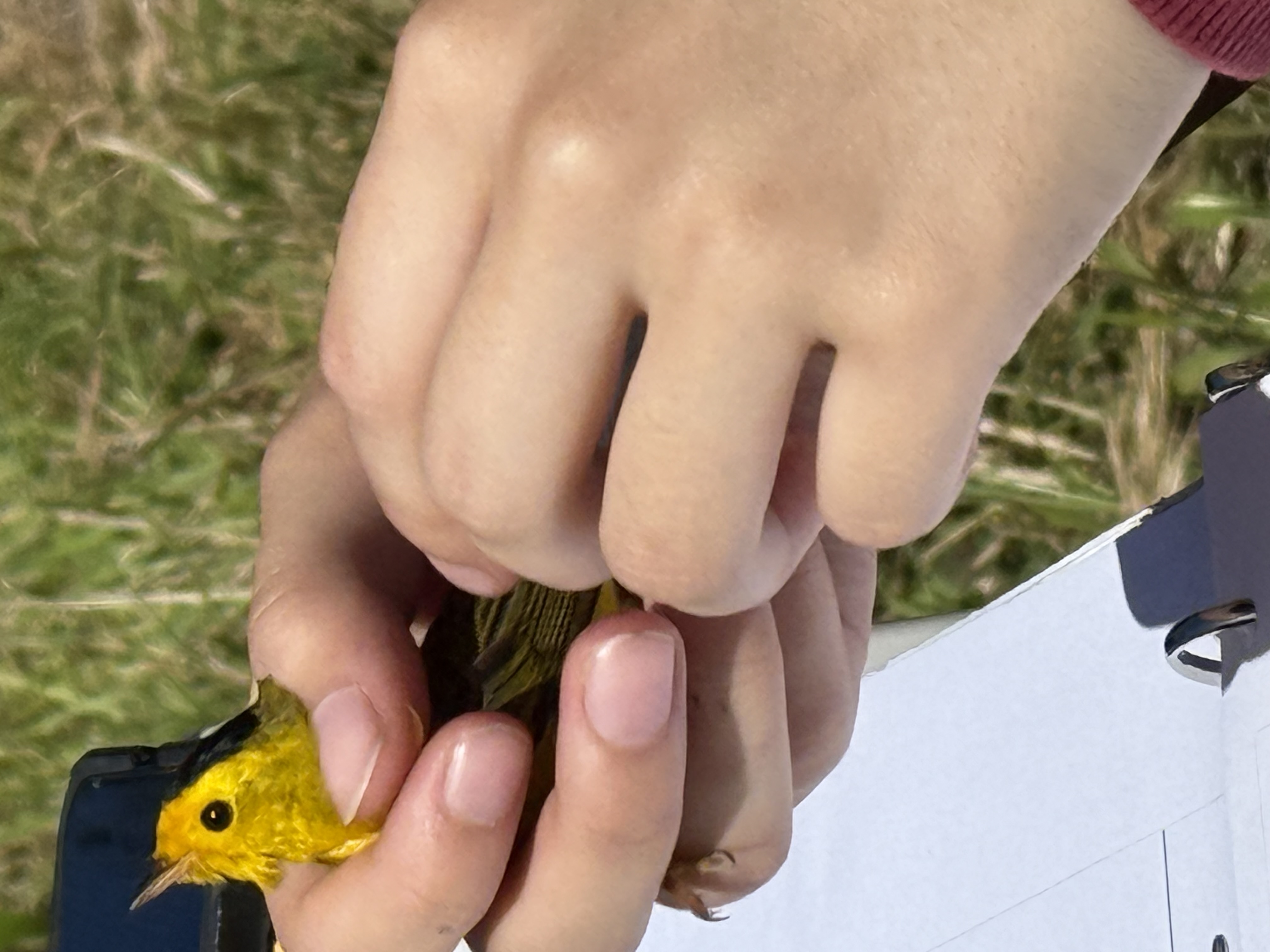
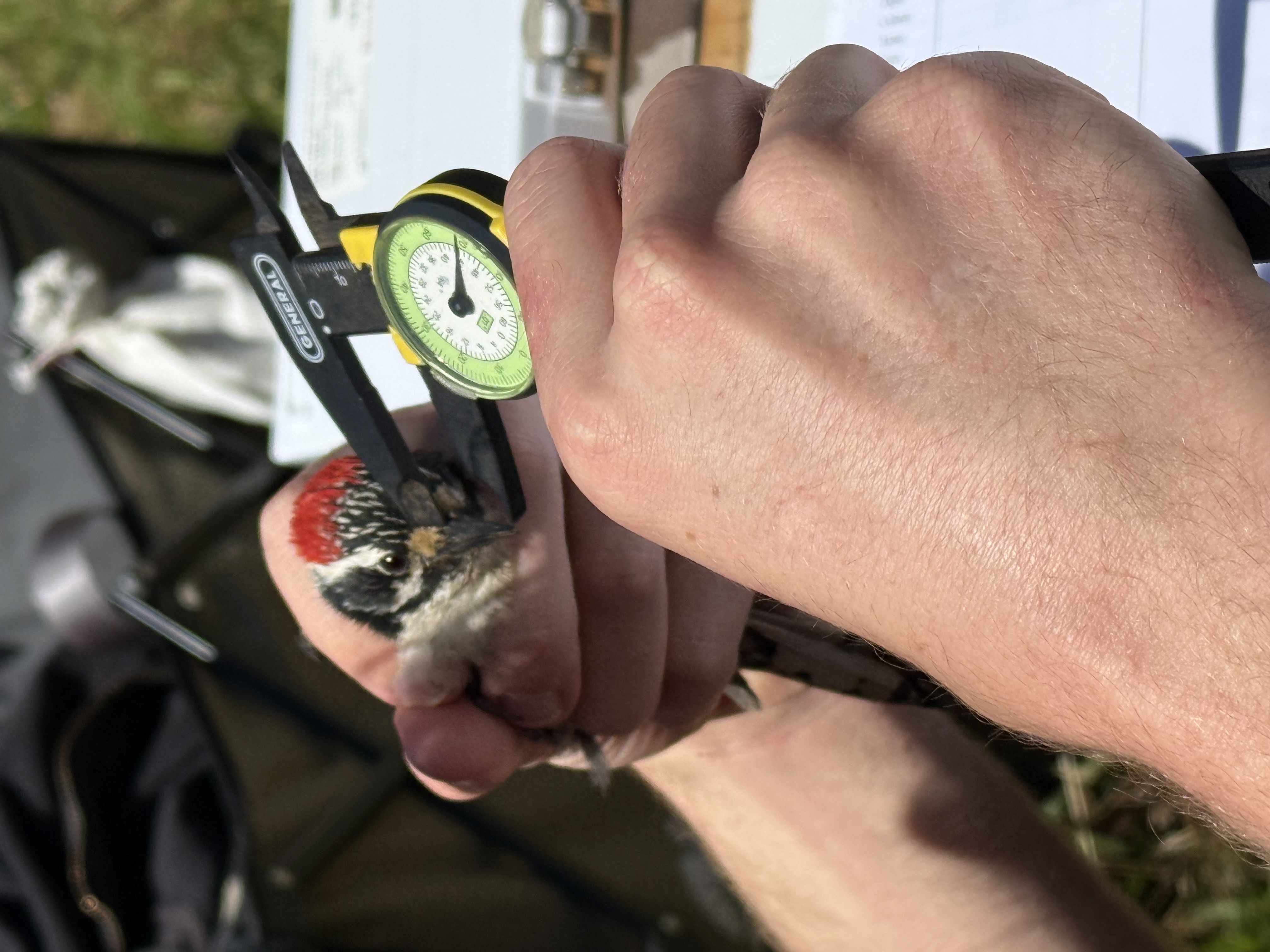
wilson's warbler
wilson's warbler (Cardellina pusilla)
nuttal's woodpecker
nuttal's woodpecker (Picoides nuttallii)
brown-headed cowbird
brown-headed cowbird (Molothrus ater)


Next up George saw an oakland golf course duo - an acorn woodpecker and a steller's jay.
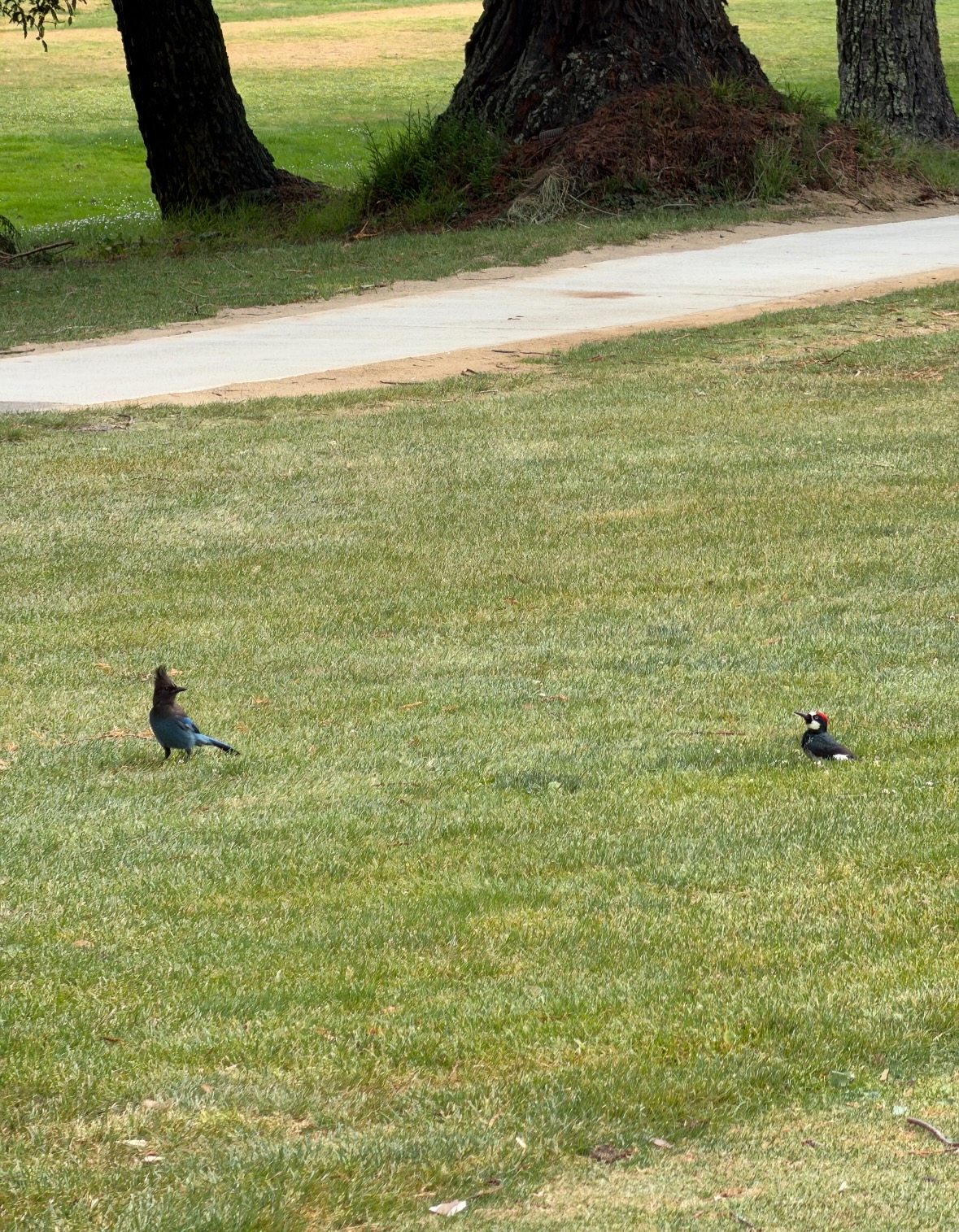
stellers jay and acorn woodpecker
steller's jay (Cyanocitta stelleri) and acorn woodpecker (Melanerpes formicivorus)


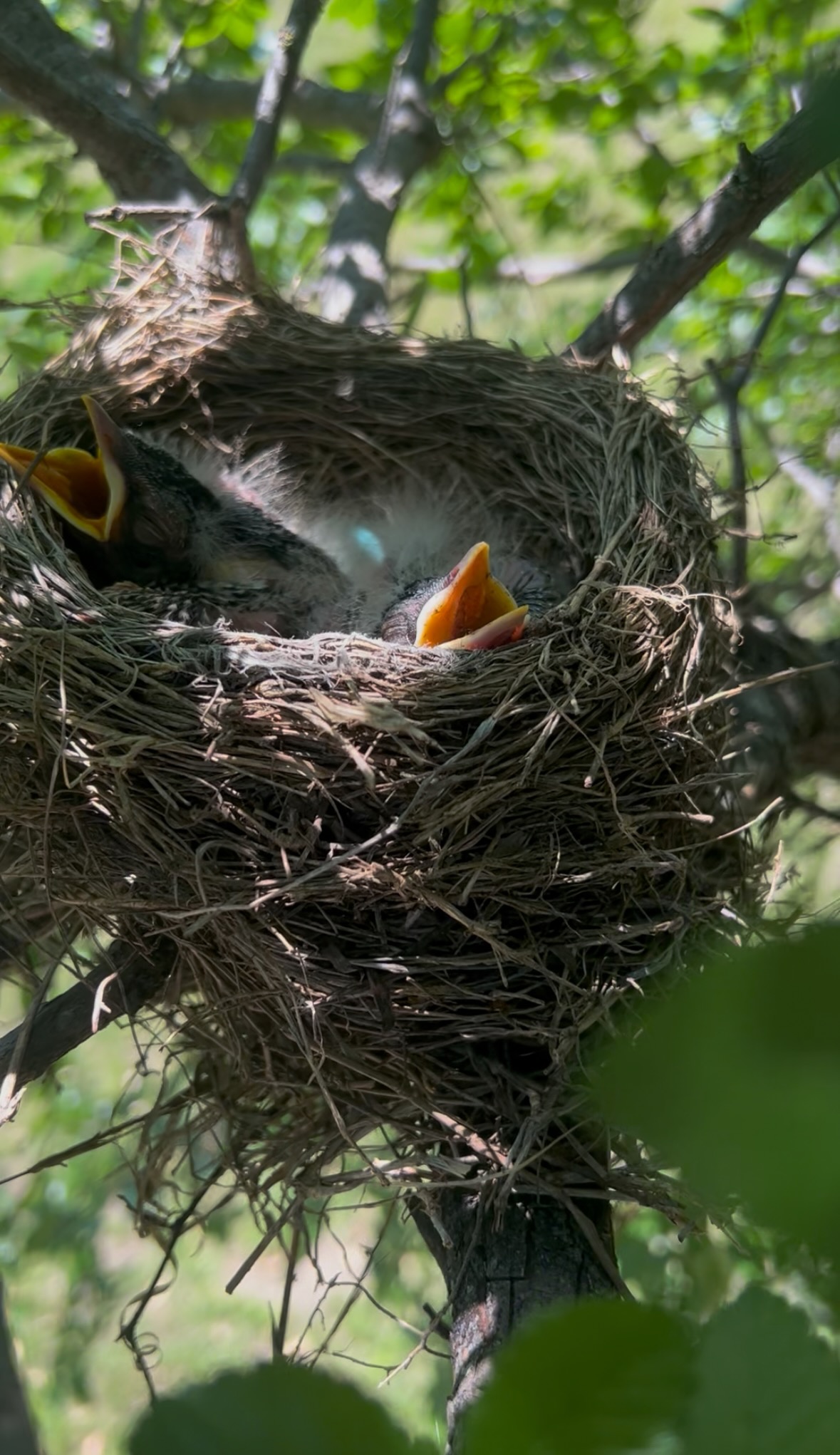
Over in Texas Nick checked in on this robin and robin nest
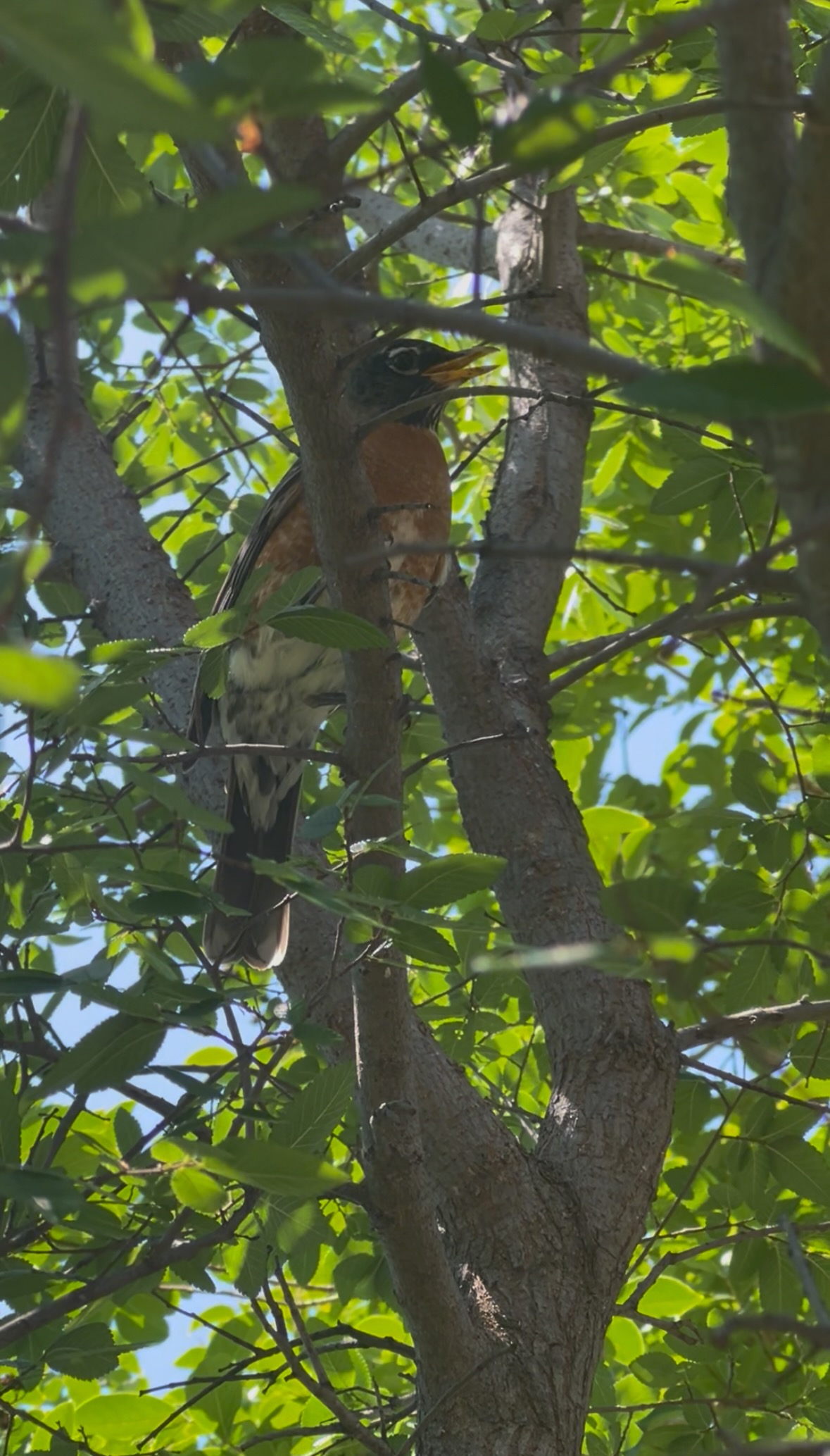
american robin (Turdus migratorius)
robin nestlings
robin nestlings


Aarsh sent a video showing off the bird sound in his neighborhood. Here is a screenshot
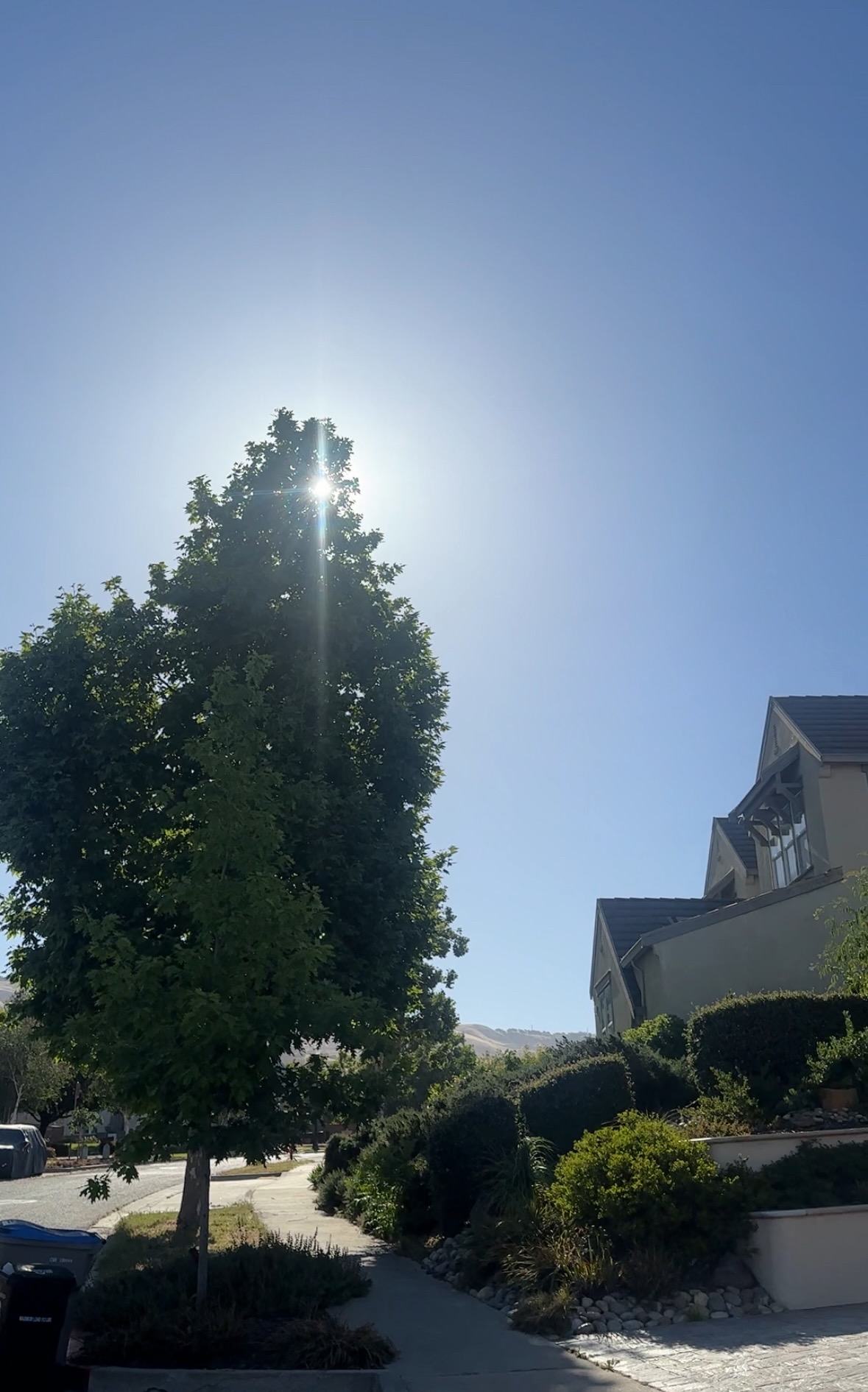
tree with birds
a tree that has singing birds


Punam snapped some pics of a baldie in san jose!
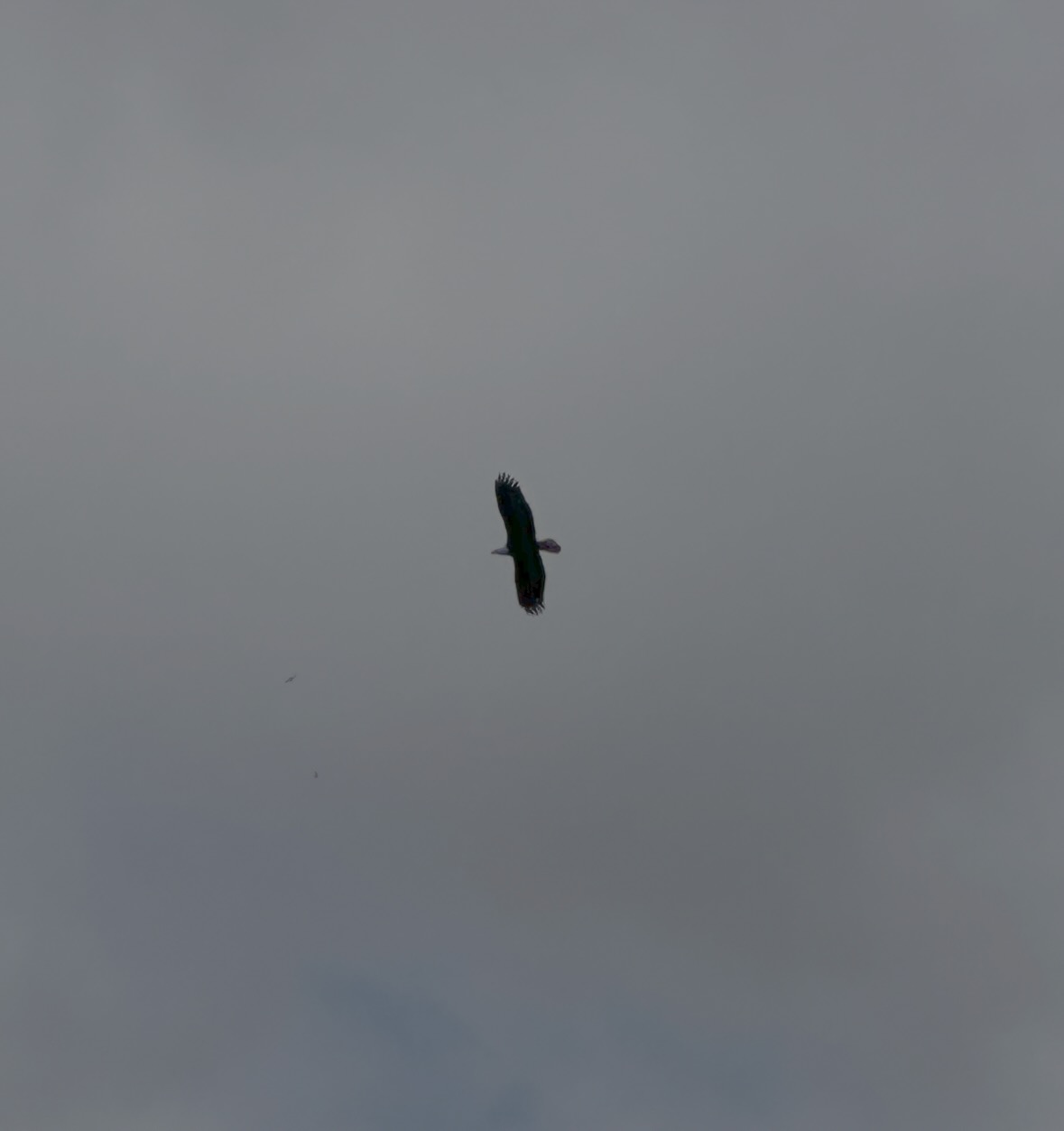
bald eagle
bald eagle (Haliaeetus leucocephalus)


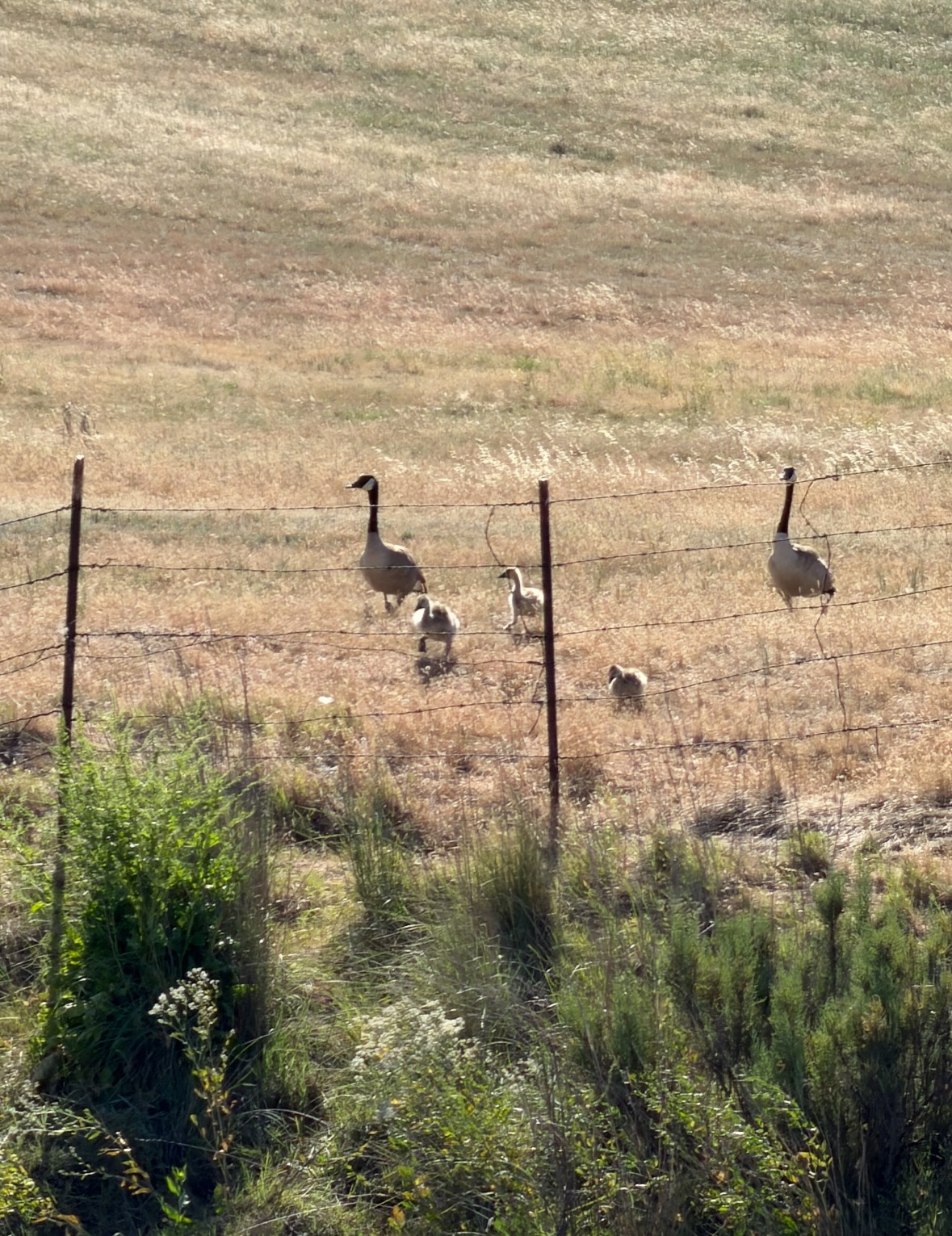
Kelly and baby John were back at it in their local pond in the east bay!
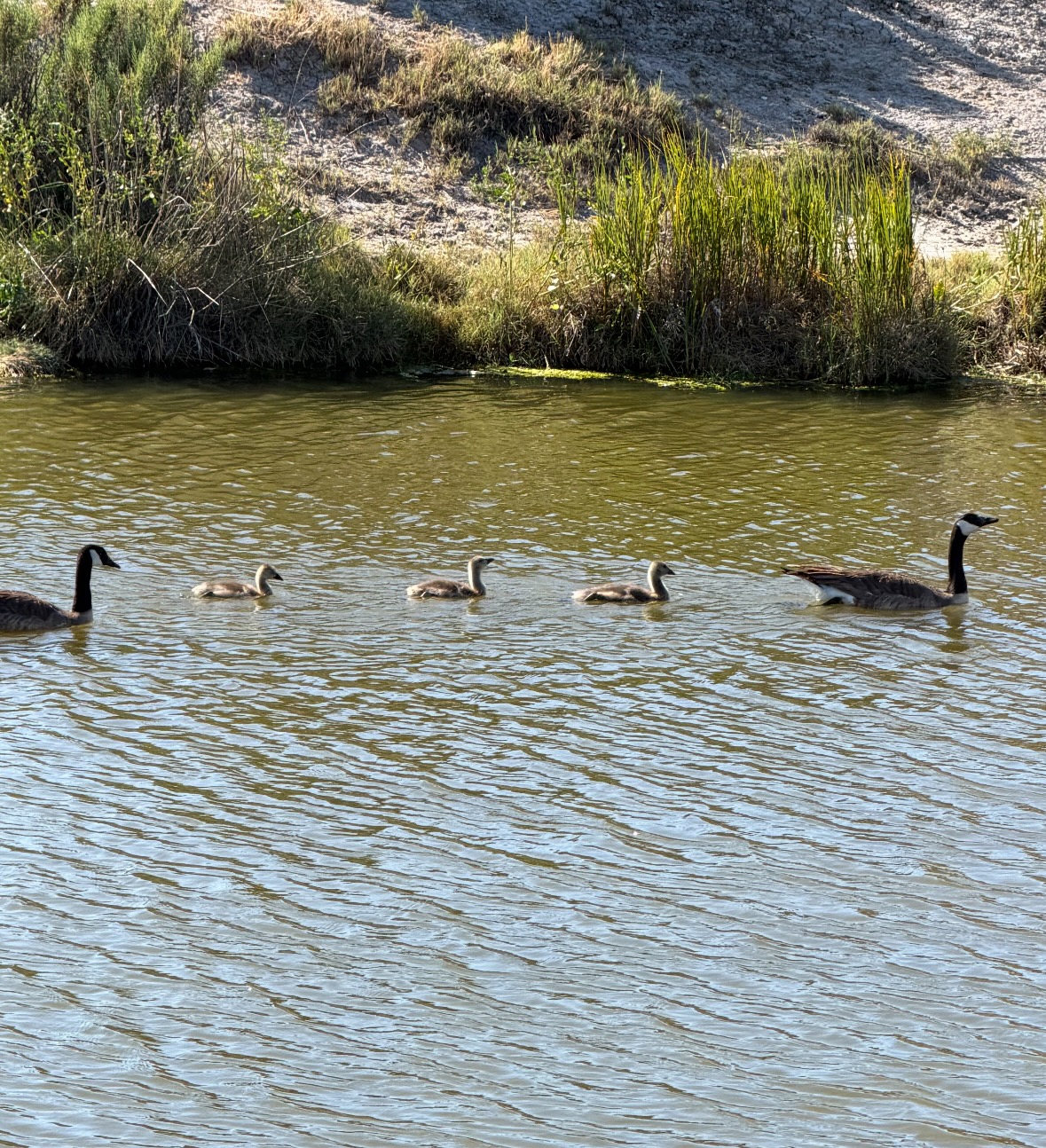
canada goose family
canada goose family (Branta canadensis) on a field trip
canada goose family
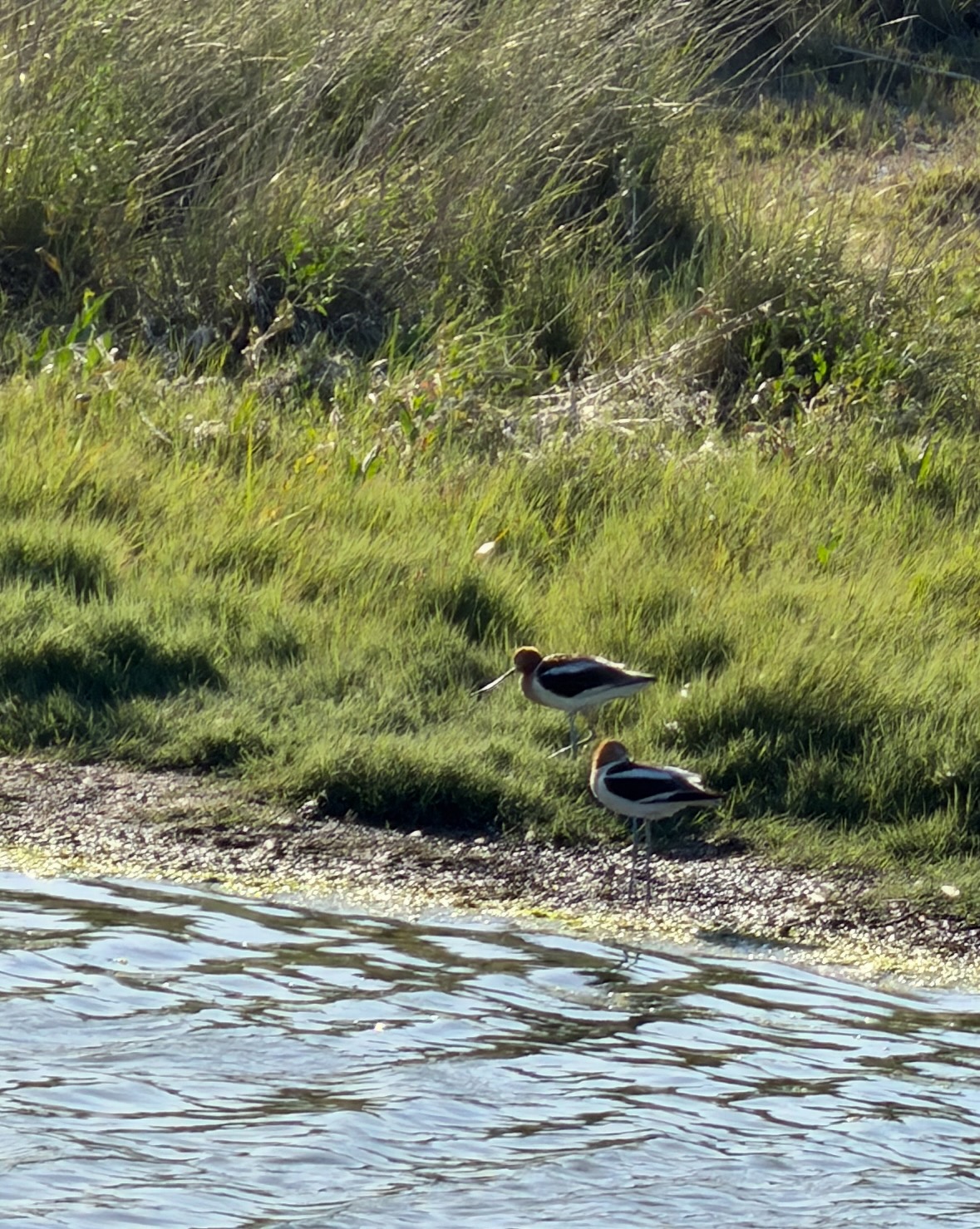
american avocets
american avocets (Recurvirostra americana)
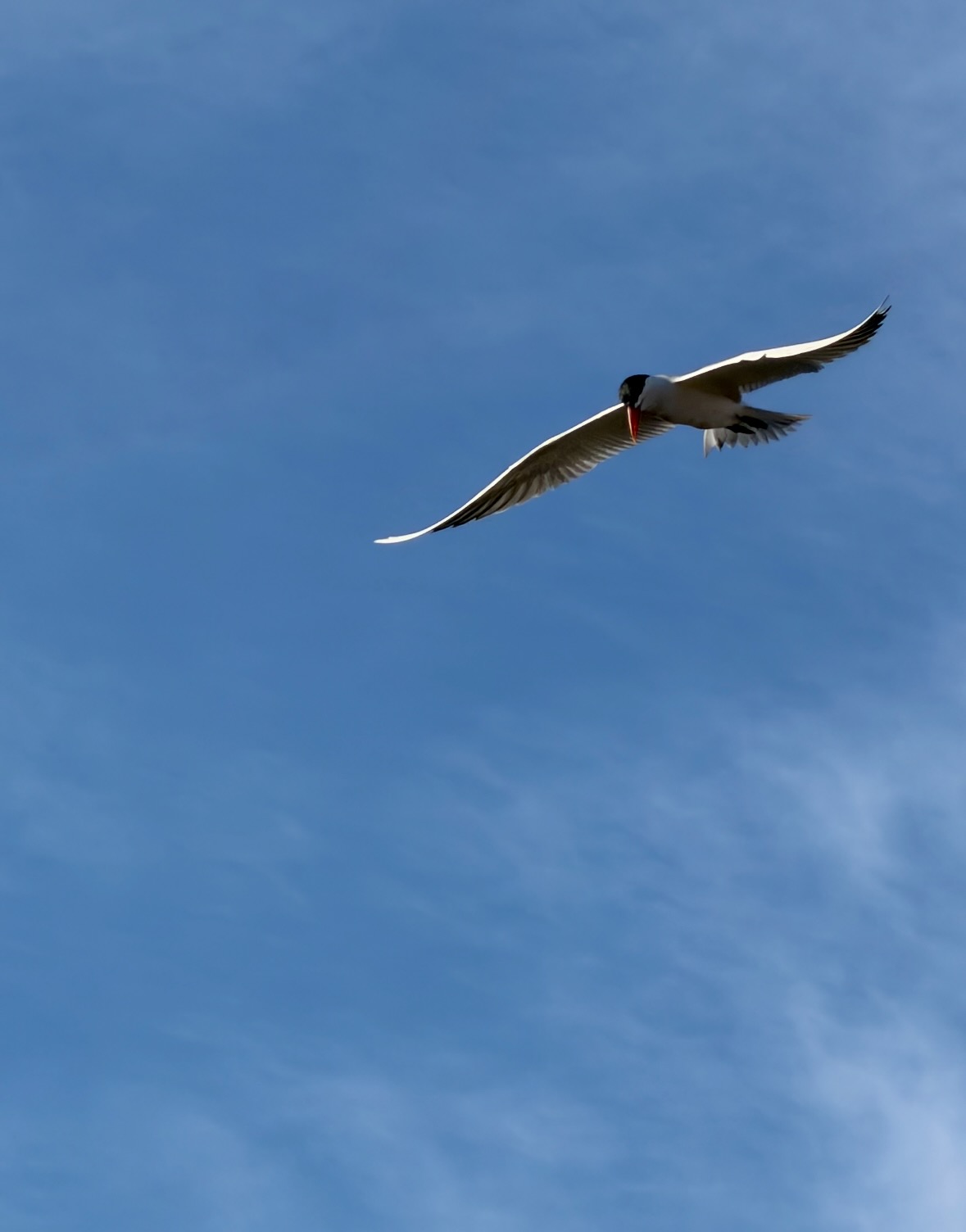
aspian tern
birding in santa barbara taught me i don't know anything about tern ID. That being said this is supposedly a caspian tern (Hydroprogne caspia). Really cool photo too


Sandy and Rick birded over in South Carolina and Georgia
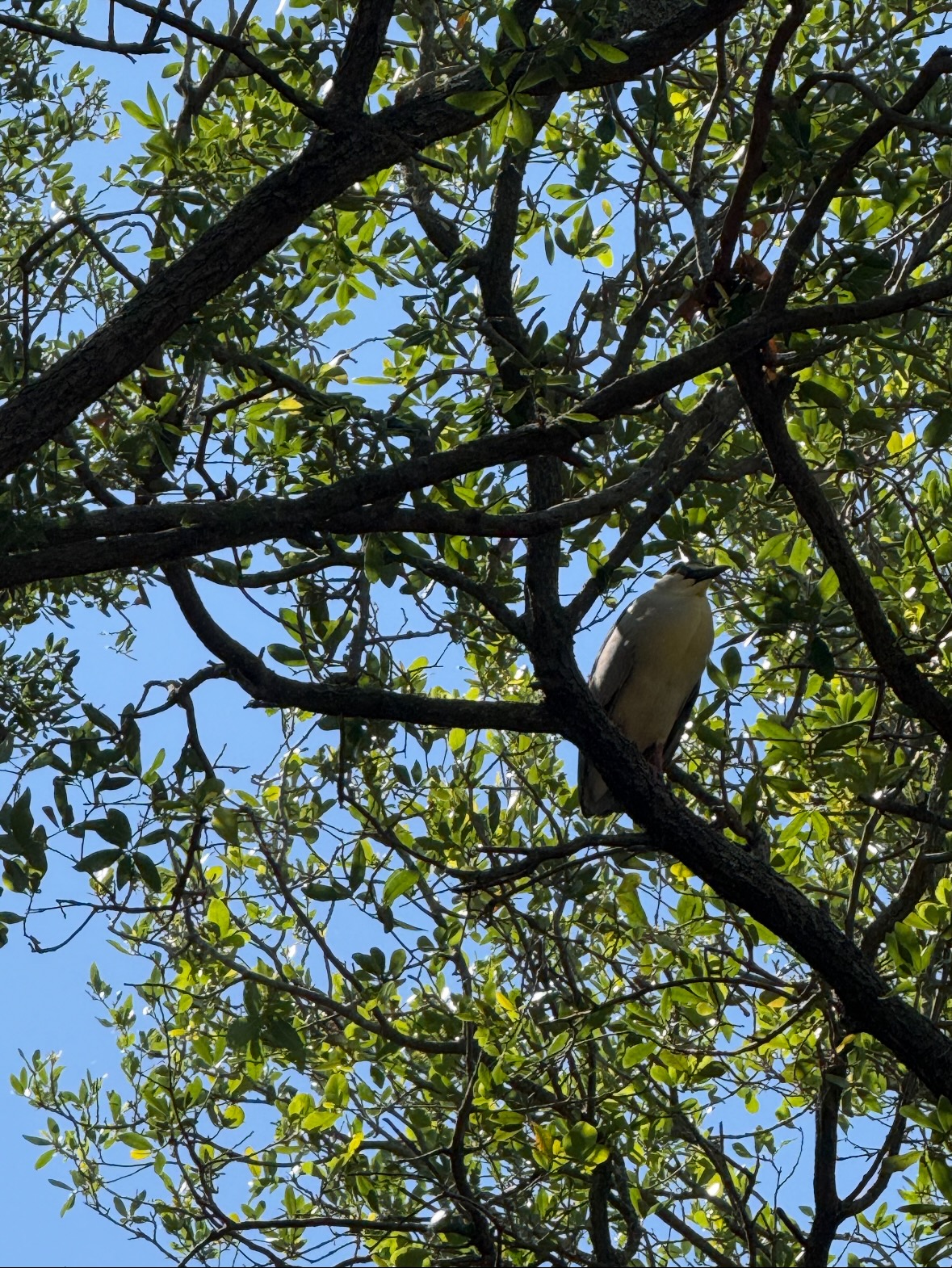
black-crowned night heron
black-crowned night heron (Nycticorax nycticorax)
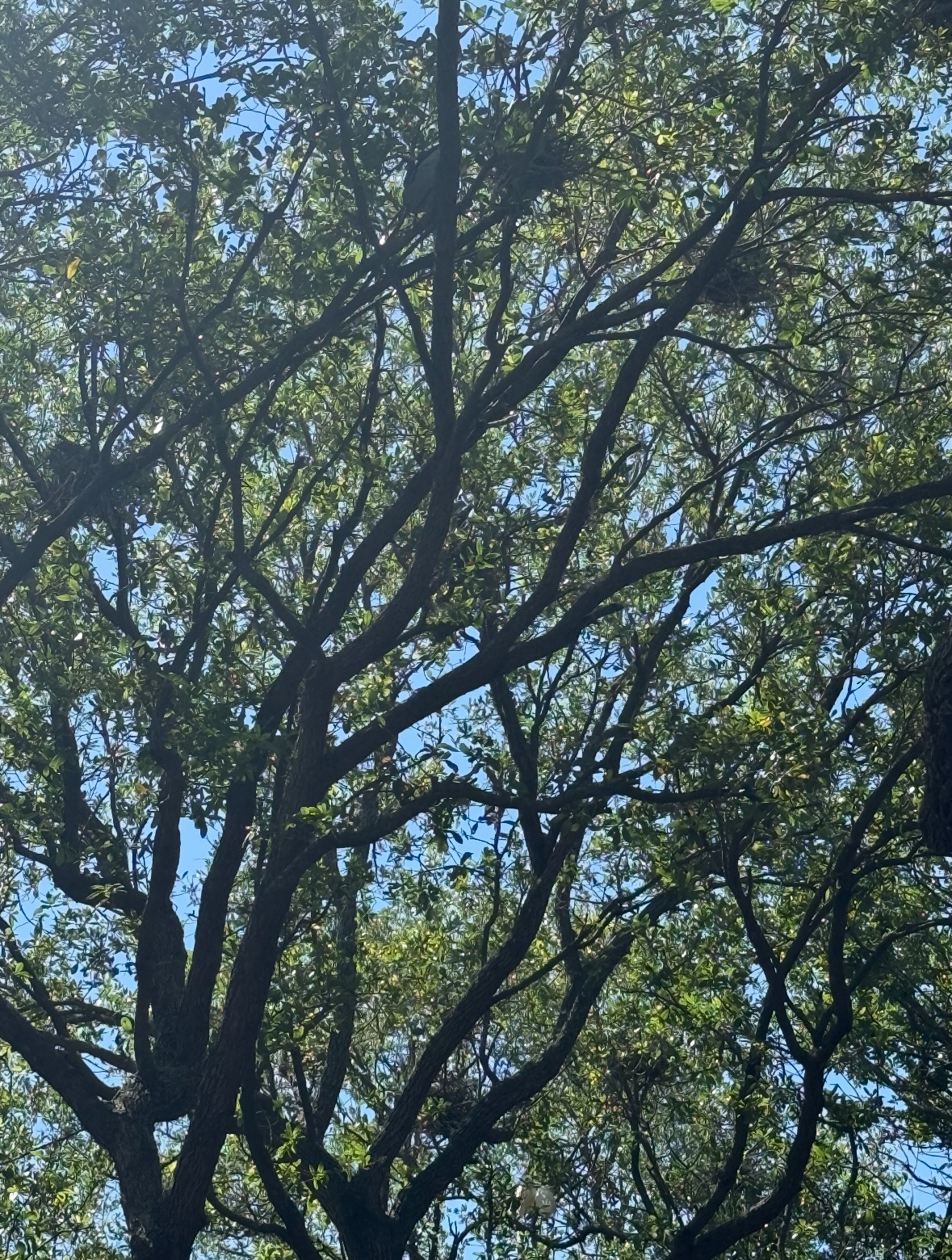
black-crowned night heron nests
the night heron nests
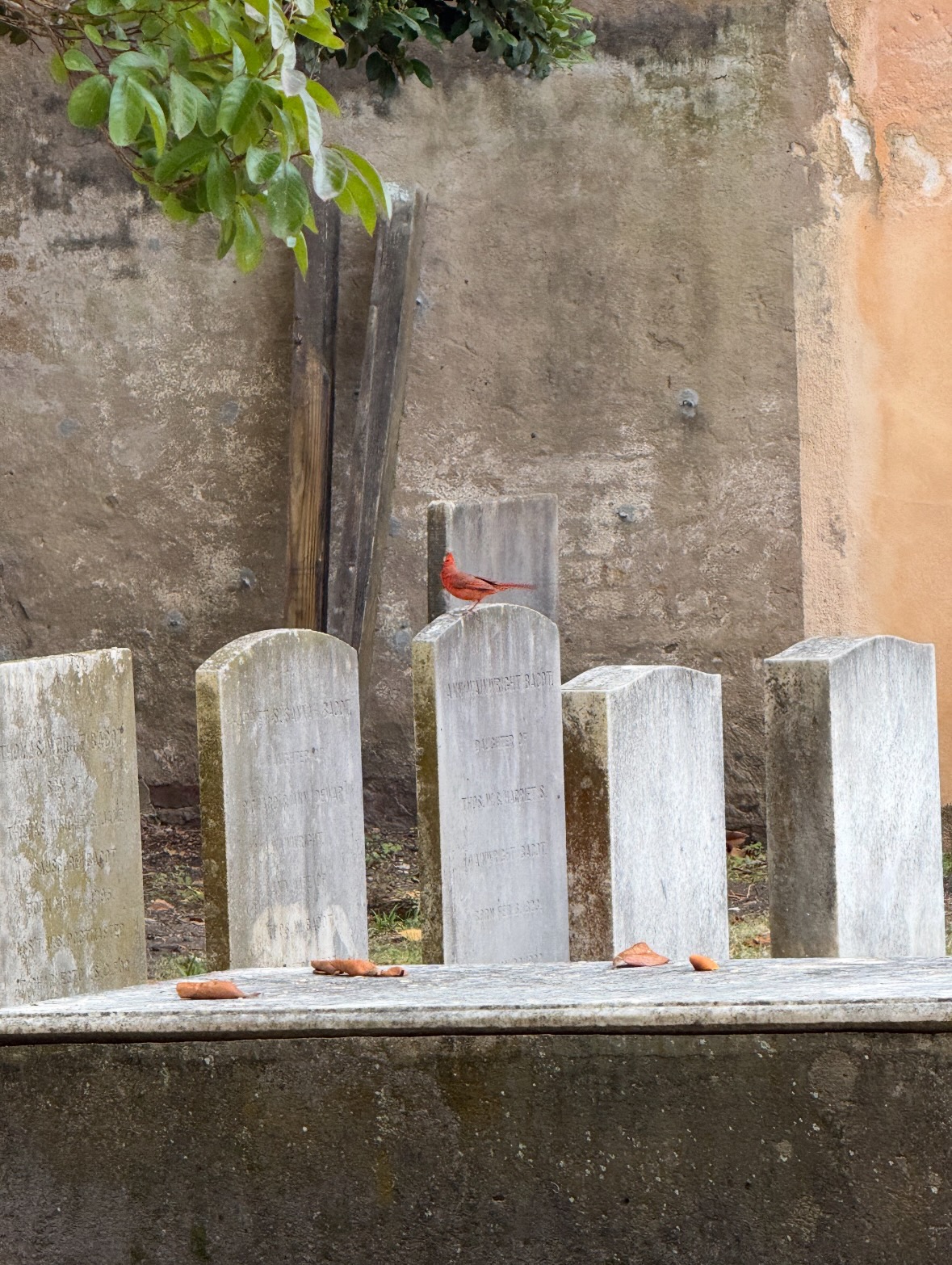
northern cardinal
northern cardinal (Cardinalis cardinalis)
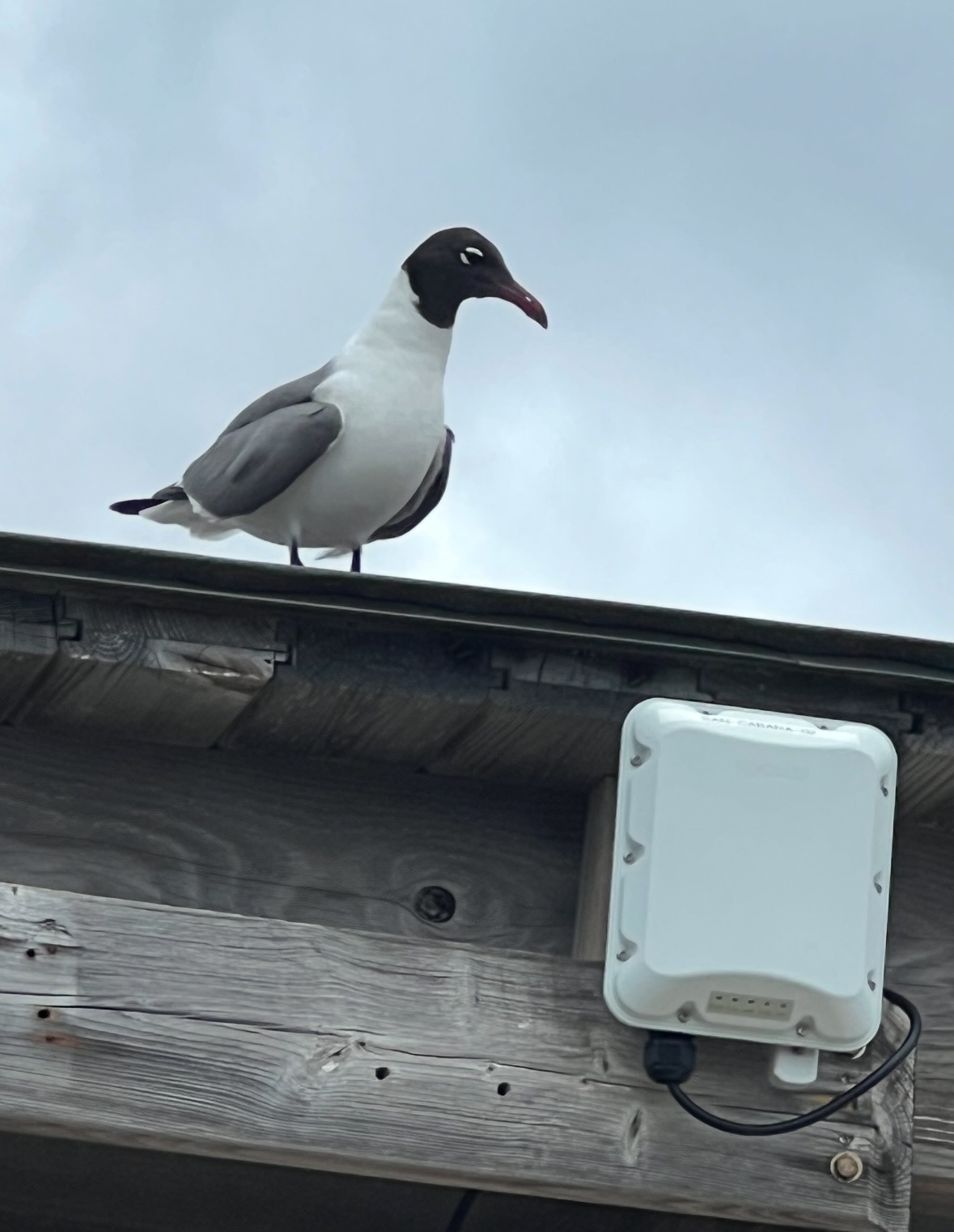
laughing gull
i like the laughing gull (Leucophaeus atricilla) because i can id it
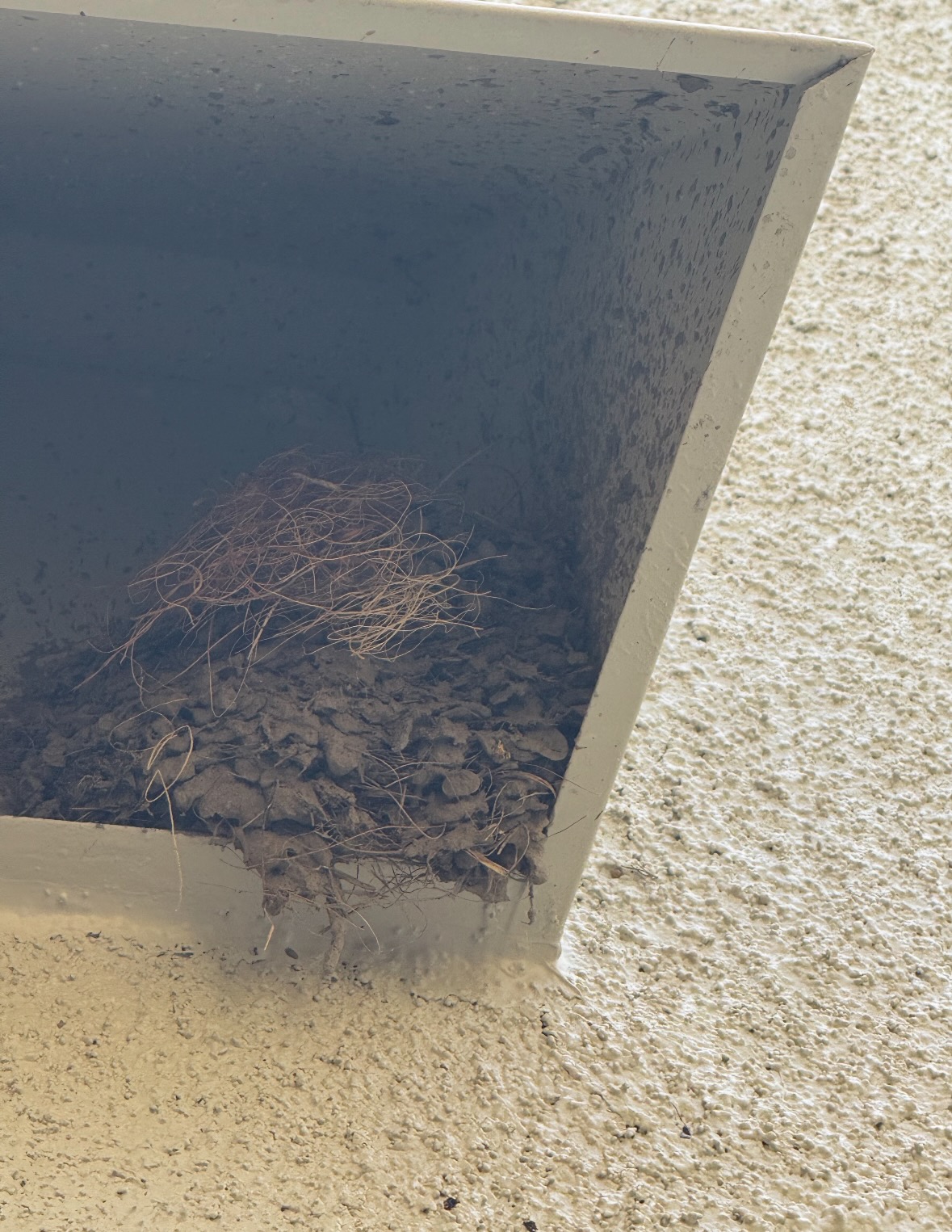
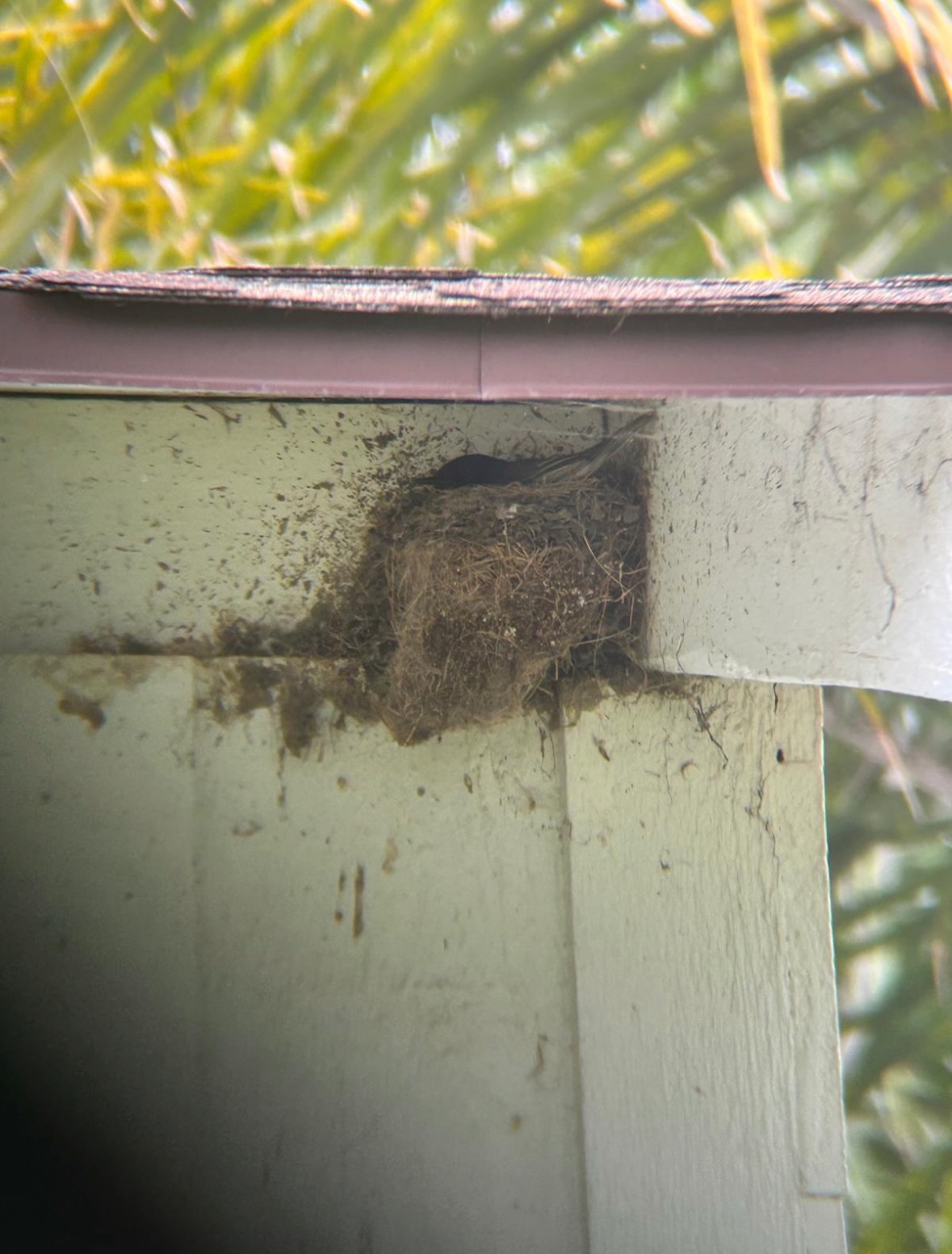
black phoebe nest
back in the east bay this black phoebe (Sayornis nigricans) nest was blocking their external stove exhaust vent.. luckily the nest was no longer in use. The nests are pretty neat the way they use mud and twigs.


Frank and Theresa did some birding in Rhode Island
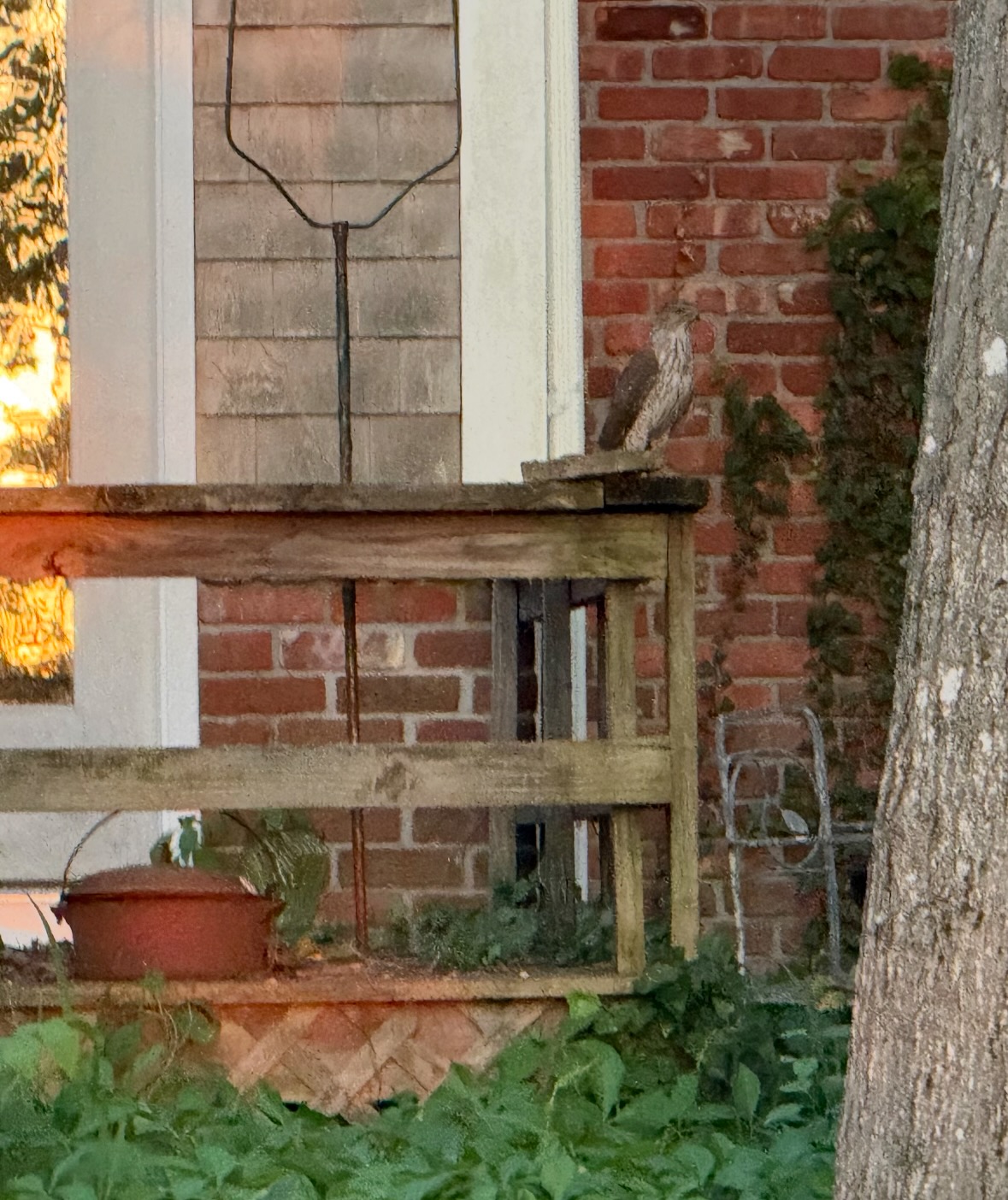
coopers hawk
i think it's a coopers hawk (Astur cooperii)
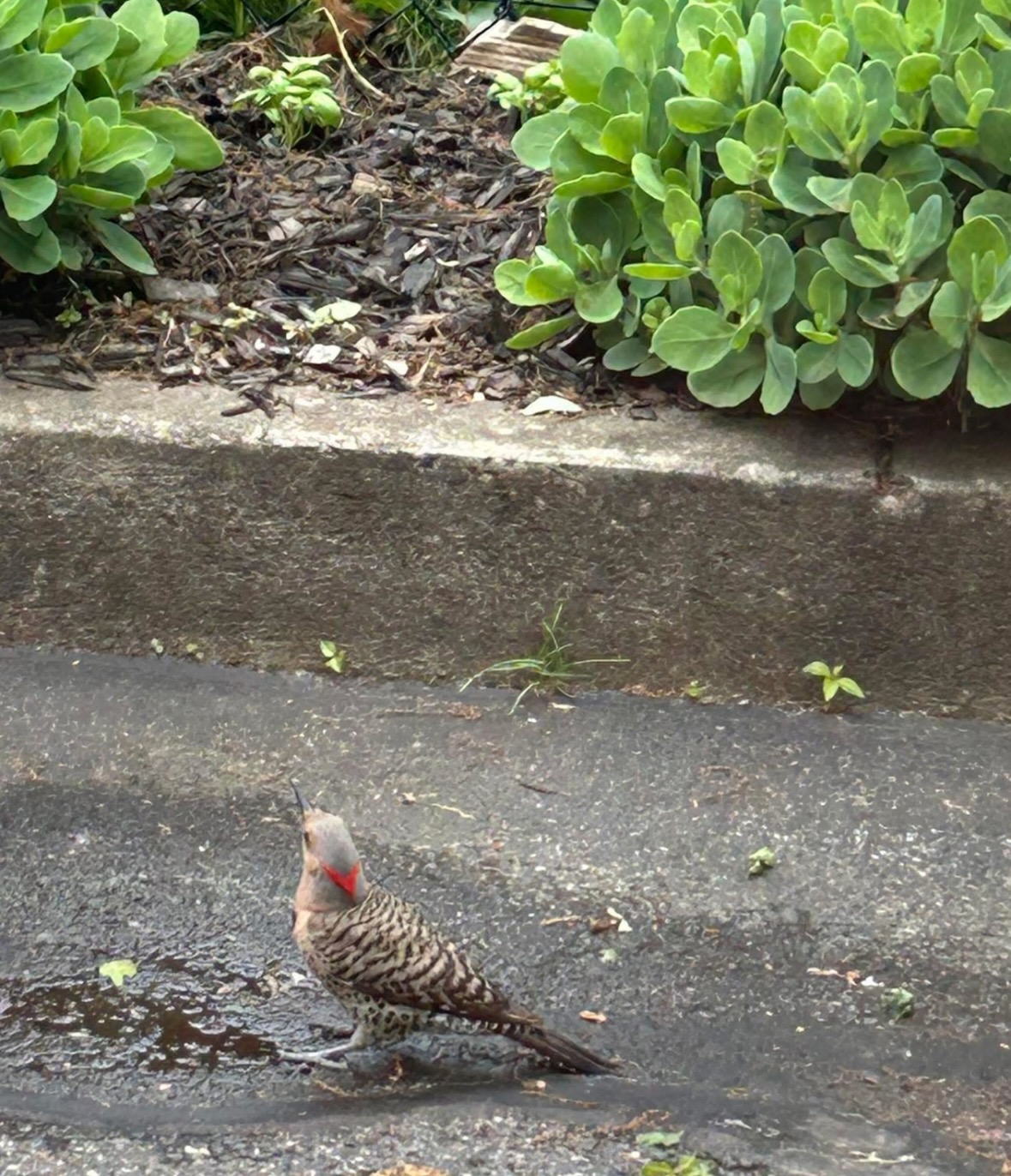
northern flicker
northern flicker (Colaptes auratus)


May and Chad also saw some California quail and turkeys up in Sonoma
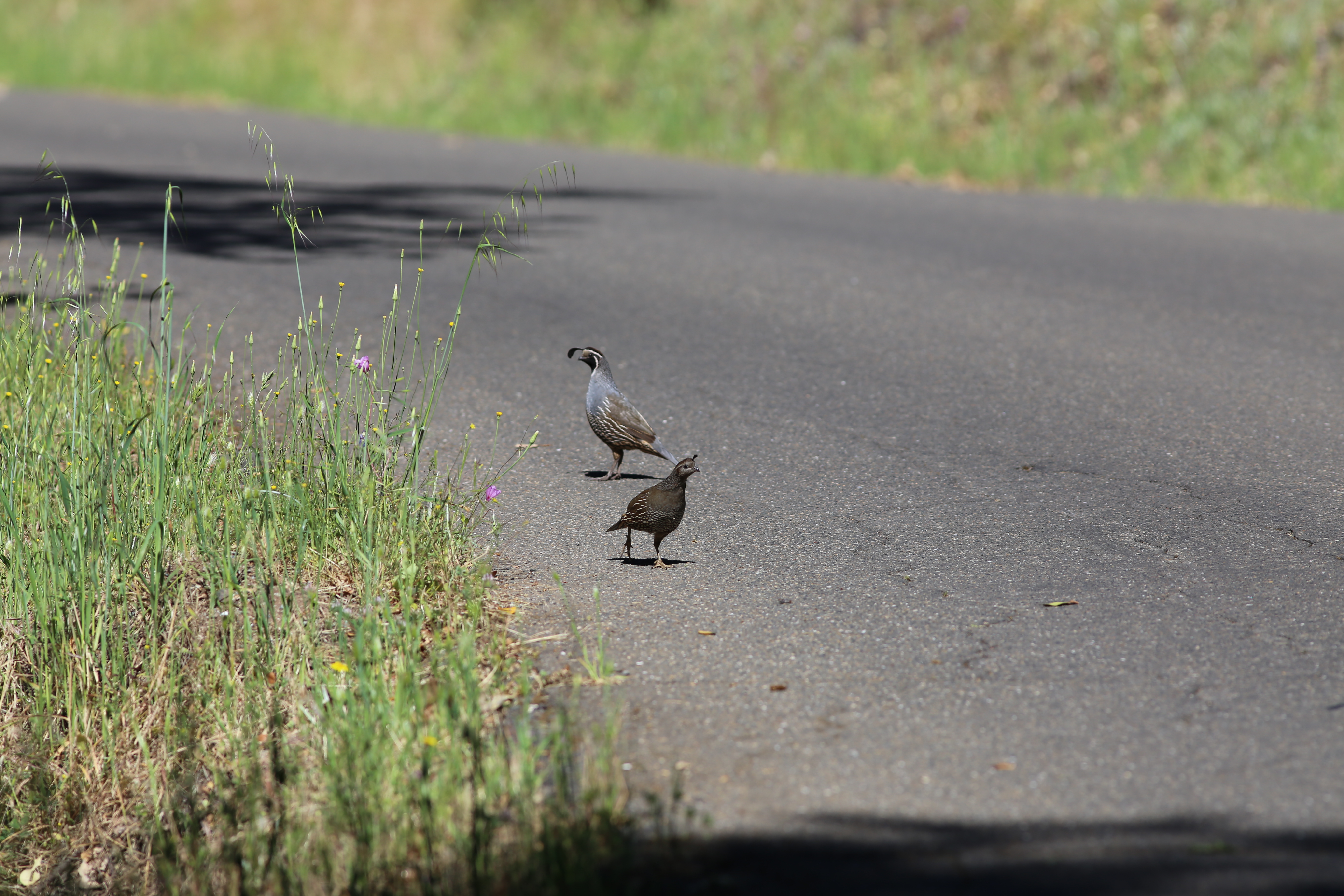
california quail
california quail (Callipepla californica)


Dom birded all over Santa Barbara and a lil bit in Indiana
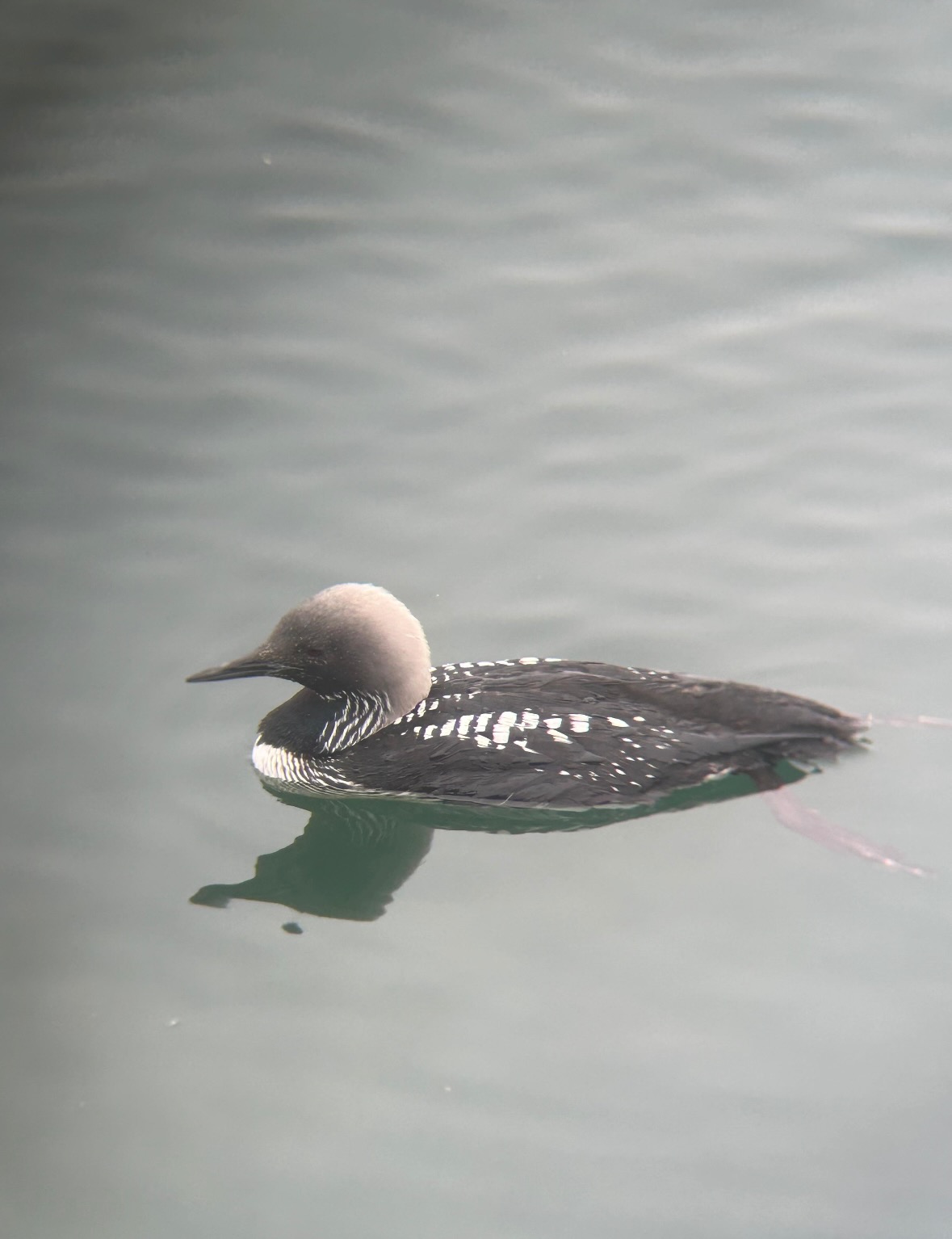
pacific loon
a very pretty pacific loon (Gavia pacifica)
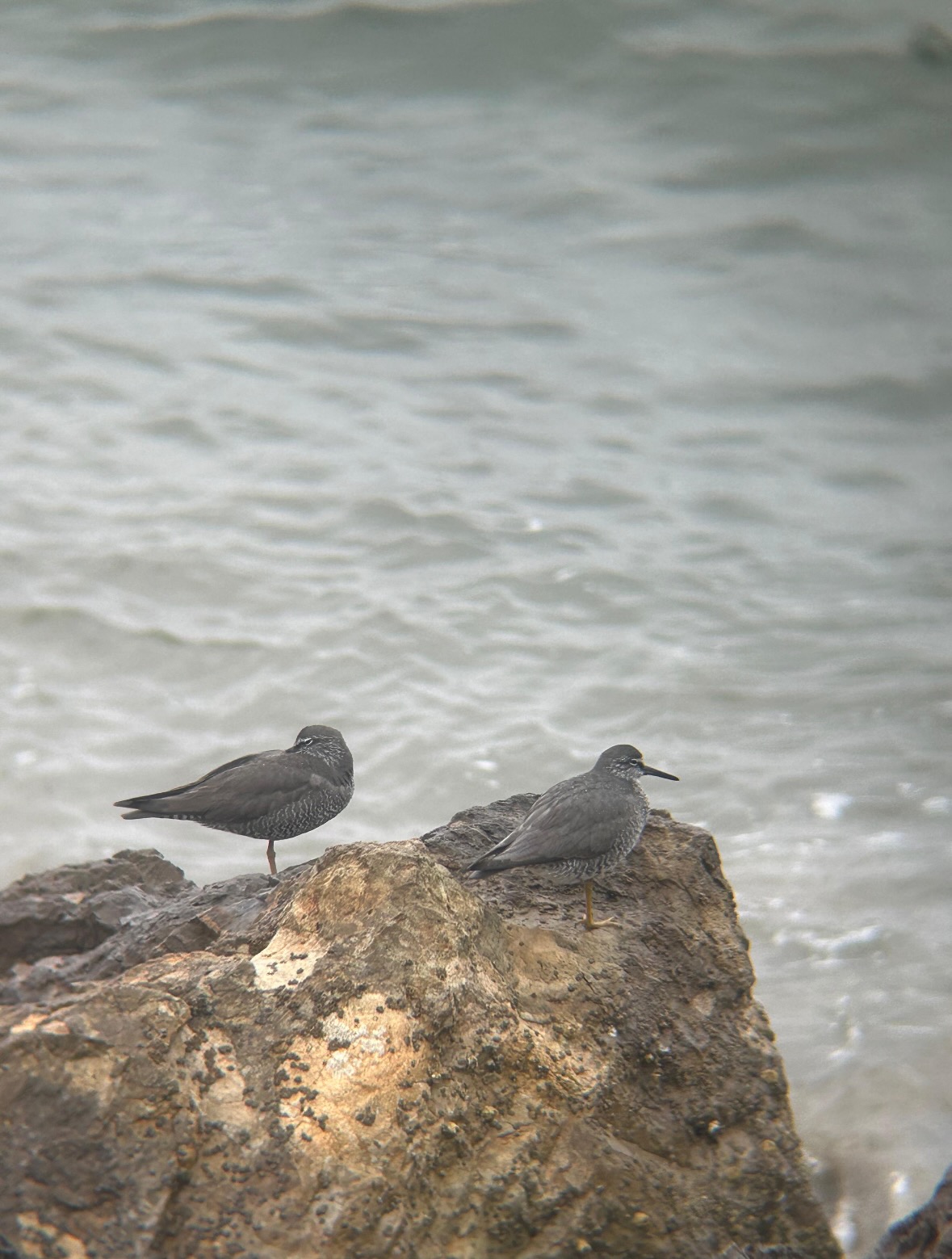
wandering tattler
the wandering tattler (Tringa incana) has a silly name
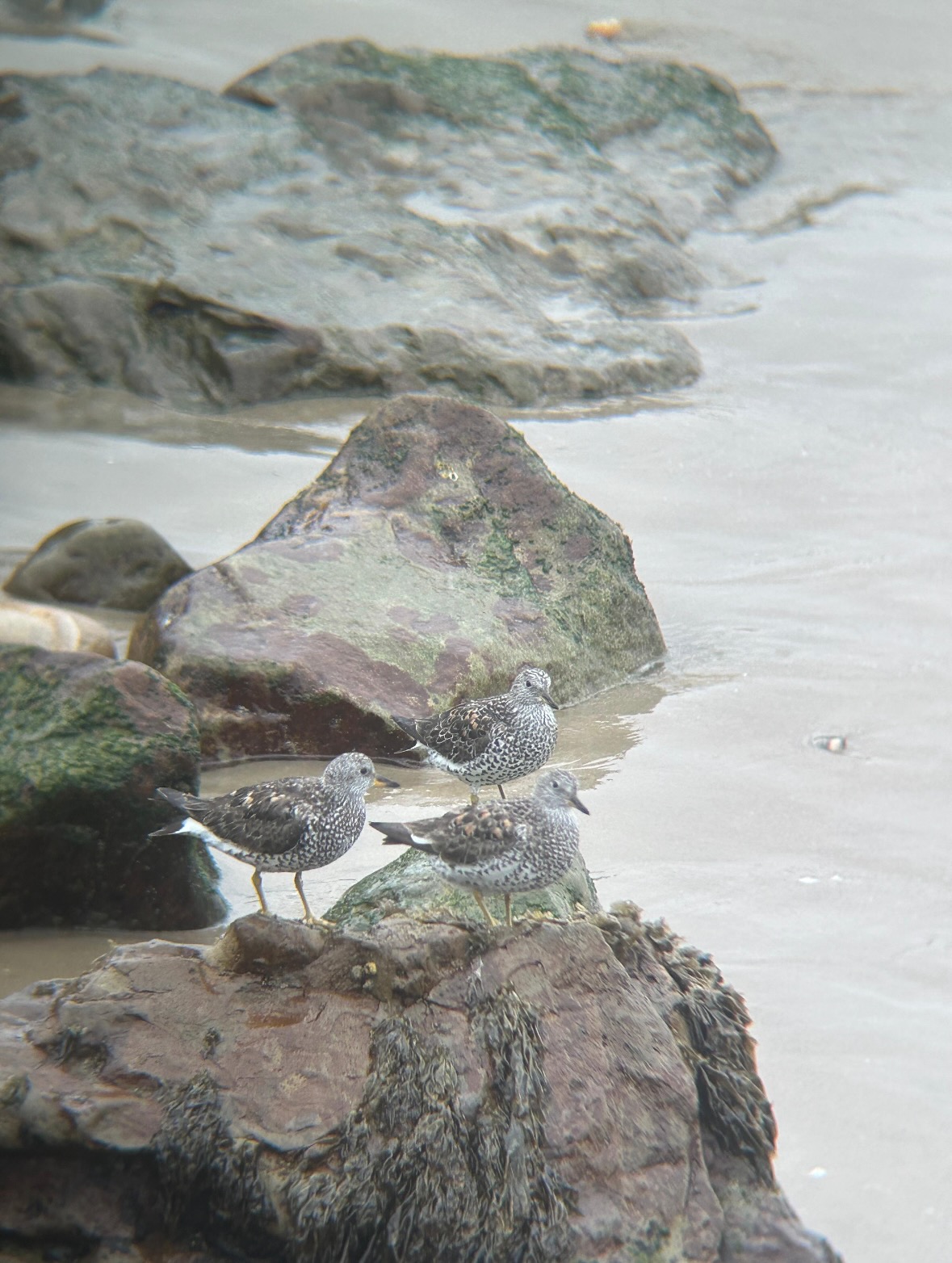
surfbird
the surfbird (Calidris virgata) has a cool name
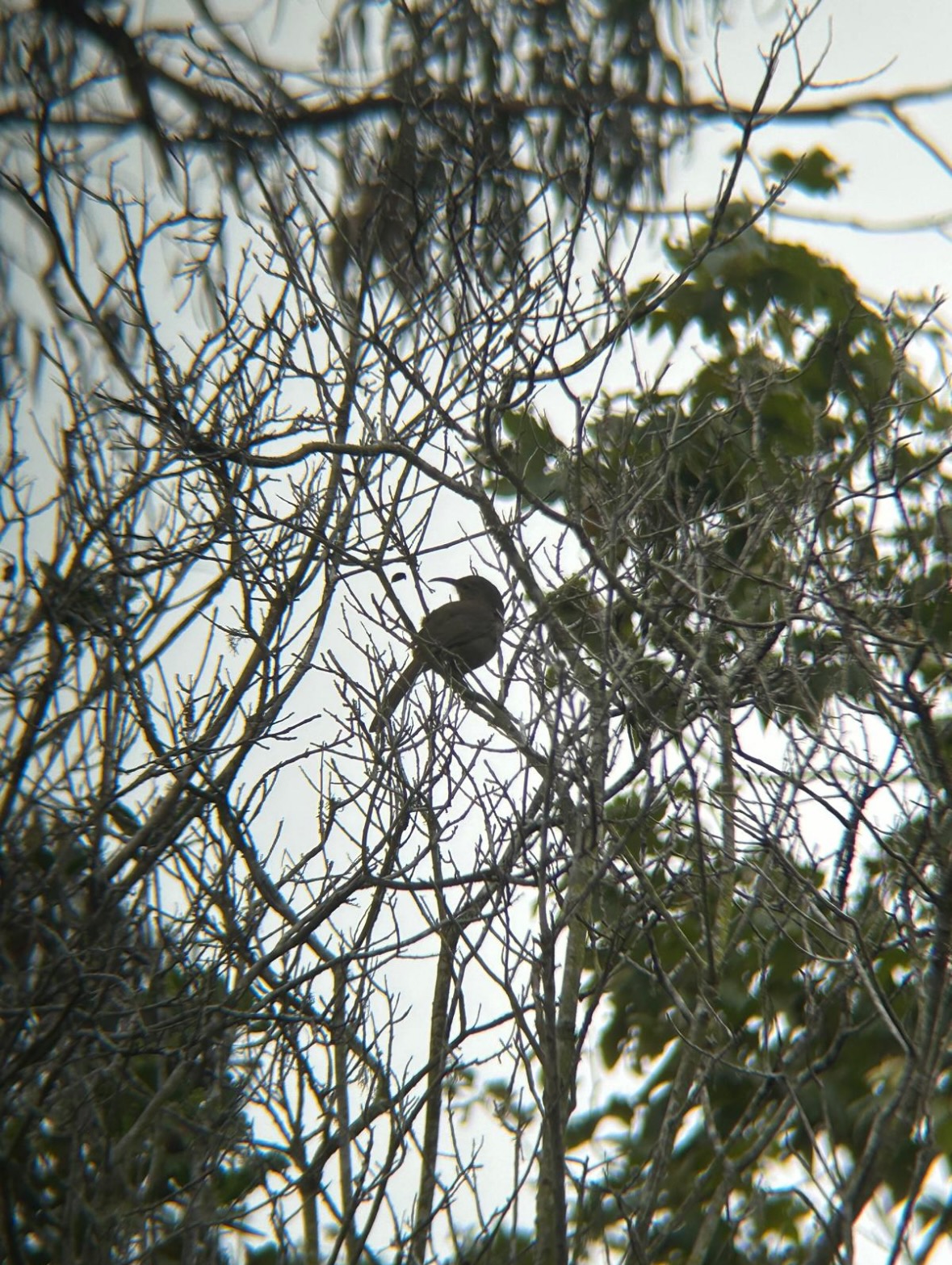
california thrasher
california thrashers (Toxostoma redivivum) are very cool
black phoebe nest
Dom also saw a black phoebe (Sayornis nigricans) nest! This one inhabited
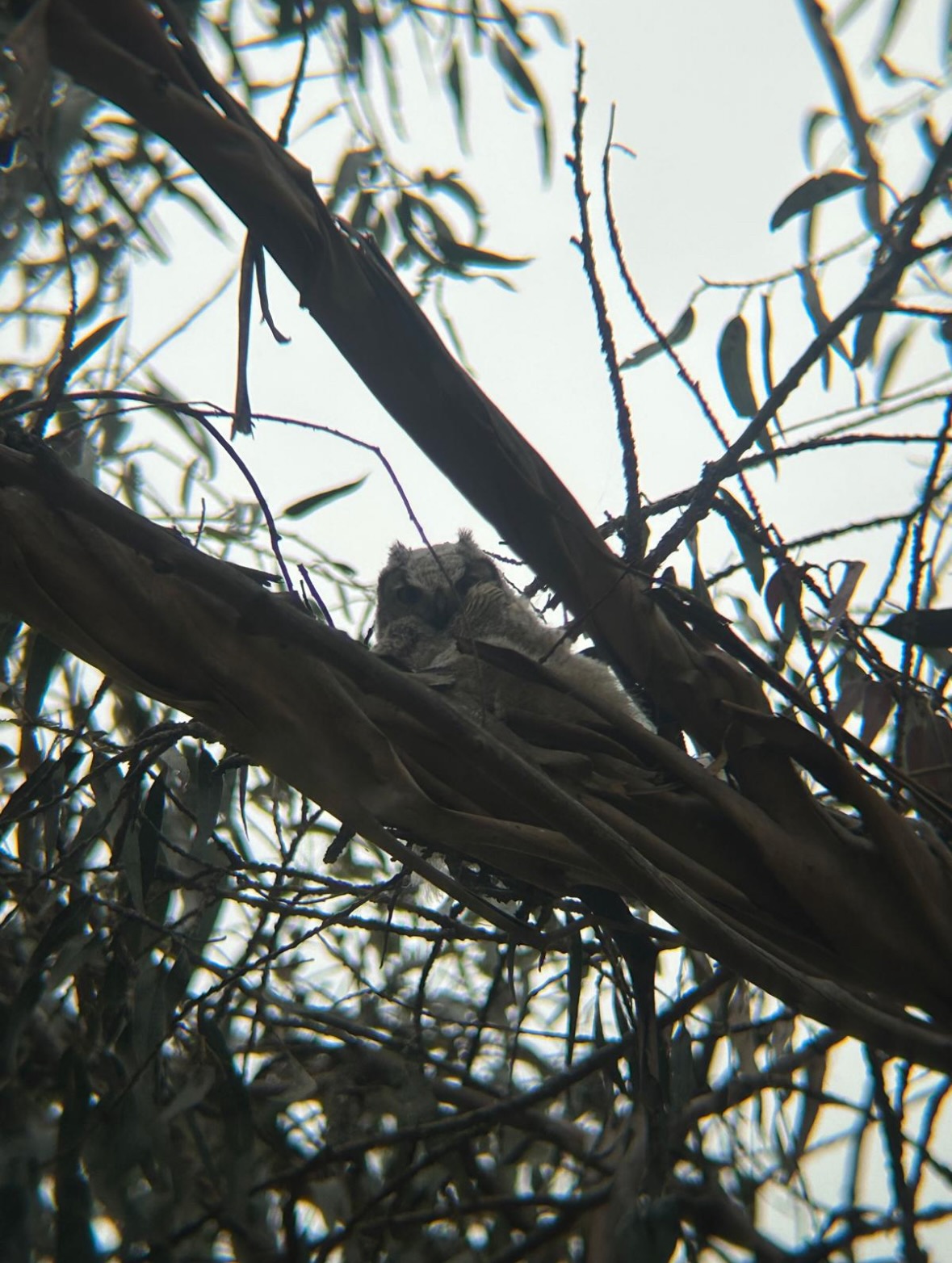
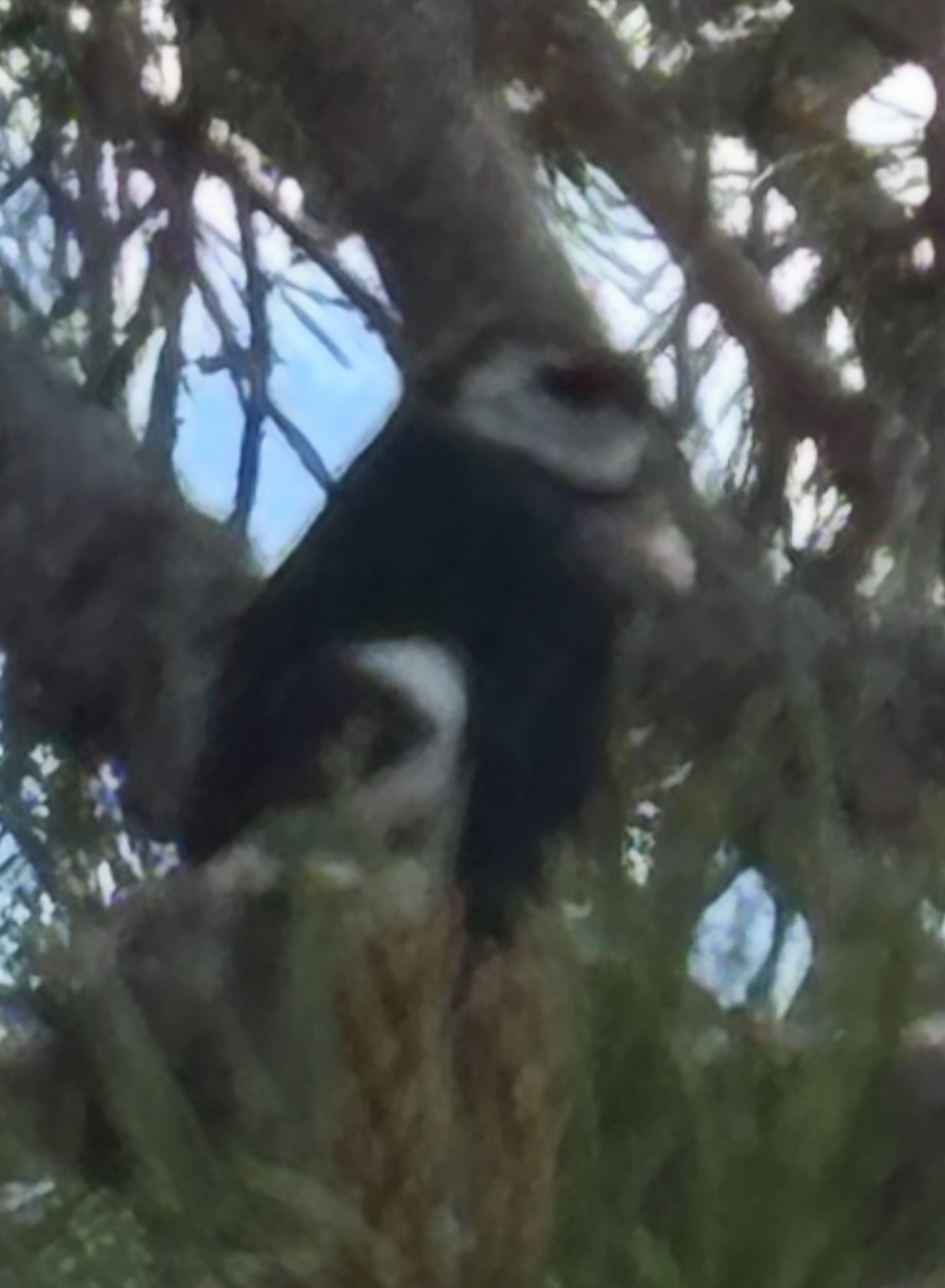
great horned owlet
and he also saw a great horned owlet in a eucalyptus tree but this one in sb
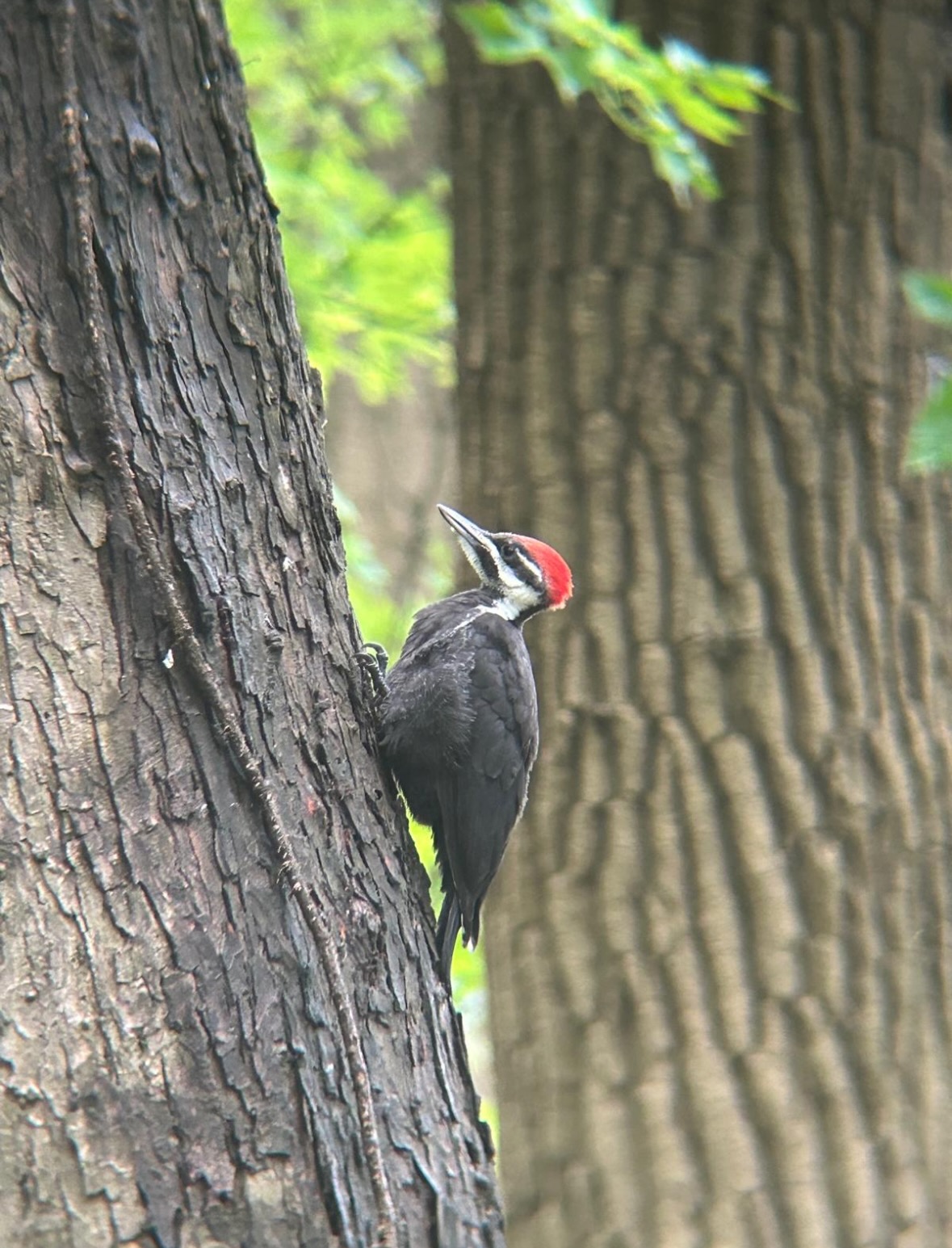
pileated woodpecker
last up he saw a pileated woodpecker (Dryocopus pileatus) in indiana. Next up an ivory billed..


Katlyn birded in the grand tetons/ jackson area of wyoming
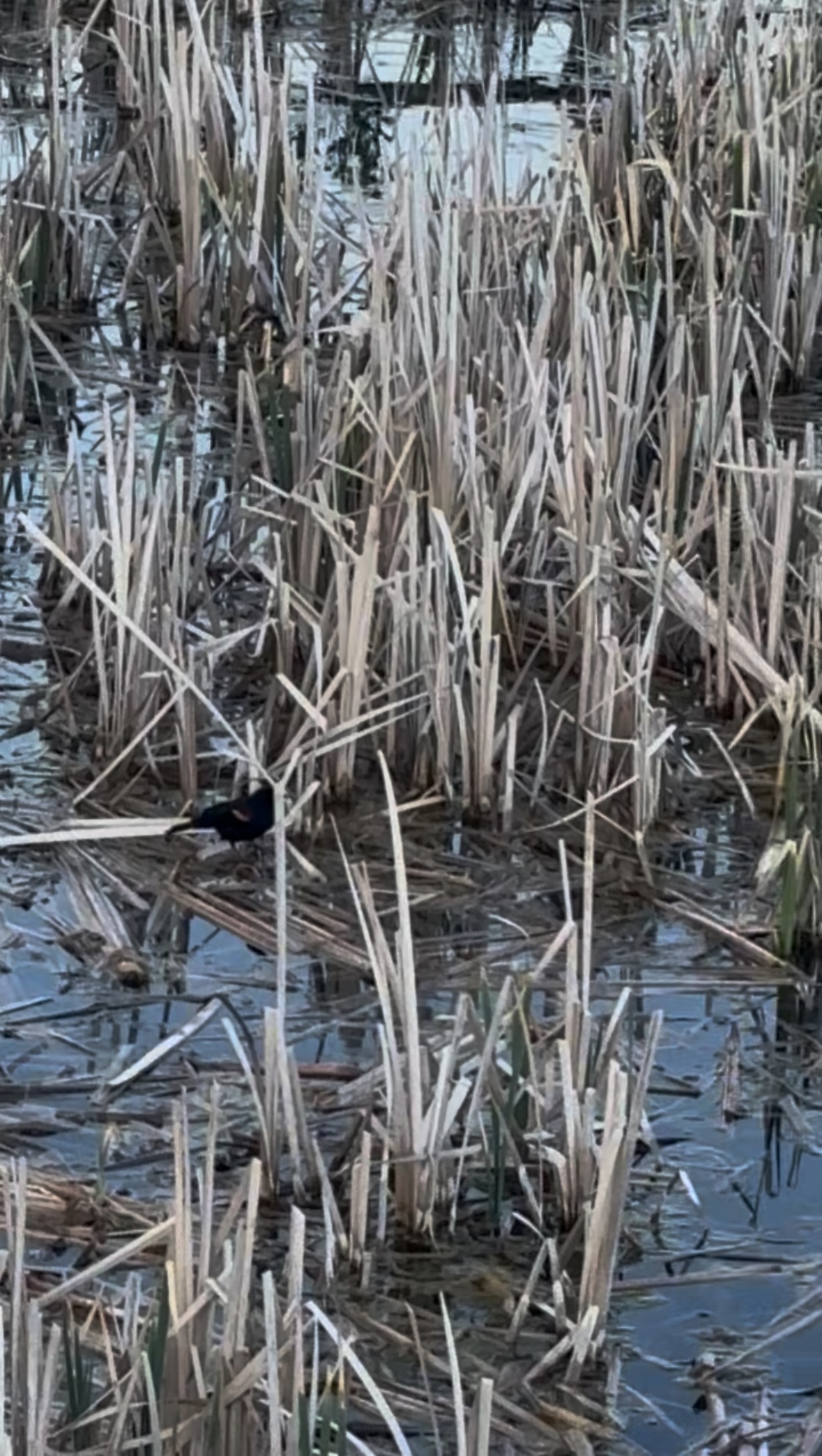
red-winged blackbird
red-winged blackbird (Agelaius phoeniceus)
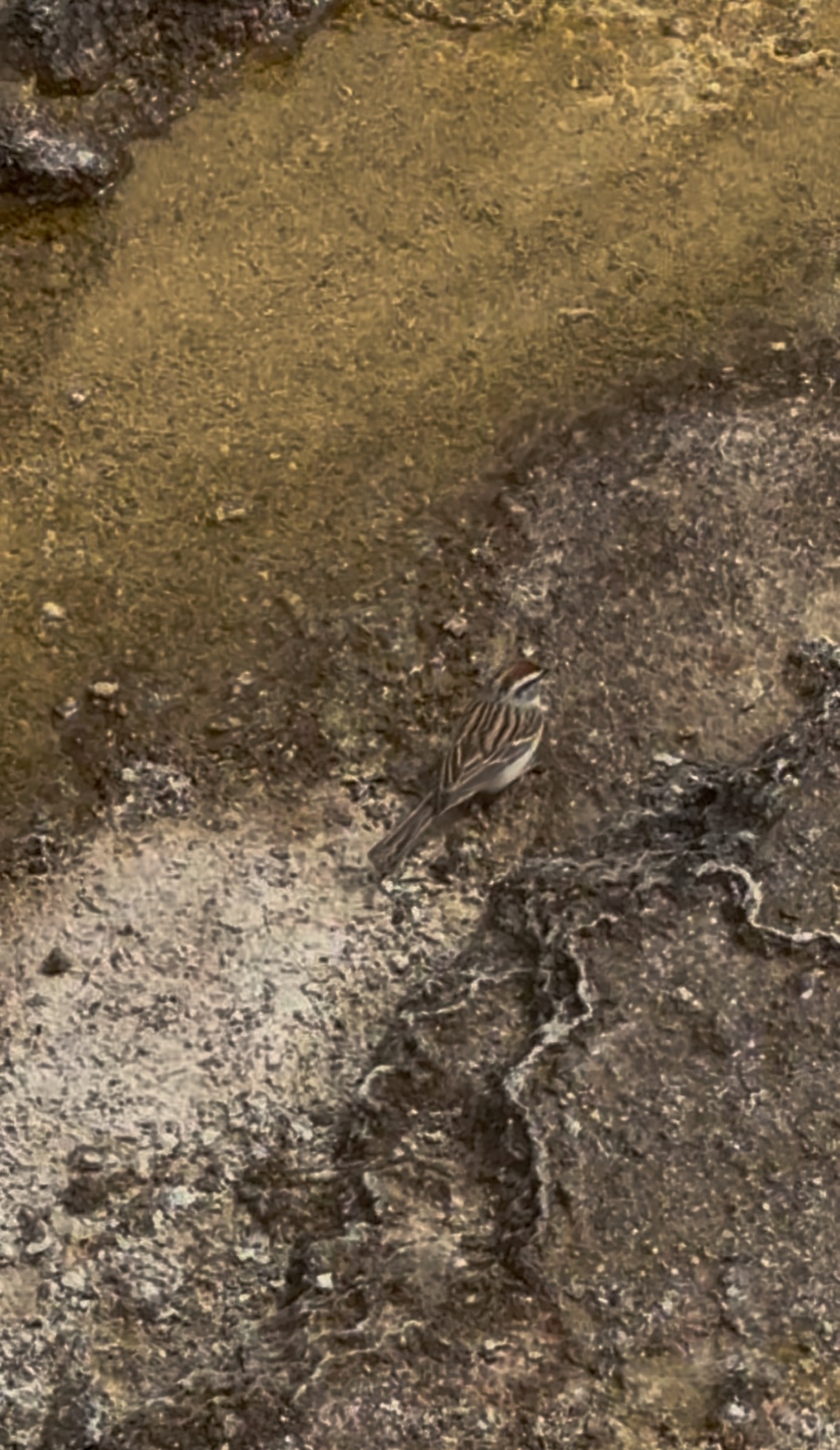
sparrow
sparrow living life in a no no zone
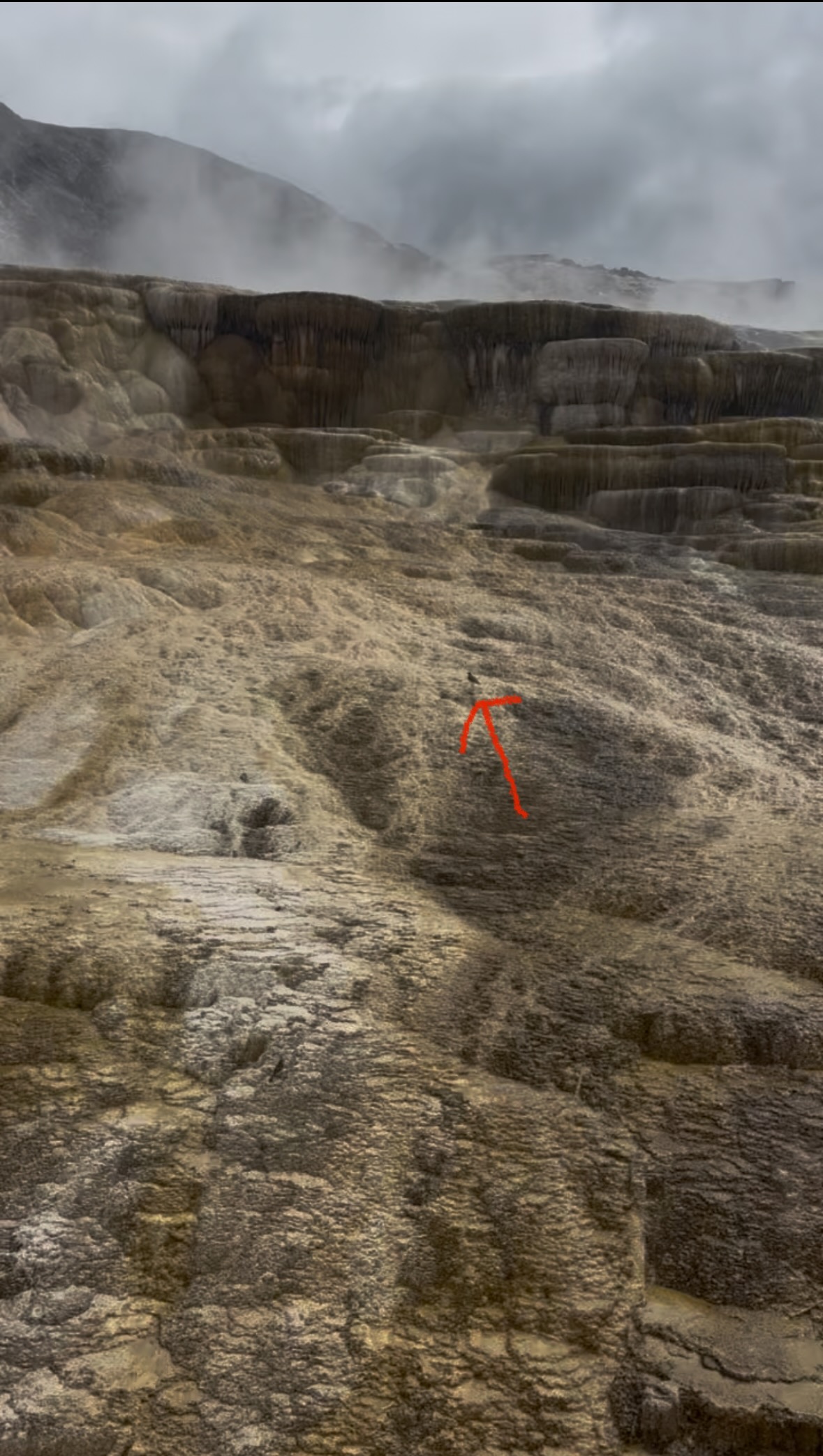
habitat
no no zone
killdeer
brave killdeer (Charadrius vociferus)
tree swallow
i think it's a tree swallow (Tachycineta bicolor). There were other photos but i like this one best
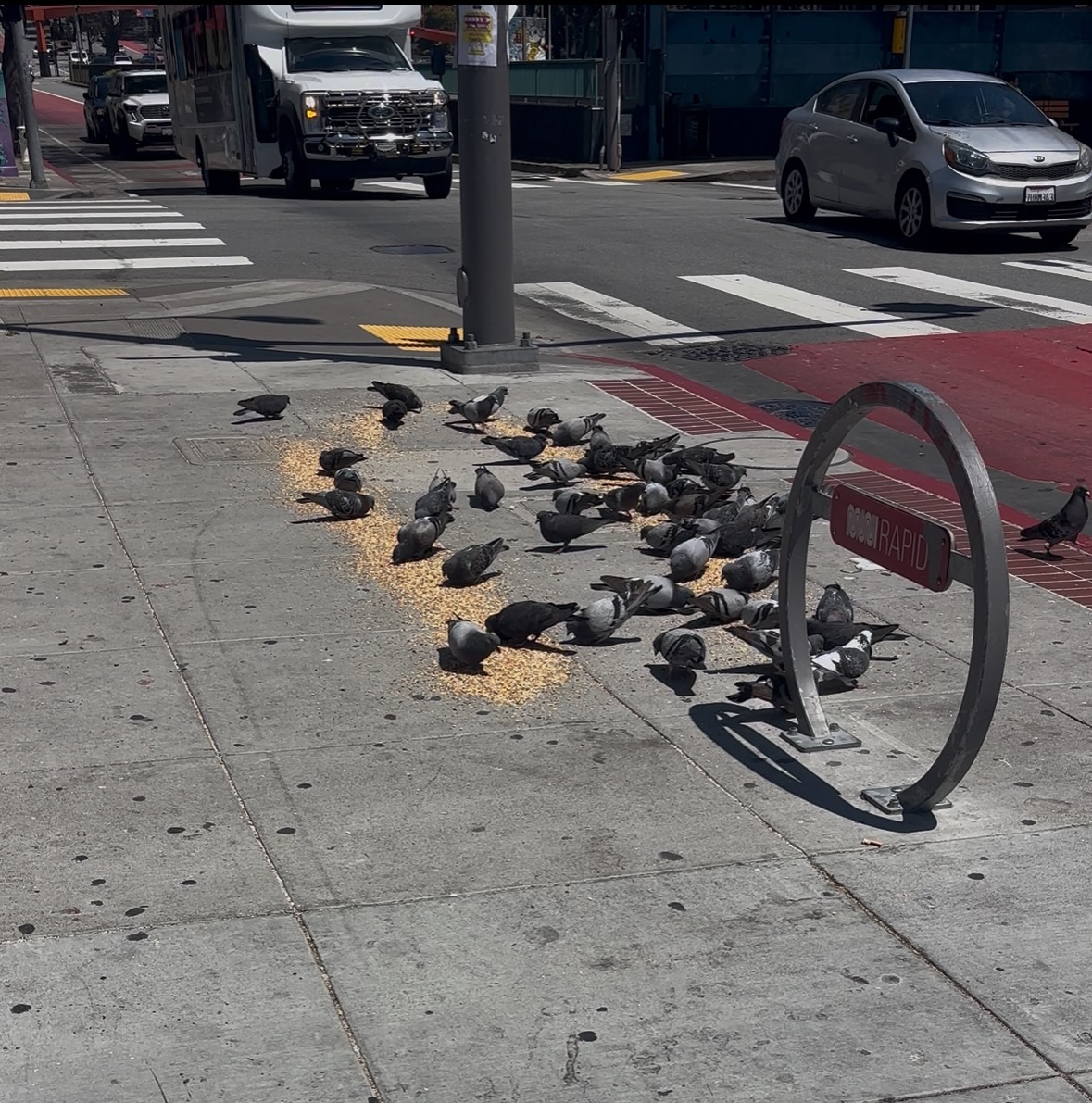
pigeons
sf rock pigeons (Columba livia)


Emily and James birded locally and all the way in the Galápagos!! The DREAM
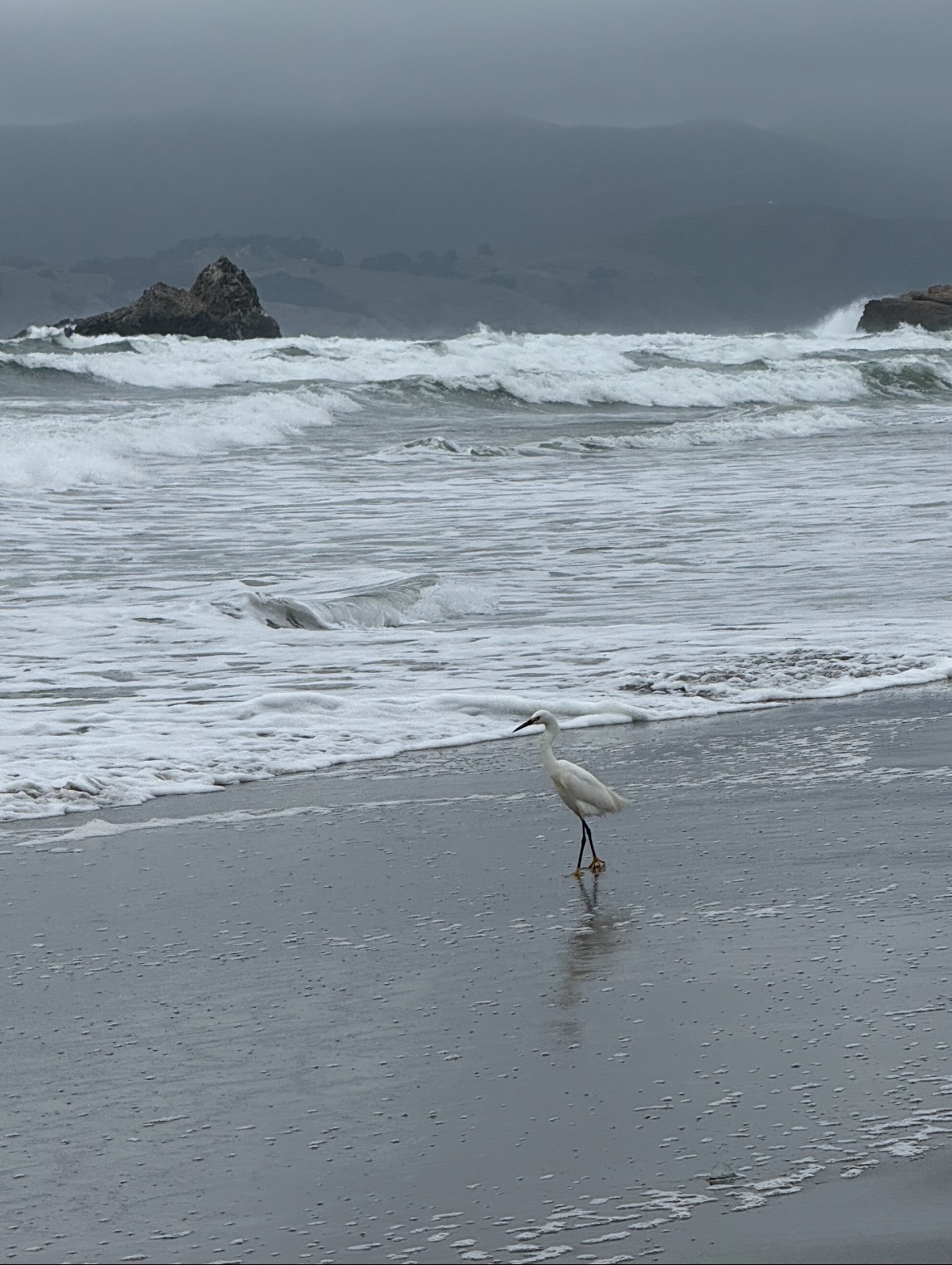
snowy egret
snowy egret (Egretta thula) at OB. beach egret, pretty cool
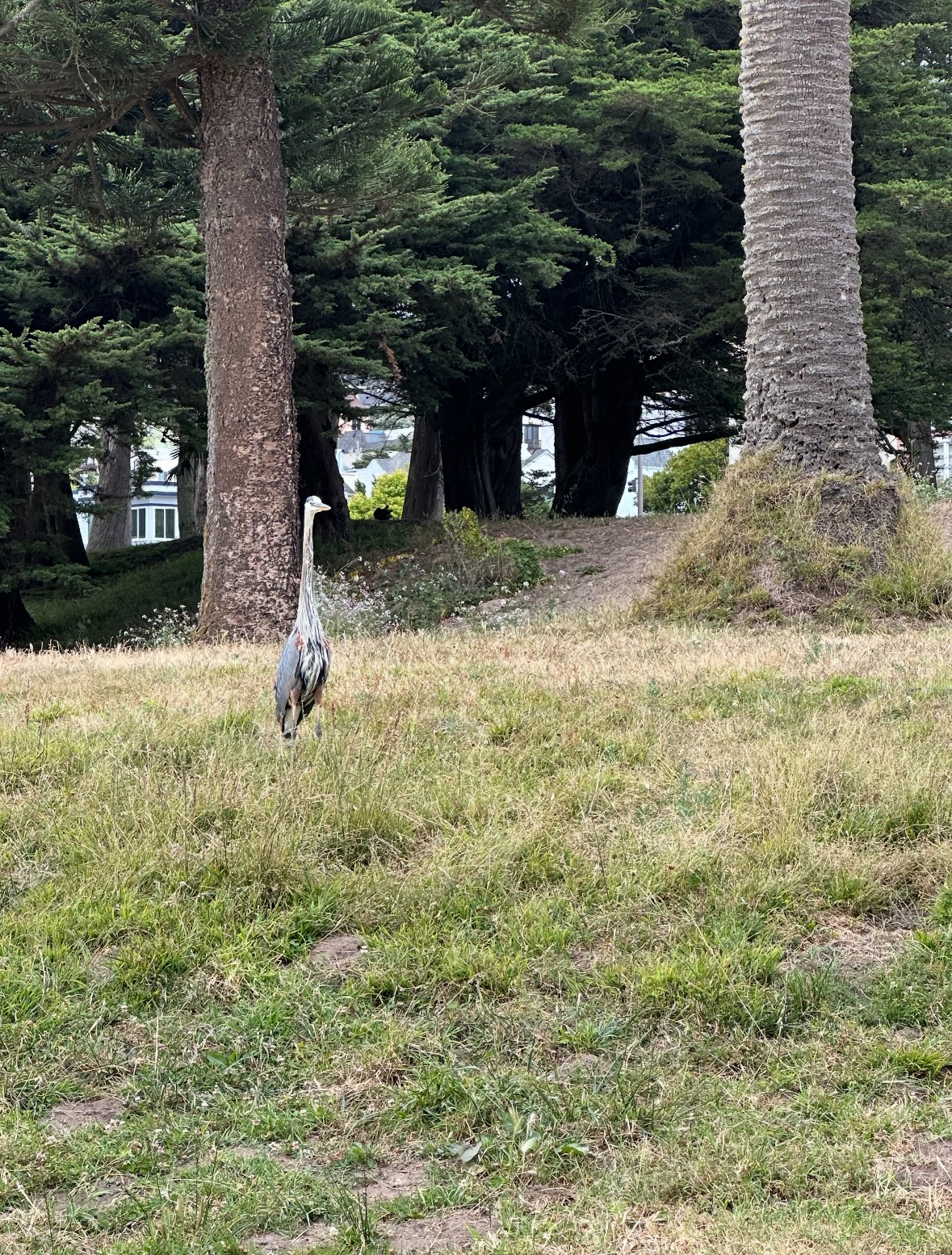
great blue heron
great blue heron (Ardea herodias) looking like a giraffe
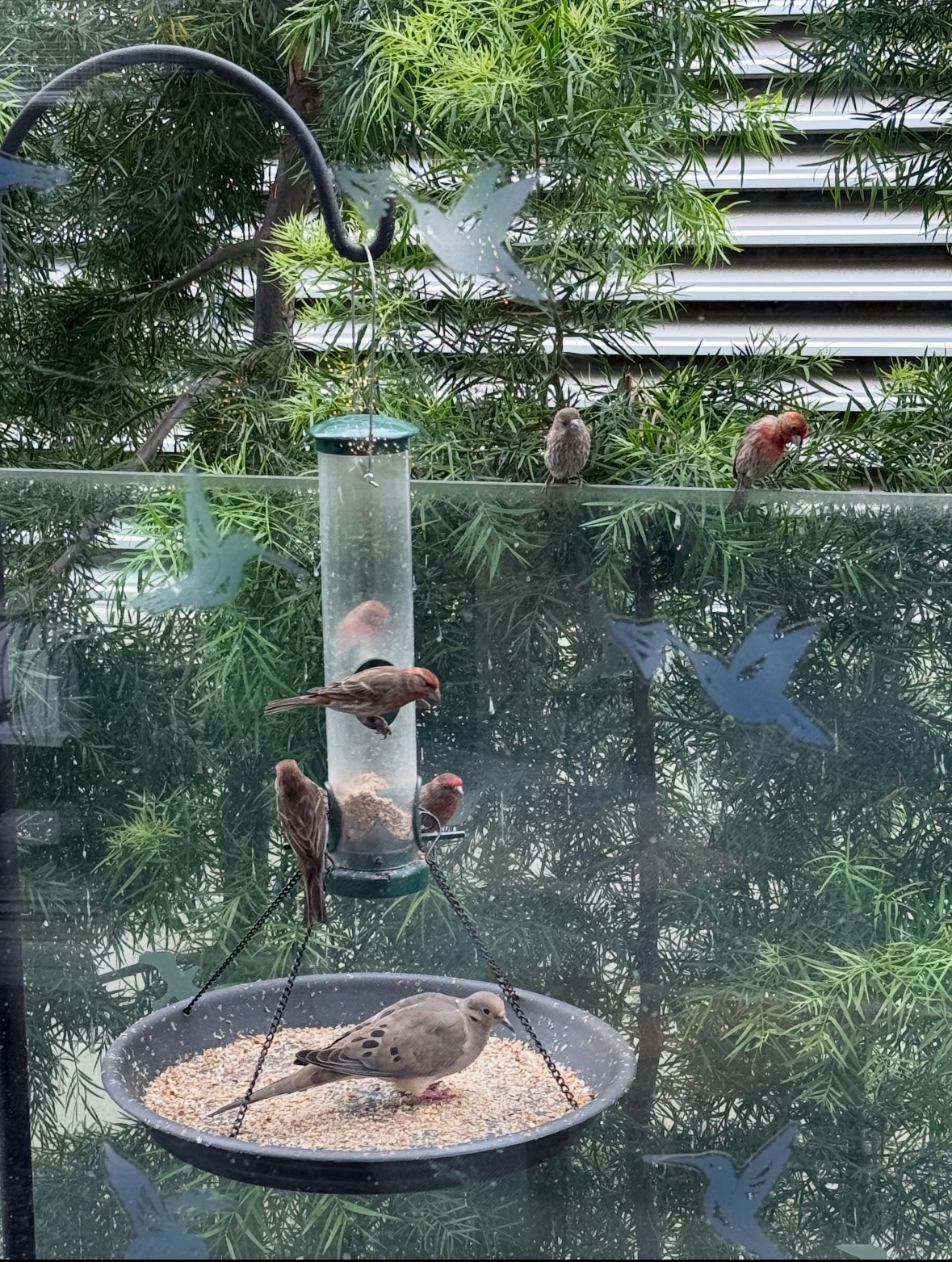
bird feeder
feeder in pasadena with some nice bird activity. I spot house finches and a mourning dove
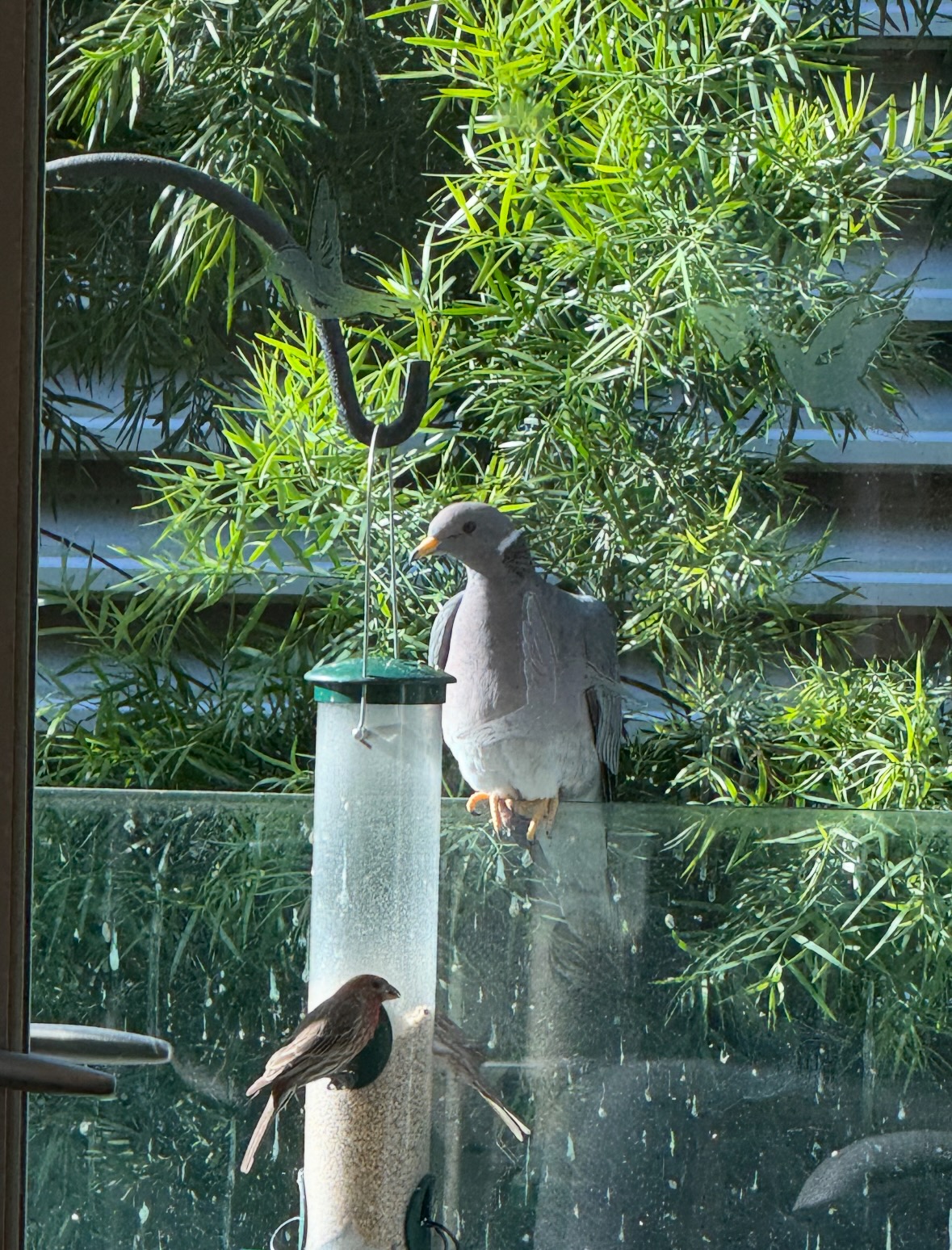
bird feeder
and a band-tailed pigeon shows up!
now onto the Galápagos birding!
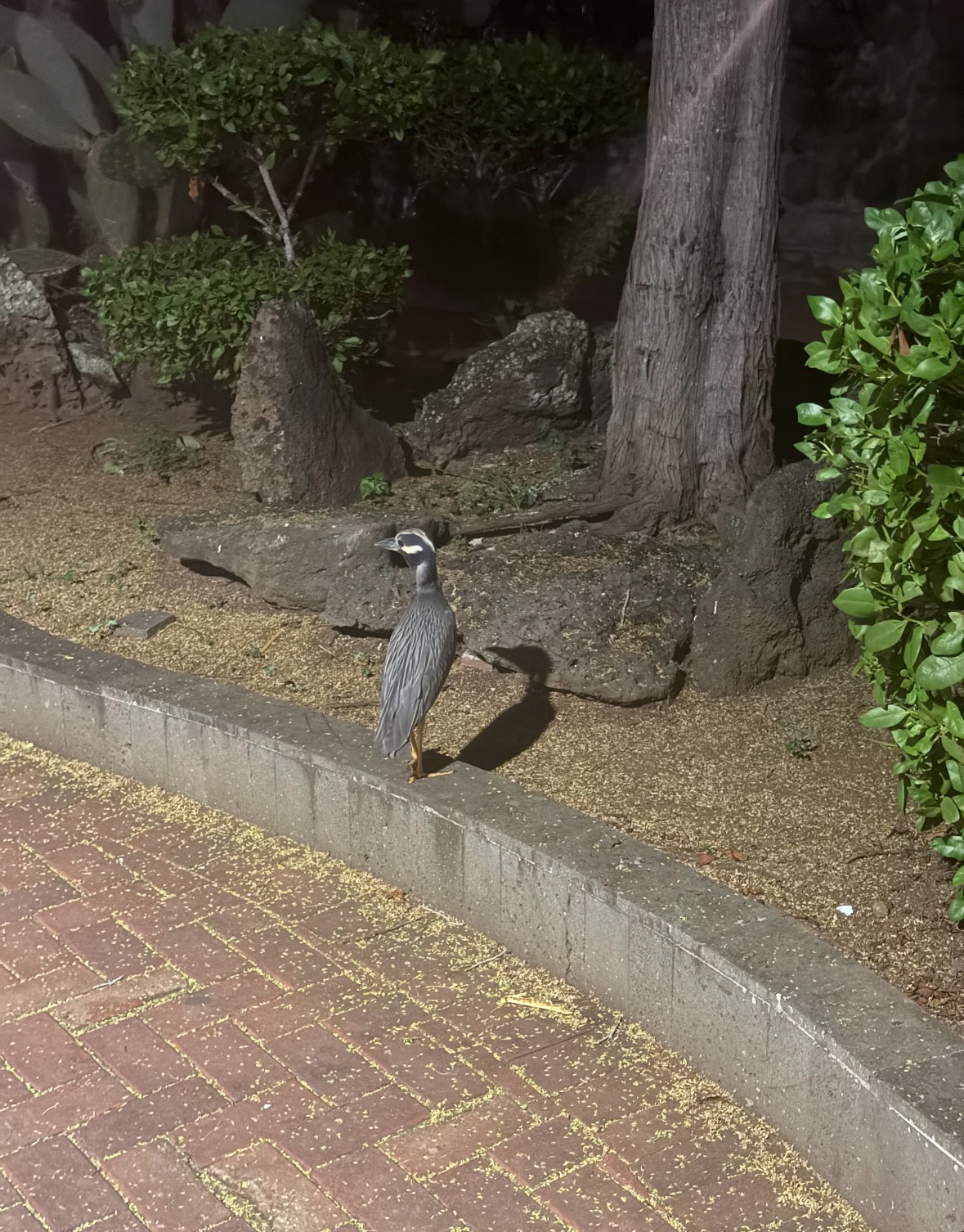
yellow-crowned night heron
yellow-crowned night heron (Nyctanassa violacea)
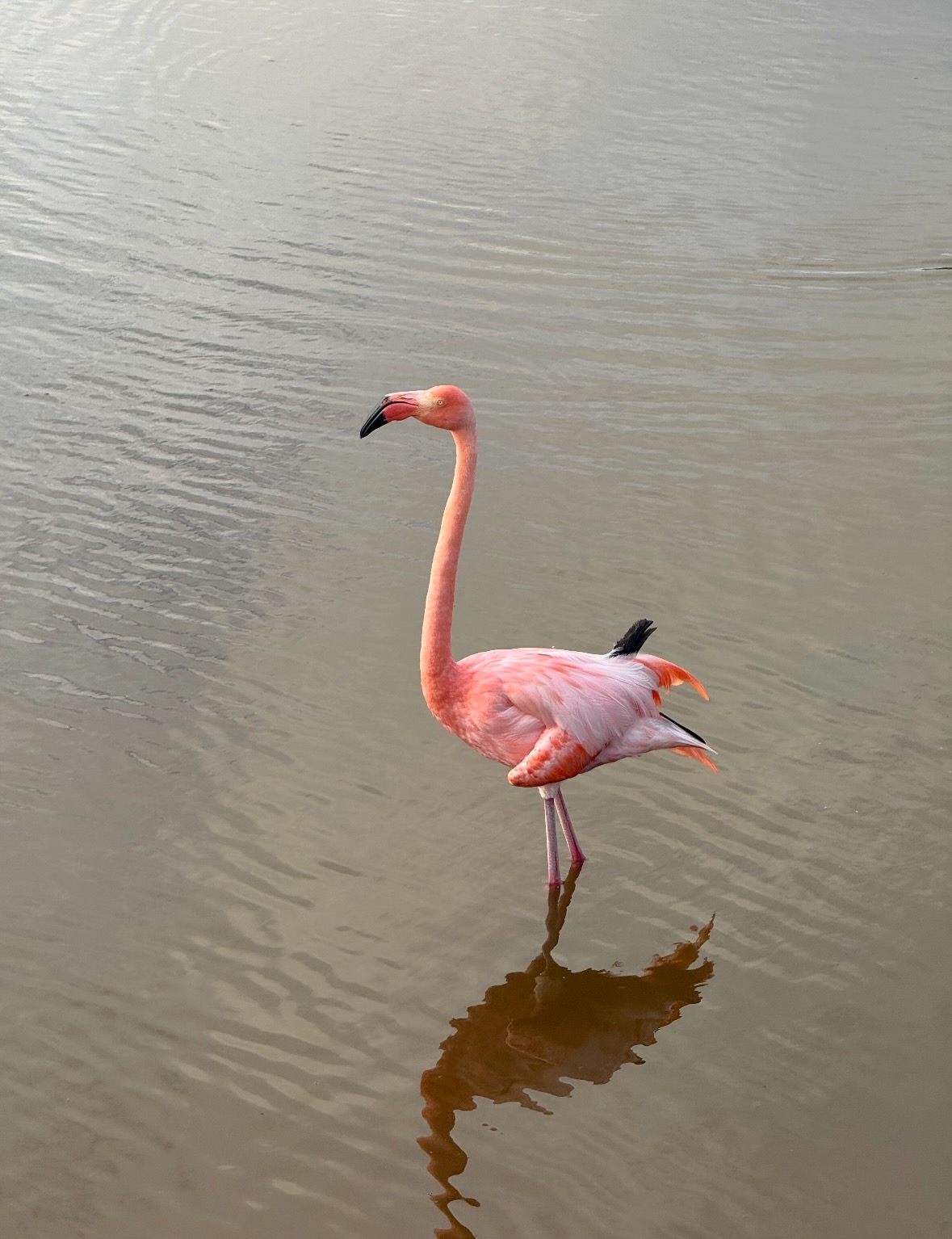
Galapagos flamingo
Galápagos flamingo (Phoenicopterus ruber)
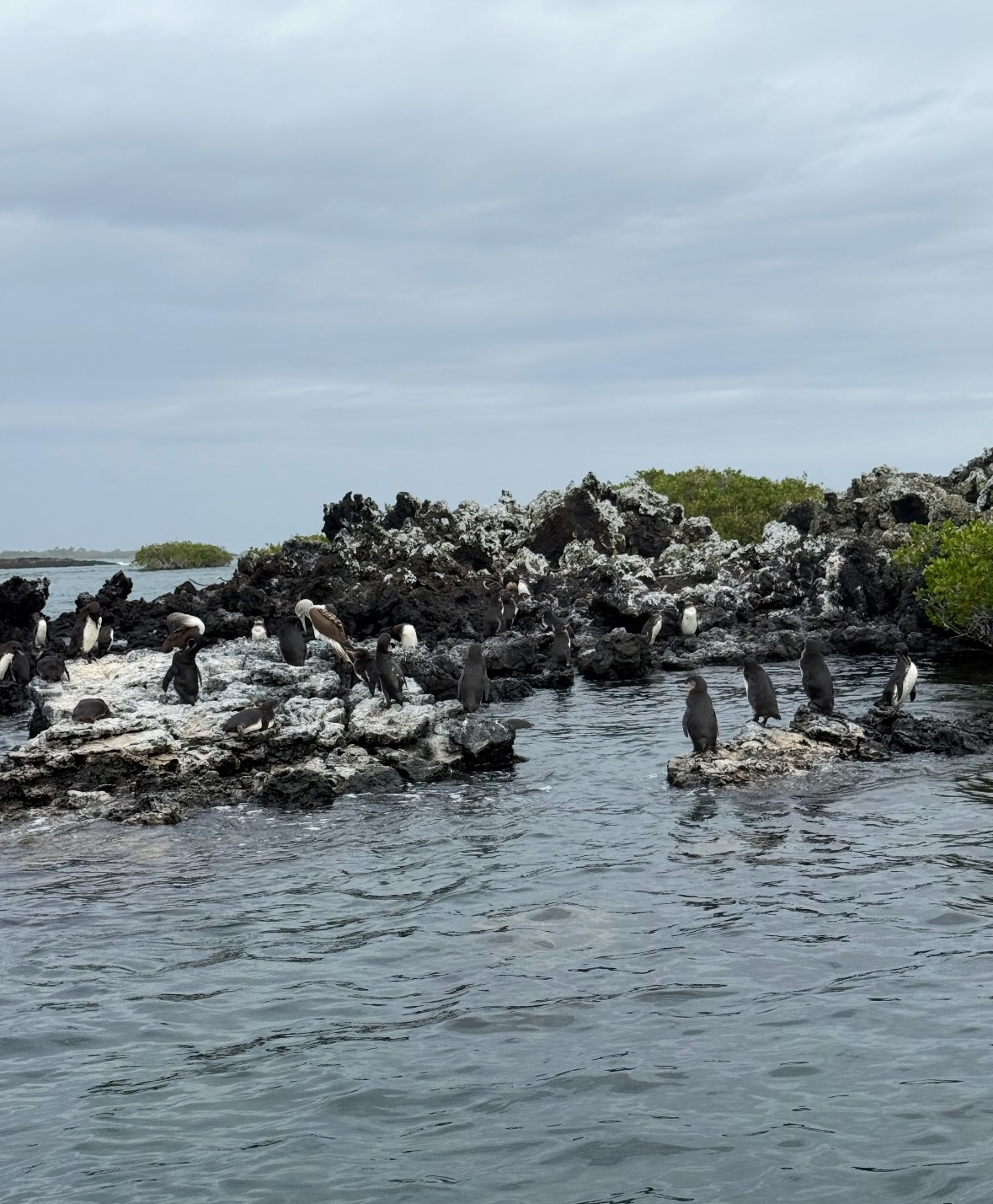
Galápagos penguin
Galápagos penguin (Spheniscus mendiculus)
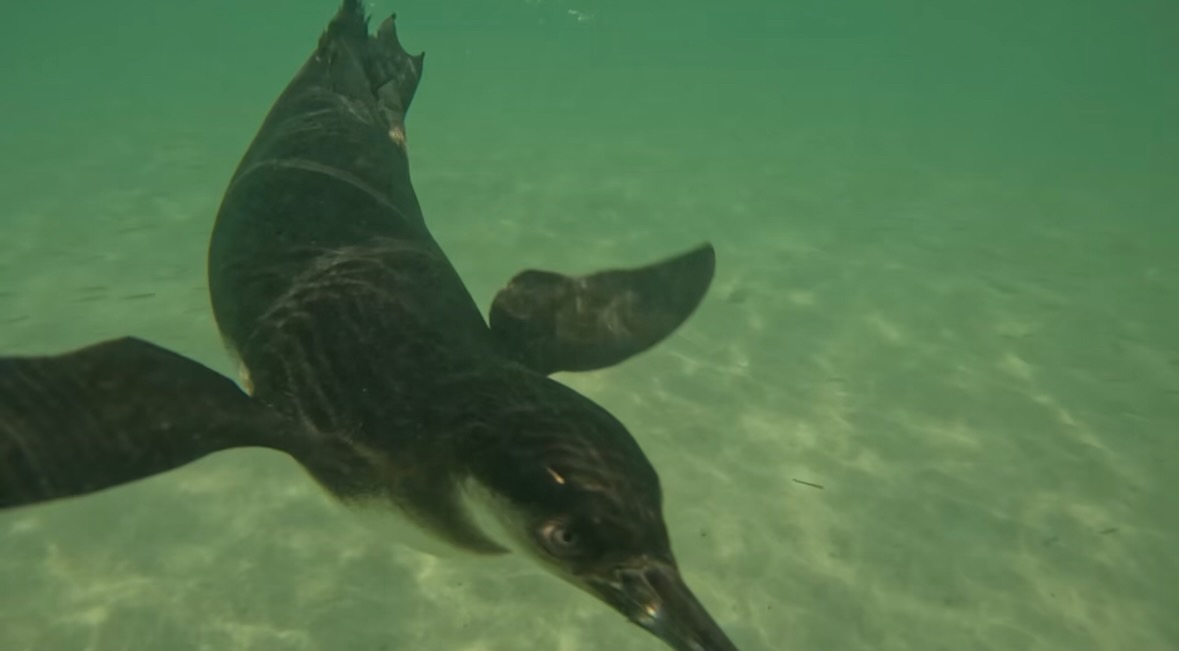
Galápagos penguin
underwater penguin action, so cool
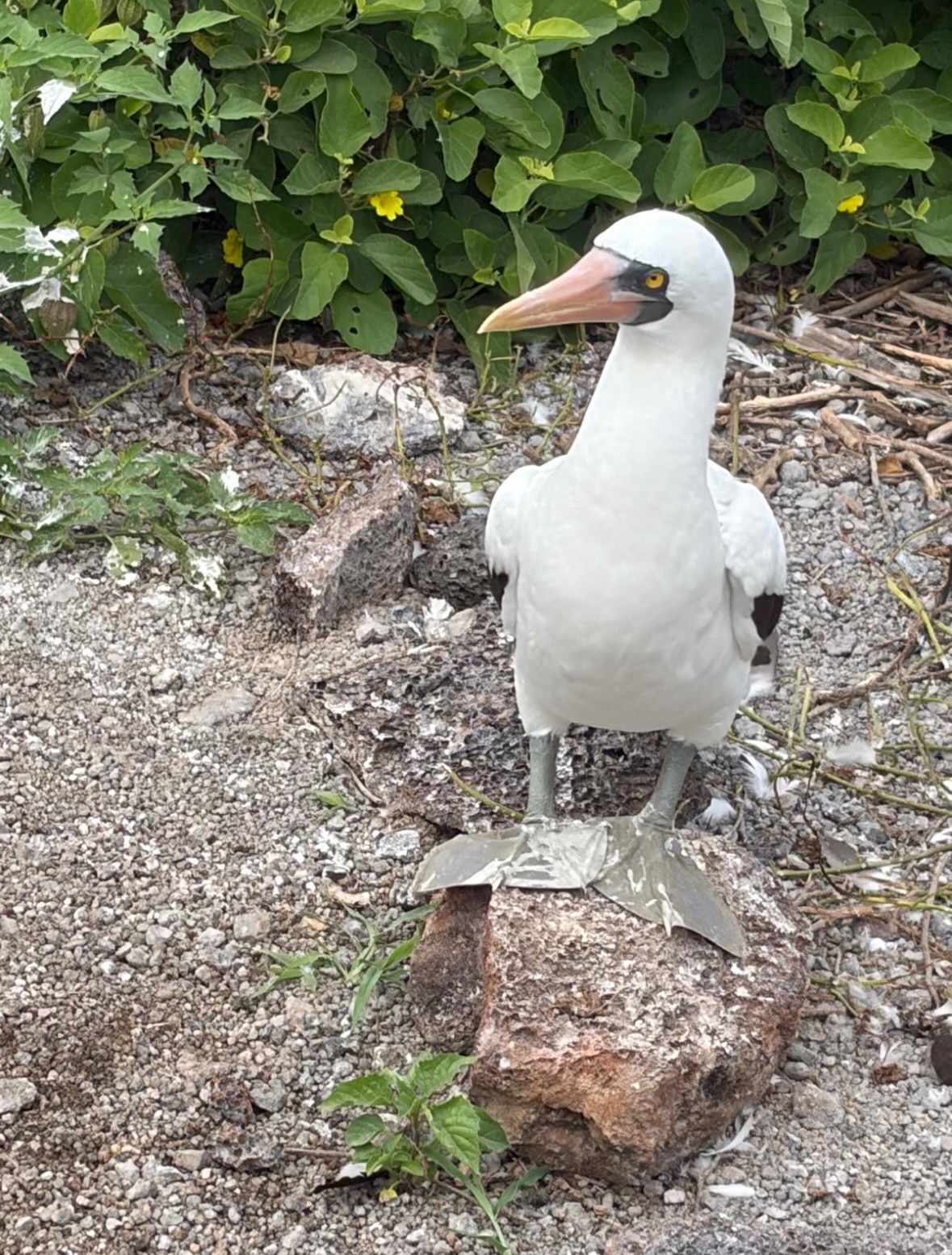
Nazca booby
Nazca booby (Sula granti)
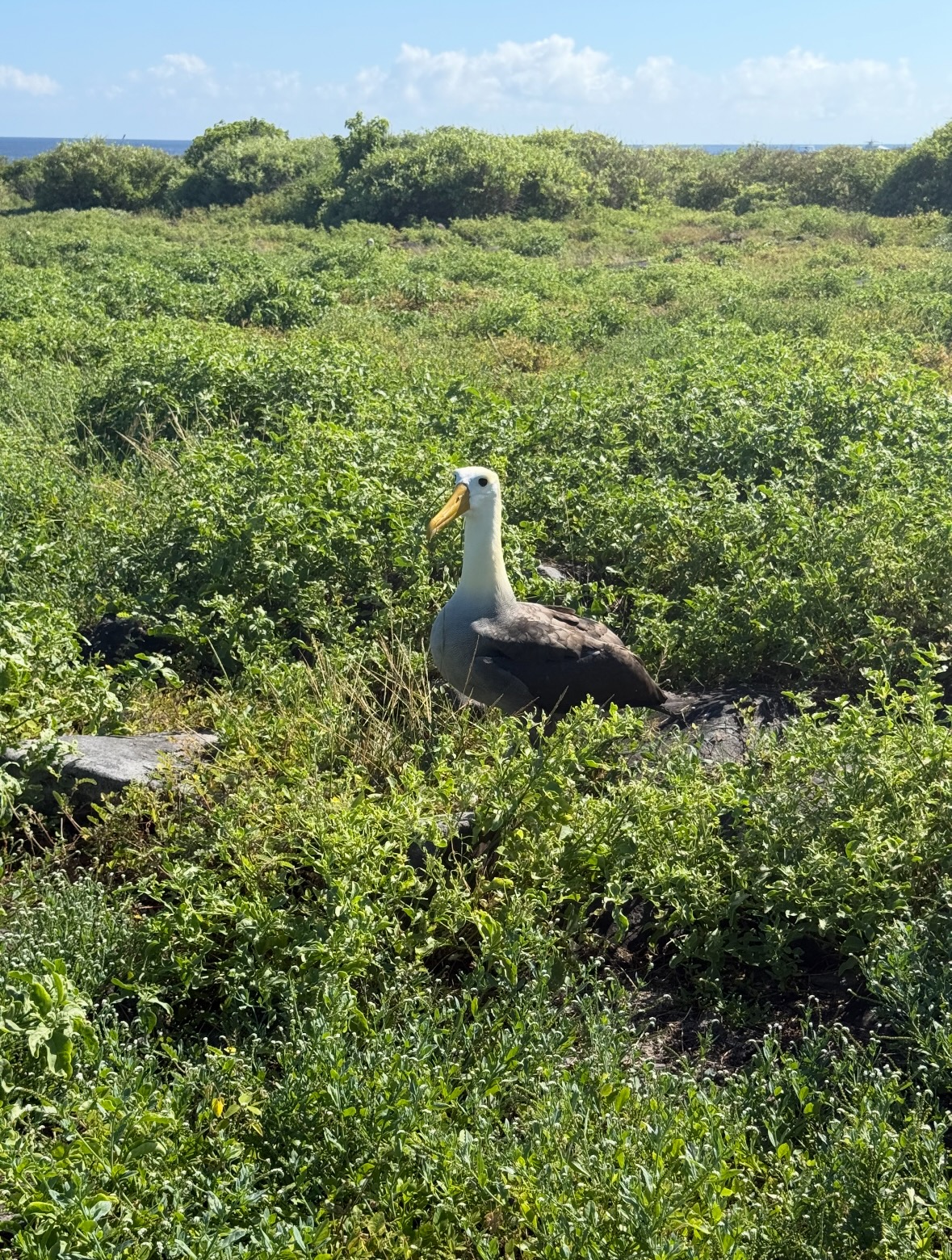
blue-footed booby
waved albatross (Phoebastria irrorata)
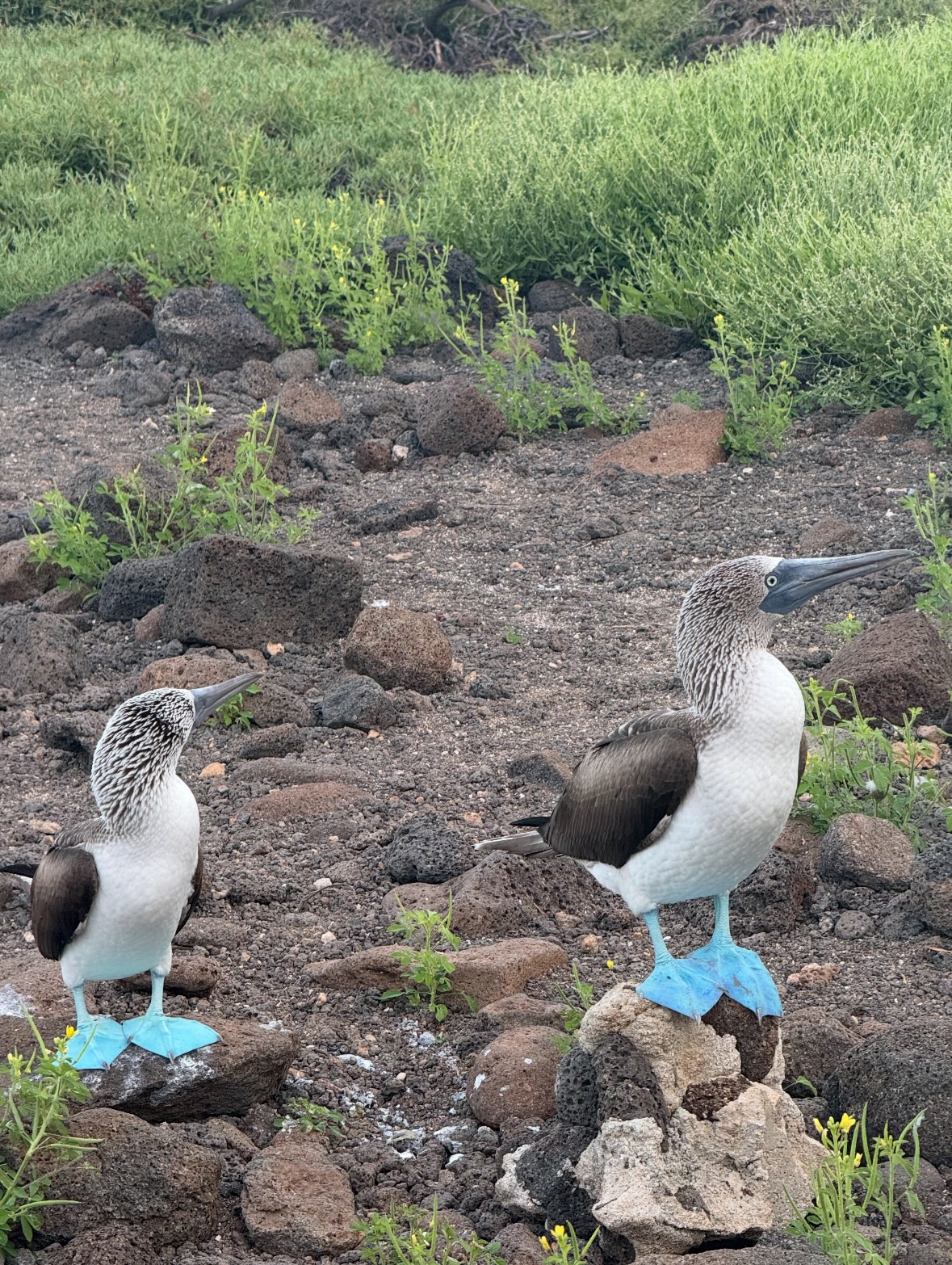
blue-footed booby
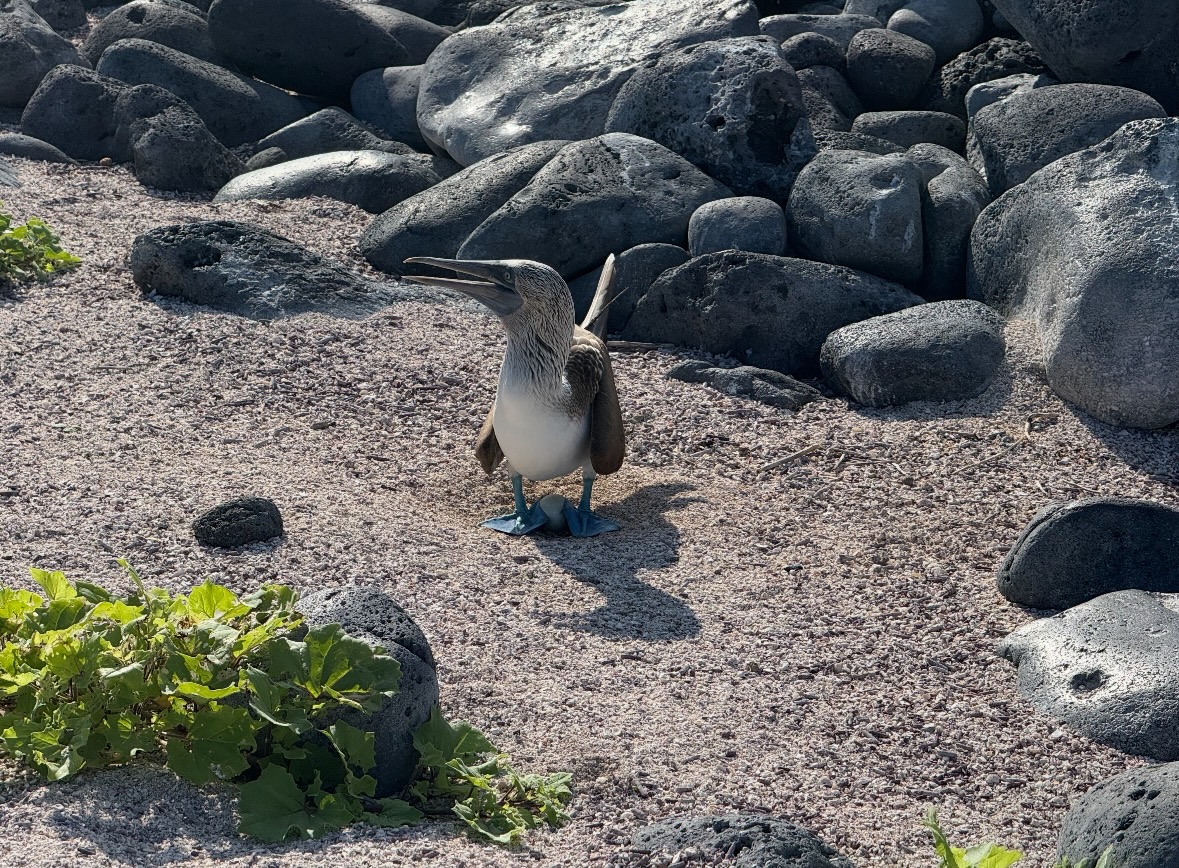
blue-footed booby (Sula nebouxii)
blue-footed booby
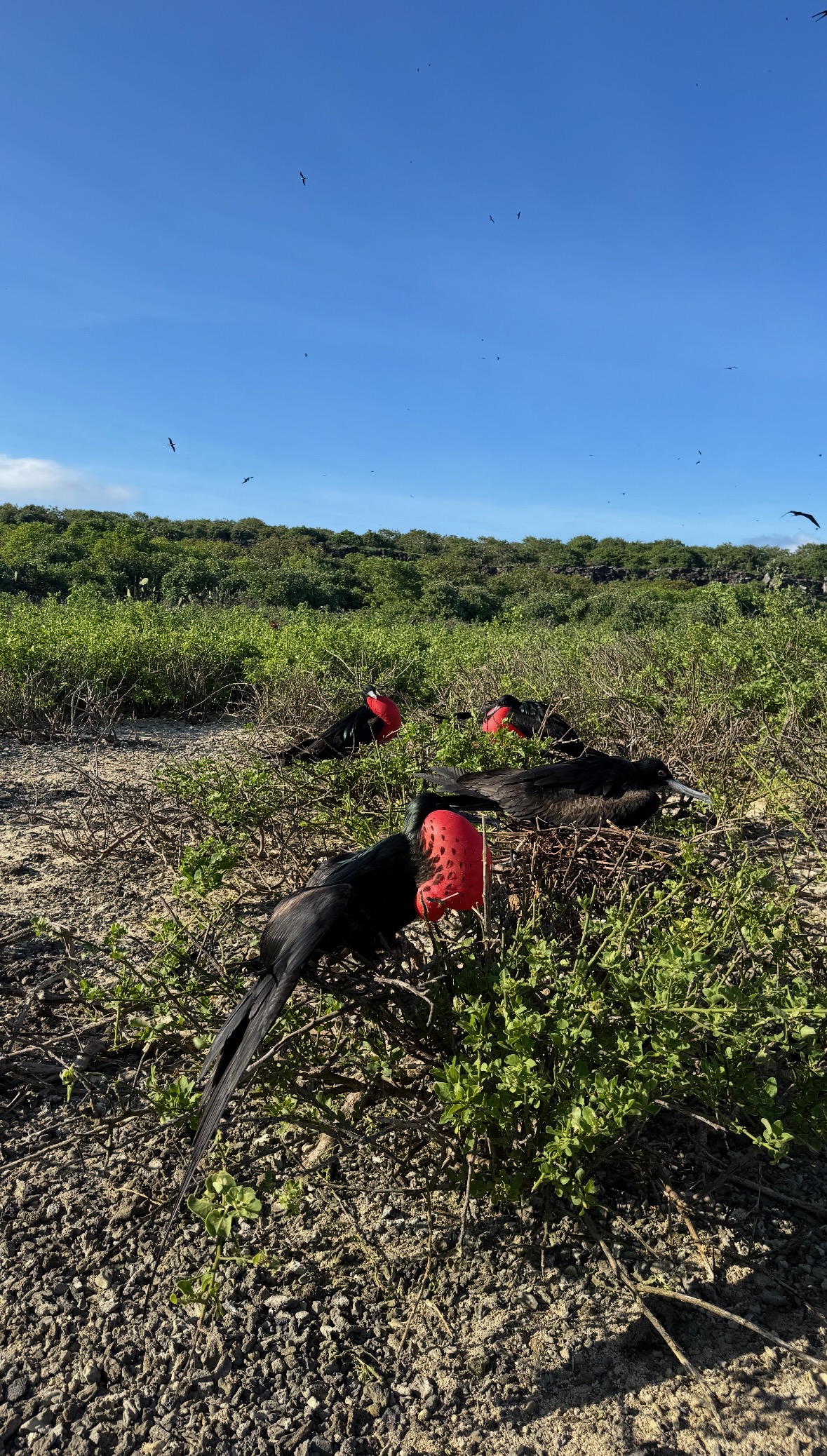
frigatebird
a frigatebird not sure which species if great or magnificent. i've seen great frigatebirds fly overhead but never got to see them do that cool throat pouch thing!
Galápagos hawk
Galápagos hawk (Buteo galapagoensis) in the nest
brown pelican
a Galápagos subspecies (P. o. urinator) of the same brown pelicans (Pelecanus occidentalis) we see here. Urinator is a funny subspecies name.
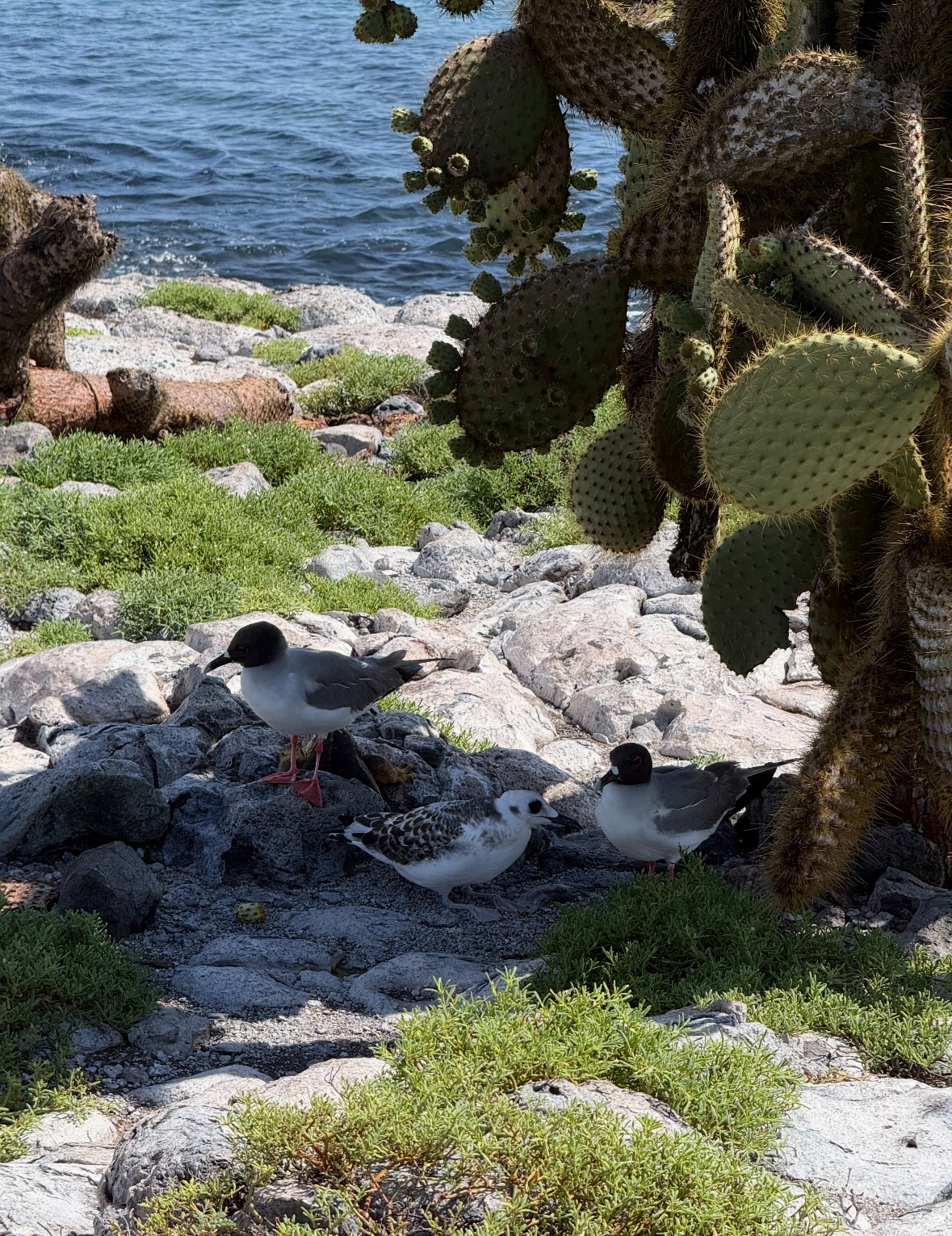
swallow-tailed gulls
the swallow-tailed gulls (Creagrus furcatus) have really interesting eyes


Adam, Janet, and I visited Dom and Lindsay down in SB for a bit of a birding weekend. I took a lot of photos, mostly poor ID photos, but including a handful of highlights.
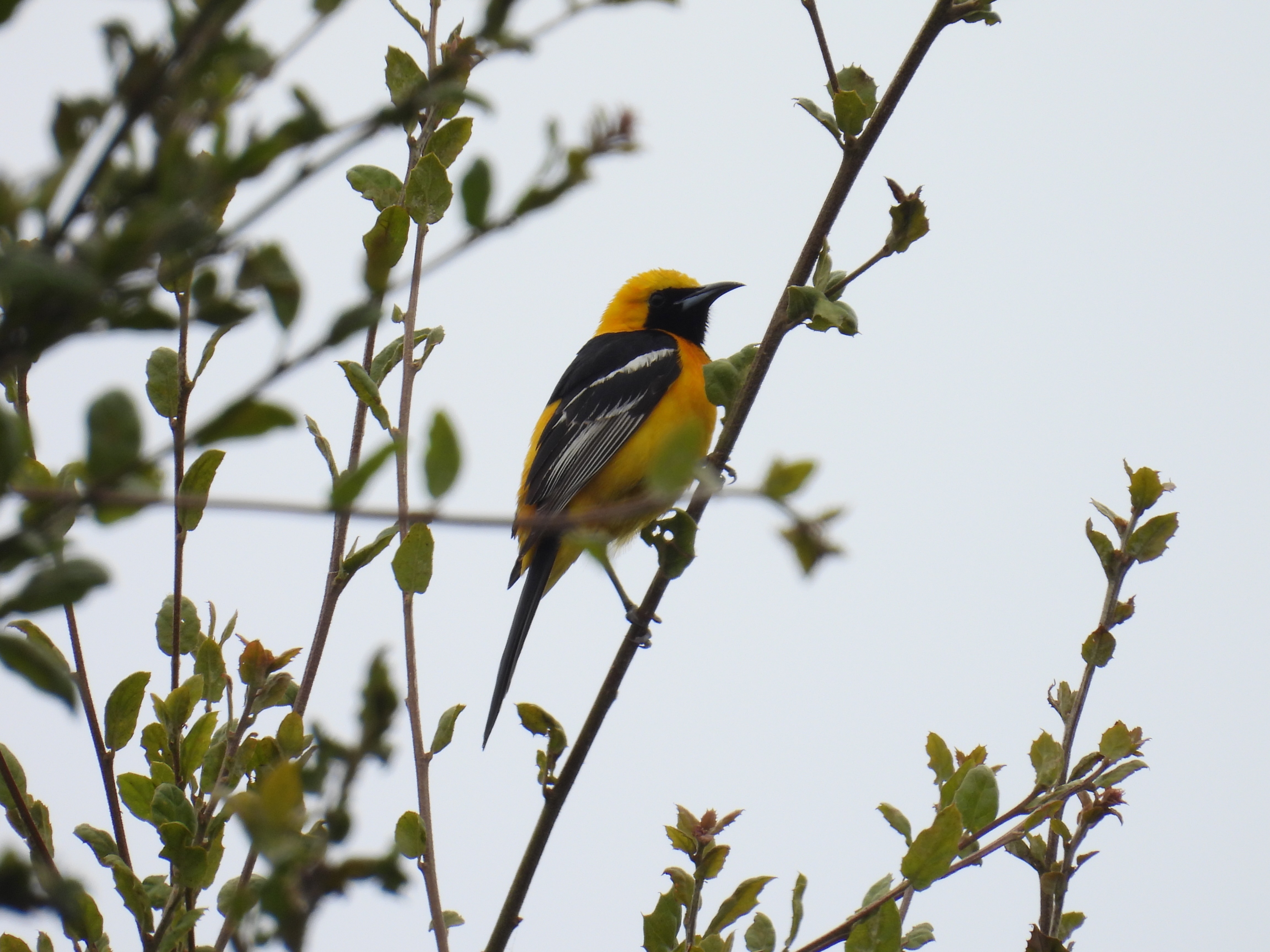
hooded oriole
hooded oriole (Icterus cucullatus)
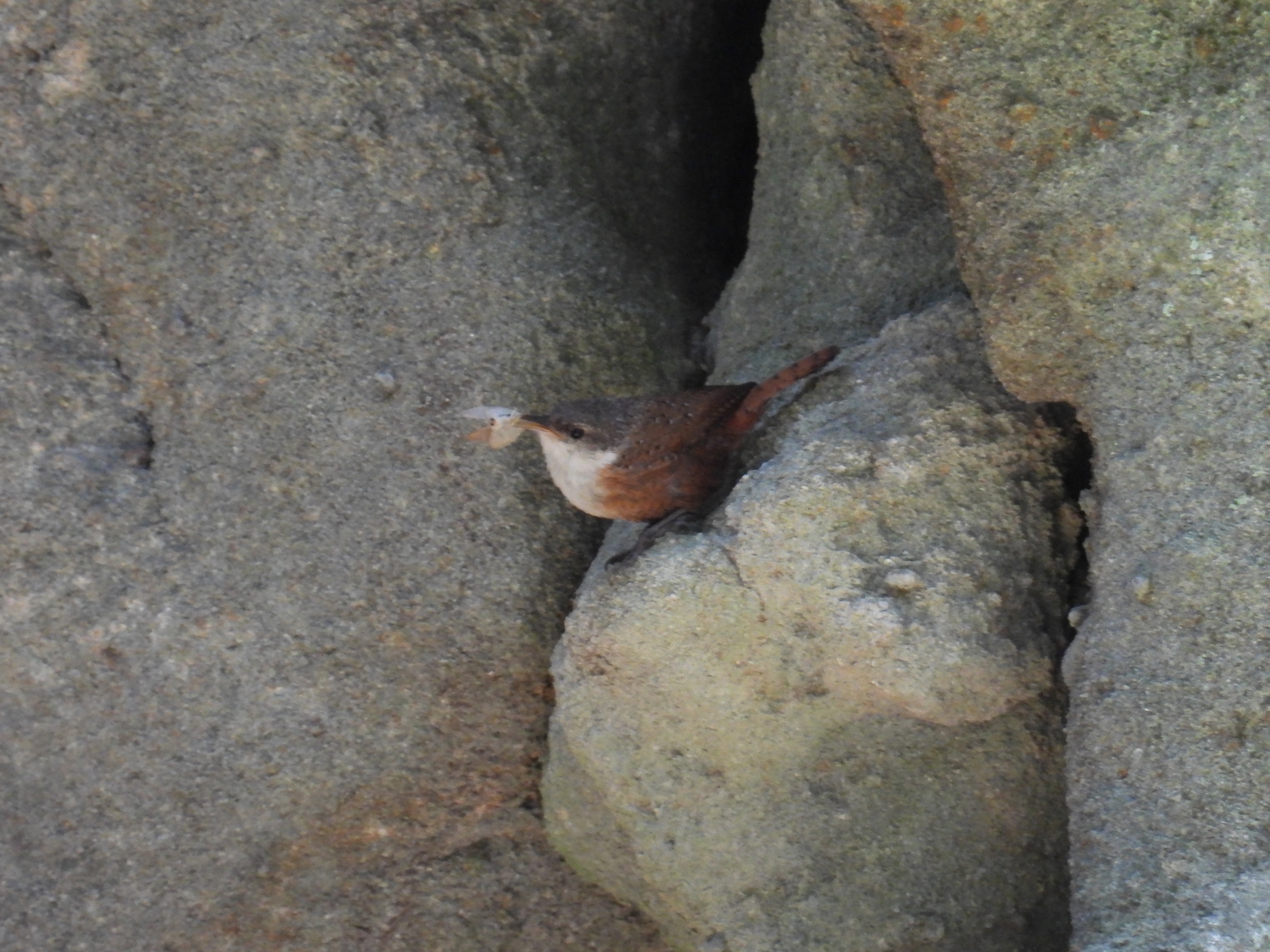
canyon wren
this canyon wren (Catherpes mexicanus) was displaying interesting breeding behaviors. It caught a moth and was dancing around with it outside a crevisce and we think it was trying to entice its fledgelings out of the nest!
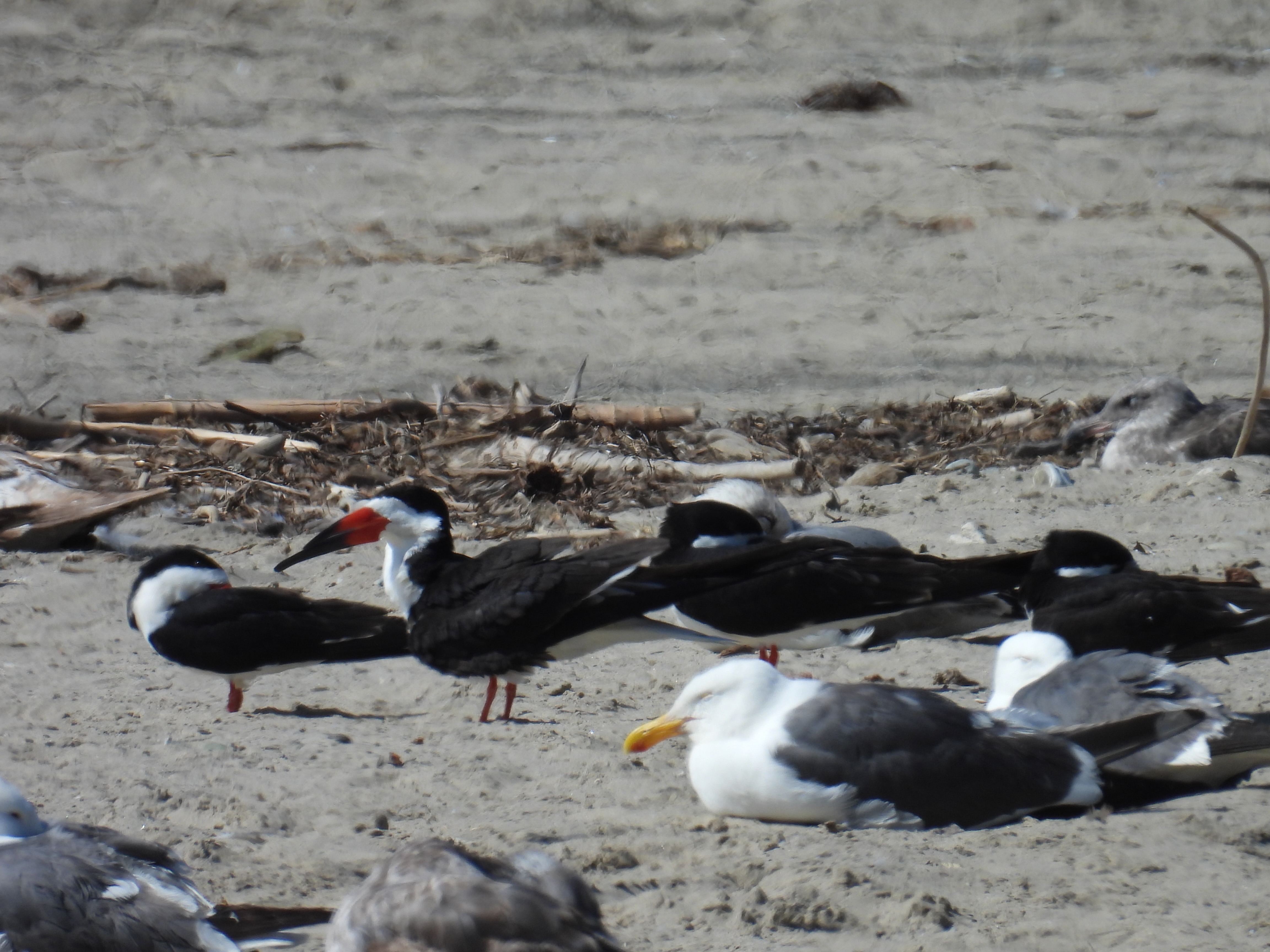
black skimmer
black skimmer (Rynchops niger)
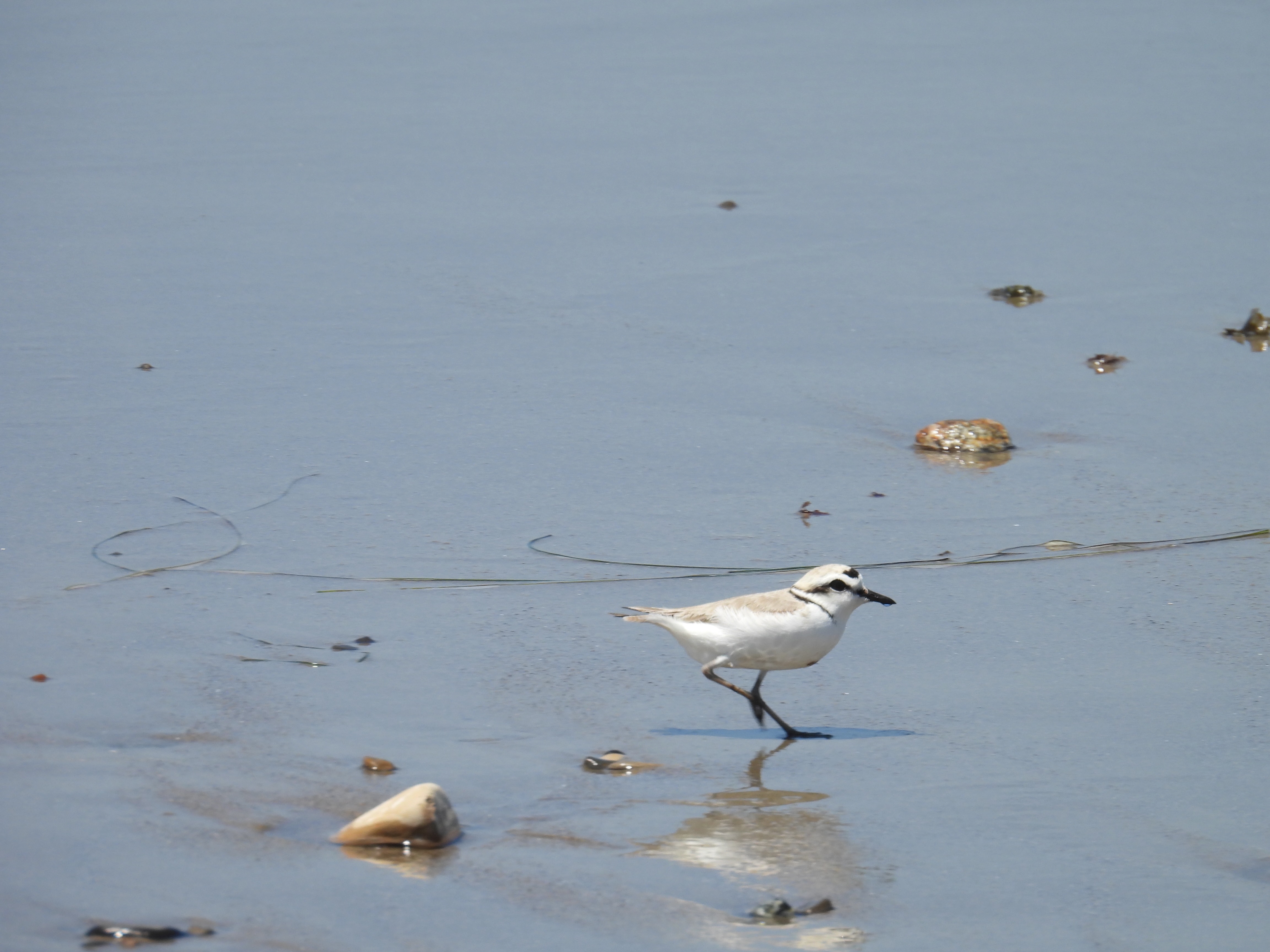
snowy plover
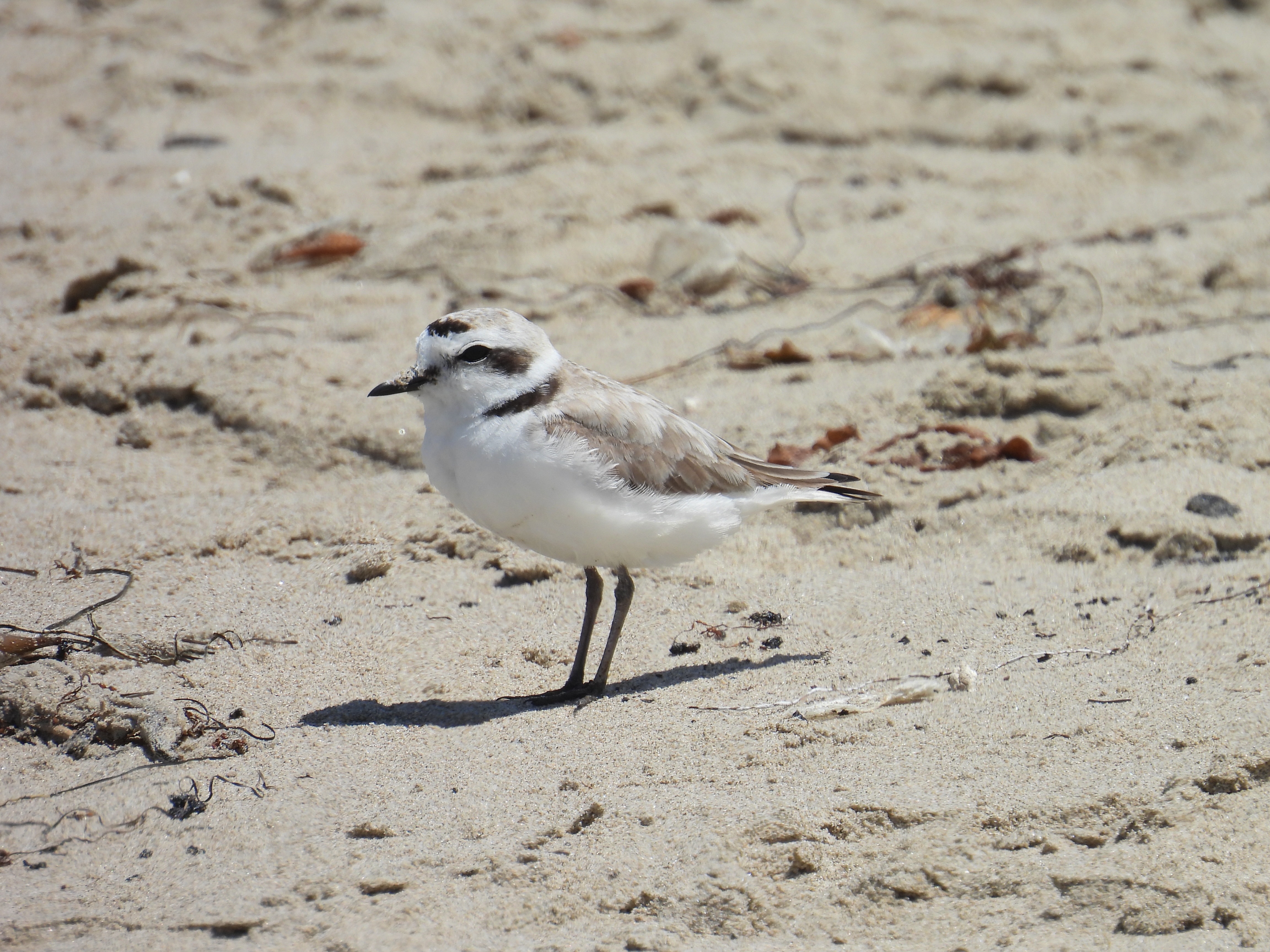
the snowy plover (Charadrius nivosus) babies are out and about but unfortunately we only saw adults this time
snowy plover
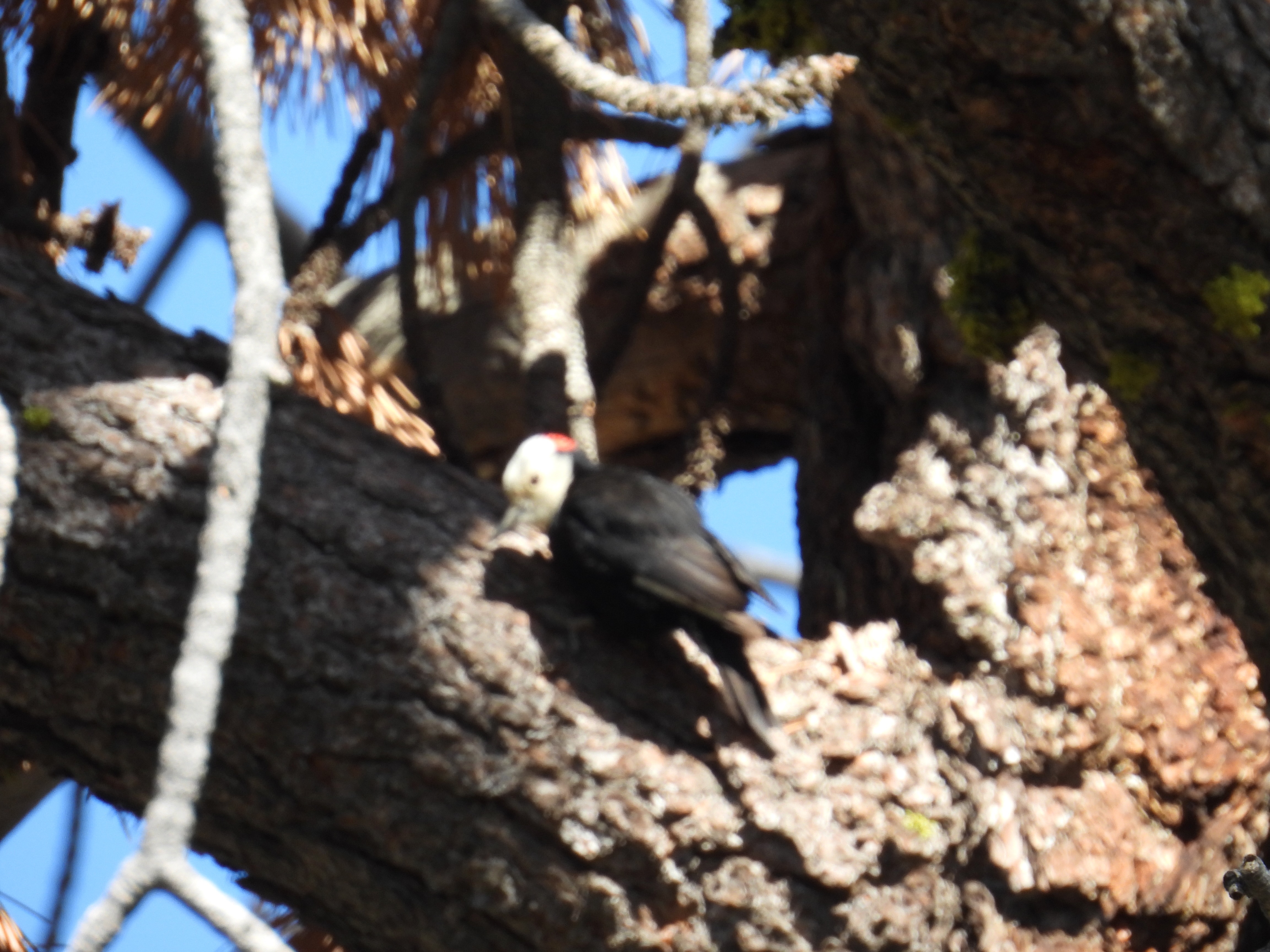
white-headed woodpecker
we left the county and went up the mountains to see this gem, the white-headed woodpecker (Leuconotopicus albolarvatus)


Outside of the SB + Mt. Davidson birding I got in a bit of city birding, but I'll keep it brief because this is already a long one.. our official city animal
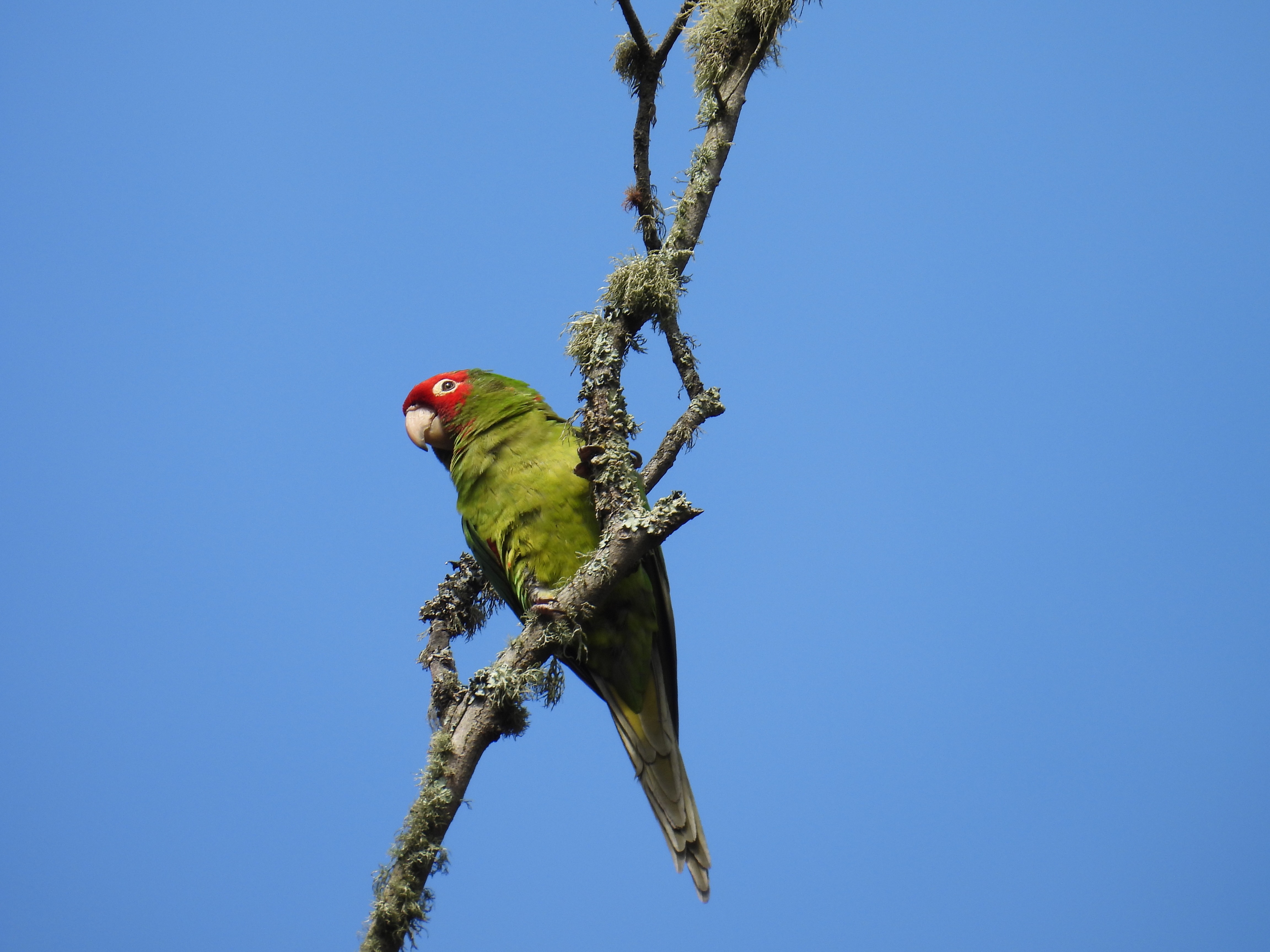
sf parrots


Last up if you stuck around this far you will be graced with this black-crowned night heron photo from adam. I hope your screen brightness is solid
black-crowned night heron
black-crowned night heron (Nycticorax nycticorax)


Closeout

That's all; happy birding