October Recap
In case you missed it you can find last month's newsletter here: october newsletter
October bird walk
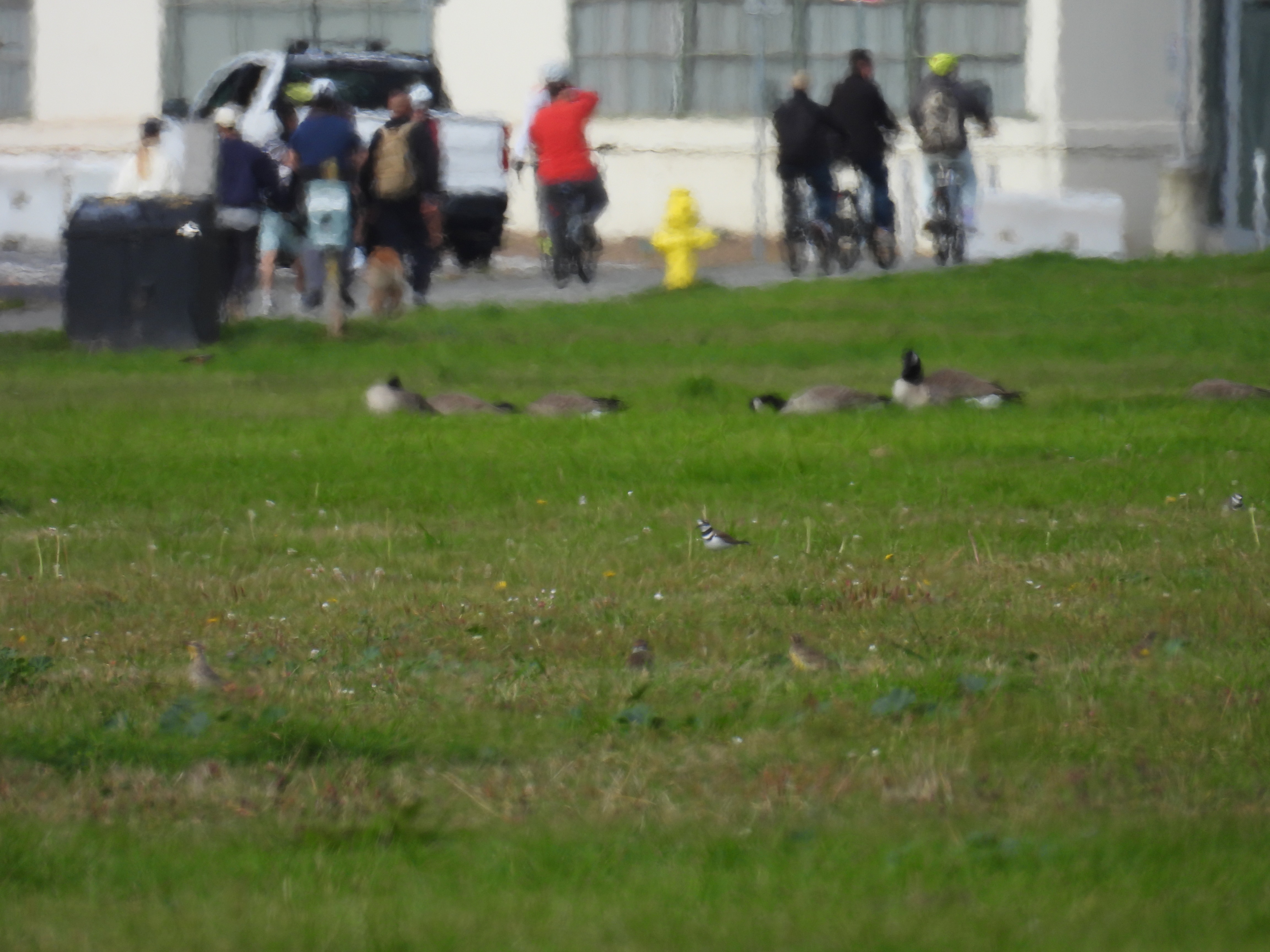
In October we birded around Crissy Field Marsh.
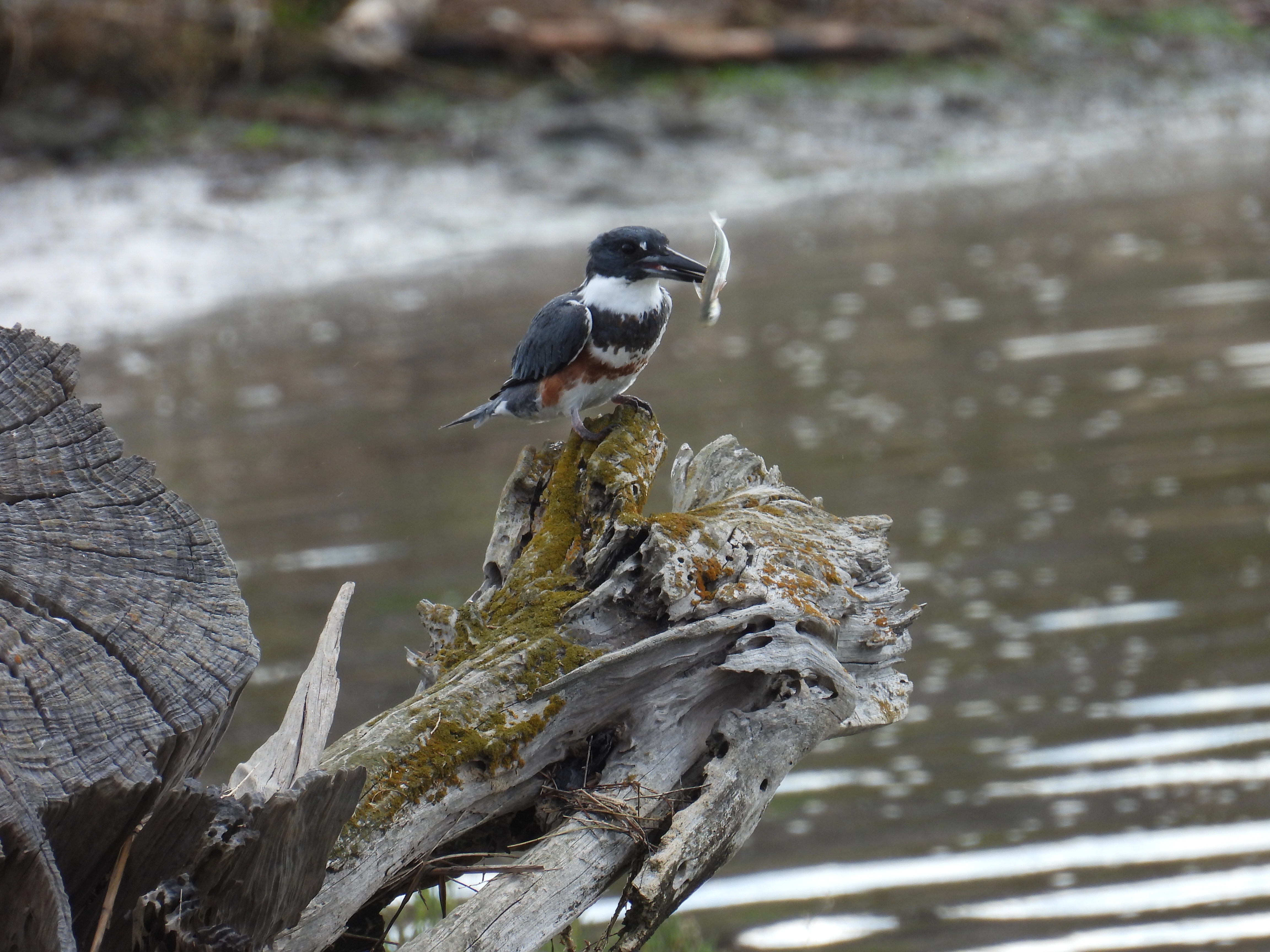
There were many highlights including the American white pelicans, belted kingfisher, and Say's phoebe bugging the black phoebe.
I made a checklist.
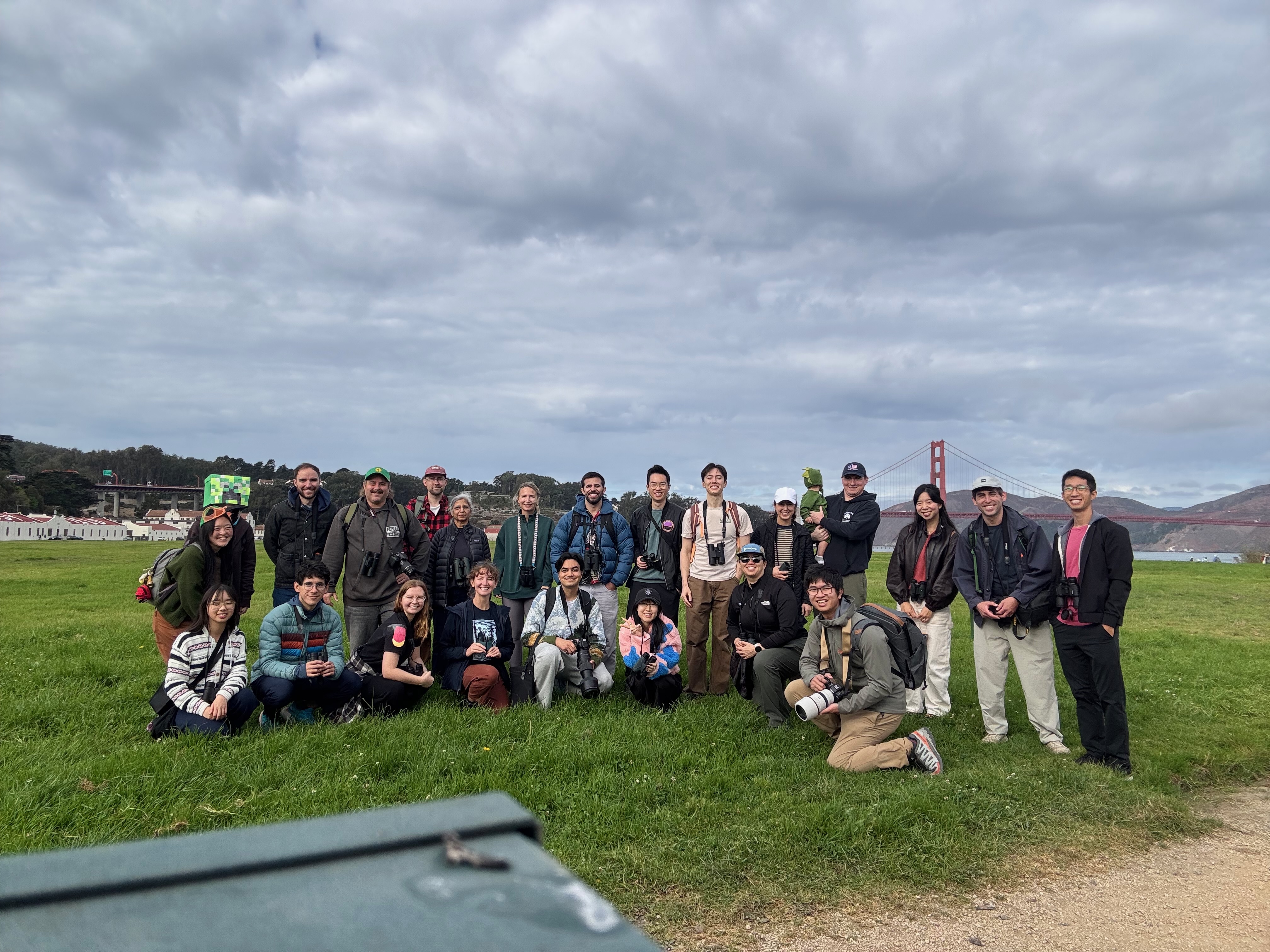
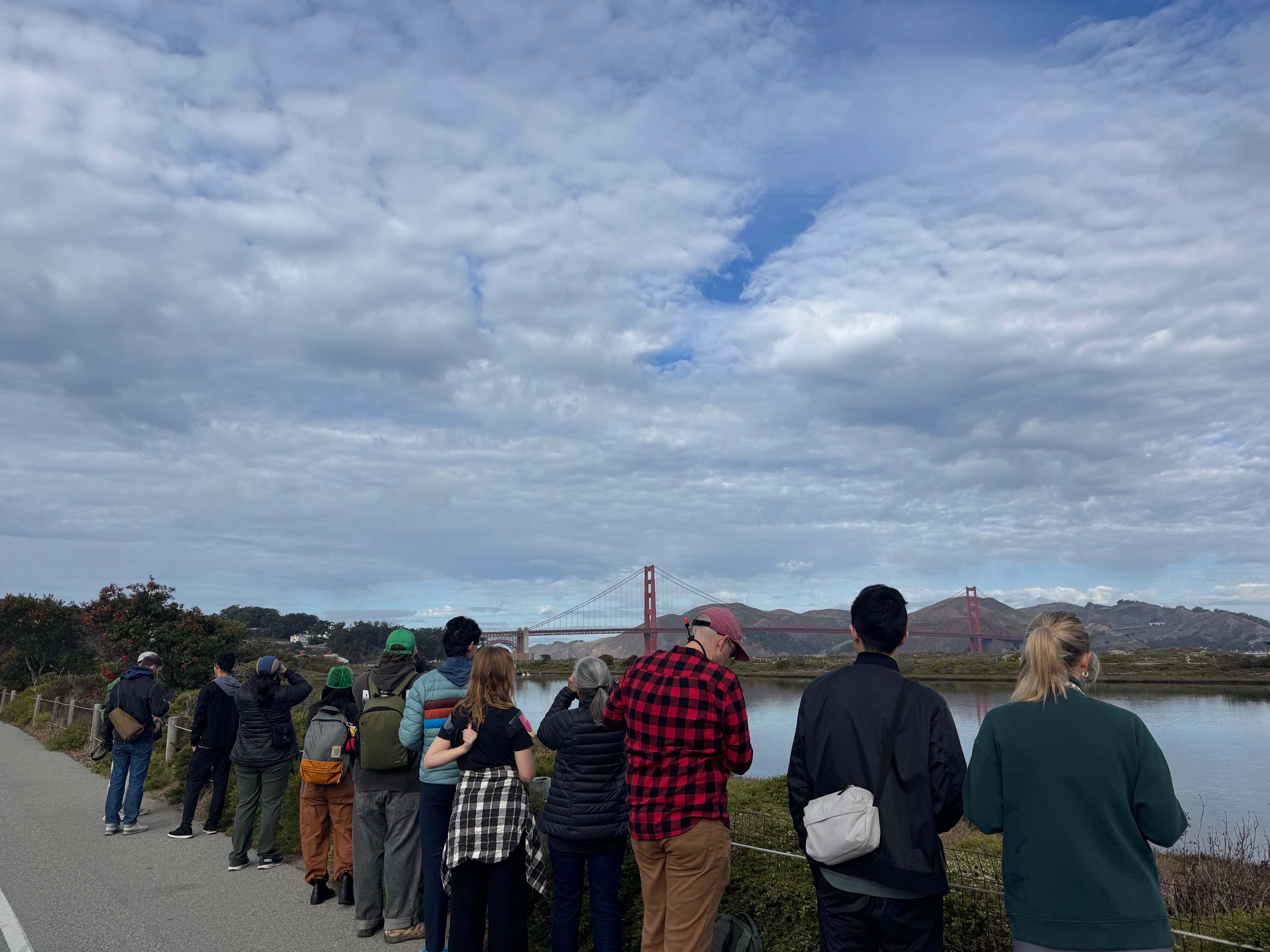
Including a handful of my photos from the walk below:
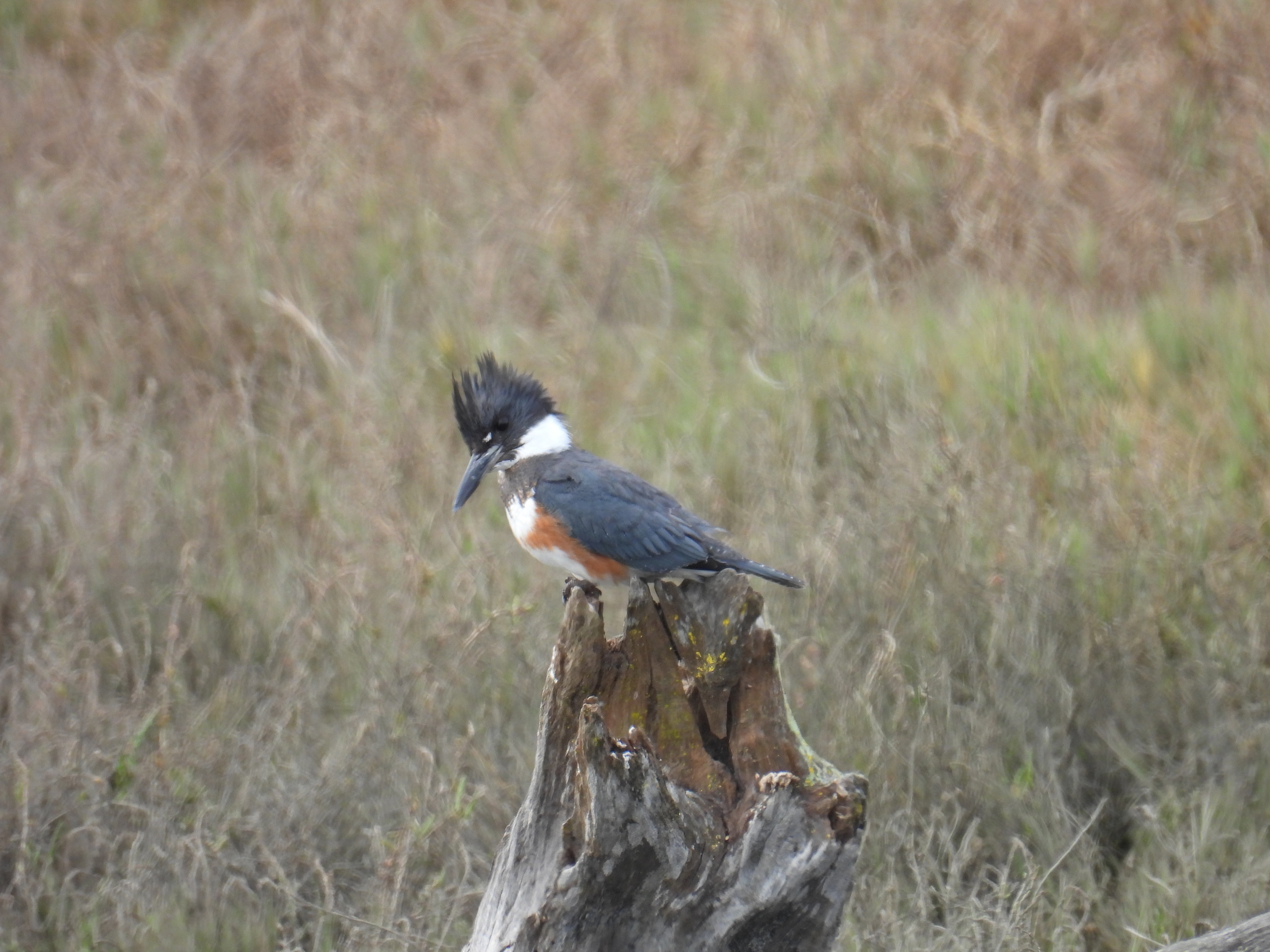
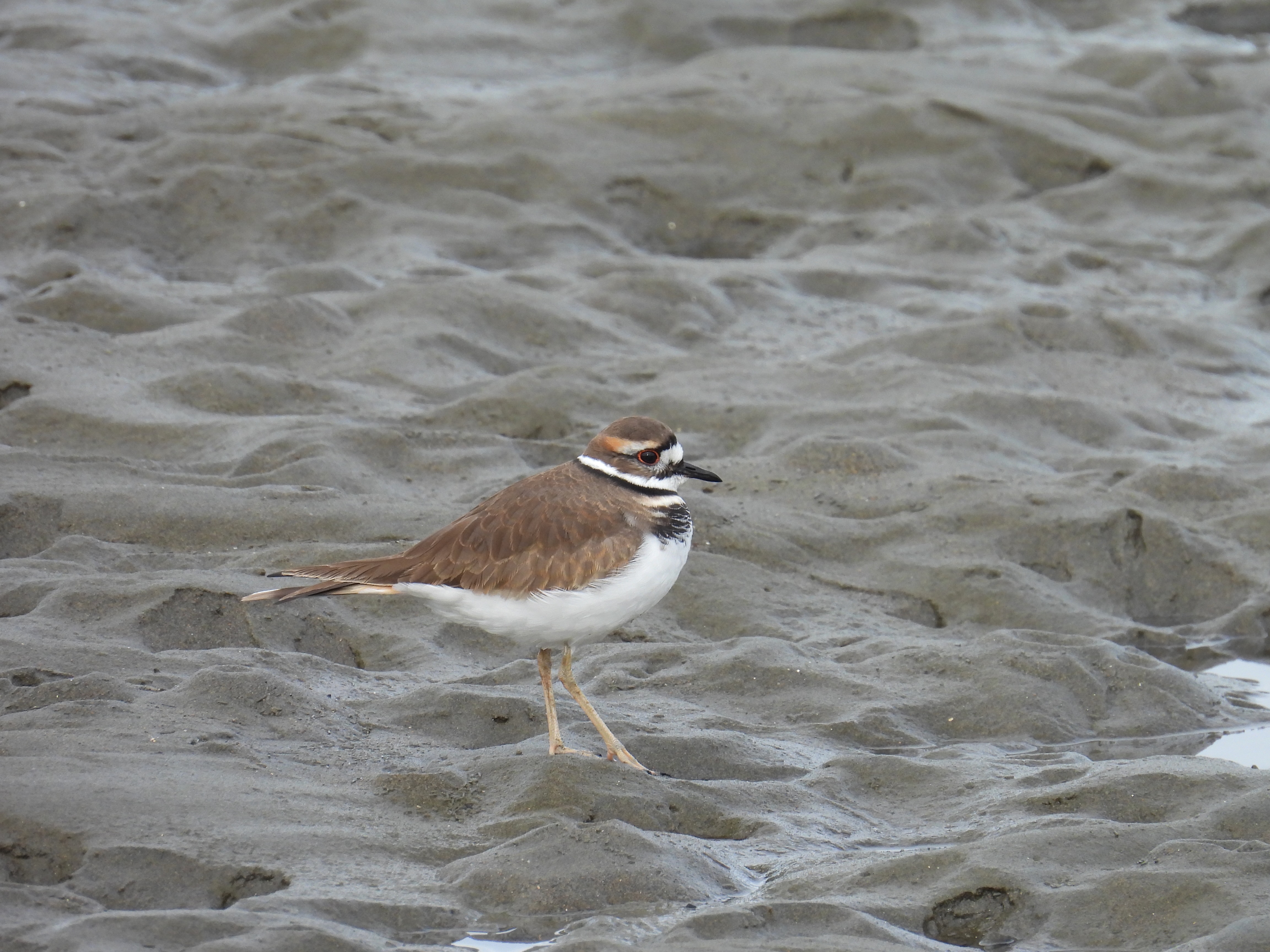
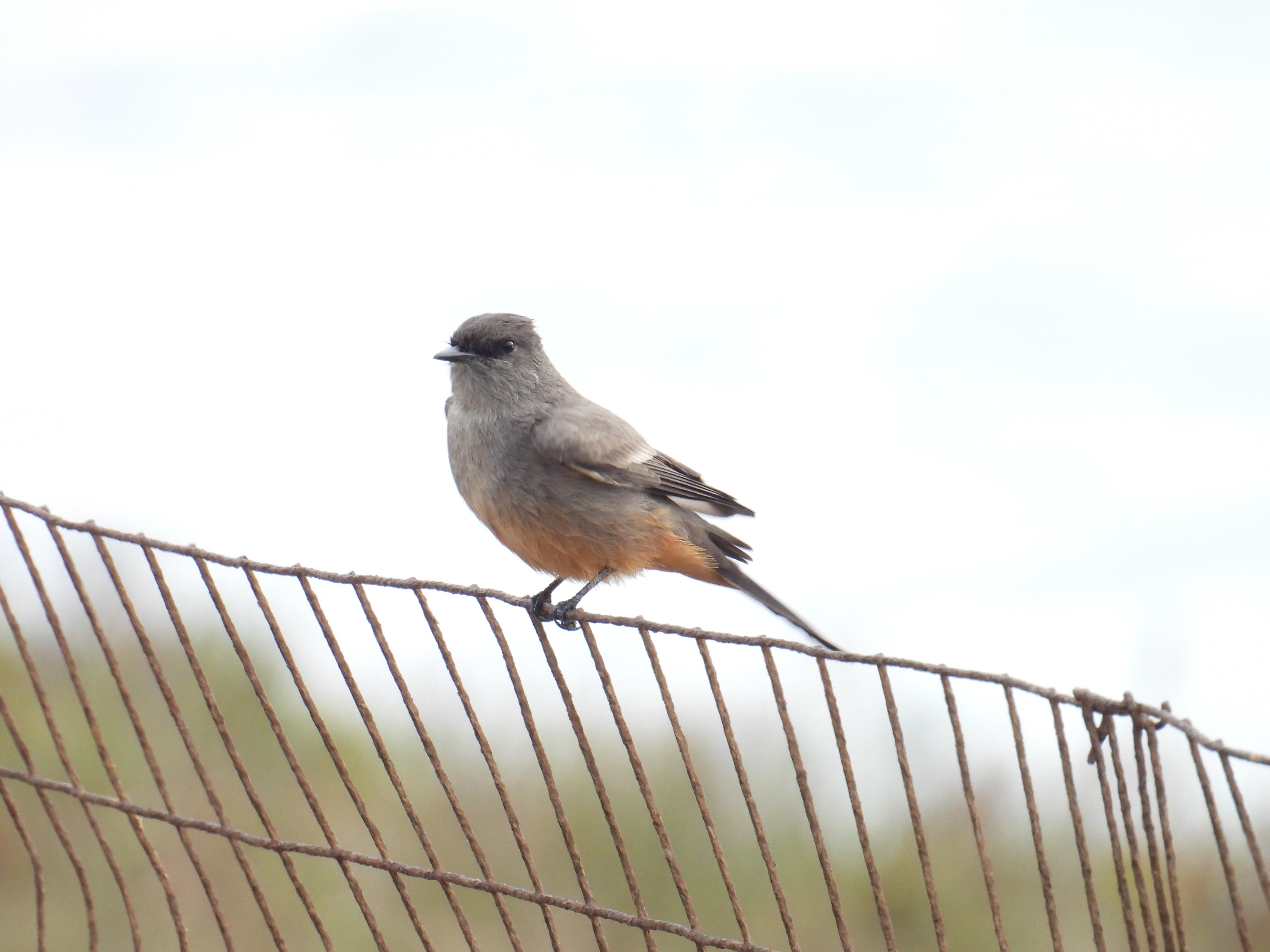
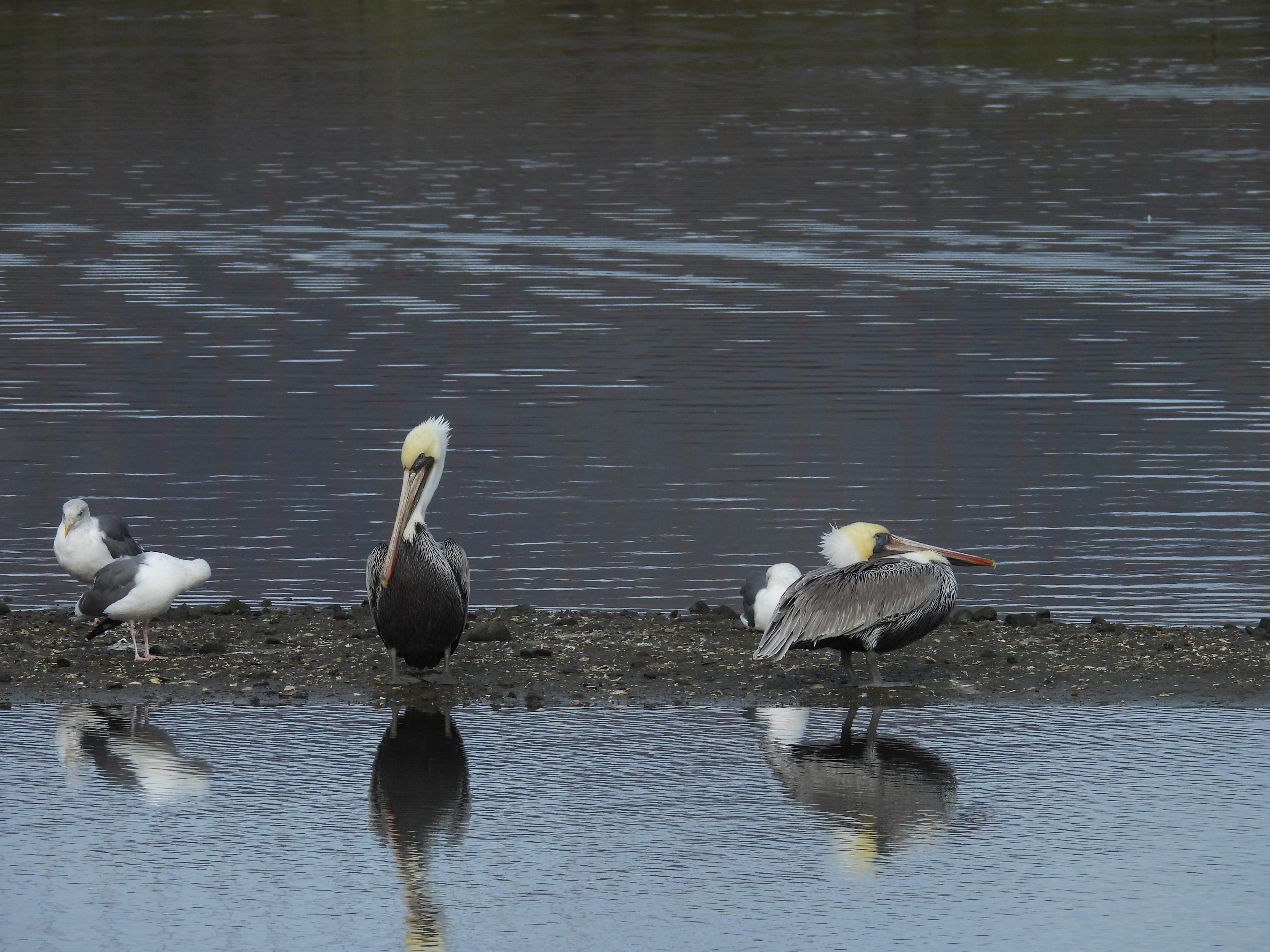
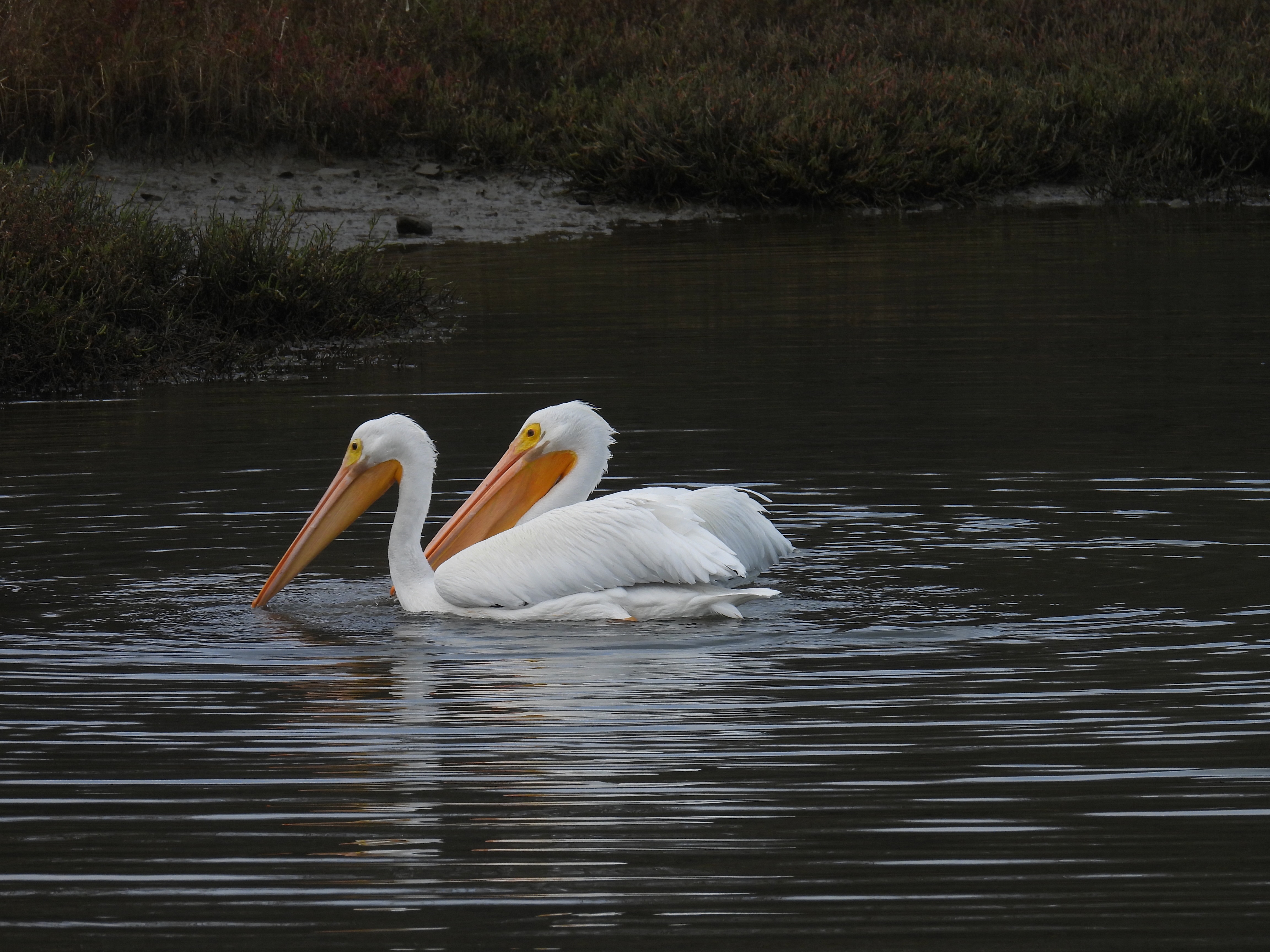
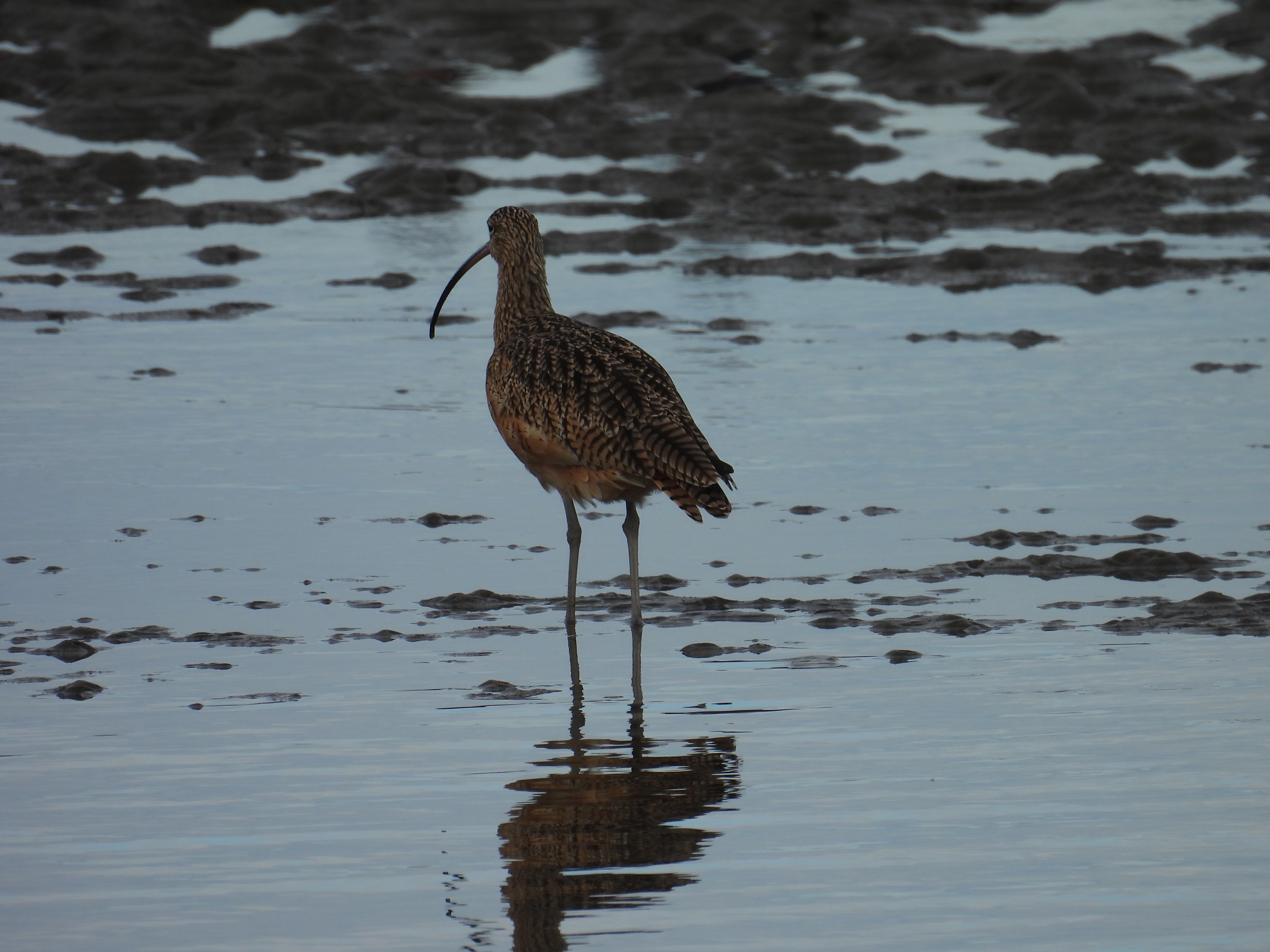
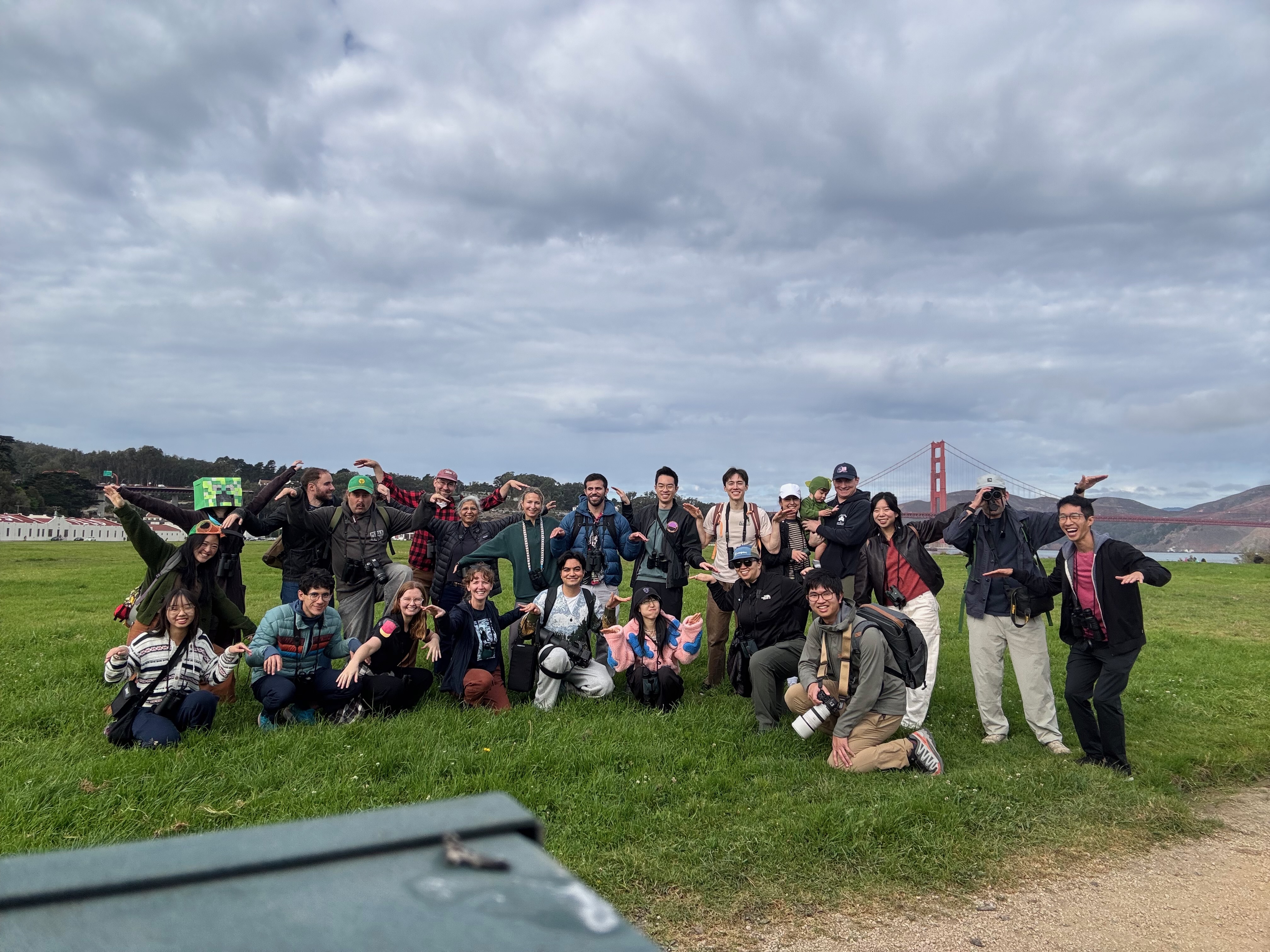
Thank you to everyone who came out! And a special thanks to Sangeeta who brought croissants and pastries from Ariscault!!
November Bird Walk
This month we're going to hit Blue Heron Lake and Strawberry Hill in GGP.
We will meet on the saturday morning of november 21st.
Head to the partiful link
to rsvp.
Spotlight Bird: American White Pelican (Pelecanus erythrorhynchos)
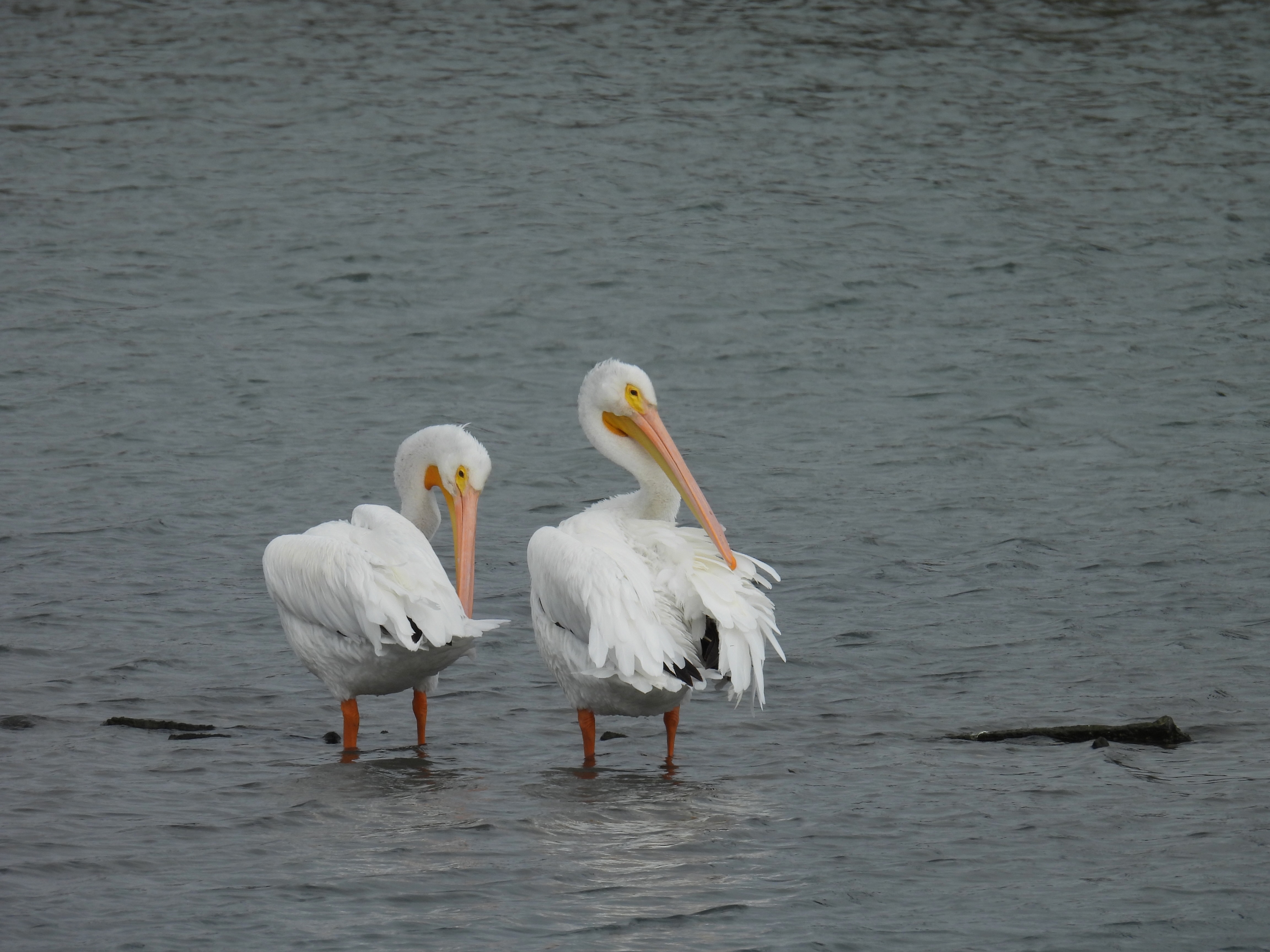
The pair of American white pelicans were a standout from our walk so they will be our spotlight bird for the month.

Fun American White Pelican Facts:
-
As you can see in the range map,
they spend their winters near the coasts, including by us, and their summers more inland.
The bar chart for sf shown below doesn't match this quite as cleanly.
SF is not a frequent stopping place for them so I wonder how much of these sightings are flybys?

ebird weekly bar chart for sf - They are in the same genus, Pelecanus, as the brown pelicans. In fact all extant (living) pelicans are members of this genus. The family Pelecanidae does contains two other genera, Eopelecanus and Miopelecanus, but these are fossil/extinct genera.
-
Unlike the brown pelicans you're probably more familiar with, the white pelicans do not dive from the air to catch their prey.
If you went to our group walk then you may have noticed them feeding.
They were swimming on the surface and taking turns dipping their heads under water and scooping up their food.
They mostly eat small fish but also other stuff like crayfish.
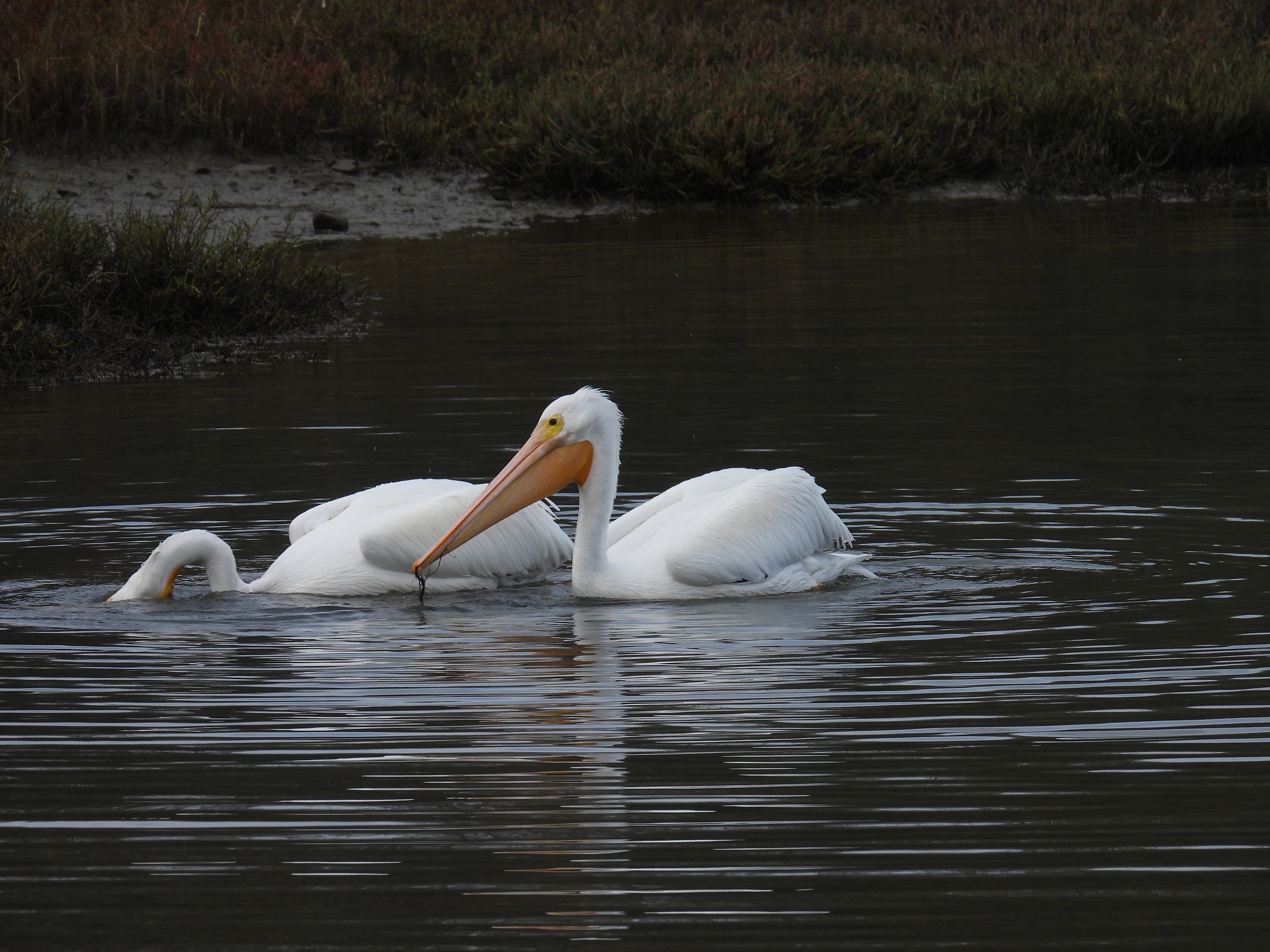
picture of the pelicans feeding from our walk -
Two more fun facts about their feeding behaviors:
- they sometimes hunt in groups by coralling the fish
- they sometimes perform what is known as kleptoparasitism which means what it sounds like, they steal food.. This note from the Florida Ornithological Society specifically talks about them stealing from DC cormorants. Crissy Field has both DCs and the white pelicans so it would be fun to witness kleptoparasitism!
- Any time I read about migration or bird flight it all sounds pretty magic. You'll often hear about birds being guided by magnetic fields or things like that. According to a study called "American White Pelican Soaring Flight Times and Altitudes Relative to Changes in Thermal Depth and Intensity", scientists found that how high the warm air goes will determine where the pelicans fly and this can vary by the distance of flight. So on a long flight they would be more in the middle of that thermal air zone so they can glide for longer times. On shorter flights where they don't need to glide for as long they'll be lower in the zone.
- I don't know much about their history in San Francisco. I know they are more common visitors to some lakes or bodies of water in surrounding counties, but in SF they trigger rare bird alerts. The pair we saw has been here for over a month now.
Last Month in Birding
Continuing on with the monthly bird commentary.
Duck Stamp 2027
Following up on the note from last month about the recent duck stamp winners. The tentative list of eligible ducks for the 2027 compeitition has been announced and it is White-fronted Goose, Green-winged Teal (North American only), American Wigeon, Ring-necked Duck, and Barrow’s Goldeneye.
As mentioned in last month's newsletter I know we have some artists among us, so I'd love to see some entries. Maybe we can organize a group drawing event or a show and tell or something like that:)
Species Splits
On our bird walk we discussed the recent species splits and lumps that happened in mid october.
Some of these impact the birds we see in SF.
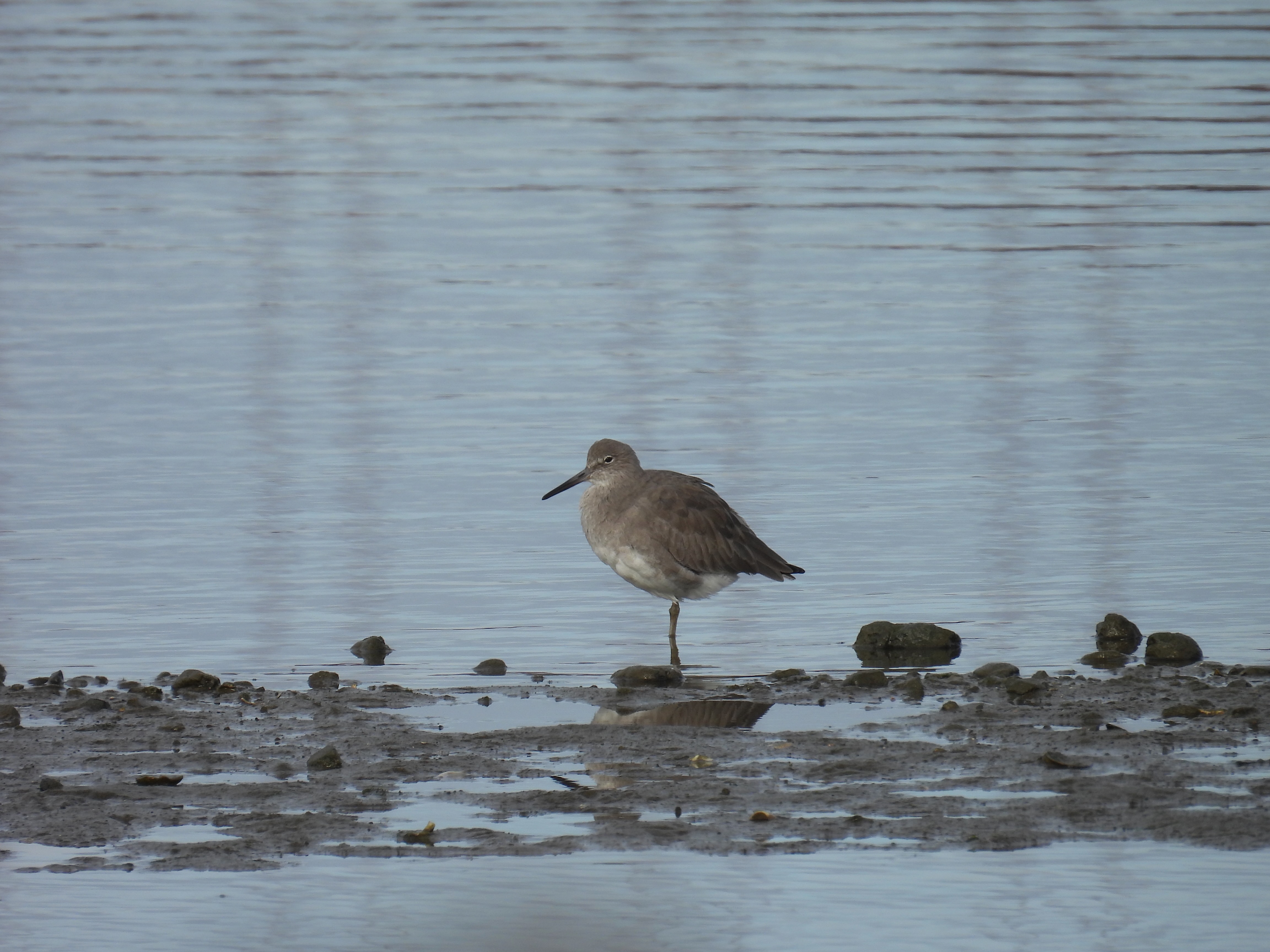
A good example is the willet we saw on our walk.
Formerly this was just a willet but now it is a prarie willet.
Its name comes from the fact that it breeds inland in the praries and grasslands.
Another example which I brought up was the great egret we saw on our walk.
I had heard it was split between the American egret for the Americas,
and the great white egret for the rest of the world, but I had noticed eBird didn't update the taxonomy.
Apparently it is because the American Ornithological Society (AOS) announced the split,
but eBird follows the global AviList and because this particular species split is more global in nature it
needs input from the other regional authorities, so they are holding off on that split for now.
If you want to read more on this here are some helpful links:
- the AOS press release
- the AOS proposals with the reasonings behind each change
- the eBird pages on the 2026 taxonomic updates: one and two
Rare Bird Alerts
I first mentioned the rare bird alerts last month as a way to read up on trends even if you don't plan on chasing them down.
I also mentioned the increased frequency of montane species fleeing the mountains for the coasts.
That has continued with appearances of evening grosbeaks, Clark's nutcrackers, and others.
Dom shared this post about the recent trend.
In a semi-related note, the Lewis’s woodpecker (Melanerpes lewis) is not quite a montane species,
and they do head lower from the mid mountain areas in the winters,
but visiting the coasts and places like SF is still considered rare.
We had a recent visitor to the oak woodlands corner of GGP which I was able to visit for two days.
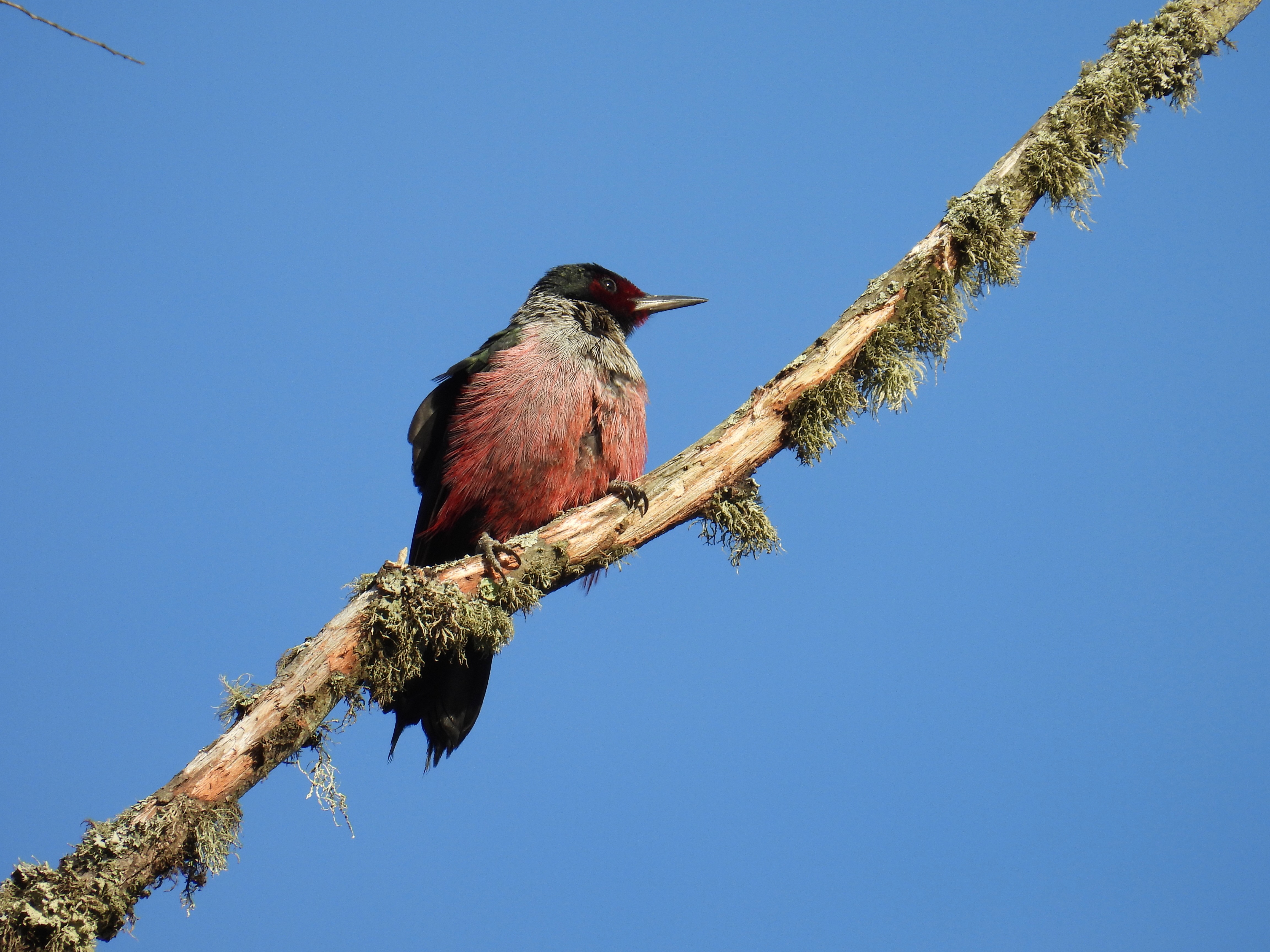
A couple of my observations from my two visits: I watched it get chased around for ~30 seconds by a crow. I also watched it hunting in flycatcher-like manner. Among other woodpeckers, this flycatching behavior is particularly associated with the Lewis's.
Member Submissions
Thank you to everyone who sent me photos of the birds they saw!
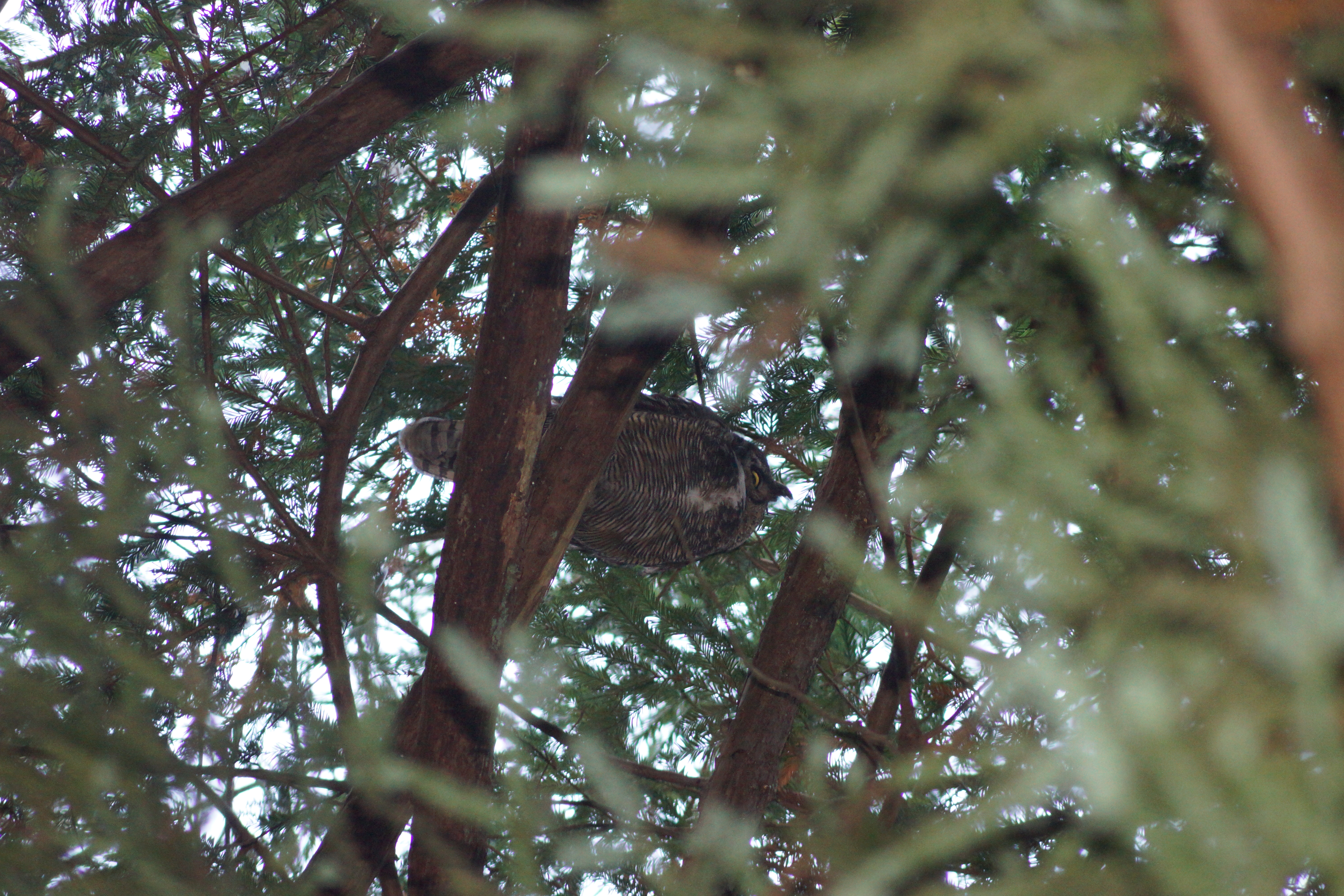
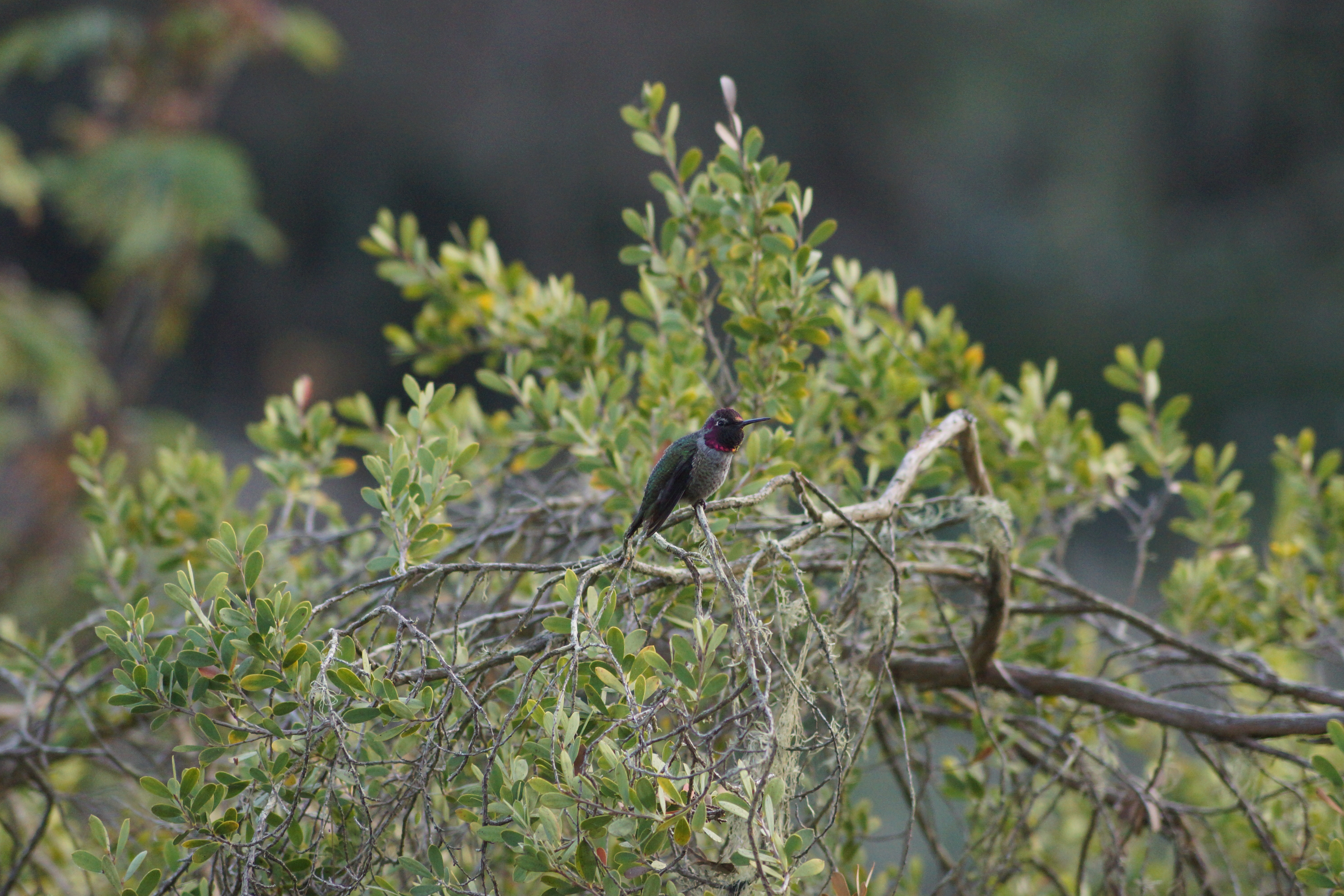
To lead us off Keegan took a handful of photos. Including some of them here:
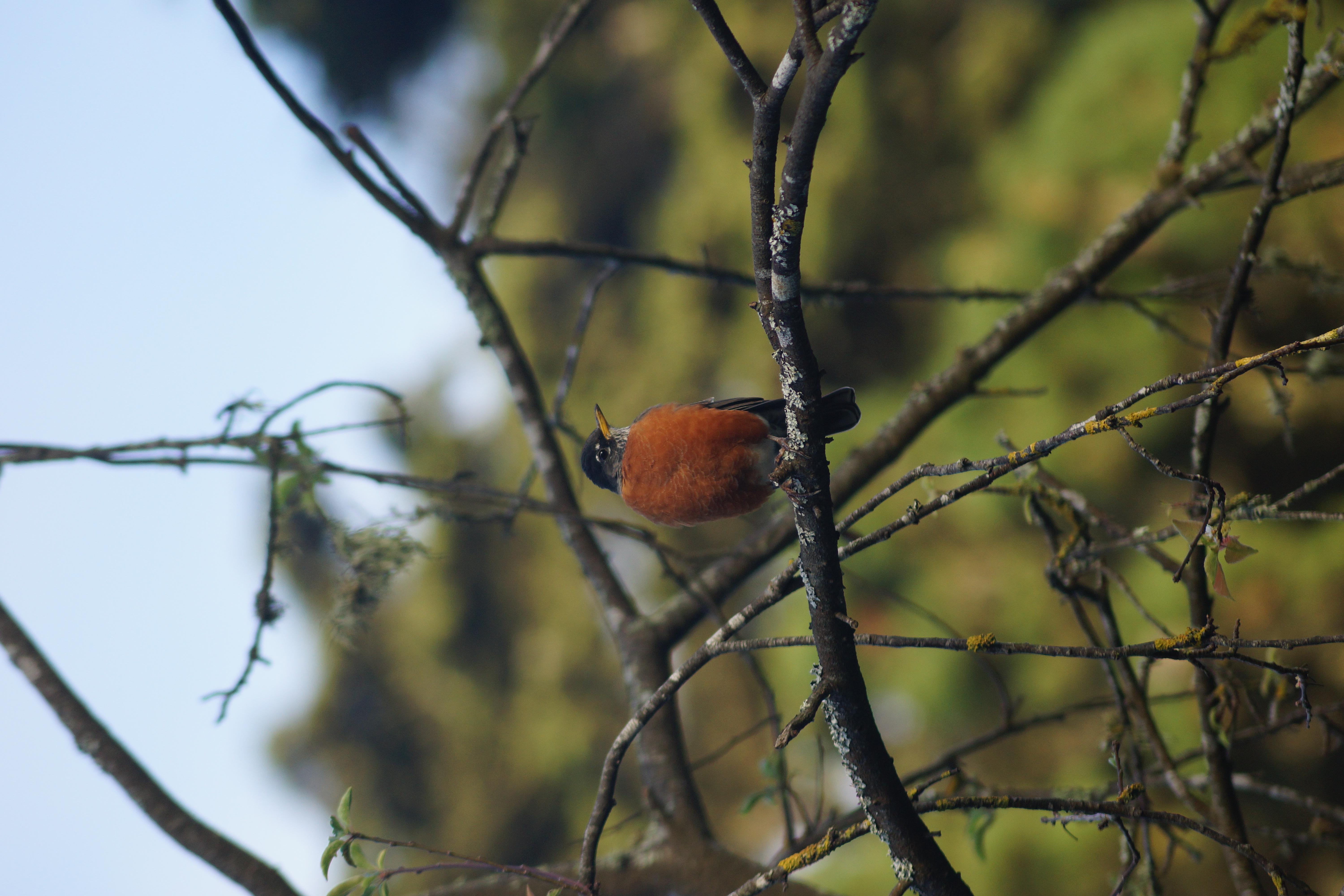
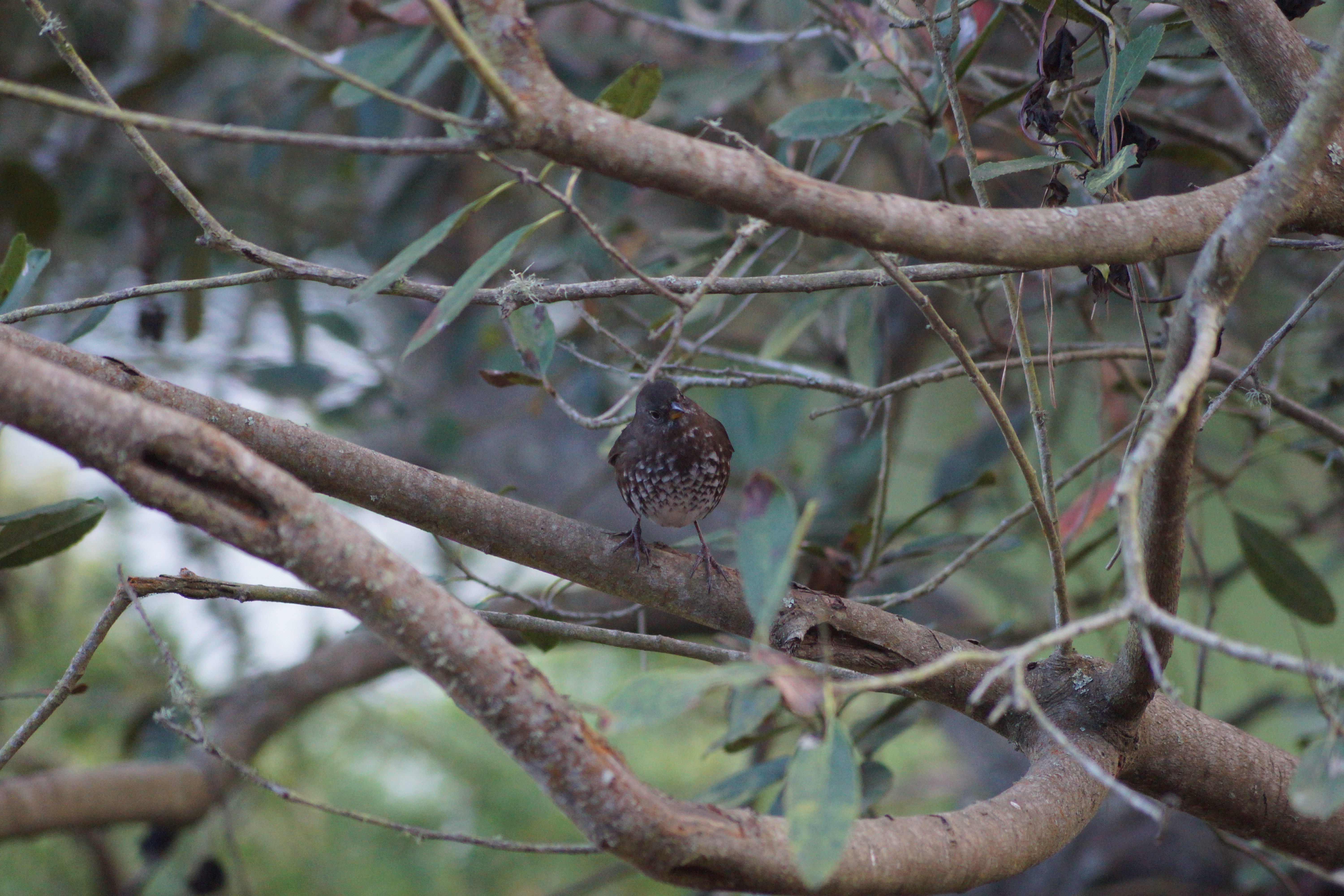
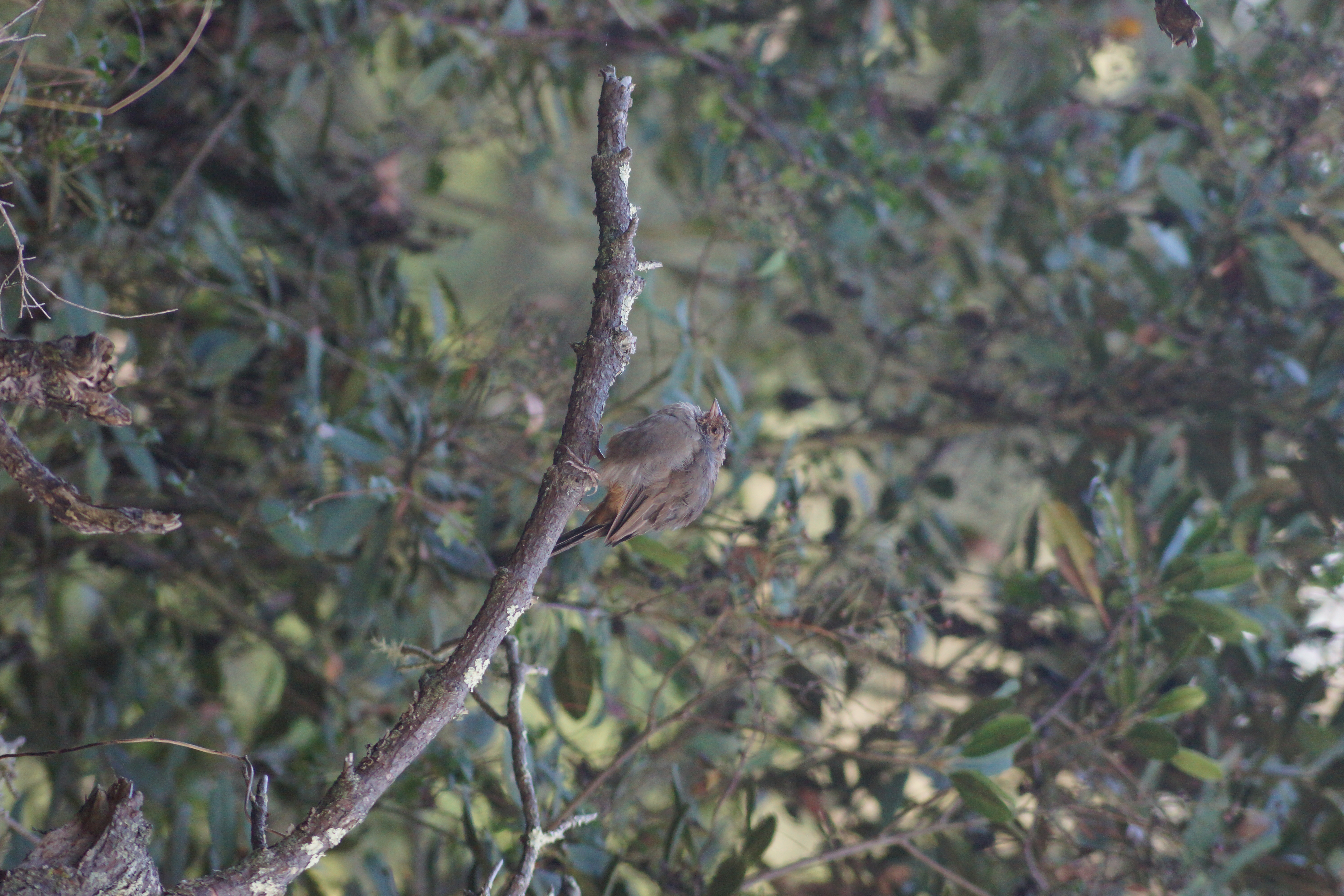
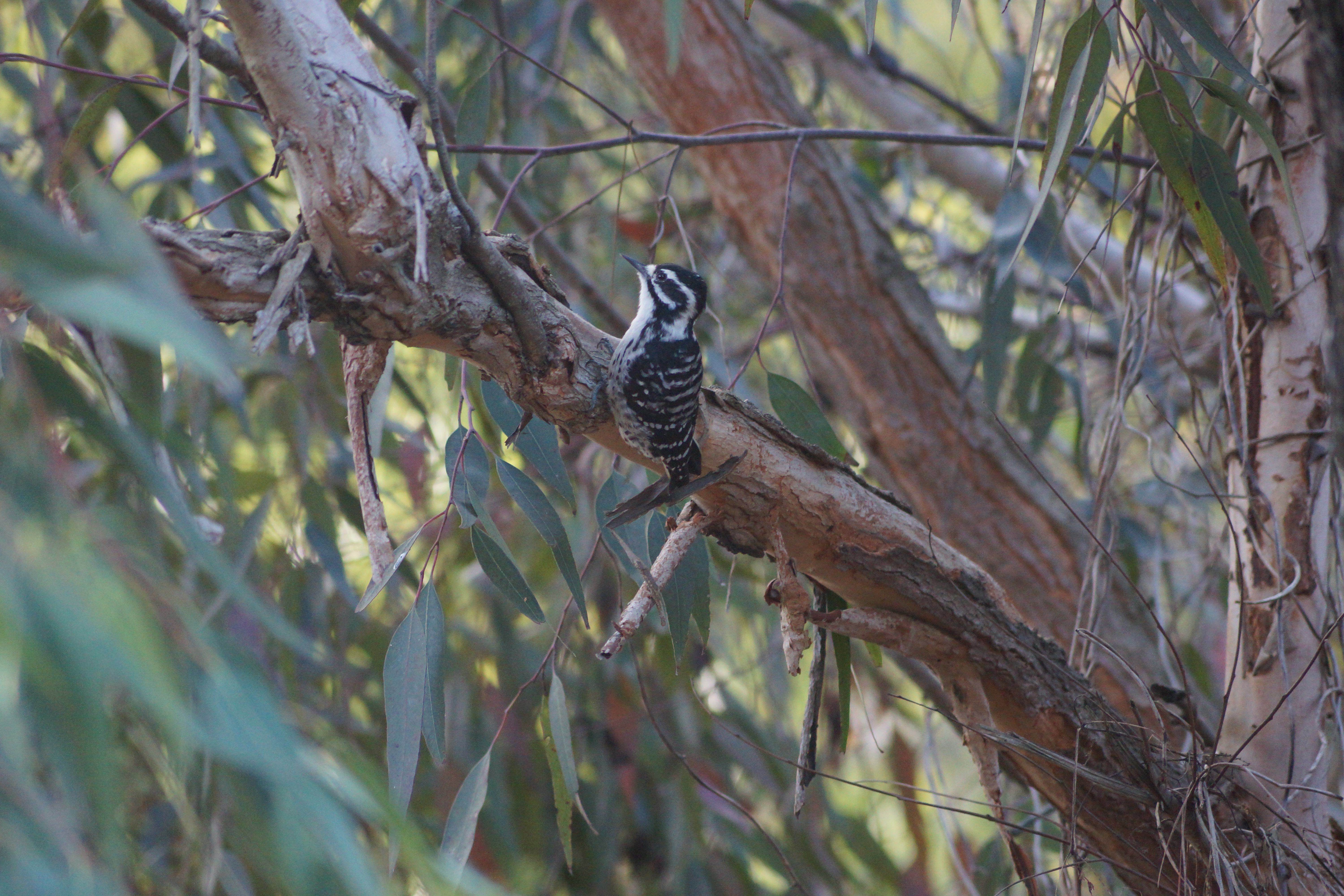
Next up Adam had some nice spots in SF
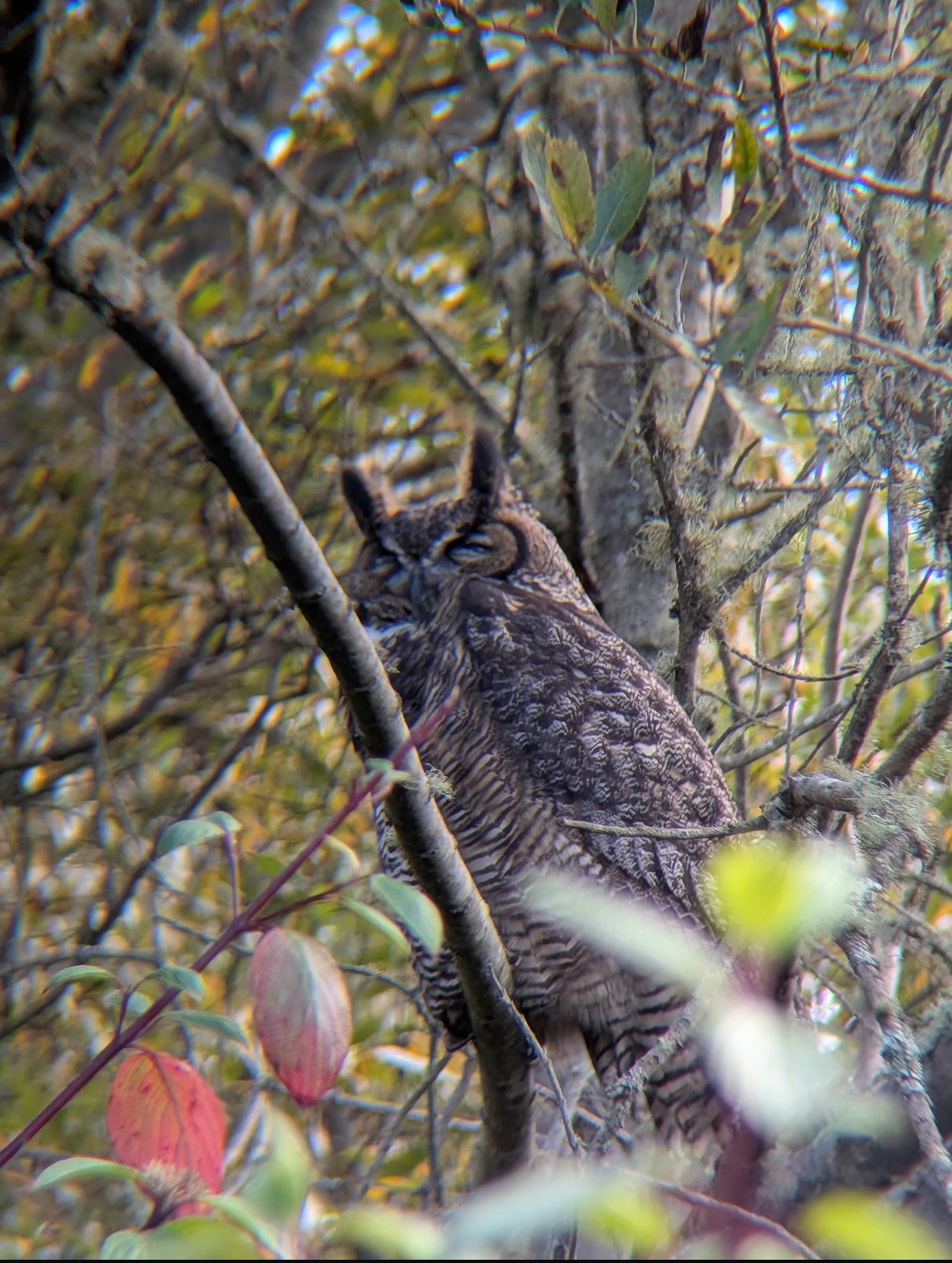
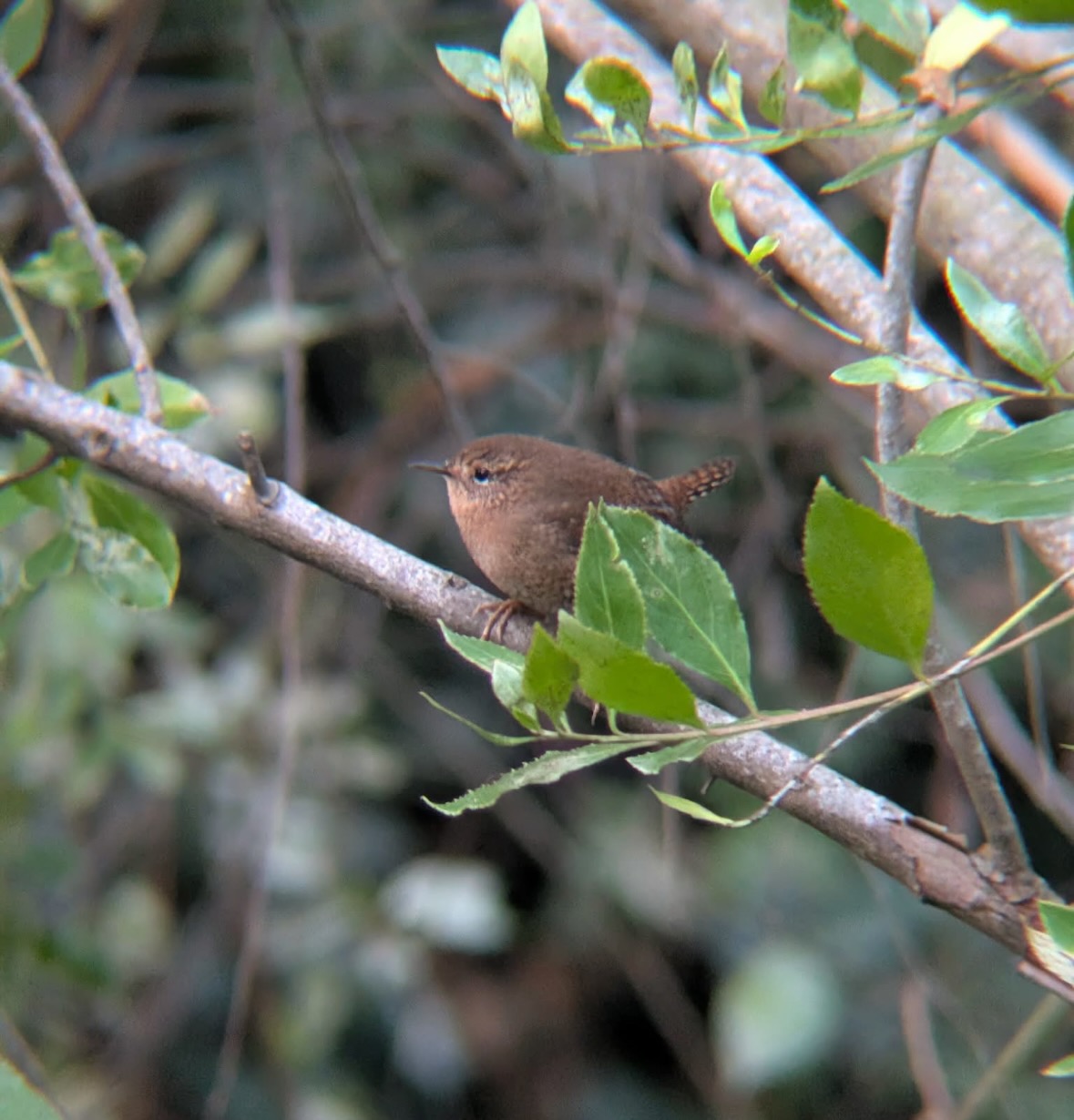
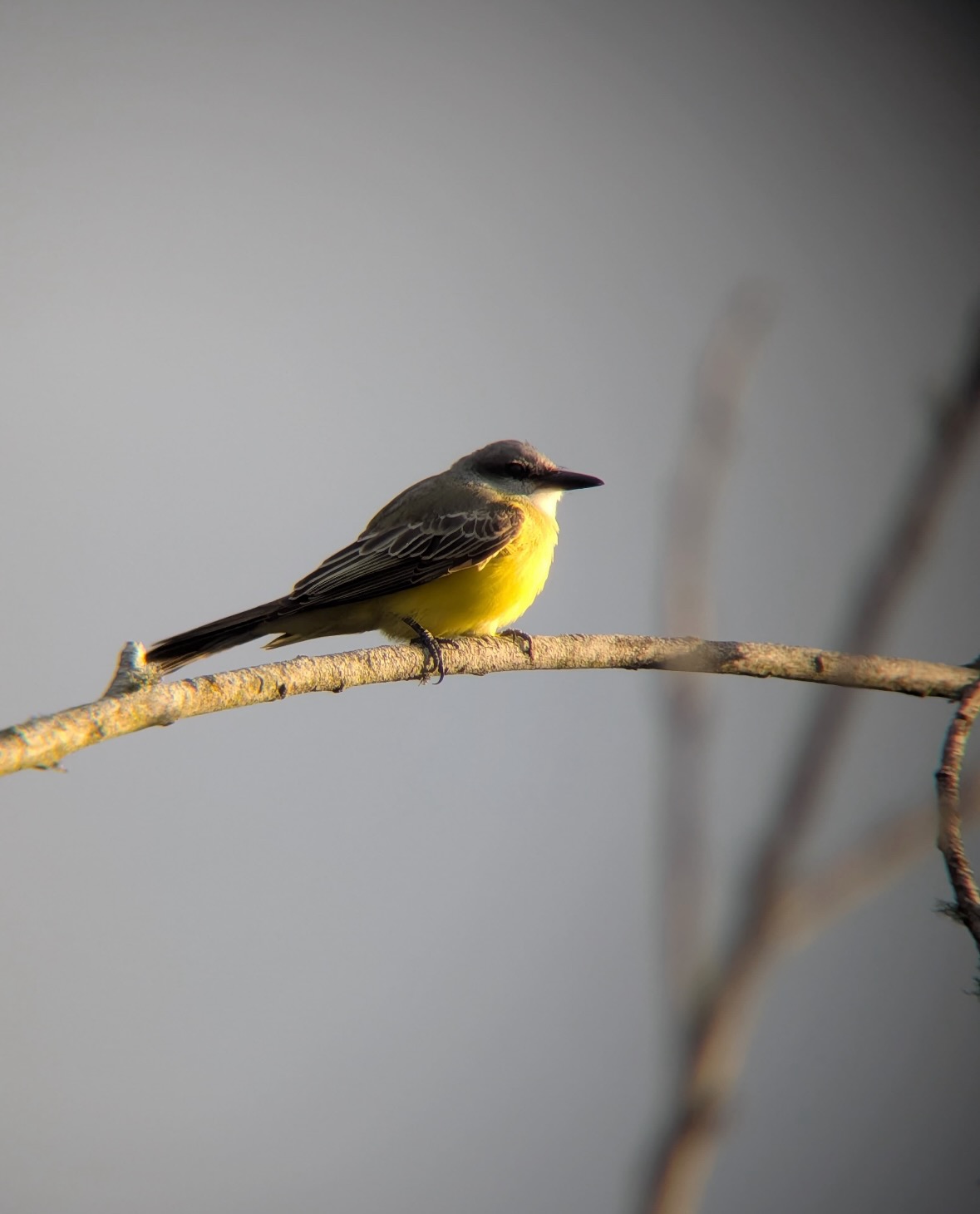
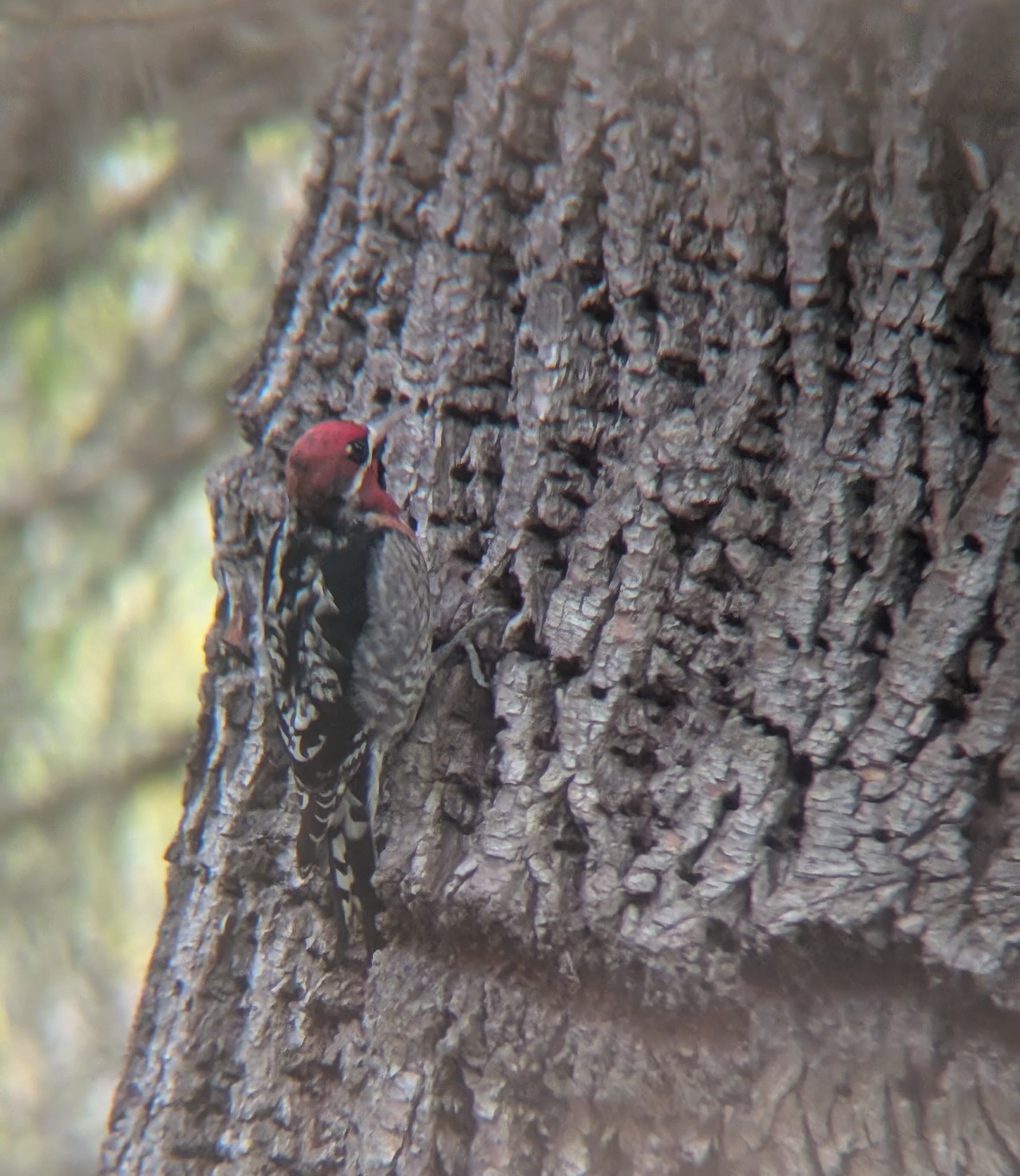
Dom birded Santa Barbara
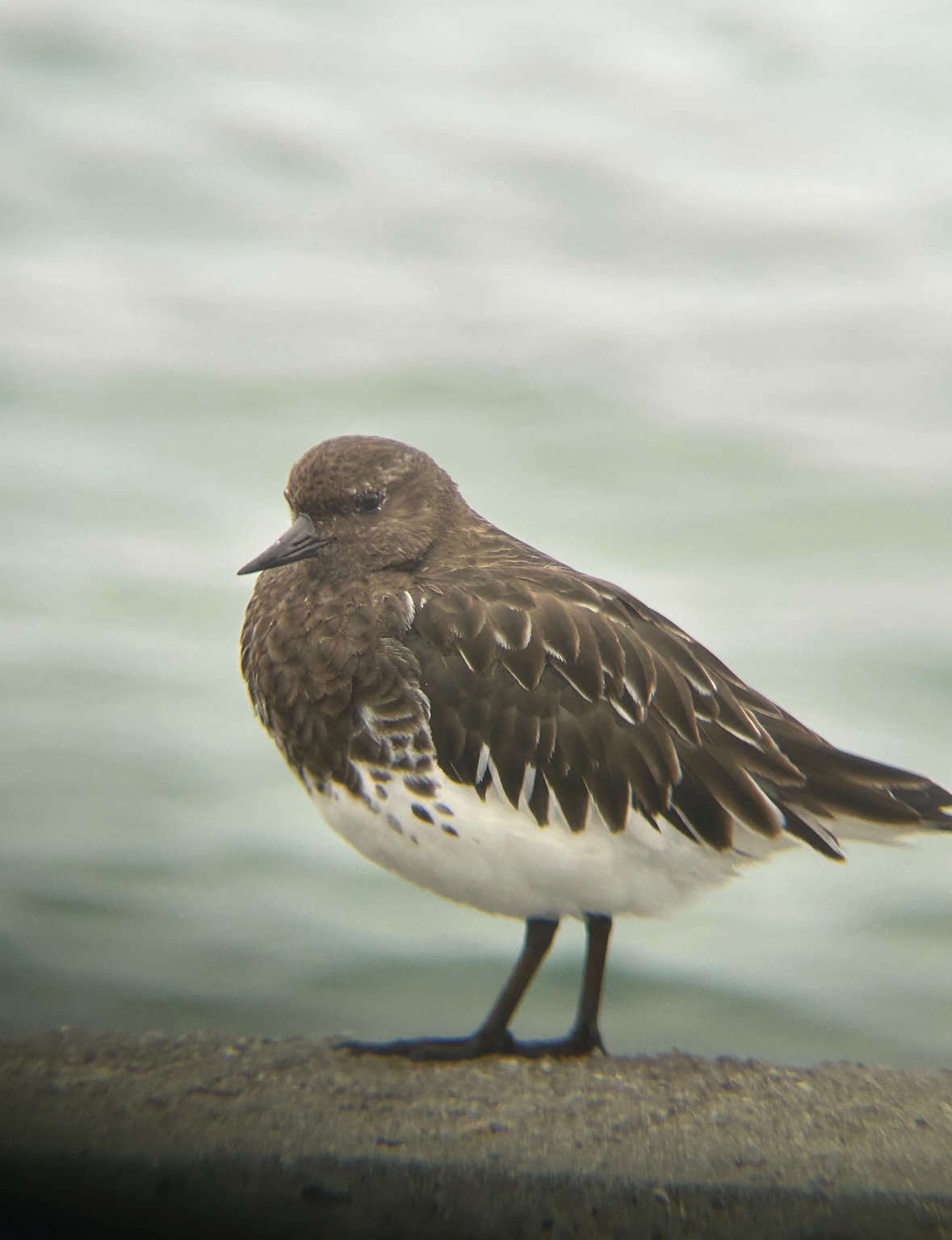
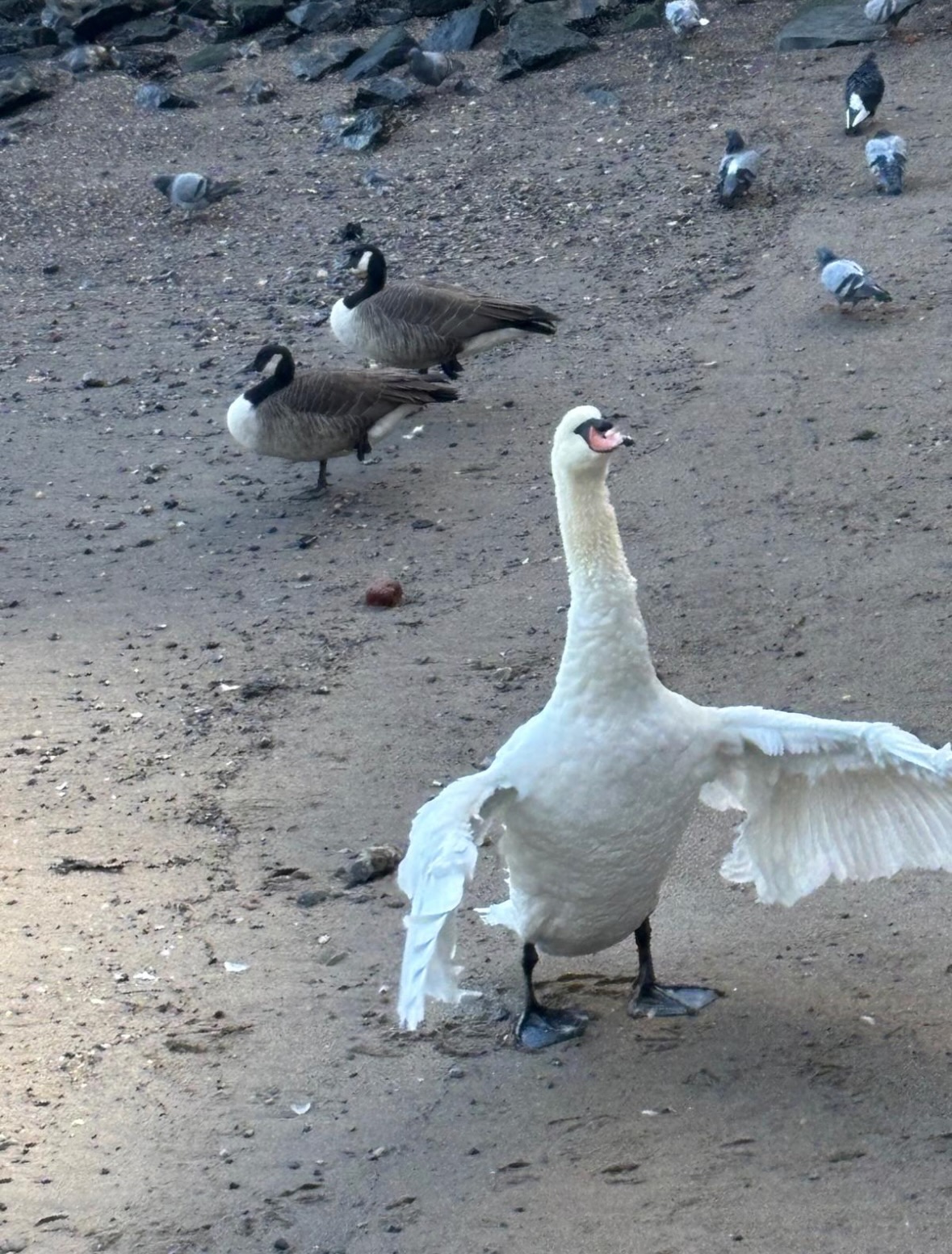
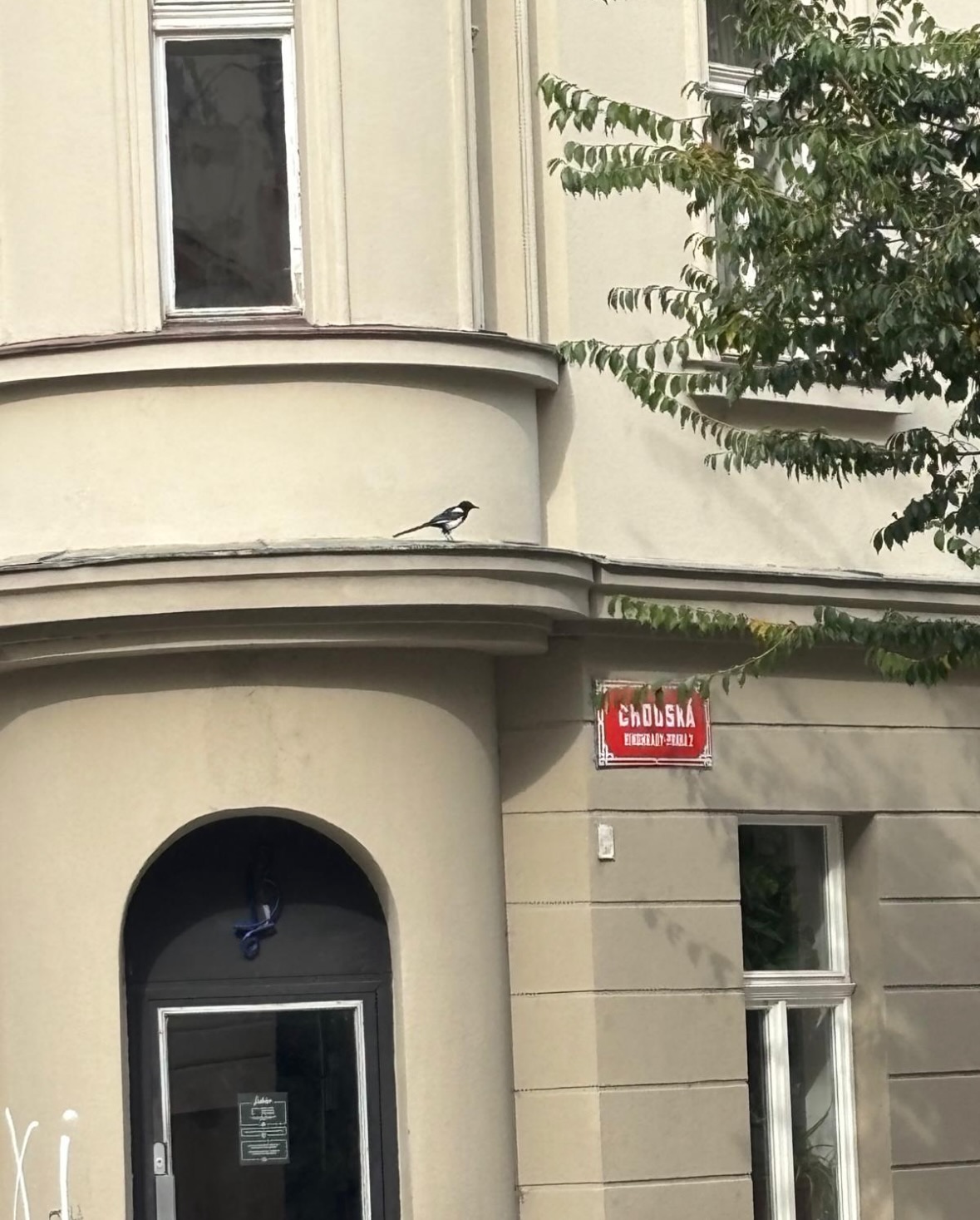
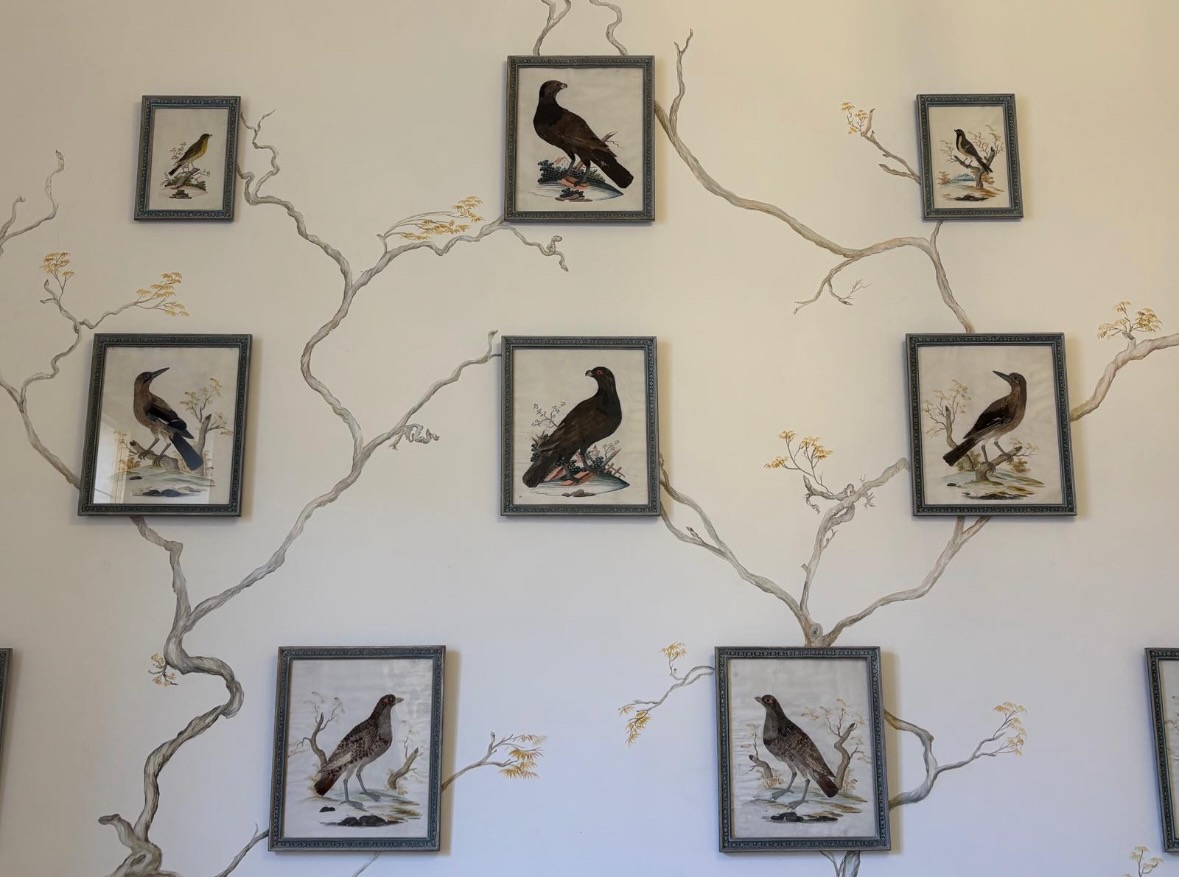
Ani birded in Brooklyn and Europe
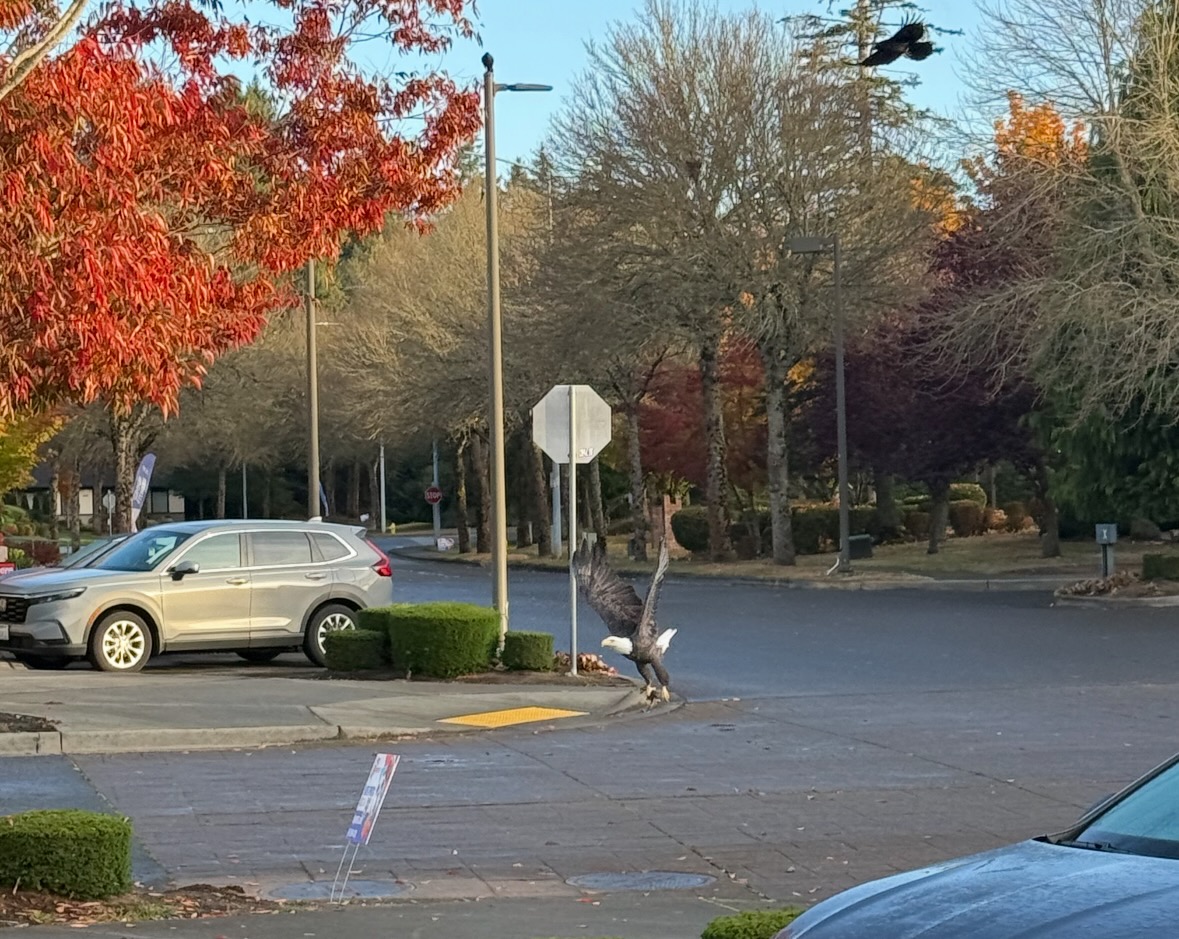
Lindsay had quite the spot up in Oregon
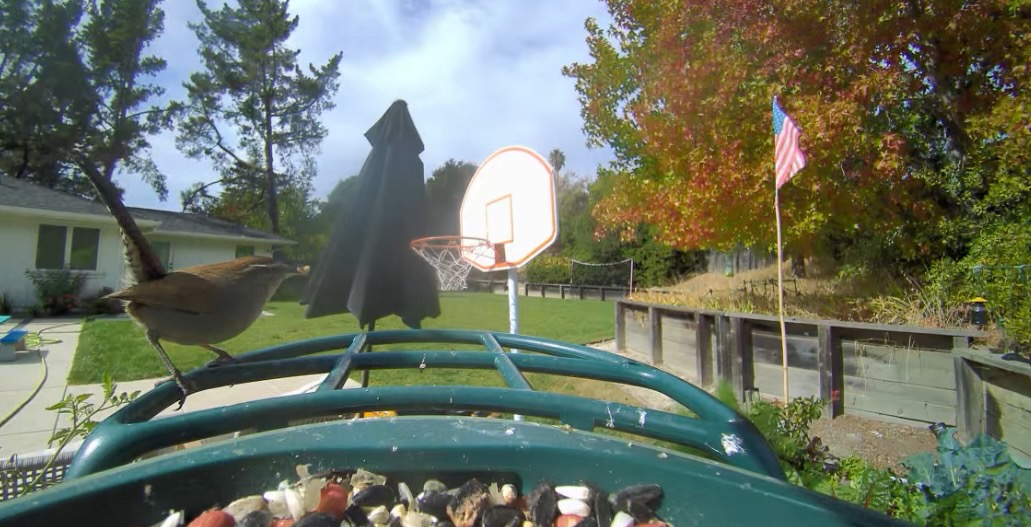
Jeff's east bay feeder continued on as a hotspot
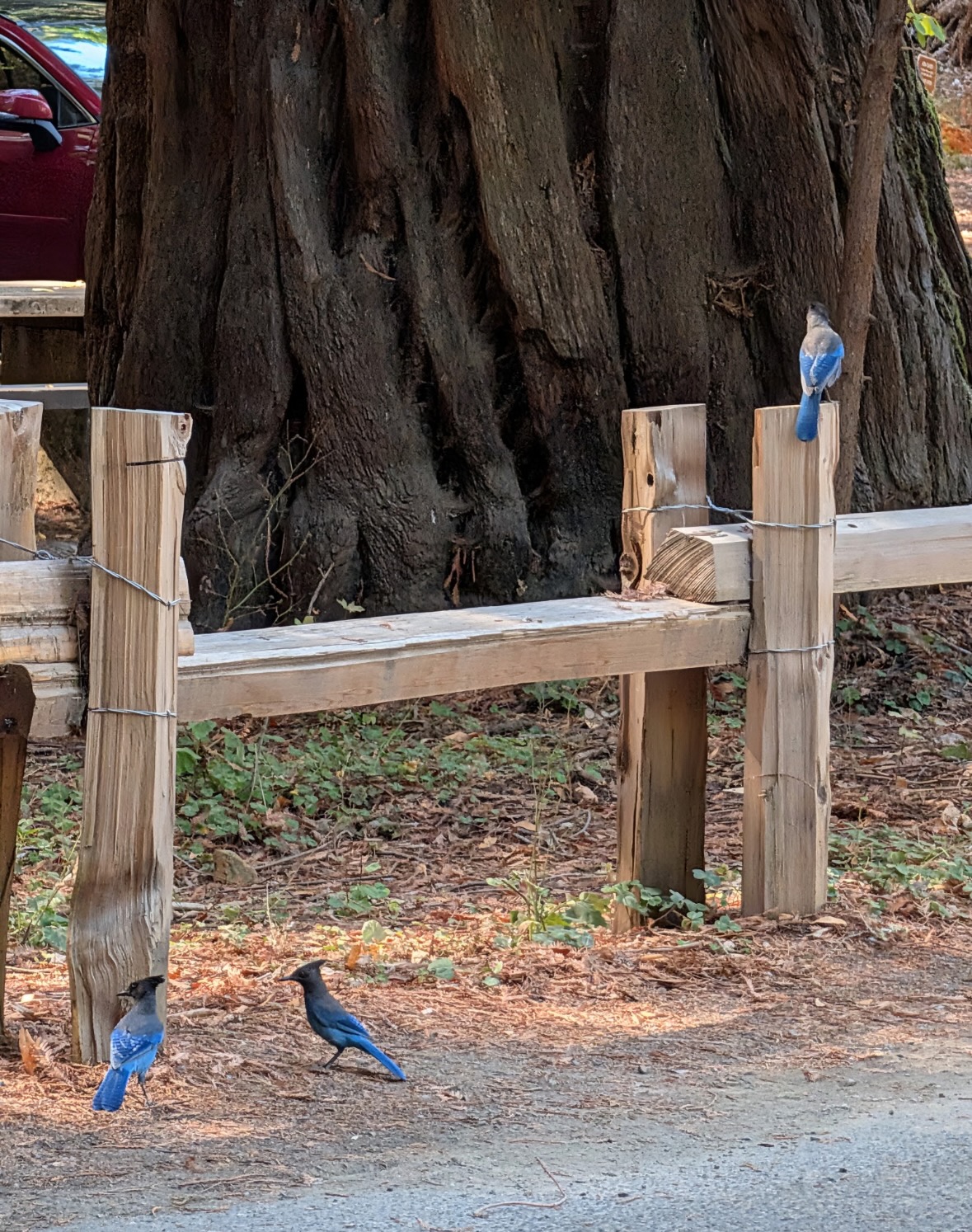
Joel birded the redwoods
Jette and Naomi birded in the east bay
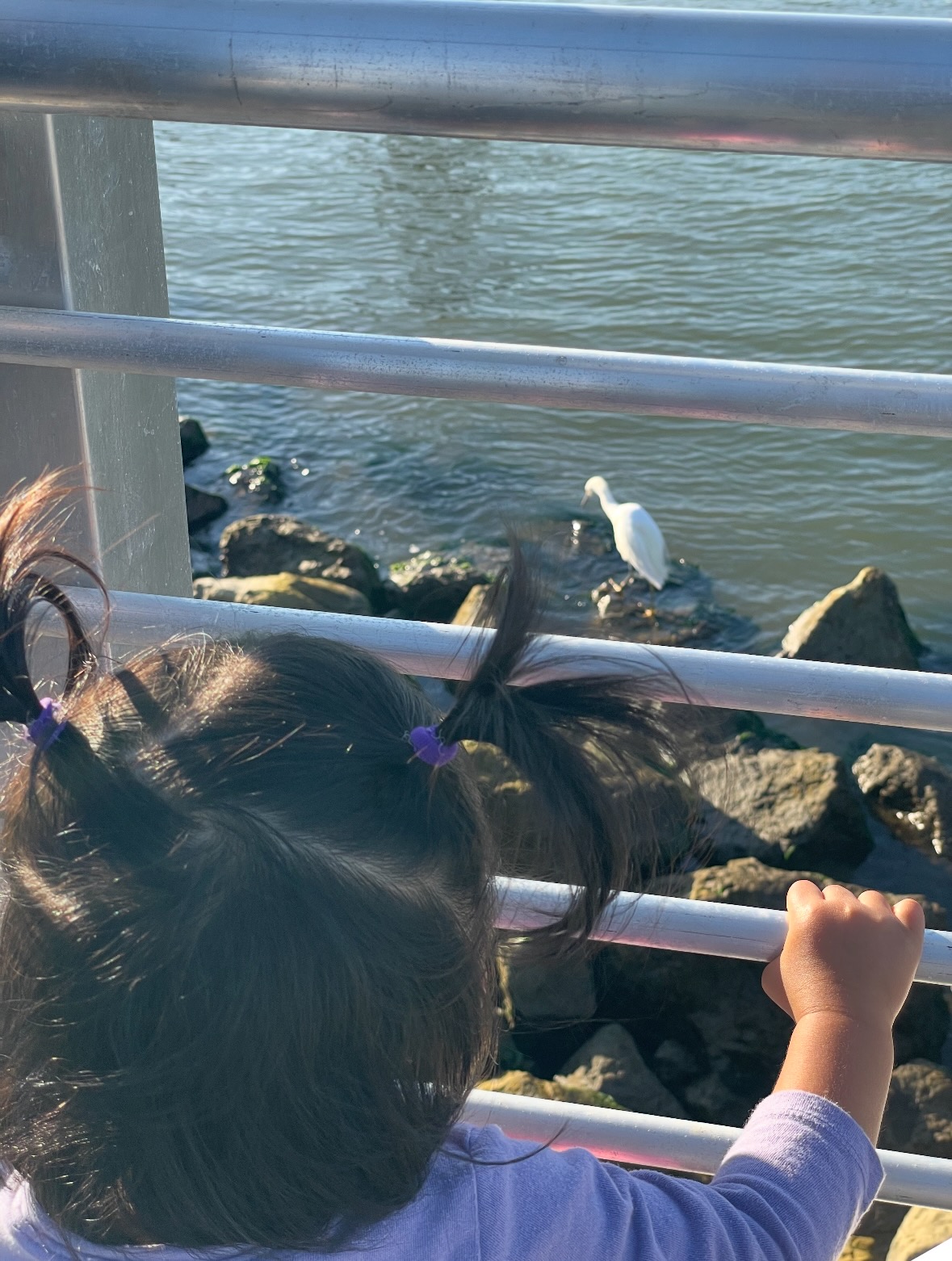
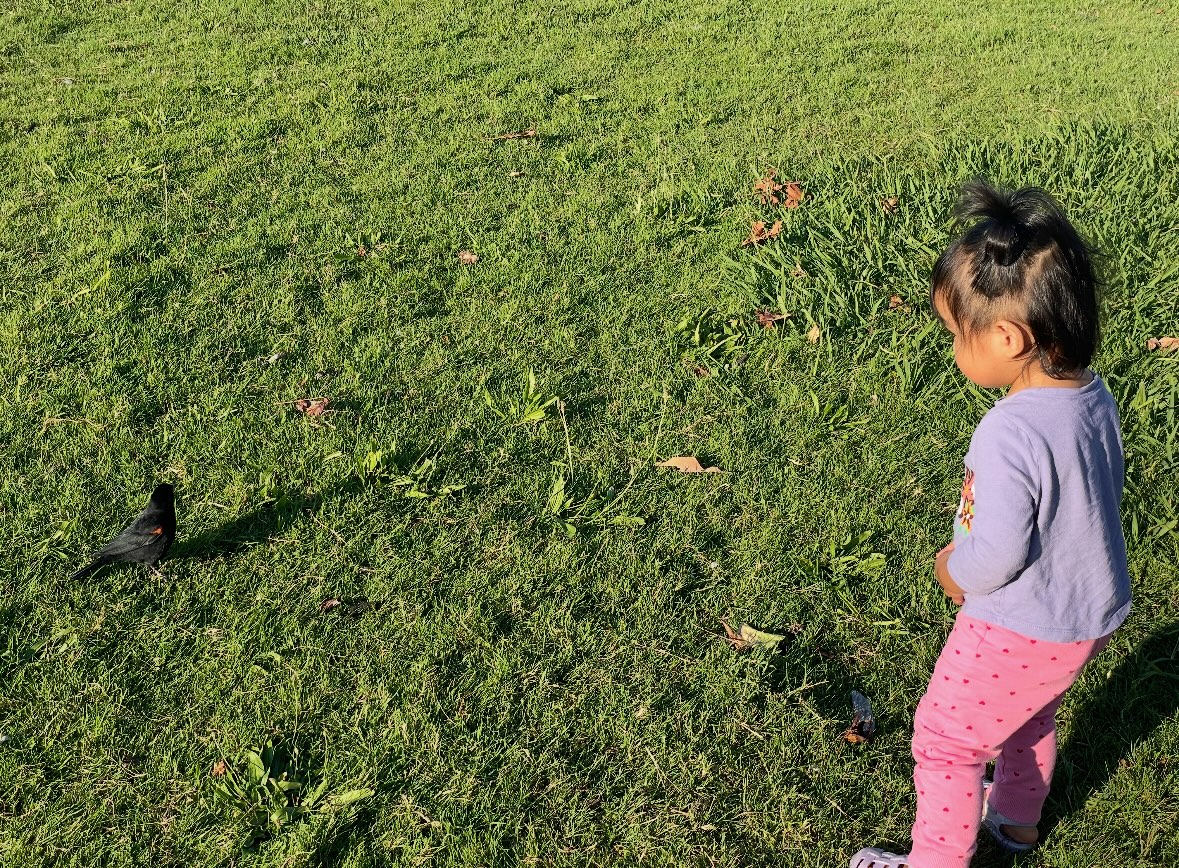
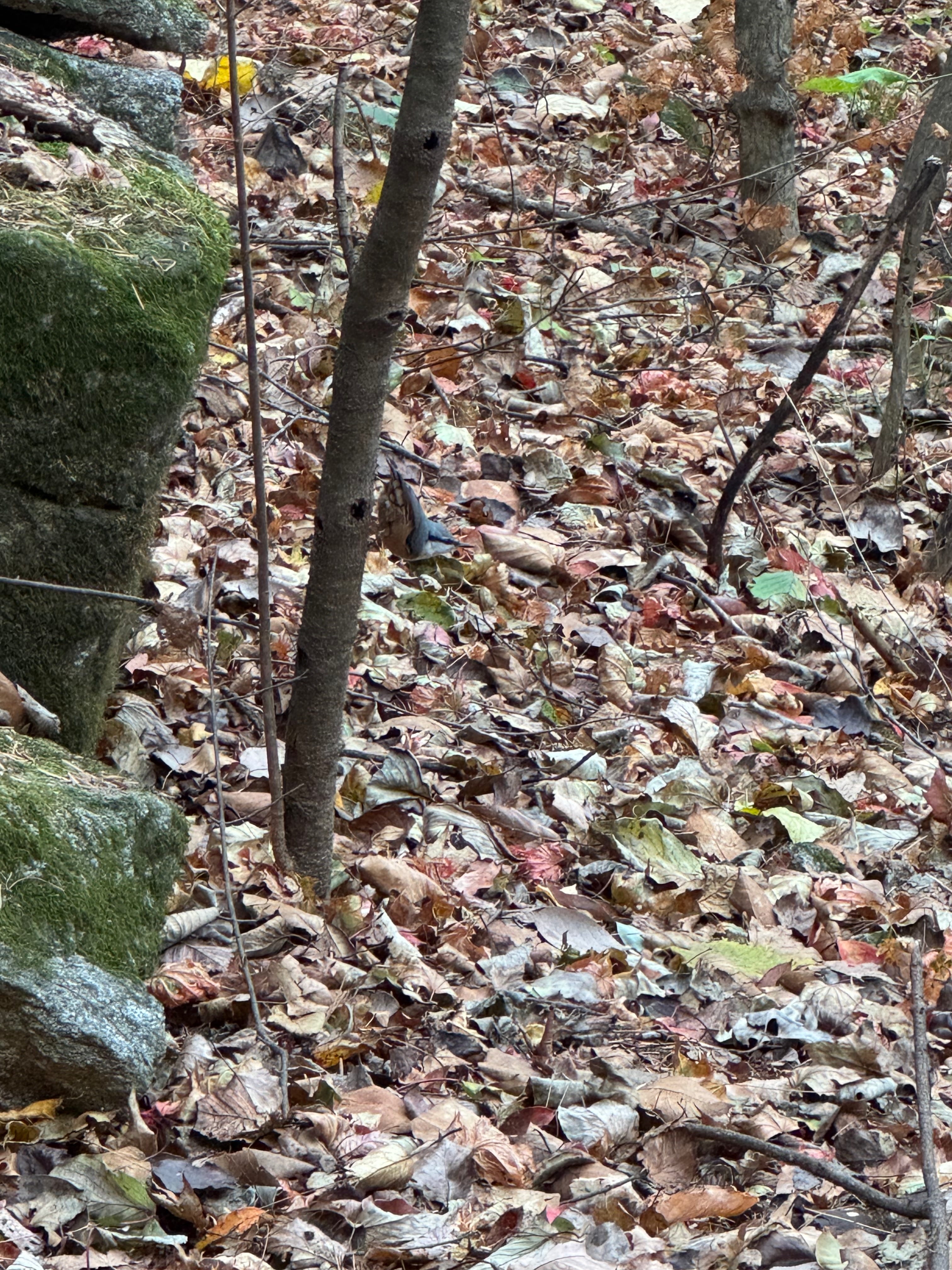
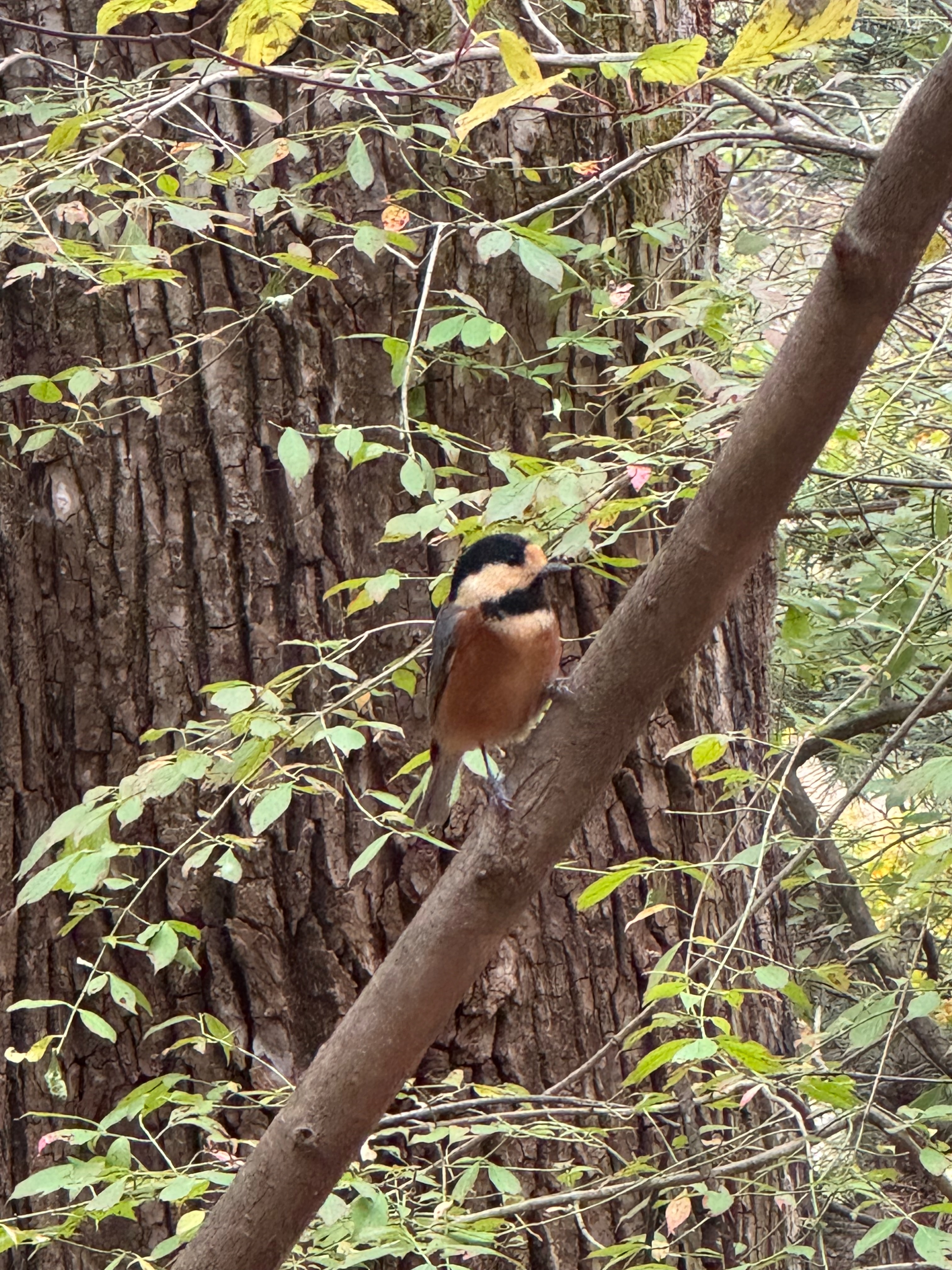
Janet and I birded in Korea. I didn't bring my birding camera so all pics were digiscopes or iphone shots. I took quite a few photos so only including a handful below.
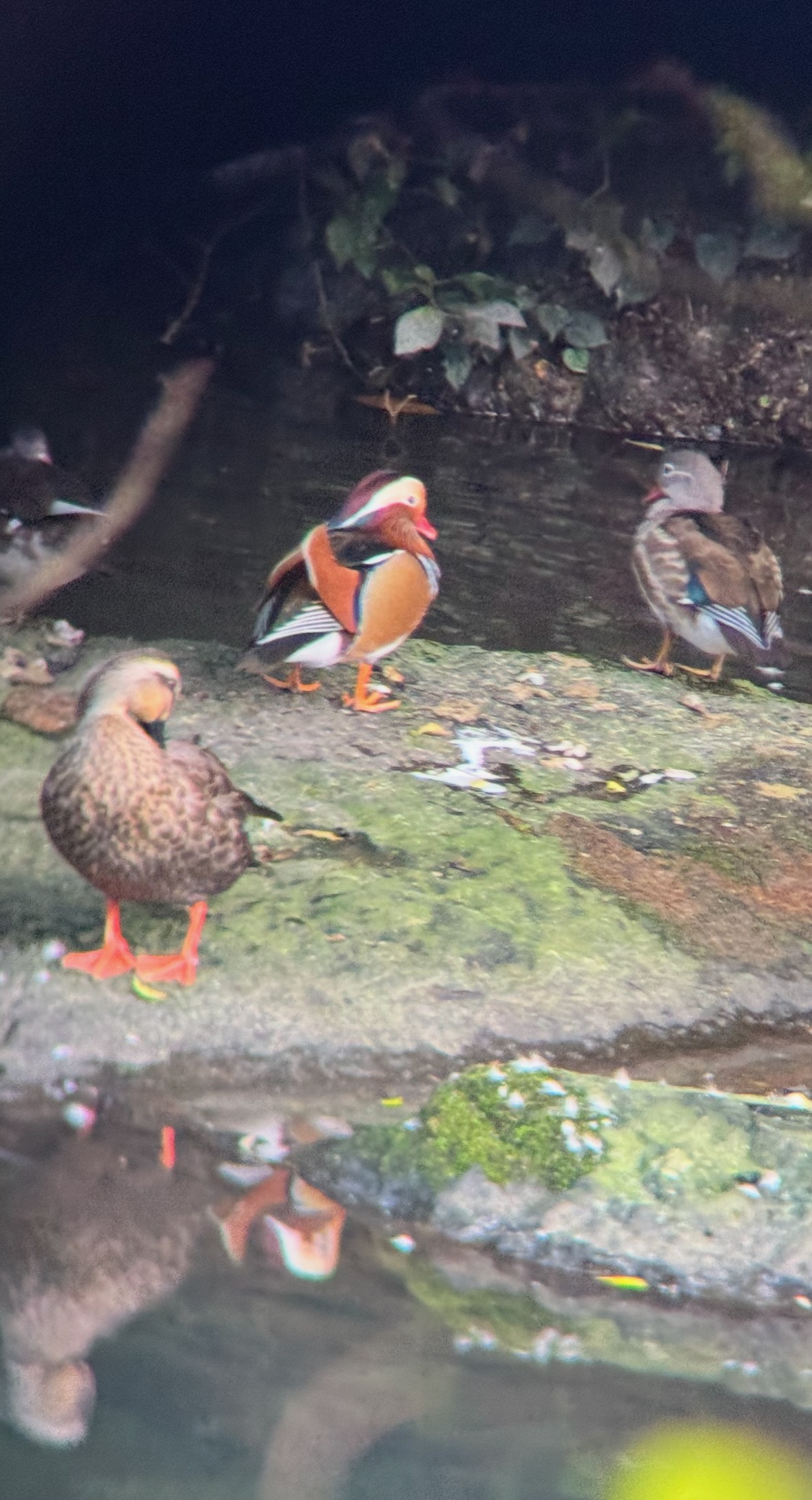
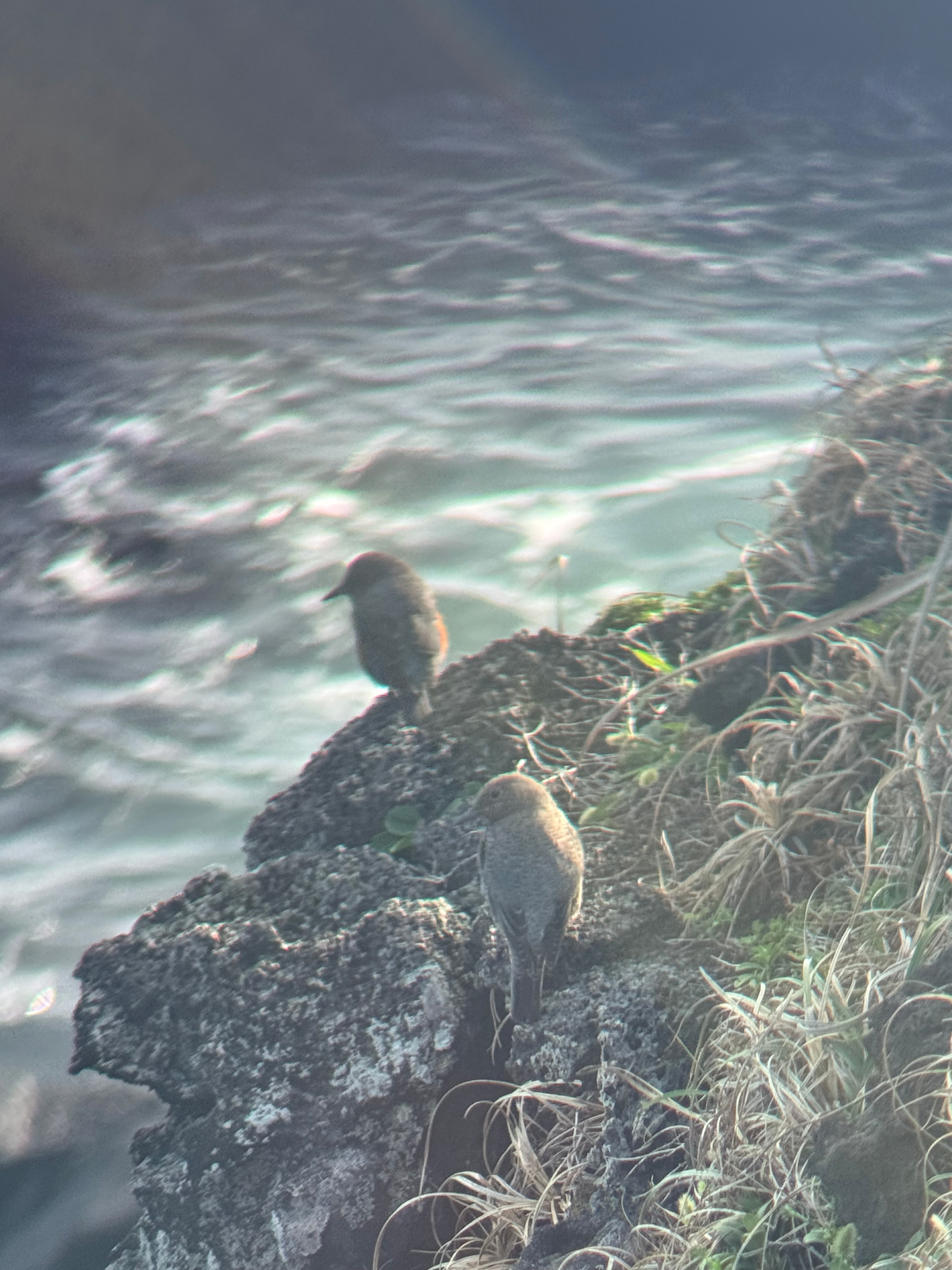
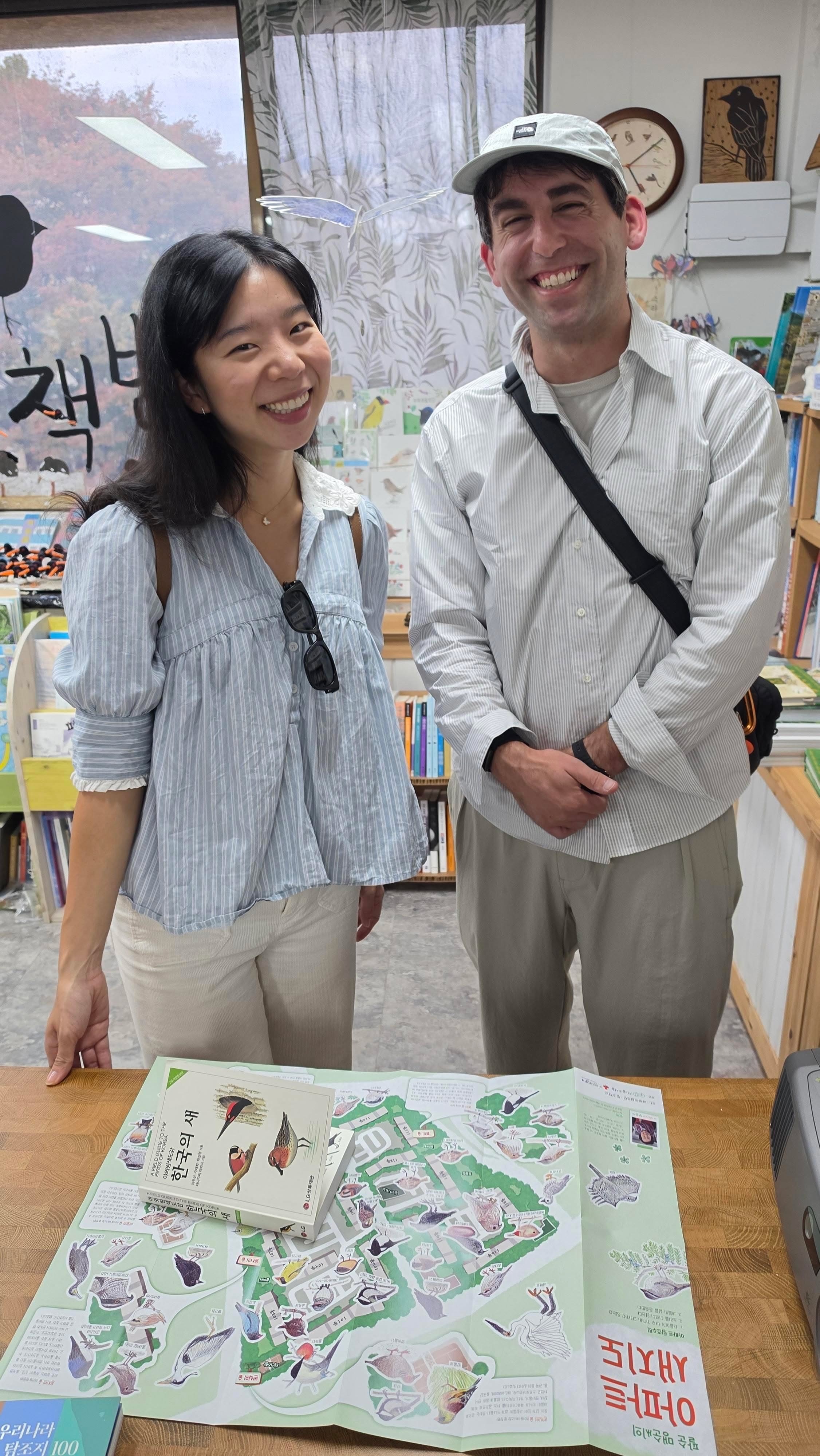
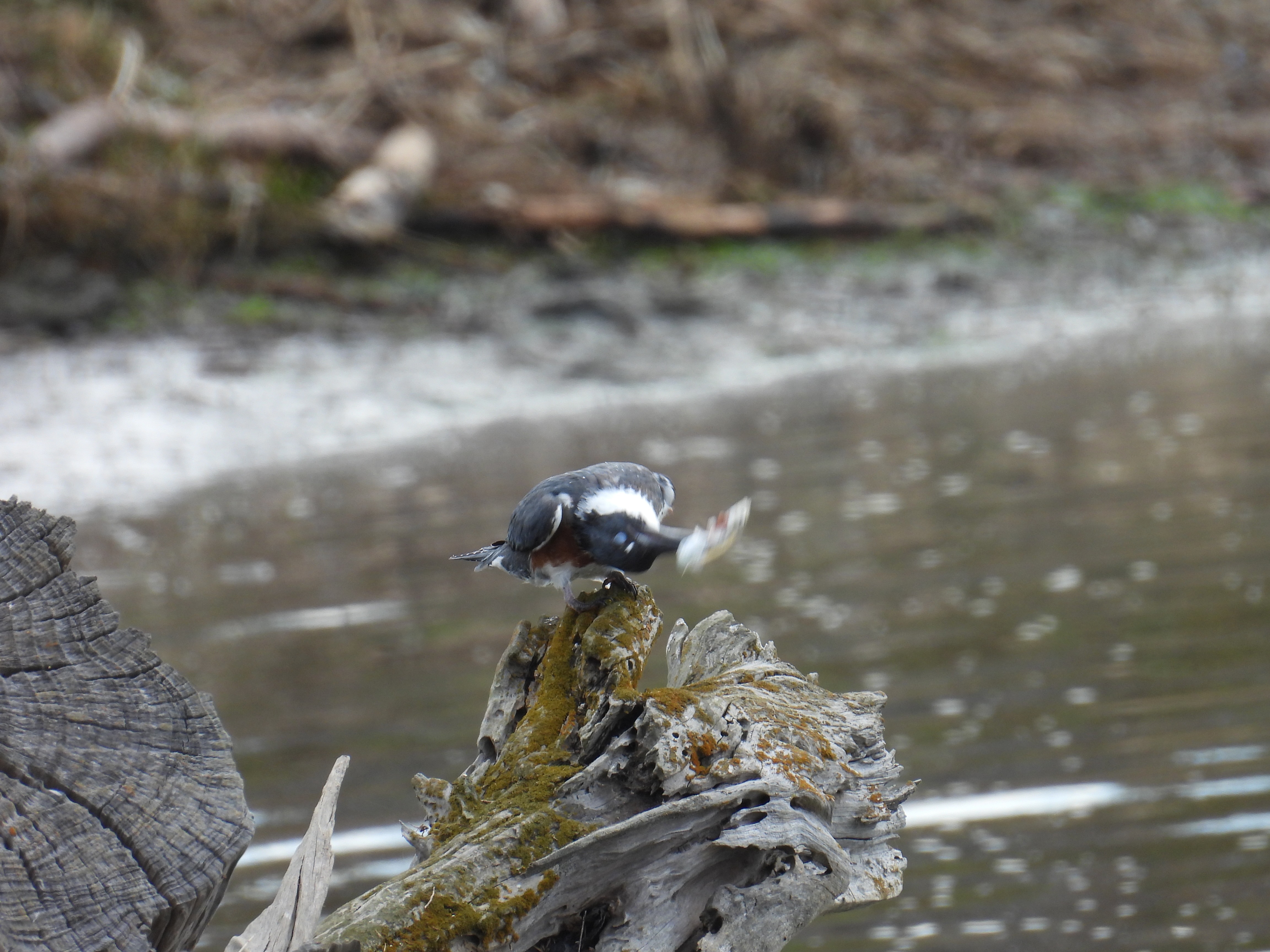
I also did some non-Korea birding in October. The below are pics from a trip up to the north bay
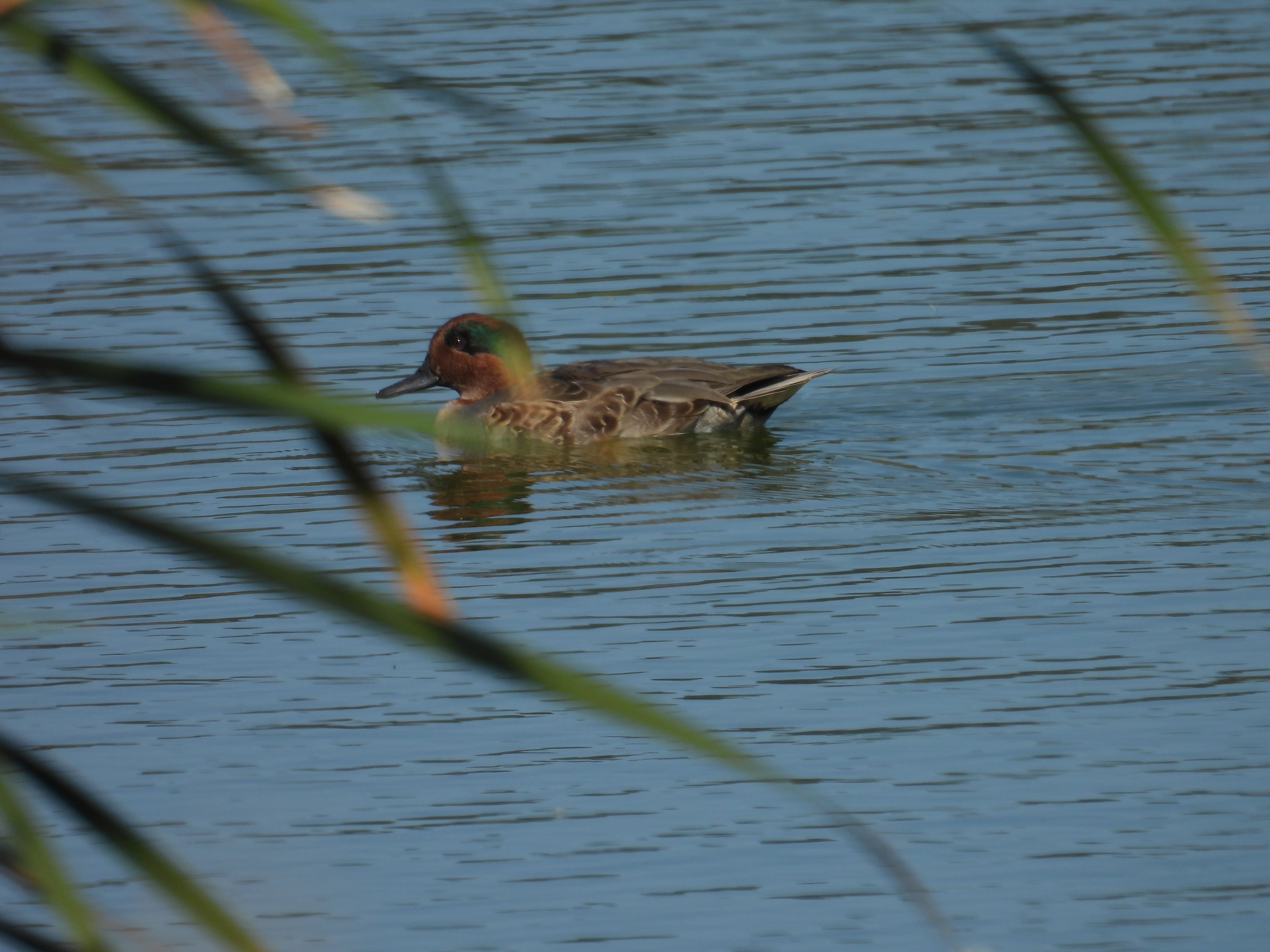
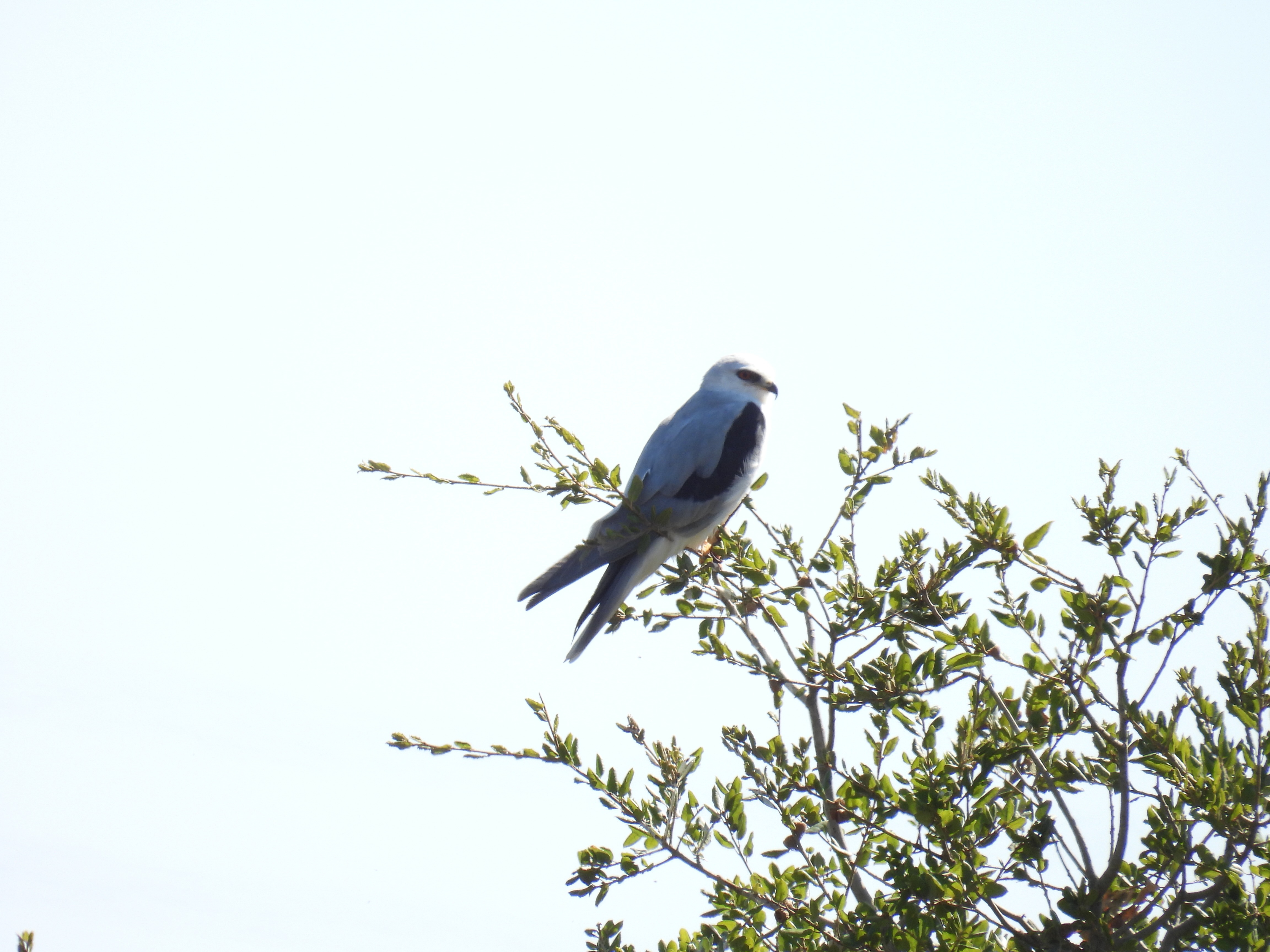
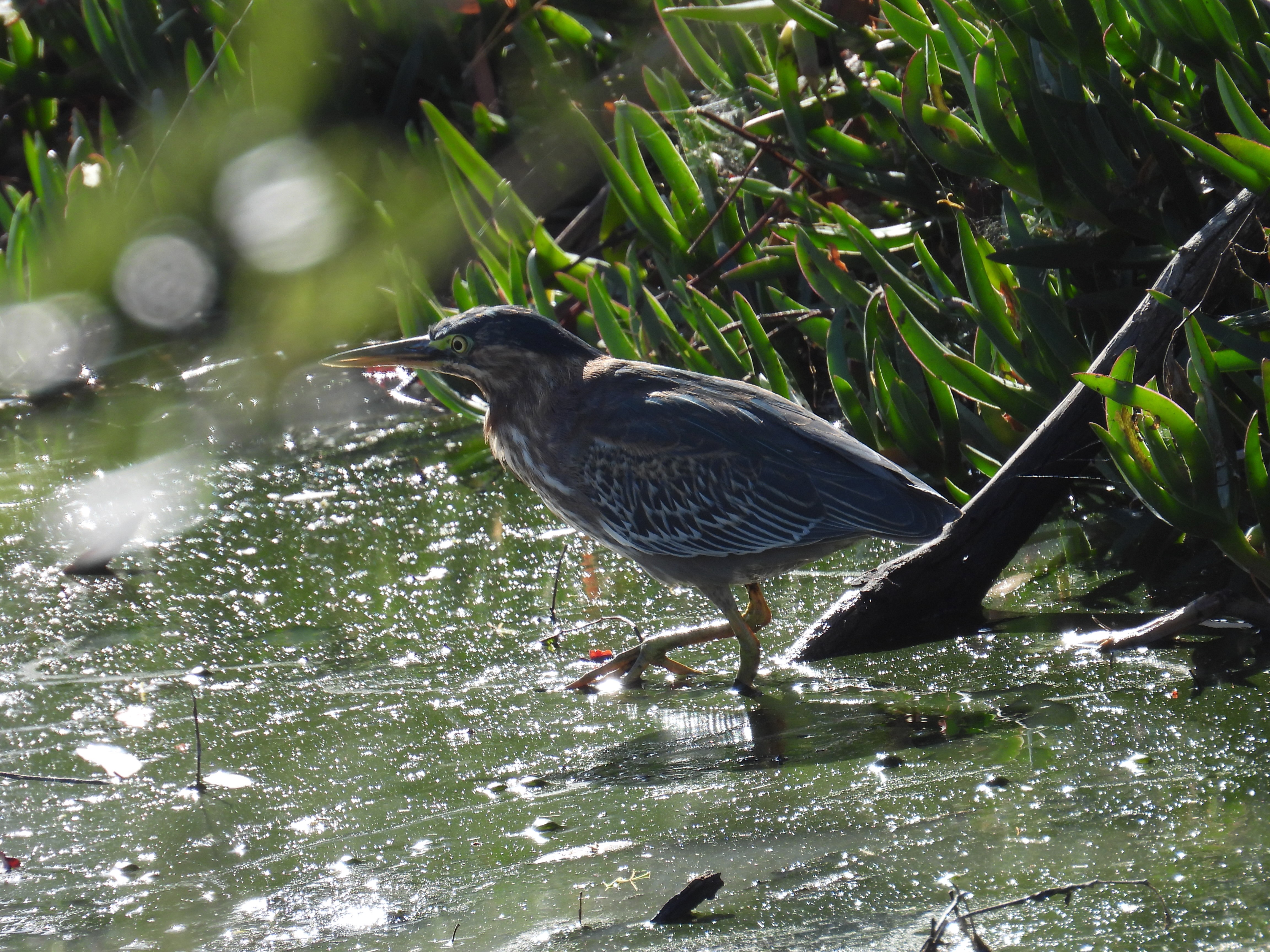
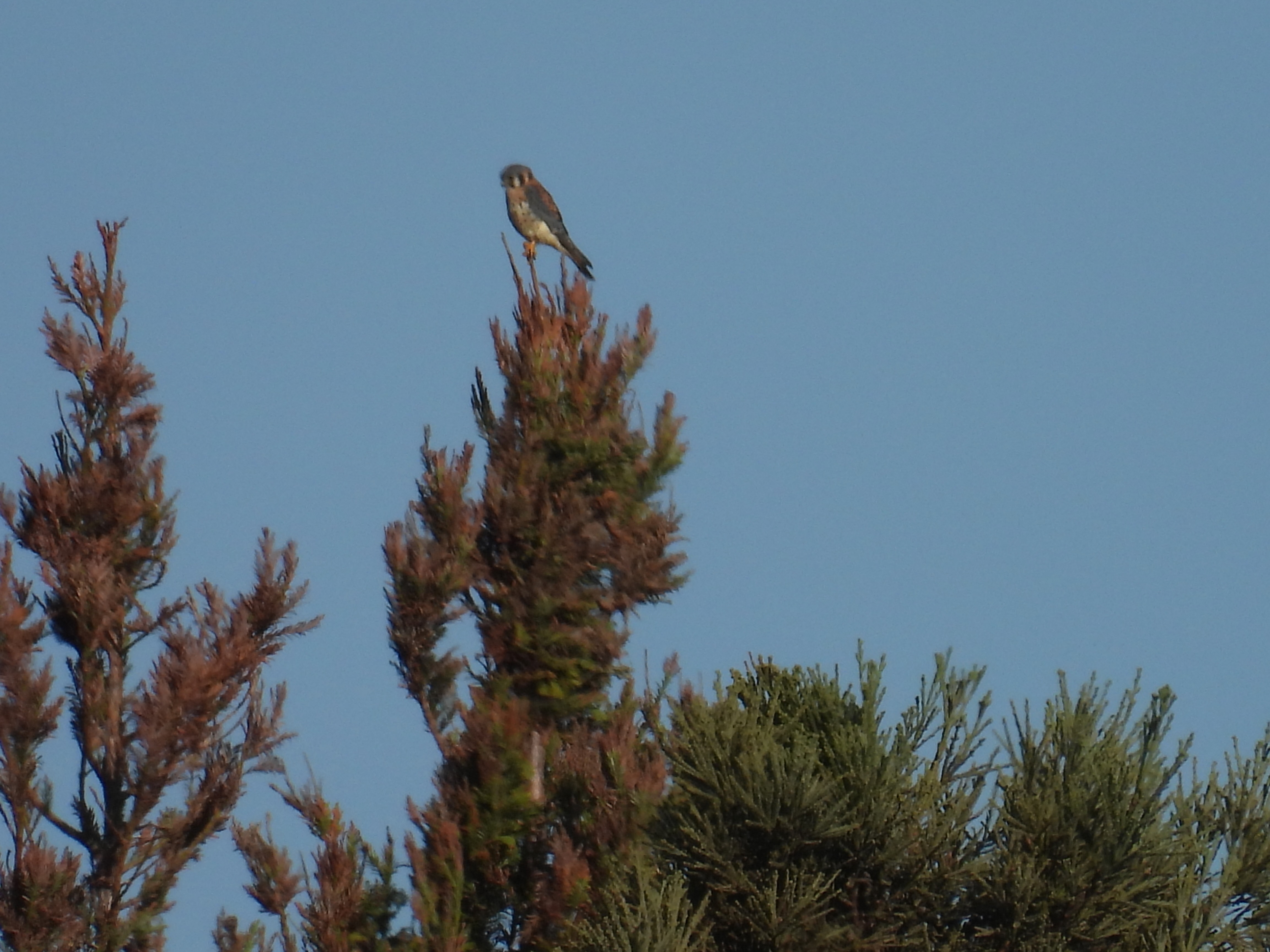
when they catch a fish they bang it against their perch before swallowing
Closeout
That's all; happy birding